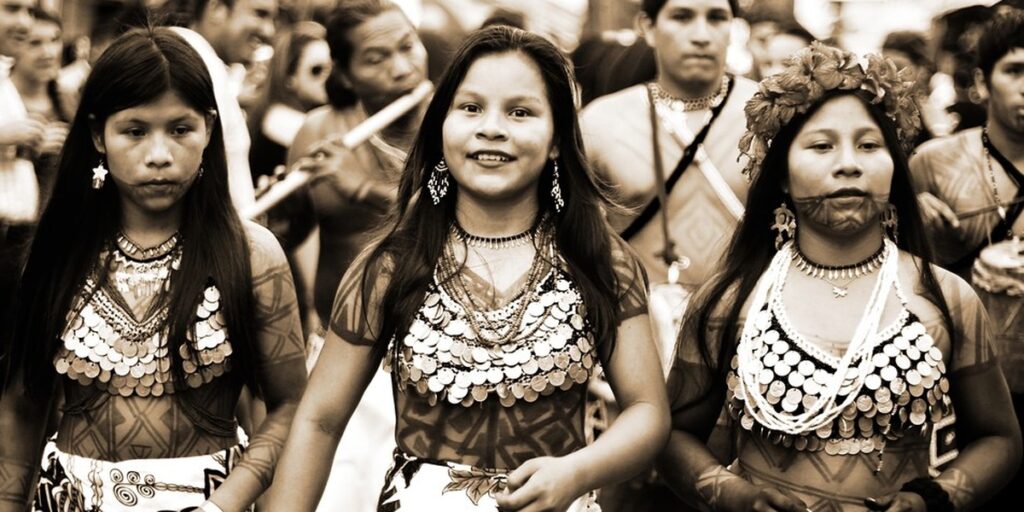
Panama’s cultural map stretches beyond its famous waterways to include a patchwork of Indigenous communities across islands, coasts and highland forests, each keeping its own language and traditions alive. These languages shape local identity, land knowledge and daily life in ways that don’t always show up on tourist itineraries.
There are 10 Indigenous Languages in Panama, ranging from Bokota to Wounaan. For each entry, data are organized as Family,Regions,Speakers (year), which you’ll find below.
Which Indigenous languages in Panama have the most speakers today?
Counts vary by source, but the larger-language groups are typically those spoken by the Ngäbe and Guna communities; others like Bokota and Wounaan have smaller speaker populations. Check the Speakers (year) column below for the specific numbers and the year each estimate was made.
How reliable are the speaker counts and where do they come from?
Speaker figures usually come from national censuses, regional surveys and linguistic studies, so year-to-year comparability can be uneven; the Speakers (year) column shows the reference year and helps you judge currency, while local research often provides the most nuanced picture.
Indigenous Languages in Panama
| Language | Family | Regions | Speakers (year) |
|---|---|---|---|
| Ngäbere | Chibchan | Ngäbe-Buglé Comarca; Chiriquí; Bocas del Toro; Veraguas | 200,000 (2018) |
| Buglere | Chibchan | Ngäbe-Buglé Comarca; Veraguas; Chiriquí | 20,000 (2018) |
| Guna | Chibchan | Guna Yala (San Blas); Madungandí; Wargandí | 61,000 (2018) |
| Emberá | Chocoan | Darién; Emberá-Wounaan Comarca; Darién riverine areas | 25,000 (2015) |
| Wounaan | Chocoan | Darién; Emberá-Wounaan Comarca; riverine Bocas del Toro areas | 6,000 (2015) |
| Naso | Chibchan | Bocas del Toro; Naso territory (Bocas del Toro area) | 3,500 (2015) |
| Bribri | Chibchan | Bocas del Toro (border area with Costa Rica) | 5,000 (2015) |
| Bokota | Chibchan | Central Panama; Coclé; Herrera provinces | 1,000 (2015) |
| Cueva | Unclassified | Central Panama (Coclé region) | 0 (1700) |
| Dorasque | Chibchan | Western Panama near Costa Rica border (Chiriquí area) | 0 (1800) |
Images and Descriptions

Ngäbere
Ngäbere is the language of the Ngäbe people, spoken across Ngäbe-Buglé Comarca and adjacent provinces. It’s a robust Chibchan language with strong community use but faces pressure from Spanish among younger generations; many speakers maintain cultural practices and bilingualism.
Buglere
Buglere (Buglé) is a Chibchan language of the Buglé people in Ngäbe-Buglé Comarca and parts of Chiriquí and Veraguas. Community transmission continues in many villages but the language is vulnerable due to migration and Spanish dominance.
Guna
Guna (Kuna) is spoken by the Guna people along Guna Yala islands and inland communities including Madungandí and Wargandí. It remains vibrant in many communities with cultural institutions, though urban migration and Spanish influence are growing challenges.
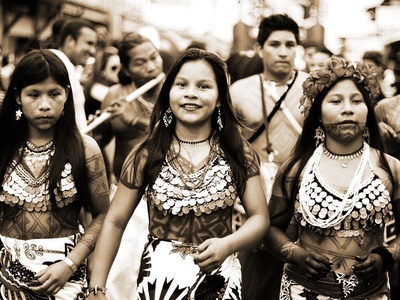
Emberá
Emberá is a Chocoan language (with several varieties) spoken in Darién and the Emberá-Wounaan Comarca. Cultural traditions are strong; however, younger generations increasingly shift to Spanish, making many Emberá varieties vulnerable or endangered.
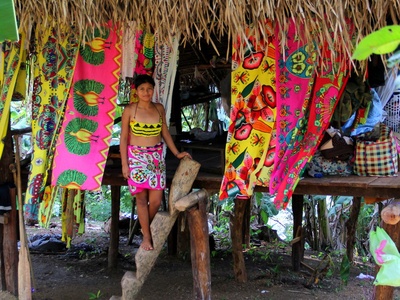
Wounaan
Wounaan (Noanamá) is a Chocoan language spoken along Panama’s Darién and riverine areas. Small communities keep the language, but limited intergenerational transmission and external pressures make Wounaan classified as vulnerable or endangered in many areas.
Naso
Naso (Teribe) is a Chibchan language of the Naso people in Bocas del Toro and adjacent highlands. It has small, tightly-knit communities actively promoting language maintenance, though it remains seriously endangered with few young native speakers.
Bribri
Bribri is a Chibchan language primarily centered in Costa Rica but also spoken by communities in Bocas del Toro. Cross-border cultural ties keep the language alive, yet Panama speakers are a small minority and the language is vulnerable locally.
Bokota
Bokota (Broa) is a small Chibchan language historically spoken in central Panama provinces. Very few elderly speakers remain and the language is critically endangered, with most community members now using Spanish or neighboring indigenous languages.
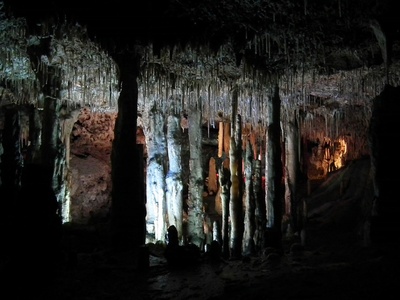
Cueva
Cueva was an indigenous language historically attested in central Panama (Coclé area) and is now extinct. Known from colonial records, it had cultural ties to pre-Columbian societies but disappeared after early colonization and disease.
Dorasque
Dorasque (Dorassic) was a Chibchan language historically spoken near the Costa Rica border in western Panama. It became extinct or assimilated in the 19th century; documentation is limited but it was part of Panama’s pre-contact linguistic mosaic.