Panama’s linguistic landscape reflects centuries of trade, migration, and local innovation, so the speech you hear in a market, a coastal town, or a rural village can vary noticeably. From Indigenous languages to Afro‑Caribbean influences, the isthmus hosts a compact but diverse set of spoken varieties shaped by history and place.
There are 13 Dialects in Panama, ranging from Azuero (Santeño) Spanish to Portobelo Creole (Portobelo Patois). For each dialect the table lists Region,Speakers,Distinctive features so you can compare where it’s spoken, roughly how many people use it, and what makes each variety unique — you’ll find below.
How different are Panama’s dialects from standard Spanish?
Differences are mostly in pronunciation, rhythm, and local vocabulary rather than completely separate grammars for most varieties; coastal Creoles and Indigenous languages are the clearest departures. Many dialects remain mutually intelligible with standard Panamanian Spanish, but words, idioms, and certain sounds (like s‑reduction or vowel changes in some areas) mark regional identity.
Where are Azuero (Santeño) Spanish and Portobelo Creole spoken today?
Azuero (Santeño) Spanish is common across the Azuero Peninsula (provinces like Los Santos and Herrera) and in communities with roots there, while Portobelo Creole is centered in Portobelo and nearby Afro‑Caribbean settlements in Colón province; both appear in city diasporas as people move for work.
Dialects in Panama
| Name | Region | Speakers | Distinctive features |
|---|---|---|---|
| Panamanian Spanish | Nationwide, urban and rural areas | 3,500,000 | seseo; yeísmo; aspiration of final /s/; Caribbean influence |
| Panama City Spanish | Panama City and surrounding metropolitan area | 1,500,000 | fast speech; English loanwords; s-aspiration; prestige |
| Colón Spanish | Colón province and Caribbean coastal towns | 150,000 | Caribbean intonation; English/Creole loanwords; Afro‑Antillean influence |
| Azuero (Santeño) Spanish | Azuero peninsula (Los Santos, Herrera provinces) | 300,000 | archaisms; rural lexicon; traditional pronunciation; Azuero identity |
| Chiriquí Spanish | Chiriquí province and western highlands | 400,000 | clear enunciation; Central American influence; rural vocabulary |
| Bocas del Toro Spanish | Bocas del Toro province and islands | 100,000 | English loanwords; Caribbean rhythm; Ngäbe substrate influence |
| Panamanian Creole English (Patois) | Colón, Panama City, Bocas del Toro, Caribbean coast | 100,000 | English-based creole; Jamaican-like grammar; Afro-Antillean lexicon |
| Bocas del Toro Creole English | Bocas del Toro province islands and coastal areas | 40,000 | Jamaican-influenced English creole; island identity |
| Portobelo Creole (Portobelo Patois) | Portobelo, San Lorenzo, Colón coastal towns | 20,000 | Afro-descendant creole; maroon heritage; African lexical items |
| Ngäbere (Guaymí) | Ngäbe-Buglé comarca; Chiriquí; Bocas del Toro; western highlands | 200,000 | agglutinative morphology; indigenous phonology; Guaymí lexicon |
| Guna (Kuna) | Guna Yala (San Blas) islands and mainland enclaves | 70,000 | distinct phonology; prenasalized consonants; maritime lexicon |
| Emberá | Darién province and riverine Atlantic/Pacific communities | 40,000 | complex verb morphology; riverine dialects; oral tradition |
| Buglere (Buglé) | Ngäbe-Buglé comarca, Veraguas, adjacent Chiriquí areas | 15,000 | lexical contact with Ngäbere; bilingualism with Spanish |
Images and Descriptions
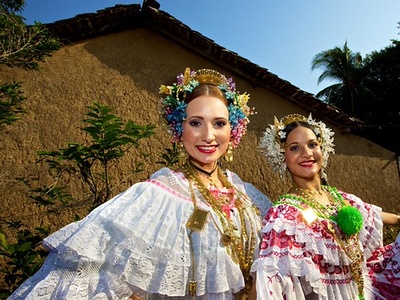
Panamanian Spanish
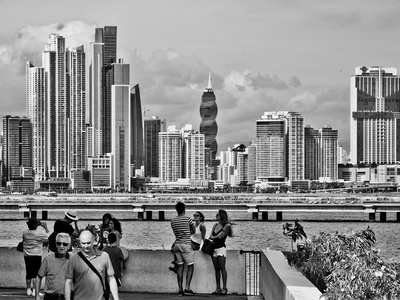
Panamanian Spanish is the overarching Spanish variety across Panama, spoken by most of the population, featuring seseo, yeísmo, aspiration of final s, and Caribbean and Andalusian influences. Urban and rural subvarieties vary; it reflects historical Spanish, Indigenous, and Afro‑Caribbean contact.
Panama City Spanish
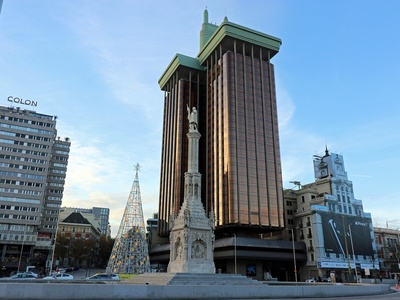
Panama City Spanish is the urban variety heard in the capital and metro area, more rapid and innovatively lexicalized. It shows stronger contact with English, modern slang, and pronounces s reduction in informal speech; marks urban identity and social mobility.
Colón Spanish
Colón Spanish, spoken in Colón province and Atlantic coast towns, blends Spanish with Afro‑Antillean features. It often shows rhythmic Caribbean intonation, English loanwords, lexical items from Jamaican Creole, and community-specific pronunciations tied to Afro‑Caribbean heritage.

Azuero (Santeño) Spanish
Azuero Spanish, often called Santeño in Los Santos, is a distinctive rural dialect on the Azuero peninsula. It preserves traditional pronunciation, archaisms, and unique vocabulary linked to folk culture, festivities, and rural identity.
Chiriquí Spanish
Chiriquí Spanish is spoken in Panama’s western highlands near Costa Rica. It mixes highland rural features with Central American influences, shows clear enunciation, and local vocabulary shaped by agricultural and indigenous contacts.
Bocas del Toro Spanish
Bocas del Toro Spanish reflects heavy Afro‑Caribbean and Ngäbe influence on the Caribbean archipelago and mainland areas. It includes English-lexical borrowings, relaxed syllable structure, and localized pronunciations tied to island culture.
Panamanian Creole English (Patois)
An English-based creole spoken by Afro-Antillean communities in Colón, Panama City, and western Caribbean provinces. It preserves Jamaican-like grammar, reduced tense marking, and a rich oral tradition tied to labor migration and canal-zone history.
Bocas del Toro Creole English
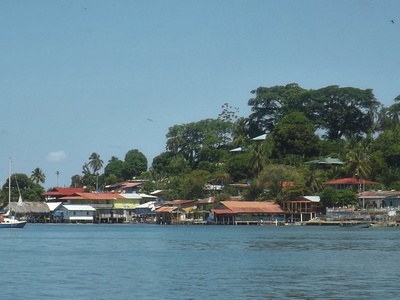
Bocas Creole is the local English‑based creole of Bocas del Toro with strong Jamaican and Panamanian influences. It’s central to island identity, used in daily speech, storytelling, and music; features phonology and lexicon distinct from mainland Spanish.
Portobelo Creole (Portobelo Patois)
Portobelo Creole survives in Colón’s historic Afro-descendant communities (Portobelo, San Lorenzo). It links to colonial-era maroon communities, retains African-origin vocabulary, and coexists with Spanish in bilingual neighborhoods and festivals.
Ngäbere (Guaymí)
Ngäbere is the language of the Ngäbe-Buglé people in western Panama and highlands, with several dialects across the comarca. About two hundred thousand speakers use it in daily life, preserving indigenous grammar, oral traditions, and bilingual Spanish contact.
Guna (Kuna)
Guna is spoken by the Guna people of Guna Yala, islands and mainland enclaves; known for its strong maintenance, vivid textile terminology and distinct phonology with prenasalized consonants, and cultural autonomy reflected in language vitality.
Emberá
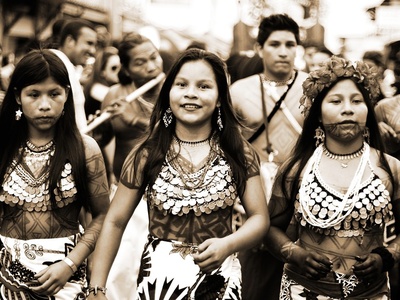
Emberá is spoken by Emberá peoples in Darién and riverine Pacific/Atlantic areas; multiple dialects exist tied to rivers and communities. Known for complex verb morphology, oral storytelling, and cultural practices resistant to assimilation.
Buglere (Buglé)
Buglere is spoken by Buglé communities in the Ngäbe-Buglé comarca and adjacent provinces; its vocabulary and grammar show close contact with Ngäbere and Spanish, and it functions in local cultural practices and bilingual education efforts.