In 1934, the Mount Washington Observatory recorded a 231 mph wind gust on the state’s highest peak — a reminder that New Hampshire’s outdoors can be as wild as they are beautiful.
Many travelers want memorable outdoor experiences without wasting time or money on endless driving or tourist traps. New Hampshire answers that by packing high-value adventures into a compact footprint: climb granite summits, paddle glassy lakes, or chase powder in the backcountry — often within a short drive of regional airports and major New England cities.
Below are eight distinct ways to get outside across seasons, from alpine scrambles and spring skiing to whitewater and aerial thrills — choose what fits your group and schedule. For those keeping score: this list highlights eight adventurous things to do in new hampshire that deliver big payoff for the effort.
Ready? Let’s start in the White Mountains, the state’s backbone for high‑elevation challenges and spectacular views.
White Mountains & High‑Elevation Adventures
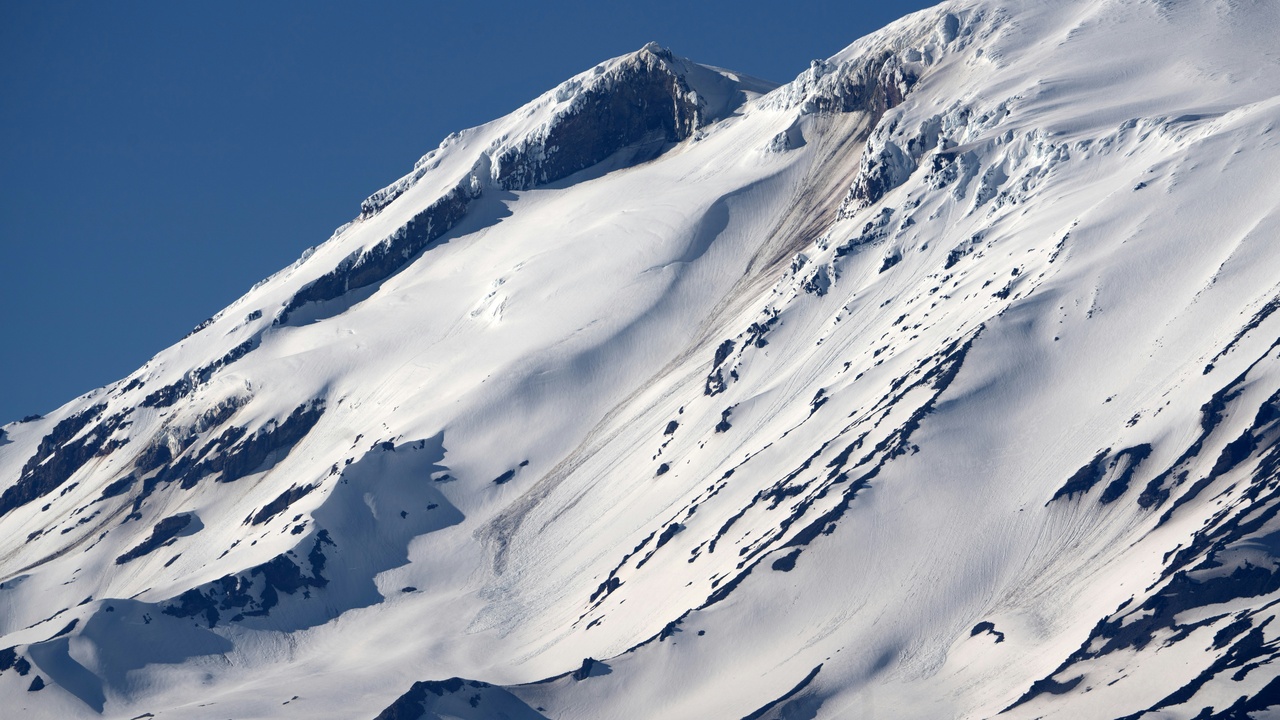
The White Mountains are New Hampshire’s spine for high‑intensity pursuits: long ridge hikes, alpine exposure, spring backcountry skiing, and technical ice climbs. The range sits a manageable drive from Boston, Providence, and points across New England, and its character shifts fast with the seasons — warm, sunlit ridgelines in summer, serious winter systems with hard snow and ice. Below are four ways to experience the high country, from summit days to scenic drives.
1. Summit Mount Washington — hike, drive, or take the auto road
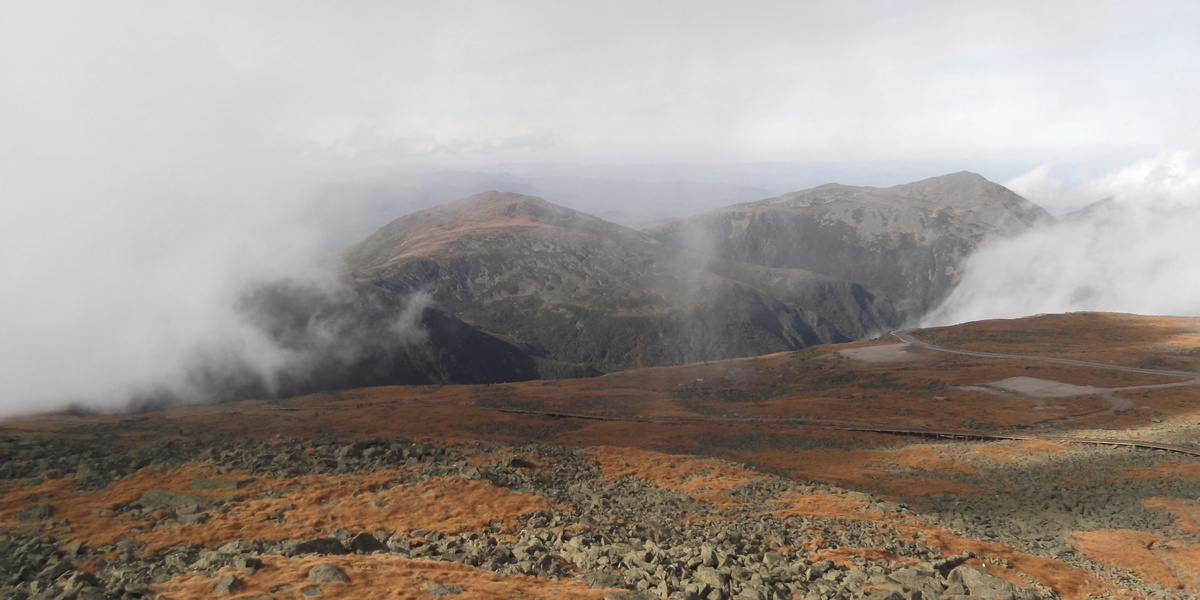
Mount Washington tops out at 6,288 feet and famously produced a 231 mph gust in 1934, so plan for extreme changeability even on sunny mornings. You can earn the summit via strenuous hikes — Tuckerman Ravine or the Jewell Trail offer classic, steep approaches — or skip the climb and drive the Mount Washington Auto Road (seasonal) or ride the historic Mount Washington Cog Railway for a quieter summit experience.
Choose your ascent based on goals: hikers building endurance will get technical terrain and alpine training; families or photographers often prefer the Auto Road or Cog Railway for quick, dramatic summit time. In summer, bring layered clothing, sun protection, and plenty of water; in spring, expect snow and crampons on trail sections (we recommend an early start on exposed slopes). Always check current summit forecasts and conditions with the Mount Washington Observatory before heading up.
2. Hike Franconia Ridge Loop for classic alpine ridgelines
The Franconia Ridge Loop is one of New England’s iconic day hikes: roughly an 8.9‑mile circuit that takes in Mount Lafayette (about 5,249 ft) and Mount Lincoln along a sweeping alpine band. The route rewards hikers with broad, exposed panoramas, alpine vegetation, and the feel of a true high ridge without an overly long approach.
For a smooth visit, start very early (5–7 a.m. suggested) to catch sunrise and avoid crowds, or pick a weekday. Parking at trailheads can fill, so plan shuttle or permit logistics when needed. Bring warm layers and wind protection — exposure on the ridge amplifies weather — and a camera for sweeping late‑day light in summer or the bright, high-contrast views during foliage season.
3. Try ice climbing and winter technical routes in the Pemigewasset area
New Hampshire ranks near the top for East Coast ice climbing thanks to reliable cold snaps and climbable lines on cliffs like Frankenstein in Crawford Notch. December through March produces the best ice, though conditions vary year to year; locals and guide services publish condition reports regularly.
Ice climbing offers fast skill growth for aspiring mountaineers. Beginners can sign up for guided clinics that cover crampon technique, using ice tools, and basic rescue. Recommended winter kit includes crampons, technical boots, two ice tools, a helmet, and layerable insulation. Also learn avalanche basics if you plan to leave marked gullies — and consider hiring a local guide for your first season.
4. Drive or cycle the Kancamagus Highway for scenic, low‑effort thrills
The Kancamagus Highway is a 34.5‑mile scenic corridor through White Mountain National Forest with pullouts, waterfalls, and river access — big views with modest effort. It’s perfect for photographers, families, and cyclists who want a high‑value outing without a long hike.
Stop at Sabbaday Falls, short riverside walks, and roadside vistas in the Lincoln‑Woodstock area. Cyclists should mind narrow shoulders and vehicle traffic; midweek or early‑morning rides reduce crowding. During foliage season, expect heavy weekend visitation — plan parking and timing accordingly.
Water & Lakes: Paddle, Swim, and Ride Rapids
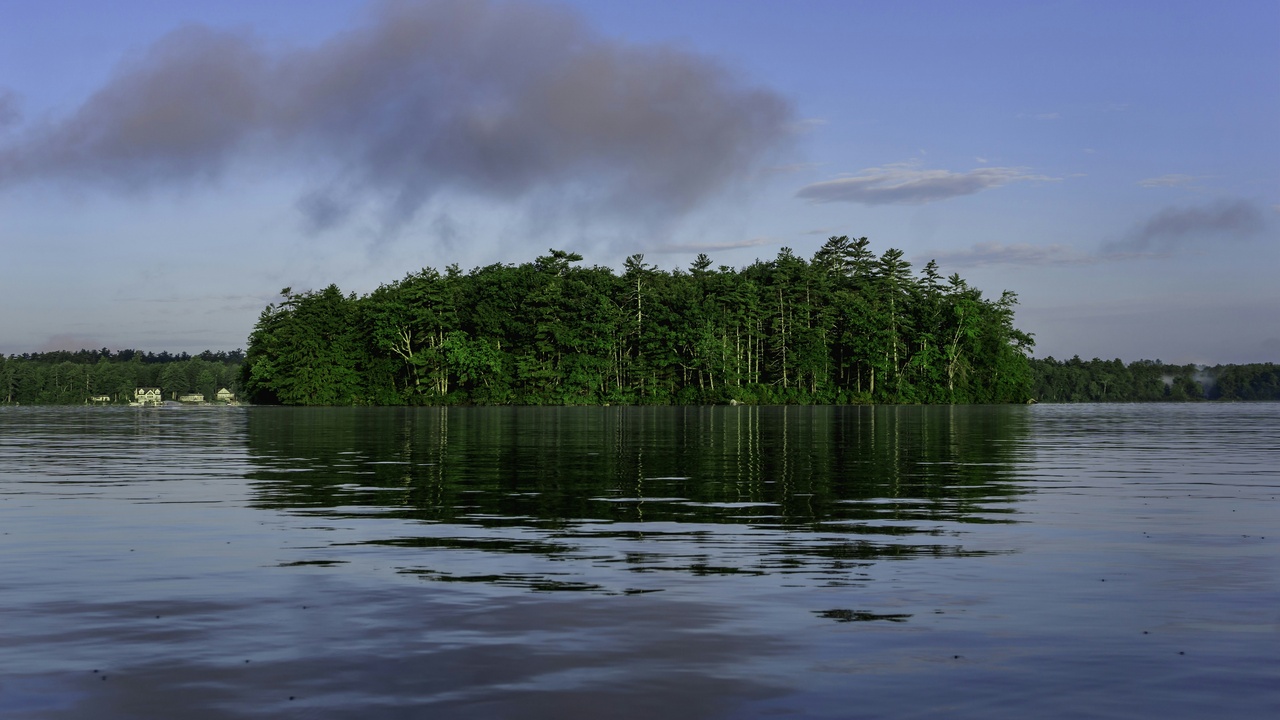
New Hampshire pairs placid, island-studded lakes with lively rivers. Large lakes offer sheltered bays and island camping, while rivers like the Saco supply runnable whitewater in spring. Paddle season generally runs late May through early October, and river flows peak with spring runoff — check conditions before you go.
5. Paddle Lake Winnipesaukee — islands, beaches, and sunset cruises
Lake Winnipesaukee covers roughly 71.7 square miles and is commonly cited as having about 257 islands, making it a playground for kayaks, canoes, and SUPs. Launch from The Weirs or Alton Bay for easy day trips, or plan overnight island camping on designated sites.
Rentals and lessons operate from Weirs Beach and Alton Bay; popular paddles include short runs to Governor’s Island or Bear Island and longer circumnavigation routes for experienced paddlers. Watch weather and water temperature — afternoon winds can build, and motorboat traffic is common. Late May through September offers the best water temps and rental availability.
6. Run whitewater on the Saco or go tubing with friends
The Saco River and nearby northern rivers provide guided rafting and kayaking with mostly class II–III rapids on popular stretches, while gentler reaches and private tubing businesses cater to casual floaters. Spring runoff through early summer brings the most exciting flows.
Guided trips out of North Conway and Bartlett are practical choices for groups, corporate outings, or first‑timers — they supply gear, instruction, and safety oversight. For tubing, pick operator-run sections if you want easy logistics; if you self-organize, confirm local regulations, launch points, and current water levels before setting out.
Unique, Aerial, and Seasonal Adrenaline
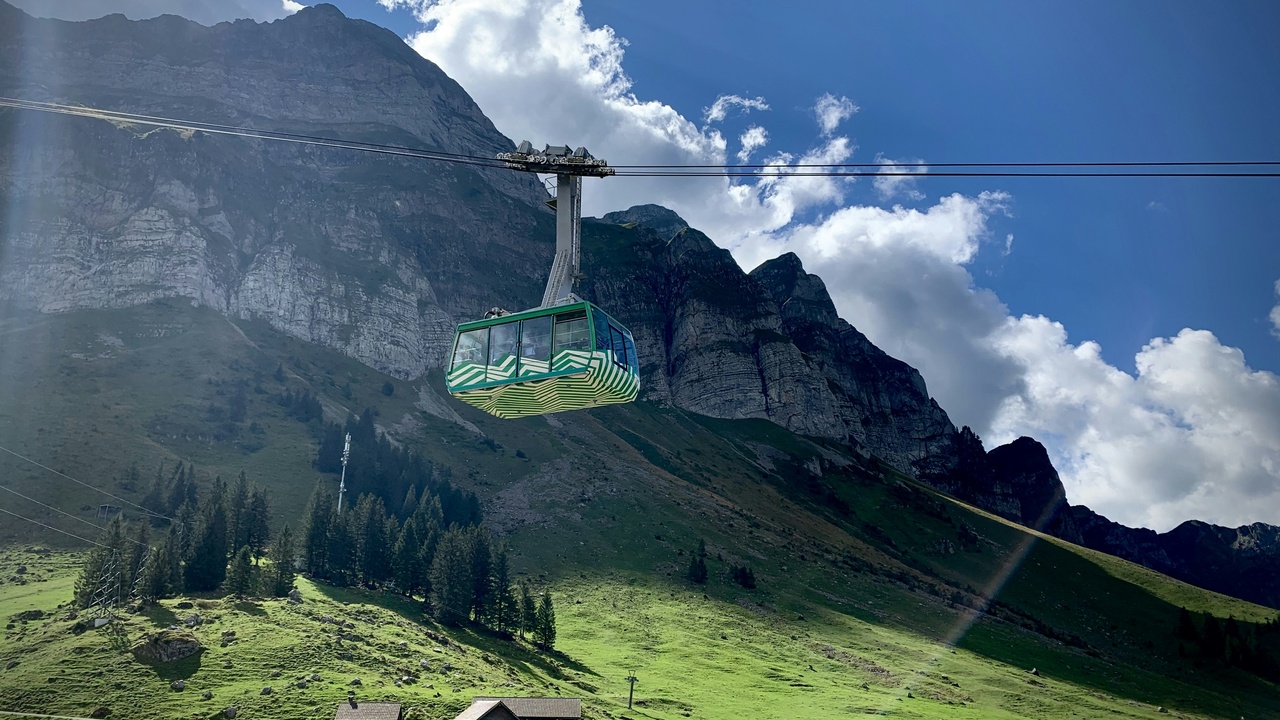
This category collects mechanical and seasonal thrills that don’t require long approaches: aerial tramways, commercial ziplines, mountain‑bike parks, snowmobiling, and backcountry skiing. They work across ability levels and seasons, so mixed groups can all find something memorable.
7. Ride an aerial tram or try a commercial zipline for big‑view thrills
Aerial trams and ziplines deliver high-altitude scenery with low physical barrier. Cannon Mountain’s Aerial Tramway first opened in 1938 and still provides instant summit access; private operators at Bretton Woods, Loon, and other resorts run ziplines and summer adventure tours for families and thrill-seekers.
These experiences suit photographers, travelers short on time, and family groups. Tram and zipline schedules are seasonal and can fill on weekends and foliage dates, so book ahead. Expect clear instructions and safety briefings; ziplines may have weight and health restrictions, so review provider policies before reserving.
8. Explore backcountry skiing, snowmobiling, or fat‑biking in the Great North Woods
The Great North Woods and northern reaches offer remote terrain, extensive trail systems, and winter motorized access that appeal to backcountry skiers, snowmobilers, and fat‑bikers. Towns like Colebrook and Berlin act as gateways for day trips or multi‑day tours.
Plan by season and route: some outings are single‑day loops, others are lodge‑to‑lodge or multi‑day expeditions. Use local clubs and state resources for trail passes and up‑to‑date trail mileage (these figures change, so consult New Hampshire Fish and Game or local snowmobile clubs). For safety, carry navigation tools, avalanche gear when relevant, and tell someone your plan.
Summary
- New Hampshire condenses big outdoor variety — high peaks, large lakes, and remote northern terrain — into a compact, driveable state.
- Pick activities by season: summer ridge hikes and paddles, spring snowmelt for whitewater and spring skiing, winter for ice climbing and snowmobiling.
- Match your group’s ability: take the Auto Road or tram for summit views, hire guides for ice climbing or whitewater, and verify permits or trail passes for motorized routes.
- Check authoritative sources before you go — Mount Washington Observatory for summit weather, New Hampshire State Parks for lake and park rules, and Fish and Game or local clubs for trail and snowmobile updates.
- Pick one of the adventurous things to do in new hampshire and plan a trip: book guides or rentals early and expect big scenery for your effort.