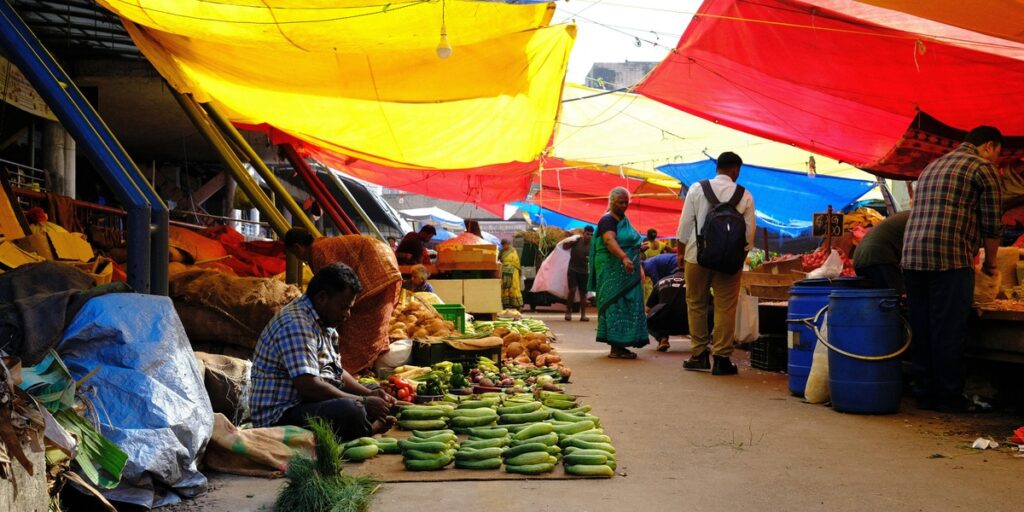
On January 1, 1960, French Cameroon became independent — a turning point that set the stage for a country often called “Africa in miniature.”
That date helps explain why Cameroon today blends coastal ports, montane highlands, and dozens of cultural groups into a single, lively society. Walk a morning market in Douala as fishmongers call prices, or join a sunrise hike up Mount Cameroon, and you see practical reasons to stay—jobs, affordable daily life, growing schools—and emotional ones: vivid music, welcoming neighborhoods, and strong family ties.
For readers weighing the benefits of living in Cameroon, the country combines diverse landscapes, growing economic hubs, rich cultures, and improving public services to offer a uniquely attractive set of advantages for residents and newcomers alike. This article lays out ten concrete benefits, grouped into four categories: Economic Opportunities, Cultural & Social Strengths, Natural Environment & Lifestyle, and Health/Education & Infrastructure.
Economic Opportunities and Employment

Cameroon’s economy offers multiple paths to income: agriculture, industry around ports, and expanding urban services. GDP growth has hovered in the low single digits in recent years while urbanization shifts labor toward cities, creating steady demand for trades, services, and logistics (according to reports by the World Bank and African Development Bank).
1. Reliable agricultural livelihoods and cash-crop markets
Many Cameroonians earn livelihoods from farming and cash crops. A large share of rural households depend on agriculture, and the country is a major regional producer of cocoa and coffee.
Seasonal harvests provide cash income that families use for school fees, repairs, and local purchases. Smallholder cocoa cooperatives in the Southwest and Littoral regions aggregate harvests, negotiate better prices, and connect growers to exporters through Douala.
Near Kribi, small rubber plantations and local processing add value before products leave for international markets, which helps support local businesses beyond the farm gate.
2. Growing urban job markets in Douala and Yaoundé
Douala, the commercial capital, and Yaoundé, the political capital, concentrate many professional opportunities in finance, telecom, logistics, retail, and public administration.
With a national population of approximately 27 million and steady migration to cities, employers such as regional banks, telecom operators (MTN Cameroon among them), and shipping and logistics firms around the Port of Douala hire a range of skilled and entry-level workers.
For graduates and entrepreneurs, cities provide client pools, co-working possibilities, and informal markets where small businesses scale quickly.
3. Strategic ports and cross-border trade boost commerce
Among the benefits of living in Cameroon is Atlantic access via the Port of Douala and the more recent Kribi deep-sea port project, which give the country a logistical edge in Central Africa.
Douala serves as a regional logistics hub for goods moving to and from landlocked neighbors, while Kribi’s deep-water capacity attracts larger vessels and industrial investment.
Those ports create jobs in freight handling, customs brokerage, warehousing, and transport, and they make it easier for agricultural exporters—cocoa, timber, fish—to reach international markets.
Cultural Richness and Social Networks

Cameroon is culturally vibrant: it has two official languages (French and English) and roughly 250 local languages, which shape everyday life in markets, churches, schools, and festivals.
4. Rich cultural diversity and everyday multilingualism
Nicknamed “Africa in miniature,” Cameroon’s linguistic diversity—about 250 languages—means residents routinely encounter multiple tongues and traditions.
Bilingual public life shows up in schools, media, and government services, while festivals like the Ngondo (Littoral) and local dance and music scenes offer regular cultural experiences for residents and visitors.
Food, music, and weekly markets reflect regional specialties, so day-to-day life can be a continual cultural education for newcomers and long-term residents alike.
5. Strong community bonds and support networks
Social life in Cameroon is organized around family, neighborhood, faith groups, and ethnic networks that provide both emotional and practical support.
Patterns of mutual aid—remittances, shared contributions at weddings and funerals, and cooperative market arrangements—mean newcomers often find quicker integration through neighbors, churches, mosques, or traditional chiefdoms.
For entrepreneurs, trust networks and market cooperatives lower transaction costs and help small businesses find customers and suppliers locally.
Natural Environment, Recreation, and Lifestyle

Covering about 475,440 km², Cameroon offers coastlines, mountains, rainforests, and savannas—so residents enjoy a wide range of climates and recreational options from sea level to alpine zones.
6. Exceptional biodiversity and eco-tourism
Cameroon’s protected areas, including Korup National Park and Waza National Park, are home to rare species and strong birding opportunities that attract researchers and tourists.
Local guides, eco-lodges, and conservation projects provide jobs while offering residents easy access to wildlife viewing, guided hikes, and community-based tourism initiatives.
Researchers and international partners often collaborate on forest and wildlife work, creating additional income and learning opportunities for local communities.
7. Affordable cost of living in many regions
Outside high-end expat neighborhoods, housing, food, and services are relatively affordable compared with many global cities. Local markets supply fresh produce at low prices, and neighborhood rentals in towns such as Buea or Bamenda are inexpensive compared with coastal city centers.
That affordability often lets residents hire domestic help, eat market meals regularly, and maintain a comfortable lifestyle on modest incomes.
Small guesthouses and long-term rentals in regional towns are especially budget-friendly for newcomers who want to live well without large housing costs.
8. Direct access to beaches, mountains, and national parks
With Mount Cameroon rising to 4,040 m and a lengthy Atlantic coastline, residents can plan quick weekend escapes—hikes near Buea, surf and fish markets in Limbe, or sandy weekends around Kribi.
Those outdoor options support family recreation and small tourism businesses that run day trips, guided hikes, and beach excursions during whale-watching or holiday seasons.
For many, the variety means a single province can satisfy hikers, beachgoers, and birdwatchers within a few hours’ travel.
Health, Education, and Improving Infrastructure
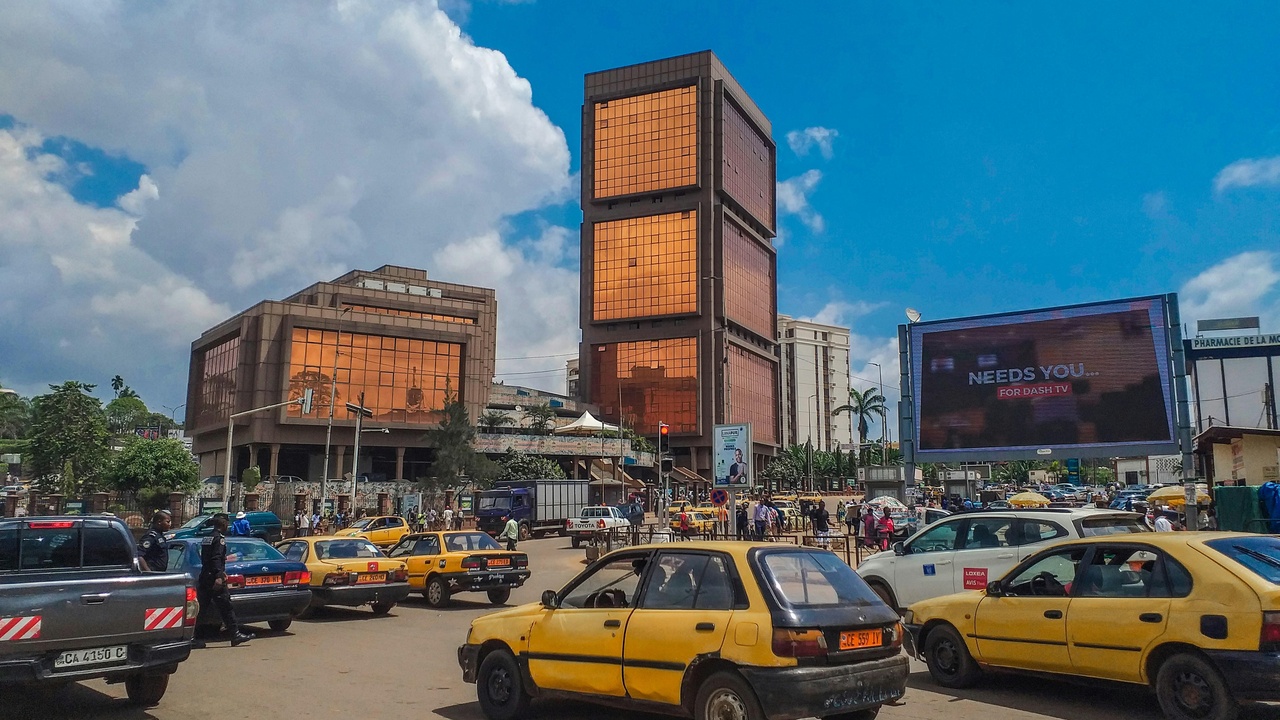
While gaps remain, investments in regional hospitals, universities, and transport projects are improving daily life and expanding opportunities for residents across the country.
9. Improving healthcare hubs and regional access
Health services concentrate in regional hubs, and recent capacity increases mean better access to emergency and specialist care in cities like Yaoundé.
Institutions such as Yaoundé Central Hospital and regional referral centers offer more services than in past decades, while private clinics and NGO programs supplement public care in peri-urban and rural areas.
Practical advice for residents includes registering with a regional hospital, keeping a list of local clinics, and using telemedicine options when available to reduce travel for routine consultations.
10. Educational options and growing tech/entrepreneur hubs
Cameroon’s universities and international schools provide pathways for students and families; institutions such as Université de Yaoundé and various technical institutes train professionals for local job markets.
University towns like Buea have active student-driven tech meetups and small incubators that support startups, while international schools in Douala and Yaoundé serve expatriate families and upwardly mobile locals.
Training programs, hackathons, and local incubators help tie graduates to entrepreneurship and to the growing services sector in urban centers.
Summary
- Cameroon pairs diverse economic pathways—farming, ports, and urban services—with strong cultural life across roughly 250 languages.
- Regional hubs such as Douala and Yaoundé create job opportunities while affordable regional towns offer a comfortable cost of living and easy access to nature.
- Protected areas (Korup, Waza) and features like Mount Cameroon (4,040 m) provide recreation and eco-tourism income for local guides and small businesses.
- Healthcare, higher education, and infrastructure projects are improving access and supporting nascent tech and entrepreneurial communities in university towns.
If you’re considering a move: visit a morning market in Douala, hike Mount Cameroon near Buea, learn basic French or local greetings, and connect with a local cooperative or community group to get a practical sense of daily life and opportunities.