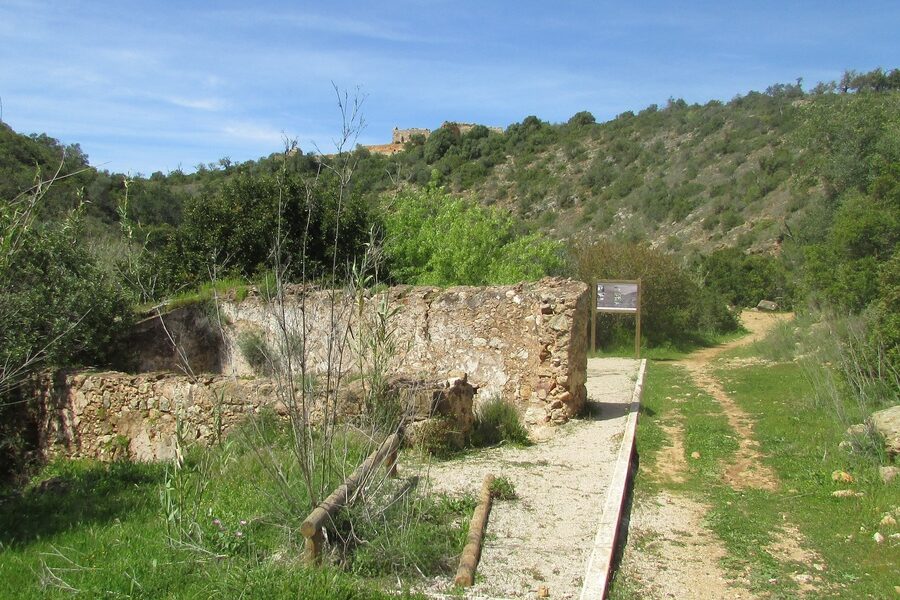
Porto’s historic Ribeira district and the Douro riverside have been a UNESCO World Heritage Site since 1996 — a reminder that this city pairs centuries-old traditions with fast-moving change.
Compact, colorful and a little stubborn, Porto feels like a city that keeps its own rhythm. Narrow cobbled streets, tiled façades and the clang of trams still shape daily life, while contemporary galleries, tech hubs and new cafés appear around the edges.
For many people drawn by culture, lower costs, or remote-work possibilities, weighing the pros and cons of living in porto makes sense before committing. The city proper had roughly 237,591 residents in 2021, which helps explain why neighborhoods feel human-scale rather than sprawling.
Below is a practical, balanced look at five clear advantages and five real drawbacks of living in Porto so you can decide if the city fits your lifestyle and goals. Expect concrete examples, quick data points, and tips you can act on.
Culture, history, and lifestyle (Why people love Porto)

1. Rich cultural heritage and a compact, historic center
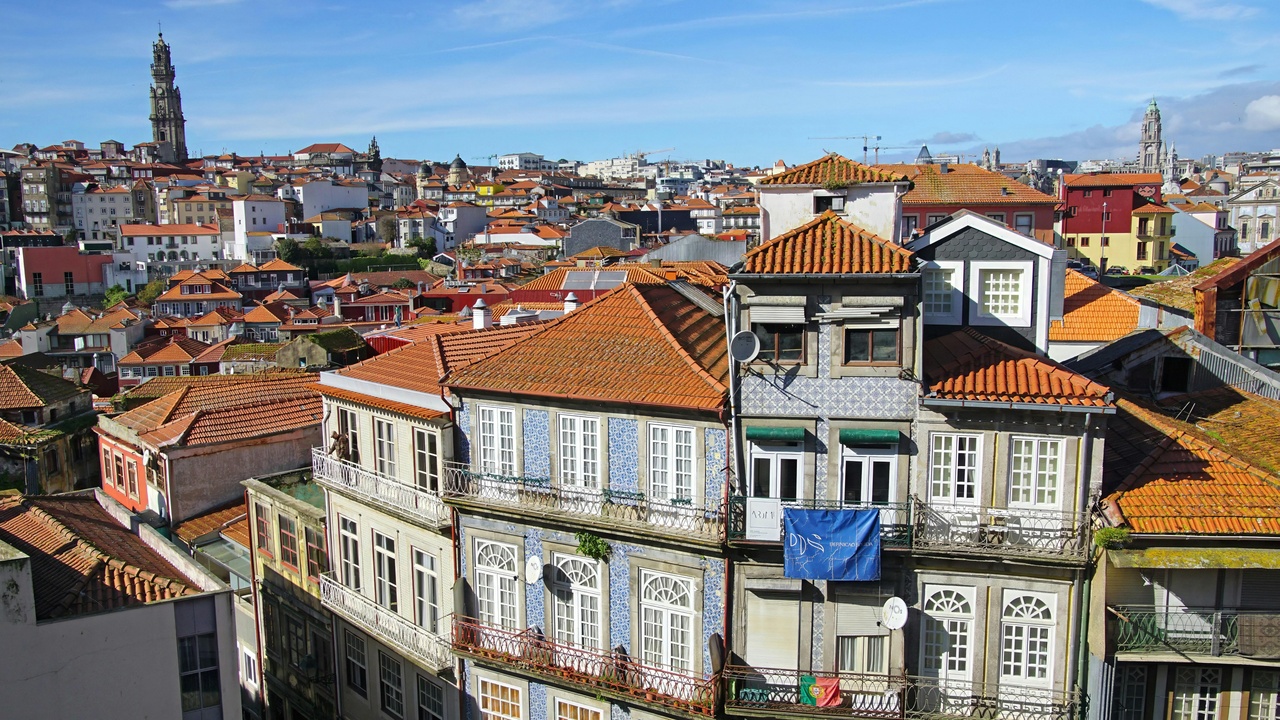
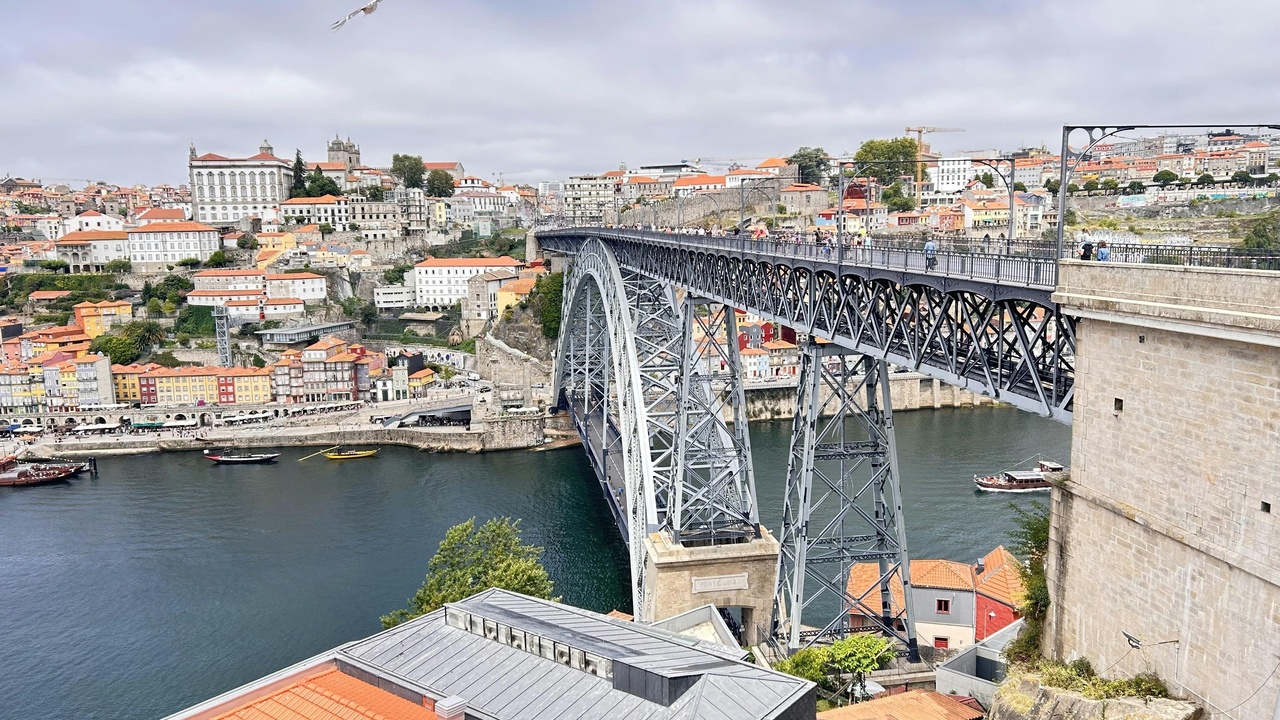
Porto’s history and architecture make daily life visually and culturally rich. The city centre (including Ribeira) earned UNESCO listing in 1996, and landmarks like the Dom Luís I Bridge and São Bento station tiles are part of the everyday backdrop.
Museums such as Serralves stage contemporary exhibitions, while FC Porto match days bring a particular kind of energy to the city. Cobblestones, tram bells and open-air terraces mean culture isn’t only on a brochure — it’s what you pass on the way to work.
2. Walkable neighborhoods and a human-scale city
Porto’s compactness and distinct neighborhoods make it easy to live without long drives. With a city population around 237,591 (2021), commutes inside town are typically short — think 10–25 minutes for many daily trips.
Areas like Cedofeita offer galleries and cafés within a few blocks, Foz do Douro gives seaside walks, and Boavista provides business services — so you can often walk to markets, parks or your favourite coffee spot.
3. Outstanding food and wine scene — Port and beyond
Porto’s culinary identity is a major draw. The Douro wine region was formally demarcated in 1756, and Vila Nova de Gaia’s port wine cellars (Taylor’s, Sandeman) sit just across the river from the city centre.
Local dishes such as francesinha and a wide seafood scene along the river mean eating out is both approachable and memorable. Weekend escapes to Douro quintas for tastings are an easy addition to life here.
Affordability and practical living (Pros for daily life)
4. Lower cost of living compared with Lisbon and many Western European cities
Porto is generally more affordable than Lisbon and many Western European capitals. Rents and some consumer prices are often 30–40% lower than in Lisbon, which helps monthly budgets for singles, students and small families.
Practically, that can mean more disposable income for weekend trips, dining out and savings. Student-friendly areas and neighbourhoods a little further from the river often offer the best value.
5. Efficient public transport and improving connectivity
Porto’s public-transport network supports car-free living. The Porto Metro began service in 2002 and now links key neighbourhoods, the city centre and Francisco Sá Carneiro Airport (about 11 km away).
Buses, a few historic tram lines and suburban rail open up day trips to Braga, Guimarães or the Douro Valley, so weekend escapes and commuting to neighbouring cities are practical without owning a car.
Housing, jobs, and bureaucratic hurdles (Cons to consider)
6. Rising rents and housing shortages in popular neighborhoods
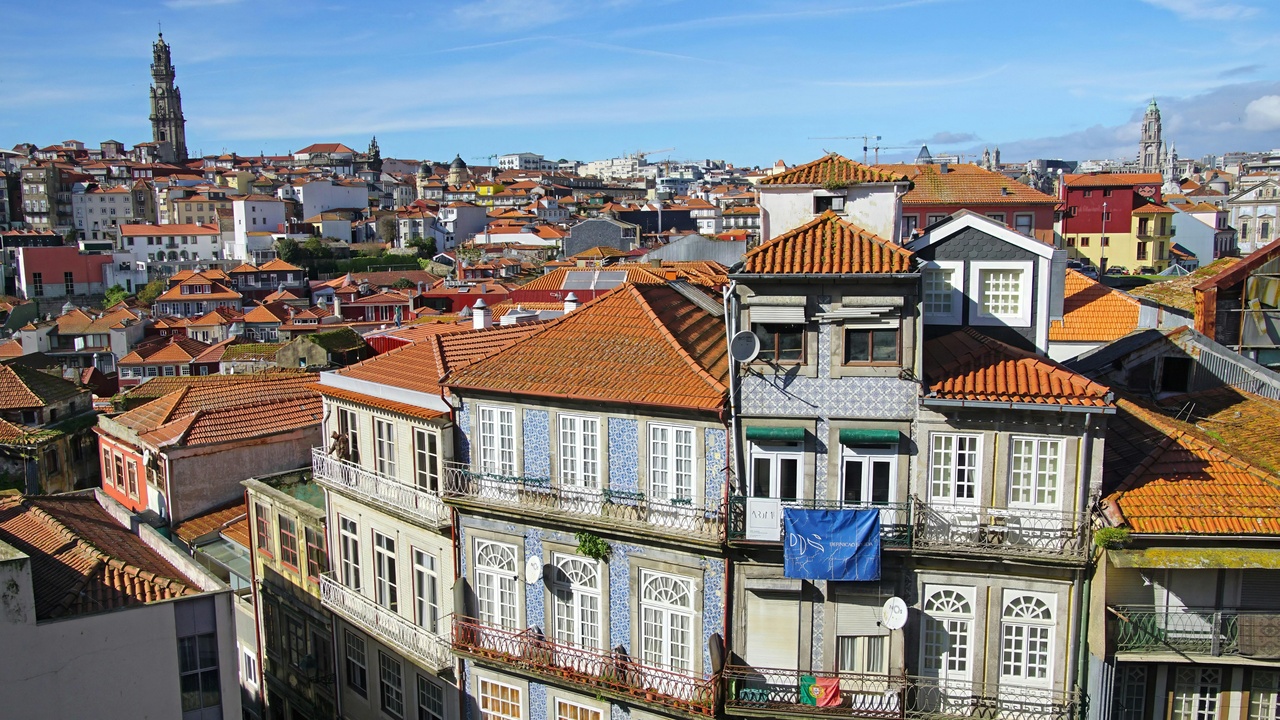
Central neighbourhoods have seen rent increases and falling vacancy, driven by tourism, short-term rentals and foreign buyers. Popular streets in Ribeira, Bonfim and Cedofeita can be competitive when new listings appear.
For apartment hunters, this means budgeting for higher deposits or expanding the search to nearby neighbourhoods. Practical tips: use local platforms and Facebook groups, consider contracts for a full year, and look at cooperative housing or longer-term student lets.
7. Job market limitations and wage gaps in some sectors
Porto’s tech and startup scene is growing — companies such as Farfetch, Critical Software and Sonae have a visible presence — but wages in many local sectors remain lower than in Northern or Central Europe.
Practical responses include targeting international firms based in Porto, doing remote work for foreign employers, or freelancing. For certain roles, Portuguese language skills still matter, so plan skill development accordingly.
8. Bureaucracy: paperwork, residency, and slow administrative processes
Administrative steps can be a friction point. Typical tasks include obtaining a NIF (tax number), opening a Portuguese bank account, registering with Social Security and booking SEF appointments for residence permits.
Expect some waiting and the occasional request for certified translations or original documents. Mitigate delays by using relocation services, bringing originals, and registering with the national health system (SNS) as soon as possible.
Practical downsides: tourism, weather, and transport (Other cons)
9. Tourism crowds during the high season
Popular zones get crowded in summer and on days when cruise ships dock. May–September is the busiest period, and day-trippers can cluster around riverside cafés and landmarks.
That translates to longer waits at restaurants, fuller trams and higher short-term rental occupancy. If you want quieter daily life, consider living outside core tourist strips and visiting sights early in the morning or off-season.
10. Rainy winters and occasional transport disruptions
Porto has an Atlantic-influenced climate with wetter autumns and winters, which brings frequent rainy days and occasional storms. Heavy weather can slow trams and regional trains, and riverside paths get slippery.
Practical steps are straightforward: invest in good rain gear, pick housing with solid insulation or heating, and allow extra travel time during stormy spells. Plan indoor activities for wet months and prioritize flexible work arrangements when needed.
Summary
- Porto offers a strong cultural identity, walkable neighbourhoods and a notable food-and-wine scene anchored by the Douro and Gaia cellars.
- Daily life tends to be more affordable than Lisbon and many Western European cities, and transport links (Metro since 2002, airport ~11 km away) make short trips easy.
- On the downside, expect housing pressure in central areas, wage gaps in some sectors, and bureaucratic steps like obtaining a NIF and SEF appointments.
- Seasonal tourism and wet winters are everyday inconveniences you can often manage by choosing the right neighbourhood and planning ahead.
- Practical next steps: visit for a one-to-two week scouting trip, budget extra for the housing search and paperwork, learn basic Portuguese phrases, and consider remote work while hunting for local roles.