In the 19th century, Thailand (then Siam) was the only Southeast Asian country to avoid long-term colonial rule, an unusual path that helped preserve a rich and continuous cultural identity travelers still experience today.
That preservation shows up in temples, festivals, and food, and it helps explain why Thailand blends dramatic landscapes with warm hospitality. For many travelers, reasons to visit thailand include affordable wellness retreats, powder-white islands, and a street-food scene that rivals any capital in the world.
Below are 12 distinct reasons to plan a trip now, grouped into four categories — Natural Beauty; Culture & History; Food & Cities; Wellness, Affordability & Adventure — to help you mix and match an itinerary that suits your style.
Natural Beauty & Beaches
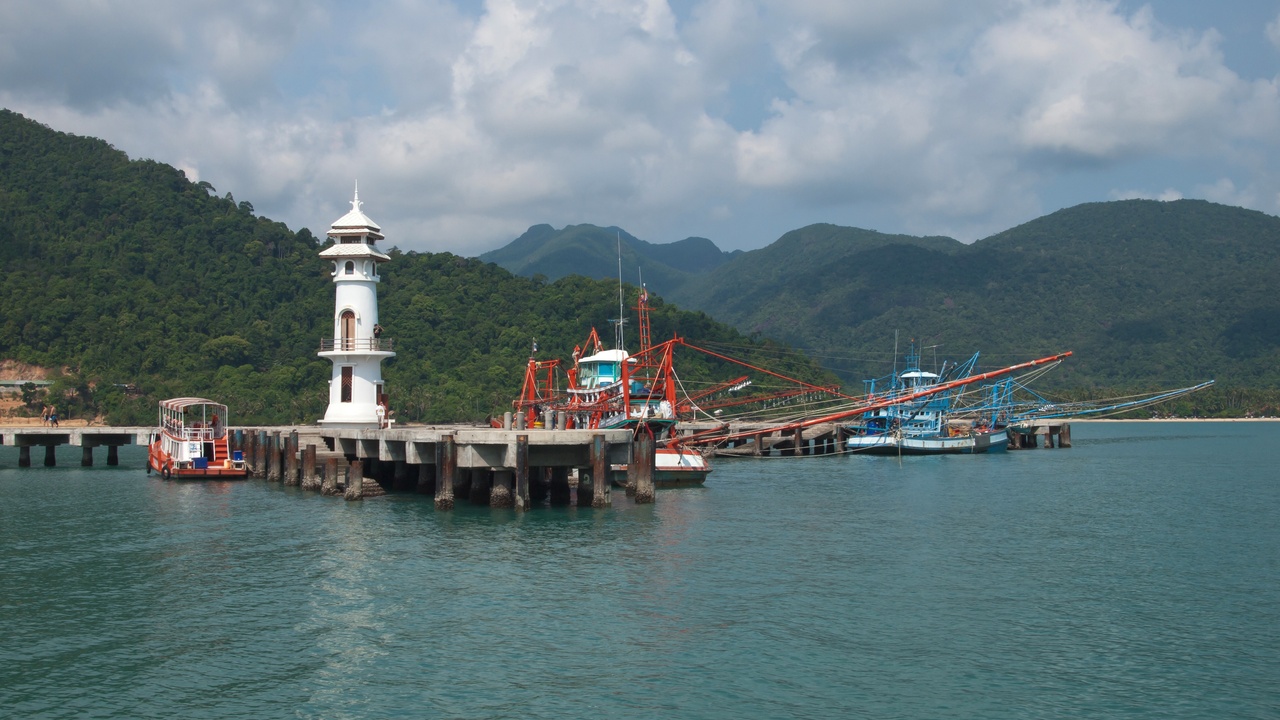
Thailand’s coastline and inland wild places offer sharp contrasts: jagged limestone karsts, long sandy beaches, clear snorkeling water, and lush mountain forests. With roughly 1,430 islands and dozens of national parks, there’s a landscape for almost every traveler.
1. Stunning Beaches and Islands
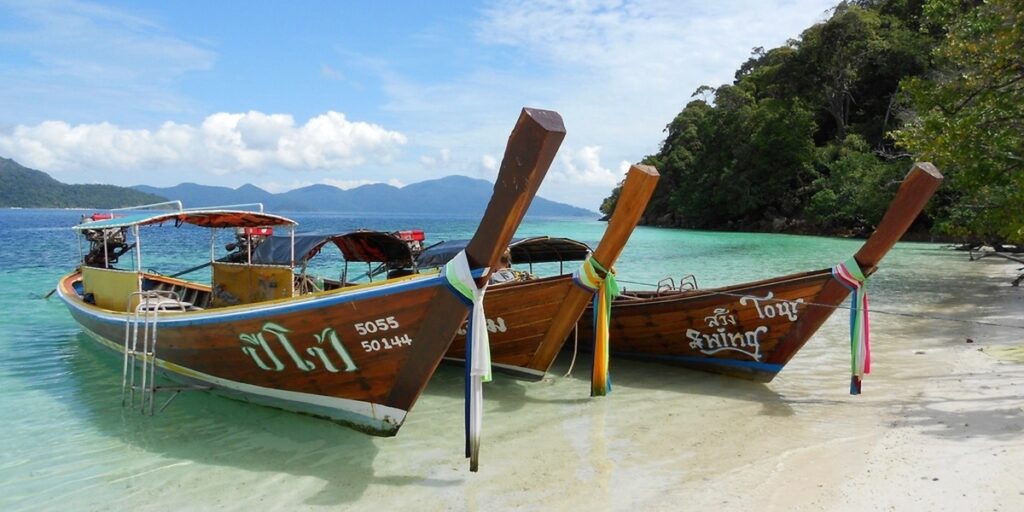
Thailand’s coastline and islands are among its top draws, and the scale is striking — about 1,430 islands off two coasts. Popular white-sand spots include Maya Bay on Koh Phi Phi with its dramatic cliffs, Railay in Krabi with towering rock faces, and Chaweng on Koh Samui for lively beaches.
Travelers choose islands for different reasons: Koh Phangan for Full Moon parties, Koh Lanta and Koh Yao Noi for quiet stays, and Koh Phi Phi for scenery. The best beach weather is generally November–April for both the Andaman and Gulf islands.
2. World-class Diving and Marine Life
Thailand has a strong reputation for diving and snorkeling, from the Similan Islands in the Andaman Sea to Hin Daeng in the south and the dive-friendly bays around Koh Tao. The Similans offer clear water and abundant marine biodiversity.
Visibility and conditions are seasonal, so look for liveaboards around the Similans in high season and choose Koh Tao for affordable PADI and SSI certification year-round. Responsible operators and marine conservation projects are increasingly common — pick operators who support reef protection.
3. Dramatic National Parks and Landscapes
Inland Thailand surprises: ancient rainforest, limestone karsts, tiered waterfalls, and mountain treks. Doi Inthanon, at 2,565 m, is the country’s highest peak and a hotspot for birdwatching and hill-tribe villages.
Khao Sok National Park offers overnight stays on Cheow Lan Lake in floating raft houses, while Erawan’s seven-tiered waterfalls near Kanchanaburi are perfect for a day hike and a swim. These parks suit both short hikes and multi-day treks for wildlife spotting.
Culture, History & Festivals
Thailand’s living traditions and temple culture are visible everywhere — from Bangkok’s ornate shrines to northern morning alms-giving. The calendar of festivals adds color and sensory experiences that make cultural visits memorable.
4. Rich Cultural Heritage and Temples
Temples are active places of worship and social life, not just photo ops. Iconic sites include Wat Phra Kaew and the Grand Palace in Bangkok, Wat Pho with its Reclining Buddha, and the riverside Wat Arun.
Respectful dress (covered shoulders and knees) and quiet behavior are expected at most temples. Participating in a morning alms-giving in Chiang Mai or watching traditional medicine demonstrations at Wat Pho offers cultural depth beyond sightseeing.
5. Vibrant Festivals and Rituals
Thai festivals are sensory and social: Songkran (April 13–15) turns streets into playful water fights, while Loy Krathong (usually in November, lunar-calendar-based) features floating offerings and lantern releases in Chiang Mai (Yi Peng).
Plan your trip around these dates if you want to join the fun, and follow local guidance for safety and respect (use waterproof bags, avoid spraying elders, and check lantern-release regulations). Regional events like Phuket’s vegetarian festival add further variety.
6. Historical Sites and UNESCO Heritage
Thailand’s historical layers stretch from Sukhothai to Ayutthaya, with ancient temples, city ruins, and archaeological sites to explore. There are five UNESCO World Heritage Sites that highlight these eras.
Easy day-trip logistics make it simple to combine sites: take an Ayutthaya trip from Bangkok, rent a bike in Sukhothai Historical Park, or visit Ban Chiang’s museum to see Bronze Age artifacts for a different perspective on Thai history.
Food, Cities & Nightlife
Thailand is a culinary capital and its cities buzz with markets, cafes, and nightlife. Eating well is both accessible and unforgettable, whether you’re sampling street stalls or dining at acclaimed restaurants.
7. World-Famous Street Food and Culinary Variety
Street food is central to Thai life. Signature dishes — pad thai, som tam (papaya salad), tom yum, and mango sticky rice — appear across markets and roadside stalls, plus many regional specialties in Isaan and the south.
Food tours and market walks are a great way to learn what to order and how to stay safe; vendors like Jay Fai have even earned Michelin attention, while chef Gaggan Anand helped raise Thailand’s fine-dining profile internationally.
8. Lively Cities — Bangkok to Chiang Mai
Bangkok blends frenetic energy, riverfront temples, and cutting-edge dining, while Chiang Mai offers a calmer northern pace with craft markets and creative cafés. Both cities are hubs for onward travel.
Use 24-, 48-, or 72-hour urban itineraries to focus your time: take a river cruise and visit the Grand Palace in Bangkok, then head north for temple-hopping in Chiang Mai’s Old City and a nighttime stroll through the Night Bazaar.
9. Night Markets and Nightlife
Night markets are a centerpiece of evening life — food, crafts, and live music mix together. Chiang Mai Night Bazaar and Bangkok’s Rot Fai Market offer different vibes, and rooftop bars like Sky Bar provide city panoramas.
Bargain politely at markets, carry some cash for small sellers, and pick nightlife areas that match your comfort level — family-friendly markets by night, Khao San Road for backpacker energy, and Sukhumvit for clubs and bars.
Wellness, Affordability & Adventure
Thailand’s long wellness tradition, combined with generally low prices and plentiful adventure options, makes it easy to design a restorative or adrenaline-fueled holiday without breaking the bank.
10. Wellness Tourism: Spas and Retreats
Thai massage is globally recognized and you can find everything from budget parlors to luxury resort spas. There are thousands of spa options across the country and many certified Thai massage schools if you want to learn techniques yourself.
Multi-day yoga and detox retreats are common around Chiang Mai and Pai, while Phuket and Koh Samui host island-based wellness packages. Short spa breaks work well between travel legs or after active excursions.
11. Affordable Travel and Value for Money
Thailand delivers strong value across budgets. In 2019 the country recorded roughly 39.8 million international arrivals, which speaks to its broad appeal and competitive pricing for tourists.
Typical backpacker budgets run around $30–50 per day for dorms, street food, and local transport; comfortable midrange travelers might spend $60–120 per day. Street-food meals often cost $1–3, while domestic budget airlines (AirAsia, Nok Air, Thai Vietjet) keep intercity travel affordable.
12. Adventure Activities: Trekking, Muay Thai, and More
Thailand is an active-travel playground with options for all skill levels: trekking in the north, rock climbing in Railay, Muay Thai training camps in Phuket and Chiang Mai, and sea-kayaking in Phang Nga Bay.
Book guided treks to hill-tribe villages, join short or long Muay Thai courses, or sign up for sea-kayak tours that include cave and island explorations. Always check safety records and choose operators who follow sustainable practices.
Summary
- Thailand combines dramatic natural scenery with living cultural traditions and world-class street food.
- Plan seasonally: November–April for beaches, April for Songkran, and November for Loy Krathong.
- High value for money means you can mix a beach stay with a cultural city leg and a wellness retreat without overspending.
- Consider combining at least two categories on your trip — for example, Phuket or Krabi plus Bangkok or Ayutthaya — and book internal flights in advance during high season.