Buenos Aires’s streets still hum with the rhythms of the late 19th‑century immigrant waves that made the city what it is today — tango bars, cafés, and street markets grew out of that era. The result is a city where European‑style architecture, vibrant street life, and unique culinary traditions sit side by side, inviting exploration.
With a city population of roughly 2.9 million and a Greater Buenos Aires of about 15.6 million, there’s scale here: museums, neighborhoods, and nightlife that stay busy late into the night. This guide highlights 12 truly satisfying, authentic experiences — from tango and asado to neighborhoods and river deltas — that capture why Buenos Aires remains one of South America’s most magnetic cities.
Organized into four categories — Culture & Nightlife; Food & Drink; Historic Sights & Neighborhoods; and Outdoor & Unique Experiences — the list focuses on real, non‑filler activities you can enjoy over a long weekend or a longer stay. If you’re searching for cool things to do in buenos aires, consider these as the backbone of an itinerary that mixes evenings, meals, and walks.
Culture & Nightlife
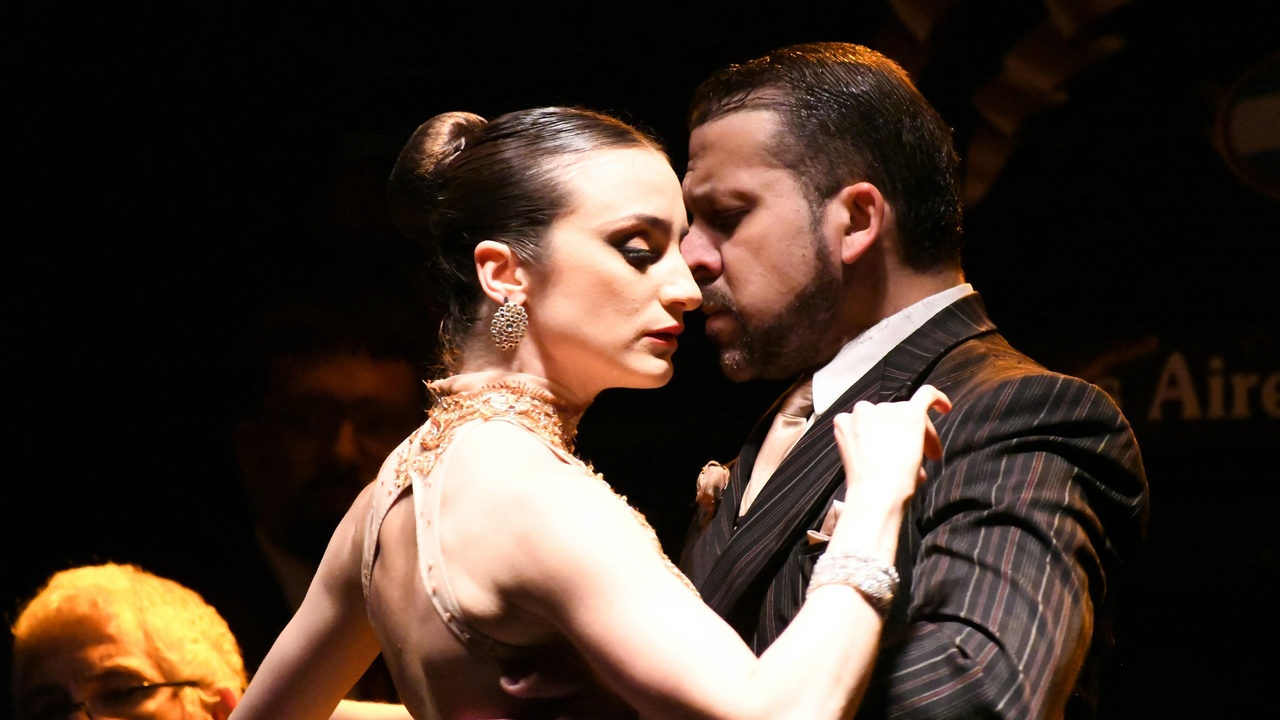
Evenings in Buenos Aires tell much of the city’s story: tango grew on the docks and in immigrant neighborhoods in the late 1800s, while milongas, jazz bars, and late‑night bodegas reflect a long tradition of social nightlife. Neighborhoods have distinct characters after dark — San Telmo’s bohemian lanes and live music, Palermo’s cocktail bars and rooftop terraces — and many venues let visitors both watch performances and join in. Expect late starts (shows and dances often begin after 9pm), a mix of tourist‑friendly and deeply local spots, and a general willingness to stay out until the small hours. These four experiences will give you a rounded sense of Buenos Aires’s evening culture.
1. Attend a live tango show in a classic theater or renovated salon
A live tango show is a must‑do cultural experience: tango emerged in the late 1800s and became a core element of Argentine identity by the early 20th century. Top shows run nightly and ticket packages vary — expect roughly €20–€80 depending on whether dinner is included and how tourist‑oriented the venue is.
Choose between large, polished houses with full productions and intimate historic salons where the focus is on music and connection. La Ventana in San Telmo and Esquina Carlos Gardel in Abasto offer theatrical productions, while Café Tortoni occasionally hosts smaller performances in a historic setting.
Typical show length is 90–120 minutes; dress smart‑casual and book evening slots in advance, especially on weekends. If you want a more local feel, look for smaller venues or pair a show with a post‑performance visit to a nearby milonga.
2. Try a milonga: take one lesson, then dance with locals
A milonga is the local social dance night where visitors can join in after a short lesson. Many milongas begin with a 60–90 minute beginner class (typically €10–€25), then open the floor for social dancing.
Milongas range from tourist‑friendly to strictly local affairs with rigid etiquette. La Viruta in Palermo is great for mixed levels — it runs lessons and an open social scene — while Salón Canning attracts a more experienced crowd with later hours and less hand‑holding.
Brush up on basic etiquette: embrace position, respect the linea de baile (line of dance), and accept the tanda/cola system for song sets. A single lesson will make the evening far more rewarding than attempting to blend in cold.
3. Bar hop in Palermo Soho for craft cocktails and late‑night bars
Palermo Soho is the city’s nightlife hub: a dense grid of restaurants, rooftop terraces, speakeasies, and cocktail bars clustered around Plaza Serrano. The neighborhood’s energy peaks after dinner, when locals and visitors drift between venues.
An easy evening plan is dinner followed by two or three stops: a floristry speakeasy, a craft cocktail bar, and a rooftop for views. Florería Atlántico (consistently ranked internationally) and Isabel Bar showcase inventive cocktails; the streets around Plaza Serrano hide several rooftop terraces.
Cover charges are rare but expect lines at the most famous spots; most places stay open past midnight. Dress casually but neatly — Palermo leans slightly trendy — and consider booking dinner reservations on weekend nights.
4. Catch live local music in San Telmo: tango, jazz, and folk
San Telmo remains the city’s beat for small‑venue music and street performance. The neighborhood hosts weekly jam nights, tango orchestras, and folk ensembles in intimate bars and cafés.
Check local listings or ask at your accommodation for that night’s shows; spots like Thelonious Club specialize in jazz, while Plaza Dorrego fills with performers — especially on weekend afternoons. Many small bars feature folk guitarists or tango trios late into the evening.
Expect modest cover charges (€5–€20) and a relaxed atmosphere. For a true local feel, arrive after dinner and let the night unfold one set at a time.
Food & Drink
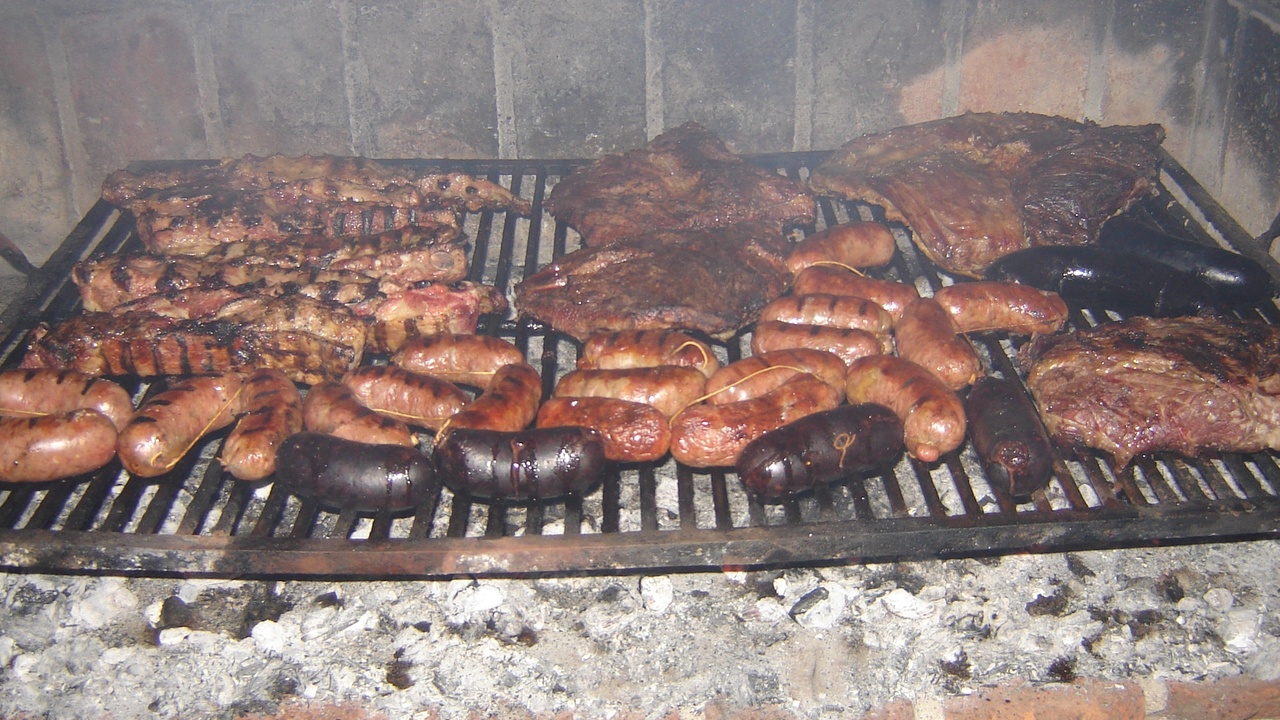
Food is central to life in Buenos Aires: parrillas, historic cafés, bakeries, and bustling markets reflect immigrant influences and local traditions. Beef plays a starring role — Argentina has long ranked among the world’s top per‑capita beef consumers at roughly 50 kg per person per year — and asado (the social barbecue) is as much about gathering as it is about meat.
Historic cafés serve quick morning medialunas or leisurely merienda breaks, while markets like San Telmo and the Feria de Mataderos are ideal for cheap, authentic eats and handicrafts. Below are three ways to taste the city: a classic parrilla asado, market snacks, and café culture.
If you’re compiling a list of cool things to do in buenos aires, try to mix a steakhouse night, a market morning, and a café pause for a fuller culinary picture.
5. Savor an asado at a traditional parrilla
An asado is an essential culinary and social experience: large cuts like bife de chorizo, vacío (flank), ribs, and morcilla are slow‑grilled over wood or charcoal. Argentines’ long history of beef consumption makes the parrilla central to gatherings.
Visit respected parrillas for quality and a safe, well‑executed meal. Don Julio and La Cabrera in Palermo are longtime favorites with attentive service; expect to pay roughly €20–€50 per person depending on cuts and wine selections.
Ask for medium‑rare if you prefer juicier meat, allow 90+ minutes for the meal, and plan to share plates family‑style. Group dining is common, and the relaxed pace makes a steak dinner feel like an event rather than a quick meal.
6. Sample street food and market eats at San Telmo or Feria de Mataderos
Markets are perfect for affordable, authentic flavors. San Telmo’s Sunday market around Plaza Dorrego and the Feria de Mataderos on weekends each host hundreds of stalls selling food and crafts.
Try choripán (grilled sausage sandwich), empanadas, and dulce de leche pastries; street snacks usually cost between €1 and €5. Vendors and artisans offer a lively mix of music, dance, and traditional goods alongside the food.
Go late morning to early afternoon on market days to catch both the best foods and the performances, and bring cash for smaller stalls that may not accept cards.
7. Enjoy café culture: coffee, medialunas, and historic spots
Cafés are woven into Buenos Aires daily life, and many historic venues date back a century or more. Café Tortoni, founded in 1858, is the city’s most famous example and still draws visitors for its atmosphere.
Order a café con leche with medialunas for breakfast or take an afternoon merienda (a coffee and pastry). Las Violetas in Almagro is another elegant option with ornate interiors and traditional service.
Note that some cafés close for a few hours in the late afternoon; plan morning visits or an early merienda. Sitting and watching the street life for half an hour is as much part of the experience as the pastry itself.
Historic Sights & Neighborhoods
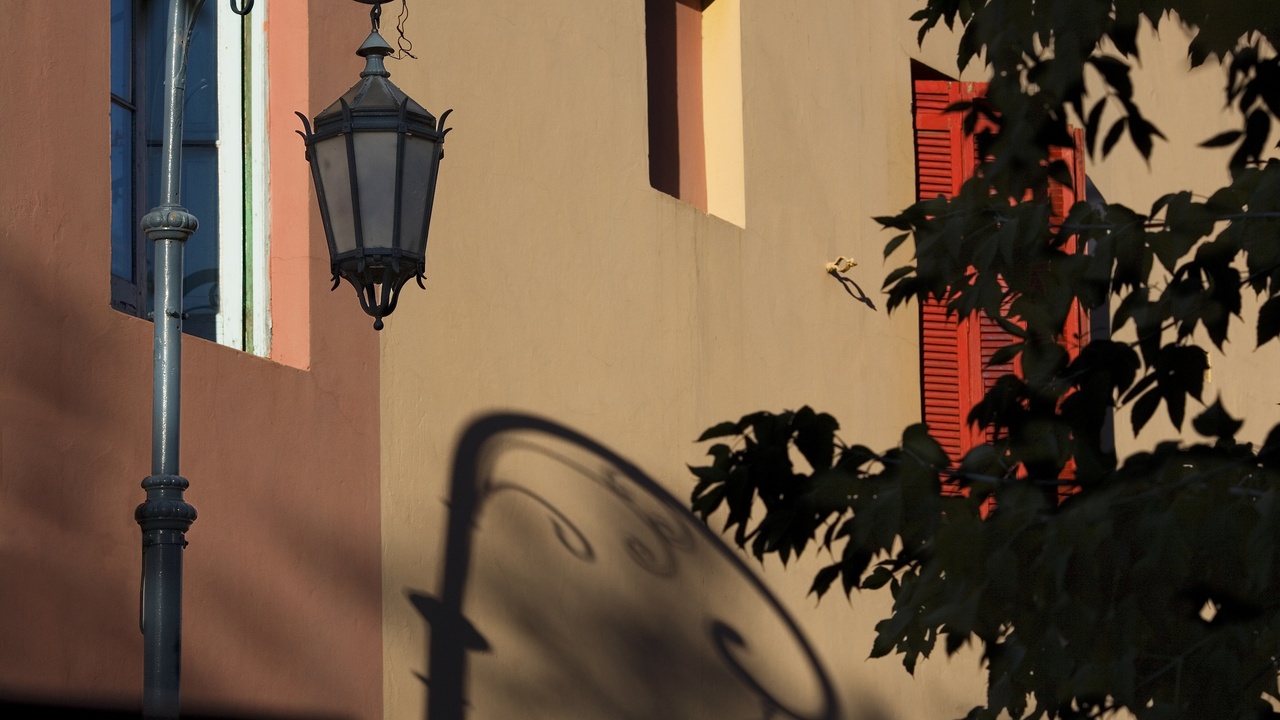
Buenos Aires’s history is layered: Spanish colonial foundations (first in 1536, refounded in 1580), waves of European immigration, and rapid 19th‑ and 20th‑century growth shaped the city. Neighborhoods tell different parts of that story — from working‑class port districts to upscale boulevards and ornate cemeteries — and a few walks deliver the essentials.
Below are three neighborhood experiences that combine architecture, public life, and history: La Boca’s colorful streets, Recoleta’s mausoleums, and the civic core around Plaza de Mayo. Each rewards daylight visits and simple precautions about belongings and timing.
8. Walk through La Boca and Caminito to see colorful houses and street art
La Boca and the pedestrian Caminito are among the most colorful, tourist‑facing parts of the city, full of painted corrugated‑iron houses, buskers, and arts stalls. The area grew from the port’s immigrant communities and still carries that working‑class, creative energy.
Visit during daylight for the best photos, buy souvenirs from artisans, and be cautious with valuables in crowded spots. Fundación Proa offers contemporary exhibitions nearby for a calmer cultural stop.
Access is easy by taxi or a short ride from central neighborhoods; combine the walk with a meal at a nearby parrilla if you want a longer outing.
9. Visit Recoleta Cemetery and the surrounding cultural district
Recoleta Cemetery is an ornate 19th‑century necropolis that functions like an open‑air museum: marble mausoleums, carved angels, and narrow alleys packed with history. Eva Perón’s tomb is among the site’s most visited graves.
Combine a cemetery visit with nearby museums such as the Museo Nacional de Bellas Artes and the weekend crafts market at Plaza Francia. Guided tours of the cemetery provide architectural context and biographies of notable figures.
The area draws both tourists and locals; expect to spend an hour or more wandering the grounds and then to linger at a nearby café or gallery afterward.
10. Explore Plaza de Mayo and take an exterior look at Casa Rosada
Plaza de Mayo is Argentina’s political heart and the scene of key historic events, including the May Revolution of 1810. The pink presidential palace, Casa Rosada, overlooks the square and broadcasts the country’s political life.
Walk the plaza to see the Cabildo and the Metropolitan Cathedral across the way. Free guided tours of some interior rooms at Casa Rosada run periodically — check schedules in advance — and the plaza often hosts demonstrations and civic gatherings.
Daytime visits are best for photography and context; be mindful that security measures can restrict access during major events and that guided tours require prior planning.
Outdoor & Unique Experiences

If city streets feel crowded, Buenos Aires offers quick outdoor escapes: riverfront promenades, ecological reserves, and a nearby delta that feels worlds away. These options are easy to reach and work well as half‑day or full‑day diversions from a downtown base.
This section suggests two curated outdoor experiences — a waterfront walk or bike ride at Reserva Ecológica and a half‑day trip to the Tigre Delta — and includes travel times, what to bring, and how much time to allocate for each.
11. Walk or bike the Reserva Ecológica and Puerto Madero waterfront
The Reserva Ecológica is a quick nature escape within the city, with sandy trails, marshes, and birdwatching along the Río de la Plata shoreline. Walking loops vary; you can plan 1–3 hours depending on your route and pace.
Rent a bike near Puerto Madero to cover more ground and enjoy sunrise or sunset for cooler temperatures and softer light. Several bike rental shops sit along the waterfront, and post‑ride restaurants make for an easy meal afterward.
Bring sun protection and water, and expect the reserve to be busy on weekends. The mix of urban skyline and natural habitat makes for strong photos and a pleasant break from the city center.
12. Take a half‑day trip to the Tigre Delta by train and boat
Tigre is an easy, rewarding half‑day or day trip from Buenos Aires. Take the Mitre Line train from Retiro to Tigre — roughly 45–60 minutes — then connect with boat tours that weave through the delta’s channels and islands.
Options include a half‑day boat tour, a riverside lunch, or renting a kayak for closer exploration. Stroll the Paseo Victorica along the river and visit the Puerto de Frutos market for crafts and local foods.
Allocate 4–6 hours for a relaxed visit, check train schedules before you go, and bring sun protection for the boat. Tigre’s contrast with the urban core makes it a refreshing addition to any itinerary.
Summary
- Mix culture, food, history, and outdoor time to get the most from Buenos Aires’s variety.
- Prioritize authentic experiences: a milonga or tango show, an asado at a parrilla, and a day trip to Tigre.
- Try to include one evening (tango/milonga), one food highlight (parrilla), and one neighborhood walk or day trip when planning cool things to do in buenos aires; reserve popular restaurants and shows ahead of peak season.