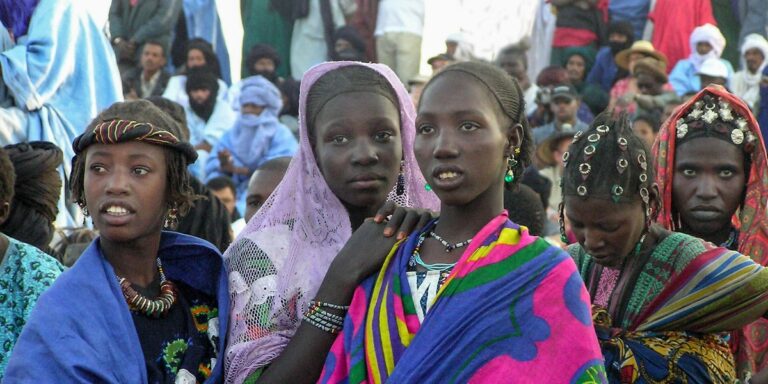
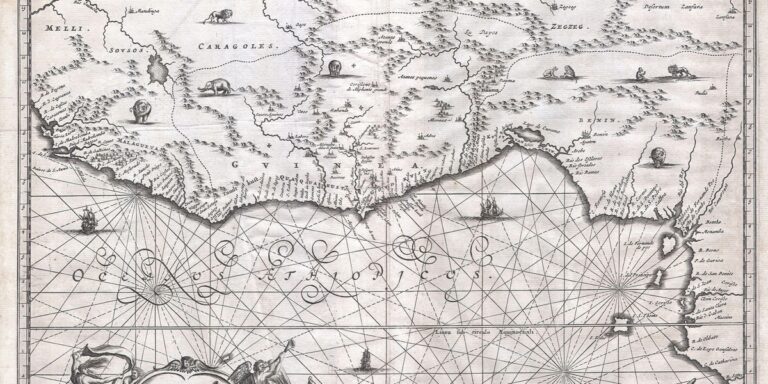
This post lists and describes 28 Dialects in Sudan, organized by Region(s), Language group, and Key features. Each entry highlights where the dialect is spoken, its linguistic family, and distinguishing pronunciation or vocabulary traits — a concise reference for linguists, students, travelers, and anyone curious about Sudan’s rich language tapestry.
Dialects in Liberia: The Complete List

Explore the complete list of Dialects in Liberia — all 17 entries with concise descriptions, estimated speaker numbers, language families, and the regions where each is spoken. This guide reveals Liberia’s linguistic diversity, highlights major dialect groups like Kpelle and Bassa, and provides regional context and resources for further study.
Indigenous Languages in Belarus: The Complete List
Indigenous Languages in Belarus: This post lists the 10 indigenous languages of Belarus, presenting each language’s family, estimated speakers, and primary regions. Whether you’re researching minorities, planning fieldwork, or exploring regional linguistic diversity, this complete list provides concise facts, maps, and links to detailed profiles.
Official Languages in San Marino
This concise guide to the Official Languages in San Marino examines the predominant role of Italian—its legal status, historical roots, and how it functions in government, education, media and daily life. Read on to discover linguistic nuances, minority language use, and practical facts for travelers, students, and anyone interested in the language policy of the world’s oldest republic.
Languages Spoken In Ghana: The Complete List
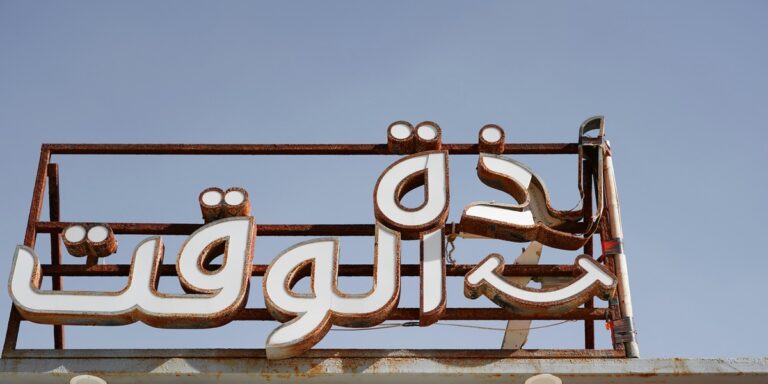
Explore the definitive list of Languages Spoken in Ghana — a comprehensive guide to 25 languages, their language families, estimated number of speakers, and where they’re primarily spoken. Whether you’re a traveler, researcher, or language enthusiast, this post breaks down regional distribution and prevalence to help you understand Ghana’s rich linguistic landscape.
The Complete List of Languages Spoken in Tunisia
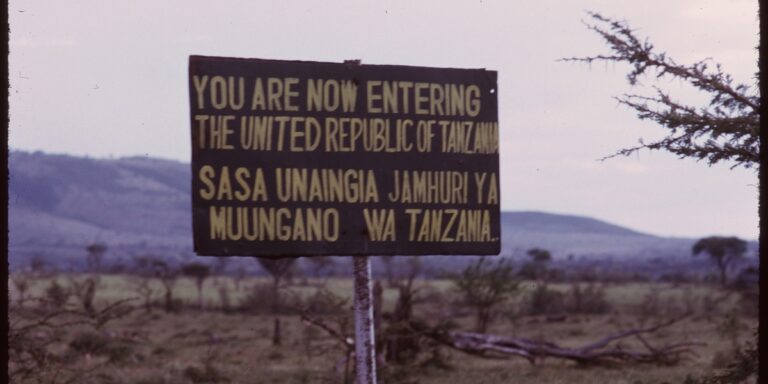
Explore the complete list of languages spoken in Tunisia — a clear guide to 15 languages with estimated speakers, regional distribution, and official or minority status for each. Whether you’re studying Tunisian society, planning travel, or researching linguistics, this post maps Tunisia’s linguistic landscape and shows which languages are used in cities, rural areas, and formal settings.
List of Official Languages in Tanzania

This concise list explains the Official Languages in Tanzania — Swahili (Kiswahili) and English — outlining each language’s legal status, common domains of use (government, education, media, business), and approximate speaker numbers. Read to understand how Swahili functions as the national lingua franca while English remains important in formal and higher-education contexts. Useful for travelers, students, and researchers.
Indigenous Languages of the Republic of the Congo

This guide explores Indigenous Languages in Congo (Republic of the Congo), detailing major language families, regional distribution, and speaker estimates across the country. Learn about cultural significance, current vitality, and preservation efforts with concise profiles and maps for researchers, educators, and language enthusiasts.
Dialects in Uzbekistan: The Complete List
Explore the complete list of Dialects in Uzbekistan, detailing 15 regional varieties of Uzbek and related Turkic languages. This comprehensive guide maps each dialect to its region and highlights notable phonetic, lexical, and grammatical features — ideal for linguists, travelers, and language lovers. Includes examples, regional notes, and tips for recognizing dialectal differences.
Indigenous Languages in Ireland: The Complete List
Explore this complete list of the 15 Indigenous Languages in Ireland, including detailed status labels, estimated speaker counts, and the regions where each is spoken. This guide highlights Gaeltacht communities, minority languages, and historical dialects — ideal for students, researchers, or anyone interested in language preservation. Click to discover concise facts, maps, and resources to learn or support these languages.