The Republic of the Congo’s landscapes — from riverine towns to forested plateaus — are shaped as much by people as by place, and the languages spoken there carry family histories, trade vocabularies, and local knowledge. Listening to local speech gives a quick sense of the country’s cultural variety.
There are 12 Indigenous Languages in Congo (Republic of the Congo), ranging from Aka to Yombe; for each language, details on Family, Region, and Speakers you’ll find below.
How reliable are the speaker numbers listed?
Speaker counts come from a mix of census data, field surveys, and linguistic studies and can vary by year and method; treat them as useful estimates rather than exact totals, and check the date or source note in the table below for currentness.
Are any of these languages at risk, and what factors affect their vitality?
Some languages have relatively small speaker bases and face pressure from dominant national or regional languages, urban migration, and changing education policies; the table’s Speakers column plus local language-use notes will help you gauge which are most vulnerable and where revitalization efforts may be happening.
Indigenous Languages in Congo (republic of the Congo)
| Name | Family | Region | Speakers |
|---|---|---|---|
| Kongo | Bantu – Niger-Congo | Kouilou;Pointe-Noire;Niari;Bouenza;Pool | 650,000 |
| Lingala | Bantu – Niger-Congo | Brazzaville;Pool;Sangha;Likouala;northern regions | 400,000 |
| Teke | Bantu – Niger-Congo | Plateaux;Pool;Cuvette;central regions | 250,000 |
| Mbochi | Bantu – Niger-Congo | Sangha;Cuvette;Likouala;north-central regions | 180,000 |
| Laari (Lari) | Bantu – Niger-Congo | Pool;Brazzaville;surrounding districts | 200,000 |
| Vili | Bantu – Niger-Congo | Kouilou;Pointe-Noire;Loango coast | 110,000 |
| Yombe | Bantu – Niger-Congo | Kouilou;Pointe-Noire;Niari | 85,000 |
| Sundi | Bantu – Niger-Congo | Niari;Kouilou;Bouenza | 70,000 |
| Mboshi | Bantu – Niger-Congo | Cuvette;Likouala;Sangha | 65,000 |
| Punu | Bantu – Niger-Congo | Niari;Kouilou border areas | 40,000 |
| Aka | Central African Pygmy (Ubangian/Bantu-influenced) | Sangha;Likouala;northern forest zones | 6,500 |
| Baka | Central African Pygmy (Bantu-influenced) | Sangha;Likouala;border forest areas with Gabon | 4,500 |
Images and Descriptions

Kongo
Major Bantu language of southwestern Congo, spoken in coastal provinces and towns. Generally vigorous in rural and many urban communities, though speakers often mix with French and Lingala; several dialects link it to Kongo populations across borders.
Lingala
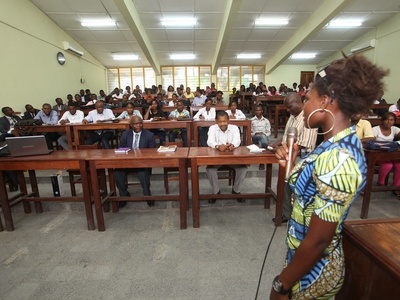
Widespread Bantu lingua franca in northern and central Congo; many people speak it natively in cities and river communities. Vigorous in media, music, and daily life, but French dominates official domains.
Teke
Cluster of closely related Teke varieties across central provinces. Strong oral traditions and local use sustain many varieties, though some smaller Teke varieties are vulnerable where Lingala or French exert influence.
Mbochi
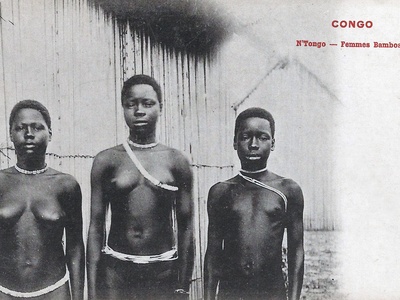
Northern Bantu language family important among Mbochi peoples. Remains actively used in rural areas; younger speakers in towns increasingly shift toward Lingala and French for wider communication.
Laari (Lari)
Also called Lari, this Kongo-related language is prominent in the Pool region and Brazzaville suburbs. Widely used locally and in commerce; generally vigorous though urbanization brings language mixing.
Vili
Coastal Bantu language with historic links to the Loango kingdom, spoken around Pointe-Noire and nearby villages. Vital in local communities but influenced by urban French and national lingua francas.
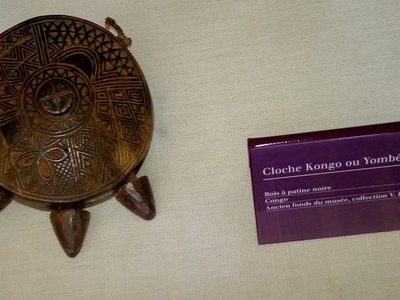
Yombe
Part of the broader Kongo cluster with cultural significance in southwestern Congo. Commonly used at home and in local ceremonies; maintains transmission though urban migration reduces monolingual speakers.
Sundi
Central-south Bantu language spoken in Niari and adjacent provinces. Locally robust in many villages, but considered vulnerable where young people adopt Lingala or French for social mobility.
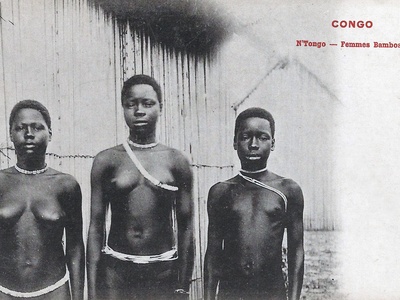
Mboshi
Northern Bantu language related to Mbochi groups, used in several northern districts. Fair vitality in rural settings, with incremental shift to regional lingua francas in larger towns.
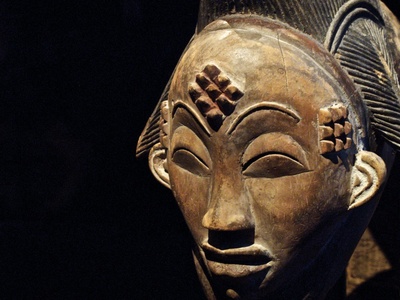
Punu
Predominantly found near the Gabon border in southern provinces; Punu communities retain strong oral culture, though urban migration and schooling in French contribute to gradual language shift.
Aka
Language of Aka Pygmy communities in the northern forests; severely endangered with few native speakers and intense pressure from neighboring Bantu languages and national languages.
Baka
Spoken by Baka Pygmy groups in forested border regions; endangered as many Baka shift toward larger neighboring Bantu languages and French, and intergenerational transmission weakens.