Paraguay is one of the few countries in the Americas where an Indigenous language is spoken daily by most of the population, and where a cold herbal drink works as a social contract. Its traditions come from Guaraní roots, Spanish colonial Catholicism and the Jesuit missions, and they are still practiced, not staged for visitors.
This guide covers the traditions that matter most, where to see them, when they happen, and how to take part without embarrassing yourself.
Table of contents
- Language and identity
- Food and drink
- Music and dance
- Crafts
- Religious and calendar celebrations
- Jesuit mission heritage
- Paraguayan traditions by month
- Etiquette: tereré and greetings
Language and identity
Guaraní
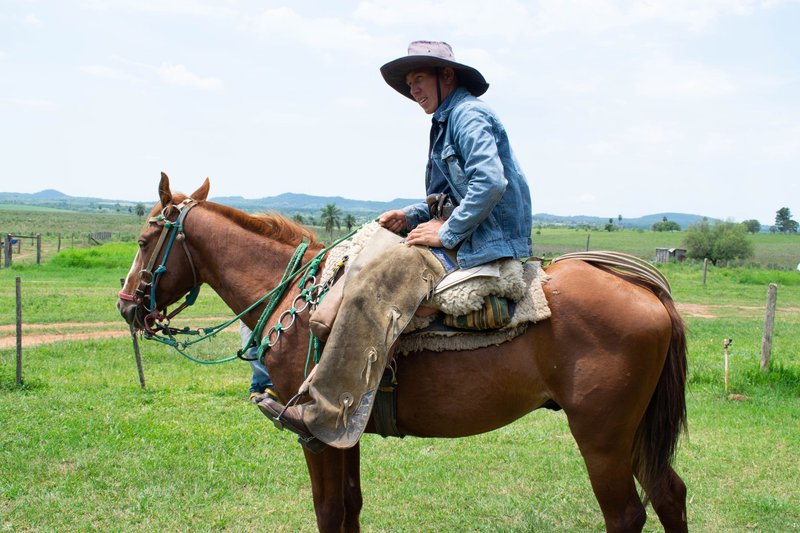
Spanish and Guaraní are both official languages, and Guaraní is the one people use at home, in markets and in jokes. Most Paraguayans speak it, many of them as a first language, and a mix of the two called Jopara is what you hear on the street. Place names, food names and plants carry Guaraní words: ñandutí, ao po’i, chipa, yuyo.
You don’t need to speak it. Still, learning mba’éichapa (“how are you?”) and iporã (“good”) earns an immediate smile, because foreigners rarely try.
Food and drink
Tereré
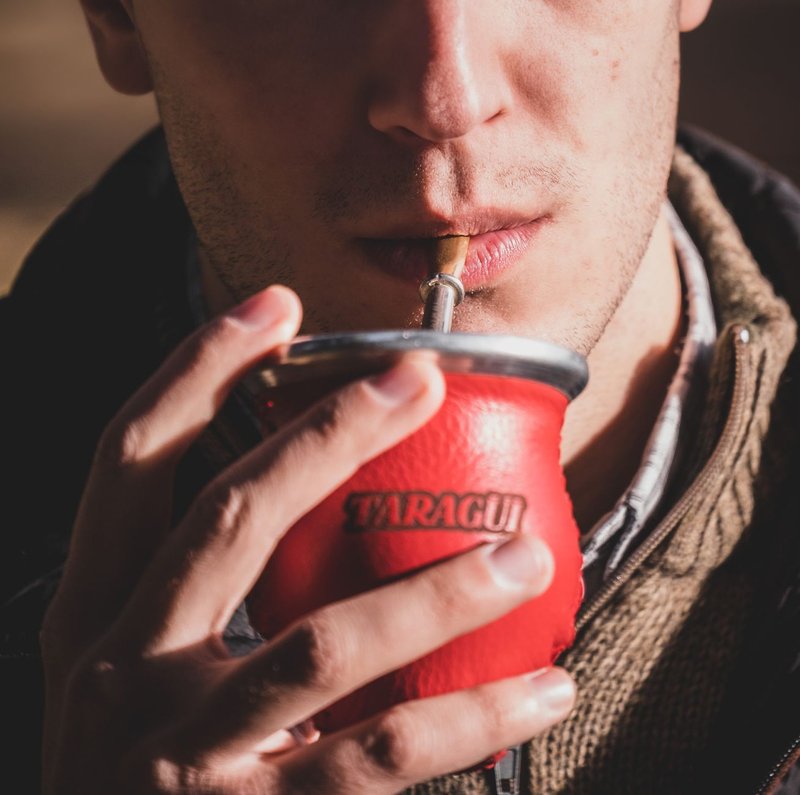
Tereré is yerba mate steeped in cold water instead of hot, drunk through a metal straw (bombilla) from a horn or wooden cup (guampa) or a plastic one, and it is the closest thing Paraguay has to a national habit. People carry a thermos under one arm, in offices, on buses, at construction sites. Many add yuyos, medicinal herbs such as mint or lemongrass, so a pharmacy-style stall in the market often sells them by the bunch.
It is also a group activity. One person, the cebador, pours and passes a single guampa around the circle. Tereré culture was added to UNESCO’s Representative List of the Intangible Cultural Heritage of Humanity in 2020, and you’ll see the circle anywhere in the country from Asunción’s parks to roadside stalls.
Chipa
Chipa is a baked bread made from cassava starch, cheese, eggs and anise, and it is sold hot from baskets at bus stops and at every Easter market. The version most people eat daily is dense and chewy. Chipa guasu, a corn and cheese cake, is a separate dish and shows up at family meals.
Sopa paraguaya
The name is a trap: it is not a soup. Sopa paraguaya is a firm cornbread baked with cheese and onion, said to have been created when a cook added too much cornmeal to a soup and baked it anyway. It is the centerpiece of Holy Week meals and sold in slabs all year.
Music and dance
Polka paraguaya and guarania
The Paraguayan polka is faster and warmer than its European cousin, played to a three-beat feel with a lot of bounce. Guarania is its slow, melancholic counterpart, created by composer José Asunción Flores in the 1920s. If one song defines it, it is “India”, and you’ll hear it at every folk night.
The Paraguayan harp
The Paraguayan harp is played with the fingernails and has a light, rippling sound, thinner and brighter than the concert harp. It is the lead instrument in nearly every folk ensemble, and street musicians in Asunción often play it for tips.
Danza de la botella
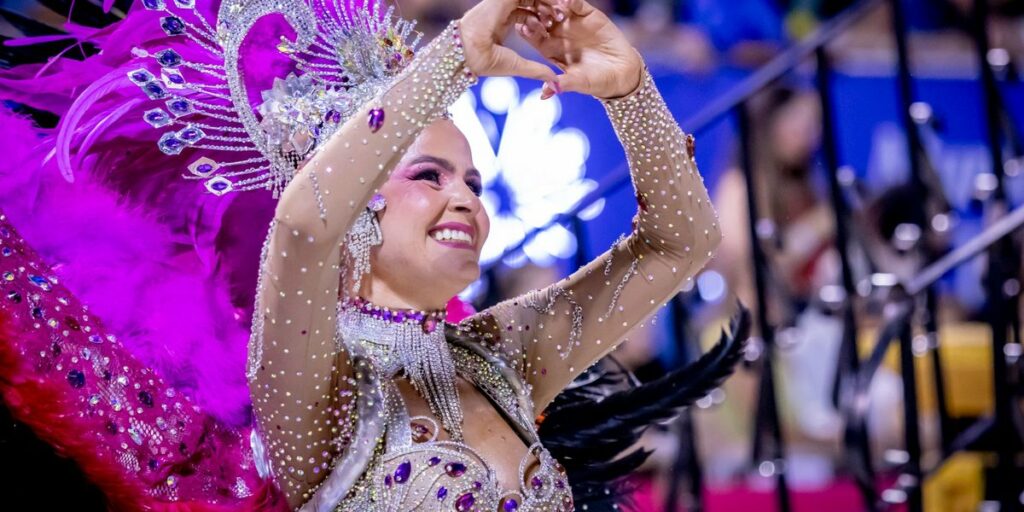
In the bottle dance, women balance stacked bottles on their heads while stepping through a polka, sometimes up to a dozen or more. The trick is not the balance alone but staying relaxed enough to keep smiling. Look for it at folklore shows, weddings and national festivals.
Crafts
Ñandutí lace
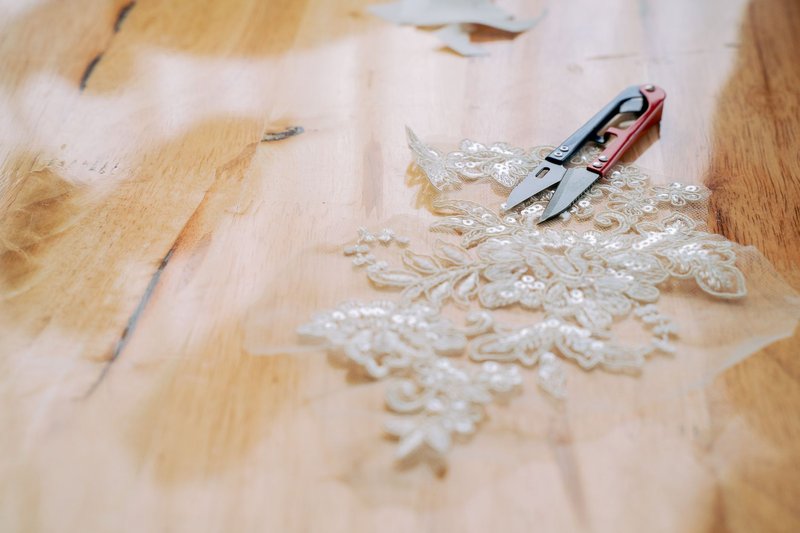
Ñandutí means “spider web” in Guaraní, and the lace is exactly that: circular, hand-embroidered motifs stitched on a fine thread frame, often in vivid colors. The center of production is Itauguá, a town about 30 km east of Asunción. The town holds a Festival del Ñandutí each July, and its museum and street stalls are the best place to see the technique being done, not just sold.
Ao po’i
Ao po’i (“fine cloth”) is a lightweight cotton fabric with embroidered white-on-white or colored stitching. It is worn in shirts and dresses at folk events. Yataity in the Guairá department is its traditional home.
Ajaká
Ajaká are woven baskets and bags made from palm fiber or other plant material. They’re practical, cheap and made across rural communities, which makes them a better buy than a fridge magnet.
Religious and calendar celebrations
Virgen de Caacupé (8 December)
The biggest annual event in the country. On 8 December, hundreds of thousands of pilgrims gather at the basilica in Caacupé, about 55 km east of Asunción, for the feast of the Immaculate Conception. Many walk from Asunción or farther, starting days before. The town is packed, the streets are lined with food stalls, and the mass is open air.
Semana Santa and Judas Kai
Holy Week is quiet and food-focused. Families eat chipa and sopa paraguaya, and meat is avoided on Good Friday. On Holy Saturday many communities burn an effigy of Judas in a bonfire, a custom known as Judas Kai, which turns the end of the week into something closer to a street party.
San Juan fire festivals (23 to 24 June)
San Juan is the other big night. Communities light bonfires and play games with fire, including a ball of burning cloth thrown between players (pelota tata) and, in some places, walking over embers (San Juan ahá). Food, music and a lot of cheering fill the evening. It’s best seen in a village, where the participants know the rules.
Misa del Gallo and the 5 January shoes
On 24 December, families attend the midnight “Rooster’s Mass” and then eat late. Children also leave their shoes out on the night of 5 January for the Three Kings, a tradition that mixes European and local customs, and the next morning means gifts. The Afro-Paraguayan community of Kamba Kuá in Fernando de la Mora celebrates San Baltazar around 6 January with masked dancers.
Jesuit mission heritage
From the 17th century, Jesuits organized Guaraní communities into mission towns (reducciones) in what is now Paraguay, Argentina and Brazil. Two of the best-preserved Paraguayan sites, La Santísima Trinidad de Paraná and Jesús de Tavarangué near Encarnación, are on UNESCO’s World Heritage List. San Ignacio Guazú, farther north, houses a museum of mission-era wooden sculpture that is among the best collections in the country. Guaraní baroque music is still performed in the region, a sound that shaped much of what Paraguayans now call folk.
Paraguayan traditions by month
| Month | Tradition | Where |
|---|---|---|
| Early January | Three Kings shoe tradition (5 Jan), San Baltazar (around 6 Jan) | Nationwide, Kamba Kuá |
| March or April | Semana Santa, sopa paraguaya, chipa, Judas Kai | Nationwide |
| June | San Juan fire festivals (23 to 24 June) | Towns and villages |
| July | Festival del Ñandutí | Itauguá |
| December | Virgen de Caacupé (8 Dec), Misa del Gallo (24 Dec) | Caacupé, nationwide |
| All year | Tereré circles, polka and guarania nights | Everywhere |
Exact dates for the Ñandutí festival and local fairs change from year to year, so check with the local tourism office before planning around them.
Etiquette: tereré and greetings
Some rules are unwritten but consistent.
- Take your turn and drink it all. When the guampa reaches you, drink the whole serving, then hand it back to the cebador. Don’t sip and pass it on.
- Don’t say thanks until you’re done. In a tereré circle, “gracias” means you don’t want another round. Say it too early and you’re out.
- Don’t touch the bombilla. Don’t move it or stir the herbs.
- Greet everyone. A handshake or a cheek kiss, depending on closeness, is the norm on arrival and departure. Walking into a room and skipping the greeting reads as rude.
- Accept invitations. A refused chipa or tereré can sound like a refused friendship.
Where to start
If you have one day, go to Itauguá for lace, then eat sopa paraguaya for lunch. If you have a week, add Caacupé, Yataity and the mission ruins near Encarnación. The traditions in Paraguay aren’t hidden behind a ticket counter. They’re passed around in a circle, and the only requirement is that you sit down.