Ireland’s patchwork of green fields, stone monuments and Atlantic islands holds layers of human history — from Neolithic ritual landscapes to early medieval monastic settlements. A short, focused list helps you see which places are protected for their outstanding universal value and why they matter today.
There are 3 World Heritage Sites in Ireland, ranging from Brú na Bóinne to Skellig Michael; for each you’ll find below the Location,Year inscribed,UNESCO criteria and a brief note to help plan a visit or understand its significance — you’ll find below.
How can I plan a visit to these sites?
Check official visitor pages before you go: some sites have limited access, timed entries, or seasonal boat trips (Skellig Michael requires weather-dependent boat transfers and advance booking), while others offer visitor centres and guided tours. Allow extra time for travel, respect conservation rules, and book tickets or tours in advance when possible.
What makes these sites UNESCO-listed?
UNESCO designation reflects a site’s cultural or natural importance — for example, Brú na Bóinne for its Neolithic passage tombs and ritual landscape, and Skellig Michael for its well-preserved island monastery and landscape context. The listings show global significance based on specific UNESCO criteria and comparative value.
World Heritage Sites in Ireland
| Name | Location | Year inscribed | UNESCO criteria |
|---|---|---|---|
| Giant’s Causeway | County Antrim, near Bushmills, Northern Ireland | 1986 | Exceptional basalt column formations and coastal geology (natural) |
| Brú na Bóinne | County Meath, near Drogheda, Republic of Ireland | 1993 | Outstanding Neolithic passage tomb complex (cultural) |
| Skellig Michael | County Kerry, near Portmagee, Republic of Ireland | 1996 | Early Christian monastic settlement on a rugged island (cultural) |
Images and Descriptions
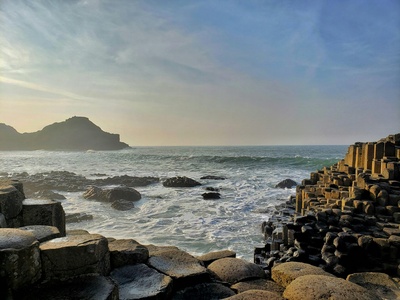
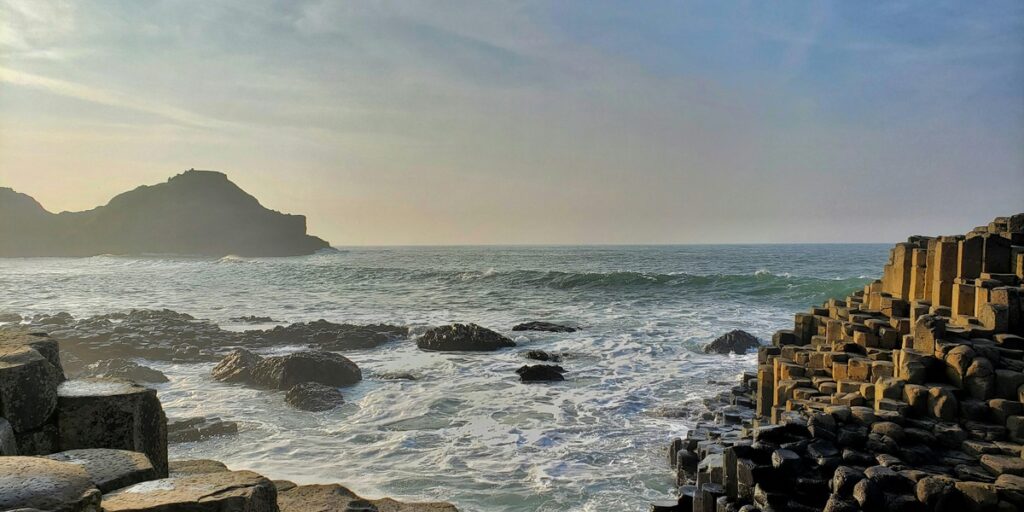
Giant’s Causeway
A dramatic natural site of ~40,000 interlocking basalt columns formed by ancient volcanic activity. Famous for hexagonal pillars and coastal scenery, inscribed in 1986. Visitor centre, walking trails, and coastal views make it a must-see on Northern Ireland’s Causeway Coast.
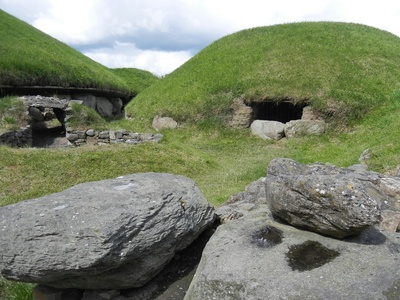
Brú na Bóinne
Neolithic ritual landscape featuring monumental passage tombs at Newgrange, Knowth and Dowth. Remarkable prehistoric art, winter solstice alignment at Newgrange, and extensive burial mounds. Inscribed in 1993; guided tours and visitor centre explain archaeology and significance for visitors.
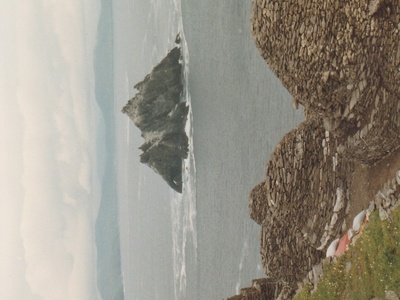
Skellig Michael
Remote 6th–8th century monastic complex perched on a steep granite island with intact beehive huts and stone terraces. Inscribed in 1996, it’s prized for archaeology and dramatic seascapes; boat trips and guided landings are seasonal and weather-dependent.