For centuries, communities across Ireland have marked the turning of seasons and life’s milestones with rituals that blend pre-Christian customs, Catholic practice, and local innovations.
These traditions in Ireland—seasonal festivals, music and language practices, community rituals, and hospitality customs—still shape daily life, identity, and tourism across the island.
The list below highlights 10 of the most important customs, grouped into four categories: seasonal festivals, family and community rituals, language and music, and food and household traditions. Expect dates like March 17 and Oct 31–Nov 1 to reappear.
Seasonal and Celtic Festivals
Many Irish customs follow the old Celtic calendar—Samhain and Bealtaine—while Christian feast days layered new meanings on those dates. The result is a continuity from ancient rites to modern pageantry. Fire, procession and community gatherings still mark seasonal thresholds, and festivals now draw both locals and visitors, mixing heritage with contemporary entertainment.
Tourism plays a role: town parades bring hotel nights and café trade, while small village events keep the rituals living. Below are three key seasonal celebrations you’ll encounter across the island.
1. Samhain (Oct 31–Nov 1) — The Celtic New Year
Samhain marks the end of the harvest and the Celtic new year, a festival with roots stretching back more than 2,000 years. Historically it was a liminal night when people lit bonfires, left offerings for spirits, and dressed in disguise to confuse wandering souls.
Bonfires were practical as well as symbolic—used to purify fields, protect livestock and mark boundaries before winter. Modern Halloween customs in Ireland grew from these practices, and regional Samhain events such as the Púca festival blend costume, storytelling and parades for both community and tourists.
2. St. Patrick’s Day (March 17) — Patron Saint and National Celebration
March 17 is St. Patrick’s Day, Ireland’s chief national celebration. St. Patrick, a fifth-century missionary, came to symbolize Ireland’s Christian history and cultural identity.
Parades, Masses and the familiar green iconography sit alongside concerts, family gatherings and street festivals. Dublin’s multi-day St. Patrick’s Festival regularly draws hundreds of thousands of attendees, boosting hotels, restaurants and local vendors. The holiday also has an outsized diaspora presence—cities in the U.S., Canada and Australia stage large parades and community events that keep connections alive.
3. Bealtaine/May Day (May 1) — Welcoming Summer
Bealtaine, observed on May 1, marks the traditional start of summer and was once one of the four major Celtic festivals. Livestock were driven between fields, and community bonfires were lit to protect animals and encourage growth.
Today you’ll find revived Bealtaine gatherings, May Day fairs and community fire events—now run with safety measures and often framed as cultural heritage weekends. Small towns use these occasions for seasonal markets, music and family-friendly activities that attract visitors interested in rural life.
Family, Community and Social Rituals
Many Irish traditions spring from parish and family life. Wakes, house gatherings and local clubs create day-to-day networks that tie people together in both rural and urban settings.
The Gaelic Athletic Association (GAA), parish halls and ceilidhs provide regular social rhythms: games on the weekend, fundraising nights during the week, and music or dance sessions that pass on repertoire. These rituals support identity, volunteerism and local economies.
4. The Irish Wake — Mourning, Storytelling, and Community
The Irish wake is a family-centred ritual that blends mourning with storytelling and communal care. Traditionally the body lay at home or in the local hall and neighbours came to keep watch, share tea and food, and tell stories about the deceased.
Wakes could last a day or several days in rural areas. Practical hospitality—tea, soda bread, sandwiches and cakes—kept vigils going, while music and anecdotes preserved family memory. A priest or celebrant often led prayers, but the social aspect was as central as the religious one. Wakes continue to bind communities and appear frequently in Irish literature and film.
5. Gaelic Athletic Association (GAA) — Sport as Local Glue
GAA clubs run Gaelic football and hurling at parish and county levels and act as social hubs for youth and adults. The organisation relies heavily on volunteers and club nights, with several hundred thousand members across Ireland and the global Irish community.
Match days—especially during the All-Ireland Senior Championships—bring big crowds, local fundraisers and business for pubs and shops. At the grassroots level, underage coaching and club events sustain community life and give young people a sense of belonging and purpose.
Language, Storytelling and Music
Music, language and the oral tradition carry much of Ireland’s memory. Pub sessions, seanchaithe and Gaeltacht communities keep local speech and song alive across generations.
Efforts to revive Irish include Gaelscoileanna and media in Gaeilge, while nightly sessions and storytelling festivals ensure the repertoire remains a living practice rather than a museum piece.
6. Traditional Music Sessions — Pub Culture and Passing Tunes Along
A traditional music session is an informal gathering of musicians playing tunes in pubs or community halls. Common instruments include the fiddle, uilleann pipes, button accordion, bodhrán and tin whistle.
Sessions support instructors, instrument makers and venues, and they’re a major draw for cultural tourism. Famous spots include The Cobblestone in Dublin and Matt Molloy’s in Westport (the latter run by the Flannery family), where visitors can hear both local and touring players. Session etiquette—listen, don’t interrupt, and follow the lead—helps pass repertoire from one generation to the next.
7. The Irish Language (Gaeilge) — Revival and Everyday Use
Irish remains a strong cultural marker and is taught in schools and spoken in Gaeltacht areas. Recent census figures show roughly 1.7–1.8 million people reporting some ability to speak Irish, while daily speakers number around 70–80 thousand.
That gap matters: many people learn Irish at school but only a minority use it daily. Still, Gaelscoileanna (Irish-medium schools) are growing in urban centres, TG4 and Irish-language radio provide media in Gaeilge, and Gaeltacht communities continue to anchor the language.
8. Storytelling and the Seanchaí — Oral History and Myth
The seanchaí was the traditional storyteller who preserved myth, genealogy and local history by voice. Major myth cycles such as the Ulster Cycle include epic tales like the Táin Bó Cúailnge, featuring the hero Cú Chulainn.
Those stories influenced later literature and film. Today you can hear seanchaithe at heritage festivals, schools and cultural centres, where oral performance brings place and past to life for new audiences.
Food, Hospitality and Seasonal Household Customs
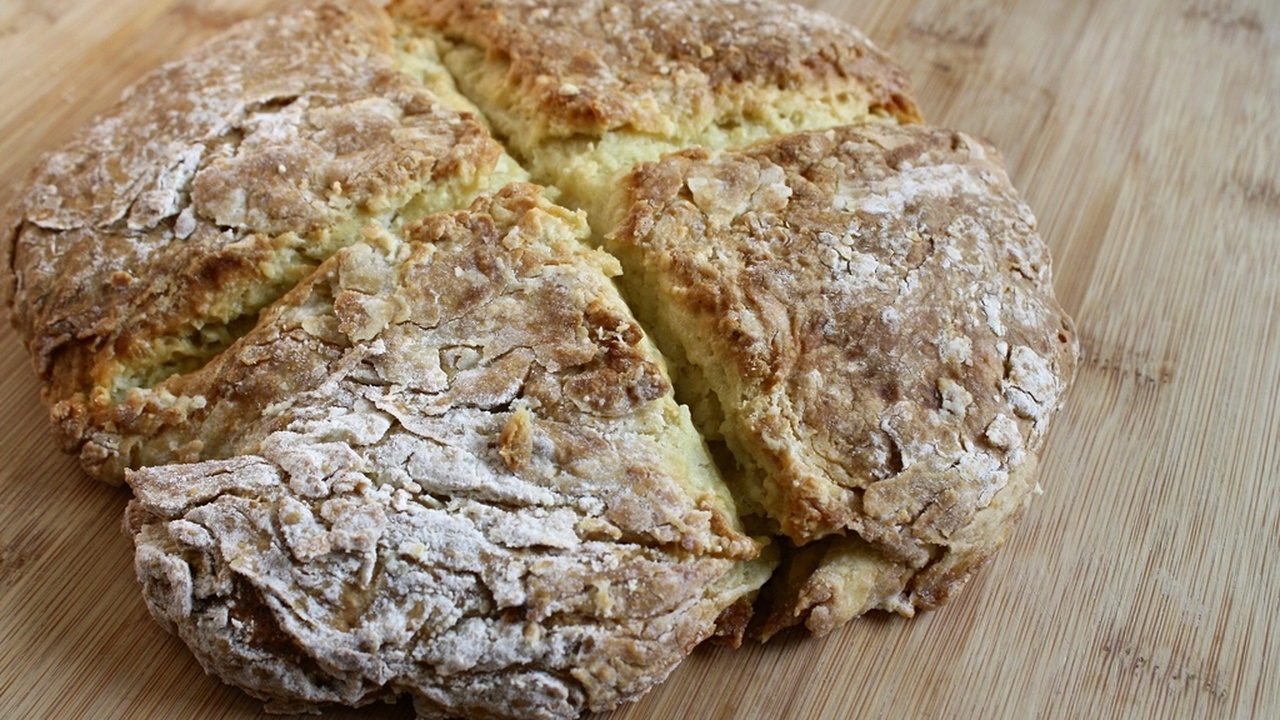
Hospitality and food are central to Irish social life. Offering tea and home baking marks visits, wakes and house gatherings, while regional dishes call up family history and seasonal rhythms. These customs vary by county but share an ethic of welcome and sharing.
Food traditions support small producers—bakeries, dairy farms and markets—and feed the growing interest in food trails and authenticity-based tourism. Below are the household and holiday customs you’re most likely to encounter.
9. Hospitality and Food Traditions — Tea, Soda Bread, and Shared Meals
Offering tea and simple home baking is a hallmark of Irish hospitality. Visitors are commonly met with a pot of tea and a slice of soda bread, fruit cake or traybake.
Signature dishes appear at gatherings: Irish stew at family Sundays, colcannon around Halloween, and boxty in parts of the west. Recipes are often family heirlooms, and local variations make food an entry point to county identity. These meals also sustain local economies—bakeries and creameries benefit from gatherings and food-focused tourism.
10. Christmas, St. Stephen’s Day, and Little Christmas — Holiday Customs
Christmas in Ireland blends church services with folk customs. St. Stephen’s Day (December 26) features Wren Boys processions in some coastal villages, where groups dress up, sing and collect for charity.
Another custom is Nollaig na mBan, or Little Christmas, on January 6. Traditionally women hosted friends and family that day or were invited out following the Christmas period. Parades, house calls and charity collections keep holiday life community-focused well beyond December 25.
Summary
- The Celtic calendar still shapes public life: Samhain, Bealtaine and March 17 remain focal dates.
- Community institutions—the GAA, wakes and music sessions—do the heavy lifting of social cohesion.
- Language statistics show about 1.7–1.8 million with some Irish ability but only 70–80 thousand daily speakers, underscoring both revival work and everyday gaps.
- Try experiencing these customs firsthand: attend a local music session, go to a county match, or visit a Gaeltacht area to hear Irish and stories in place.