South Korea’s linguistic landscape goes beyond Seoul and K-pop: pockets of local speech, historical forms, and regional varieties reflect centuries of migration, contact, and cultural change. Looking at these languages helps reveal lesser-known threads of the peninsula’s past and present.
There are 5 Indigenous Languages in South Korea, ranging from Jeju to Old Korean. For each language you’ll find below the ISO code, Speakers (estimate), and Region(s) so you can compare current vitality and geographic spread — you’ll find these details below.
Are any of these languages still actively spoken in communities today?
Yes — some, like Jeju, still have community speakers (mostly older adults) and active revitalization work, while others such as Old Korean are historical stages preserved in texts rather than living speech; overall most are endangered and speaker counts are small or declining, which the table below reflects.
How accurate are the ISO codes and speaker estimates listed?
ISO codes come from standard registries (when assigned) and speaker numbers are drawn from recent censuses, field studies, or scholarly estimates; both can change with new research, so treat figures as best current approximations and check source dates in the entries you’ll find below.
Indigenous Languages in South Korea
| Name | ISO code | Speakers (estimate) | Region(s) |
|---|---|---|---|
| Korean | kor | 51,000,000 | Nationwide (Seoul, Gyeonggi, Busan, Daegu, etc) |
| Jeju | none | 5,000 | Jeju Island (Jeju Province) |
| Korean Sign Language | ksl | 180,000 | Nationwide (strong presence in Seoul, Busan, Daegu) |
| Old Korean | none | 0 (historical) | Korean peninsula (early kingdoms, historical central regions) |
| Middle Korean | none | 0 (historical) | Korean peninsula (Goryeo and early Joseon centers) |
Images and Descriptions

Korean
The national and dominant Koreanic language of South Korea, used in government, education, and media. Not endangered; standardized with regional varieties. Notable: modern Korean descends from Middle and Old Korean stages and is central to national identity.

Jeju
Jeju is a Koreanic variety often classified as a separate language and listed as critically endangered by UNESCO. Lacks national legal status but benefits from local revitalization and cultural programs. Notable: heavy lexical and grammatical divergence from Standard Korean.
Korean Sign Language
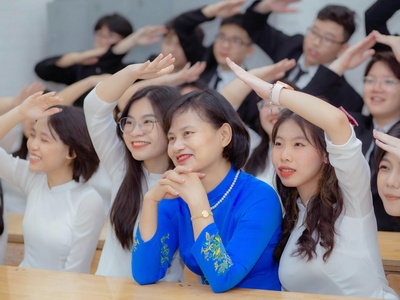
Primary sign language of Deaf communities across South Korea, used in education and social services. Has some legal and institutional support for interpretation and education but advocates seek fuller official recognition. Notable: active community-led promotion and research.

Old Korean
Early historical stage of Korean attested in ancient inscriptions and Chinese records (up to ~10th century). Extinct; studied in linguistics and philology to trace Korean origins. Not legally recognized beyond academic and cultural heritage contexts.
Middle Korean
Language stage attested in 15th-century Hangul texts (e.g., Hunmin Jeongeum). Extinct but extensively reconstructed; crucial for understanding modern Korean phonology and grammar. Recognized academically though not as a living language.