7 Cool things to do in Dover
Dover’s White Cliffs have been a symbol of arrival and defence for centuries — King Henry II strengthened Dover Castle in the 12th century, and the cliffs watched Allied ships during World War II. If you’re hunting for cool things to do in Dover, the town rewards short trips with big stories and compact geography.
That’s part of Dover’s appeal: it’s close to London (roughly 1 hour 10–90 minutes by train from St Pancras or Victoria, depending on the service) yet feels like a proper coastal escape. Everything worth seeing sits in a walkable cluster — castle, museum, harbour and cliff paths — so you can pack a lot into a day or stretch it into a relaxed weekend.
Below are seven genuinely useful ideas that balance history, outdoors and local flavour, with practical tips so you can pick the right mix for your schedule: historic and cultural sites, outdoors and maritime experiences, and food, shopping and town life.
Historic & Cultural Attractions
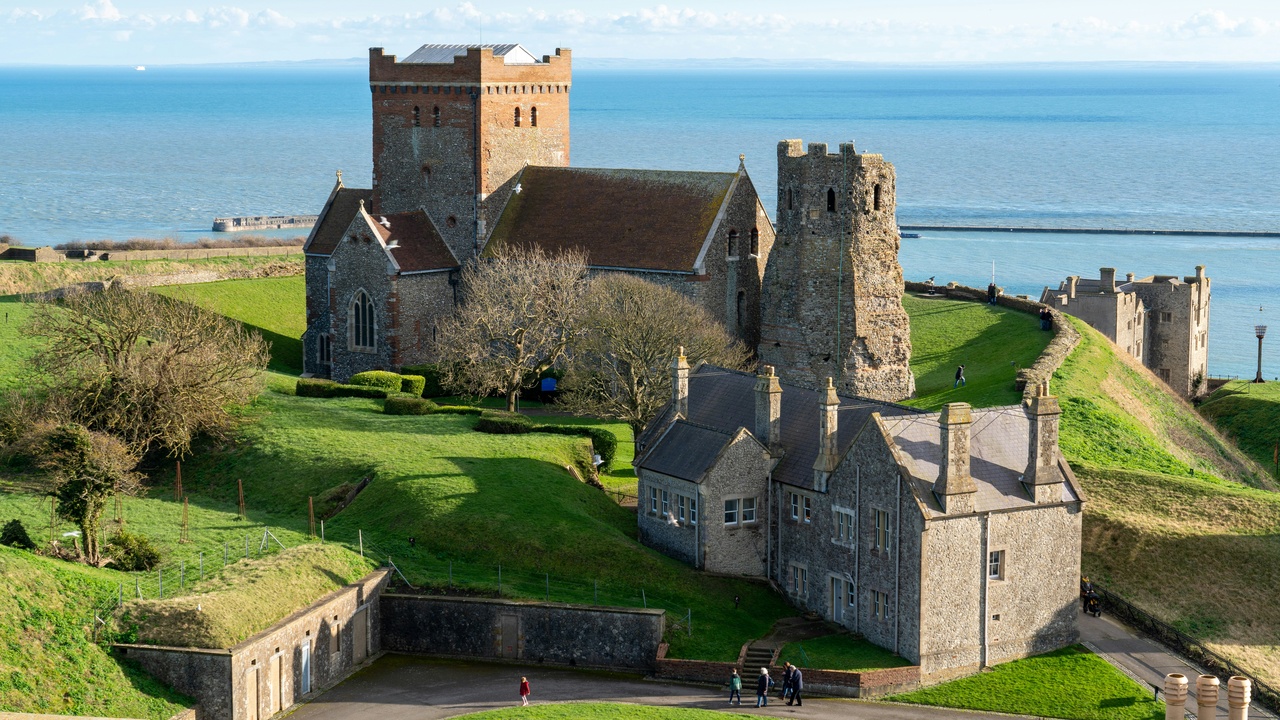
Start here if this is your first visit. Dover packs a surprising timeline into a small area: Roman signal stations, major Norman and 12th-century fortifications, Bronze Age finds and 20th-century wartime infrastructure. Allow two to four hours to see the main sites comfortably.
1. Explore Dover Castle and its wartime tunnels
Visiting Dover Castle gives you layered history in one place. The keep and town defences trace back to Henry II’s 12th-century rebuilding, while a network of tunnels beneath the castle tells the 20th-century story.
Make time for a guided tunnel tour if offered; the wartime complex played a key role during the 1940s, including operations around Dunkirk and later coastal defence work. Plan on at least two hours, check opening times and buy tickets in advance on busy days.
This attraction suits families and history buffs alike, and photographers will appreciate close-up views of battlements framing the Channel.
2. Visit Dover Museum and see the Bronze Age boat
Dover Museum is compact but packed with local archaeology and social history, and its standout artifact is the Dover Bronze Age Boat. Discovered in 1992 and dated to around 1550 BCE, it’s one of the oldest seagoing craft found in Europe.
That ancient vessel offers a tangible window into prehistoric coastal life and trade, and the museum’s displays put it in context with other finds from the area. It’s easy to visit after the castle for a fuller picture of Dover’s timeline.
For families, the museum’s child-friendly exhibits and nearby cafés make it a relaxed stop; aim for weekday mornings if you prefer quieter galleries.
3. Walk the White Cliffs for breathtaking views and wartime sites
A cliff-top walk gives panoramic views across the Channel and a physical sense of why the cliffs became a cultural touchstone. In places the chalk face rises to roughly 350 ft (about 110 m), and the ridge offers many lookout points.
Stick to marked paths (the National Trust manages large sections), wear sturdy shoes and bring windproof clothing — weather changes quickly on exposed headland. Short routes, for example between St Margaret’s Bay and Dover harbour, work well as half-day walks.
Look for seabirds, wildflowers in season, and excellent sunset photo opportunities; longer hikes are possible if you want to tackle more of the coastal trail.
Outdoors & Maritime Experiences
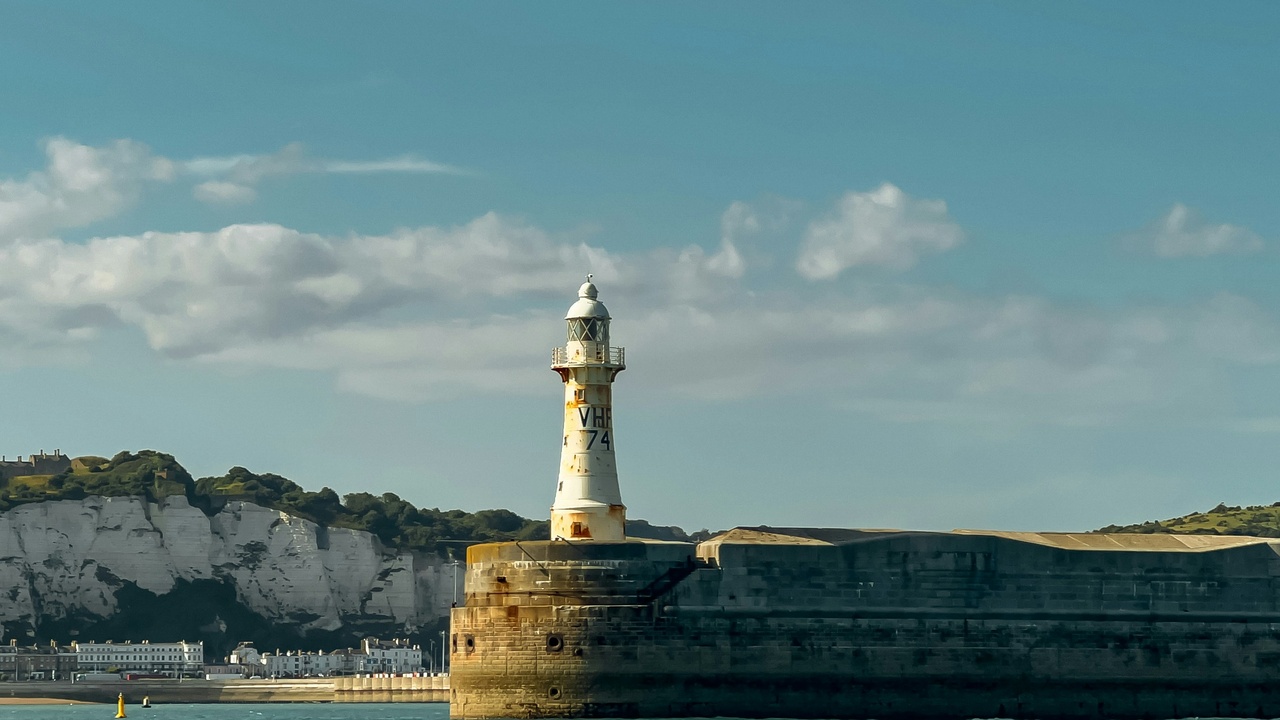
If you like fresh air and sea vistas, Dover offers harbour cruises, ferry watching and accessible coastal paths. Options range from short sightseeing trips to longer rides that give a water-level view of the cliffs and fortifications.
To appreciate how busy the port is, note that the Port of Dover handled around 11 million passengers in 2019, making it one of Europe’s largest ferry gateways. That activity brings a constant flow of ships and an energetic harbourfront scene.
Choose a short boat tour for family-friendly views, or plan a longer coastal walk or cycle to explore quieter headlands and wildlife.
4. Take a harbour boat tour or watch ferries at Dover Port
Boat tours put the cliffs and castle into perspective, while ferry spotting at the harbour is a free, lively pastime. Operators run short sightseeing trips that circle the headland.
P&O Ferries and DFDS make regular crossings to Calais (mainly for foot and vehicle traffic), and watching their big ferries come and go gives a sense of scale. For photos, aim for sunrise or late afternoon light.
Keep an eye out for seabirds and the occasional seal close to shore. Stay a safe distance from working quays and obey harbour signage when photographing vessels.
5. Cycle or hike sections of the Saxon Shore Way and coastal paths
Use Dover as a base for accessible coastal walking and cycling. The Saxon Shore Way runs roughly 163 miles (about 260 km) along the Kent and Sussex coast, and Dover links to its eastern stretches.
For a day trip, pick routes of 2–10 miles — for example, a loop from St Margaret’s Bay down to the harbour — and expect varied terrain. Local bike-hire shops in town can supply day rentals and maps.
Paths are generally well signed, but cliff-top sections can be exposed; bring water, layers and check tide information if you plan to explore lower coastal stretches.
Food, Shopping & Local Culture
Dover’s town centre and harbourfront are where history meets everyday life: fishmongers, cafes, pubs and market stalls keep things lively, especially on summer weekends and market days.
Sampling local food and browsing stalls is a low-effort way to round out sightseeing, and many places welcome families with easy menus and harbour views.
Time your visit for a Saturday market or a summer festival if you want the full local vibe; otherwise weekday mornings are quiet and pleasant for browsing.
6. Sample fresh English Channel seafood at harbour restaurants
Harbourfront restaurants highlight Dover sole and seasonal catches from the English Channel. Expect dishes like grilled Dover sole, smoked mackerel and classic fish and chips.
Ask about daily specials for the freshest options and try to snag outdoor seating for the view. Keep in mind that prime harbour tables usually come with higher prices.
Tasting local seafood is a natural complement to castle visits and cliff walks — a full day of place-based experiences.
7. Browse markets, local shops, and seasonal events in town centre
The town centre is compact, making market browsing and independent shops easy to combine with other stops. Look for local crafts, preserves and maritime souvenirs.
If you prefer quieter browsing, try a weekday morning market; for the full atmosphere, visit on a Saturday when stalls and cafés are busiest. Check local listings for summer harbour festivals and weekend music events.
Parking is available near the seafront and the train station links make day trips convenient without a car.
Summary
- Combine history and views: pair Dover Castle with a White Cliffs walk for a half-day of fortifications and panoramas.
- See something unusual: the Dover Bronze Age Boat (discovered 1992, dated ~1550 BCE) gives prehistoric context to coastal life.
- Harbour life matters: Port of Dover handled about 11 million passengers in 2019, so ferry-watching and short boat trips are lively options.
- Plan practically: allow 2–4 hours for historic sites, pick a 2–10 mile coastal route for walking or cycling, and time market or restaurant visits for weekends or weekday mornings depending on your preference.
- Pick two or three activities for a day — for example, a castle visit, a cliff walk and a harbourfront lunch — or combine categories for a relaxed weekend itinerary.