
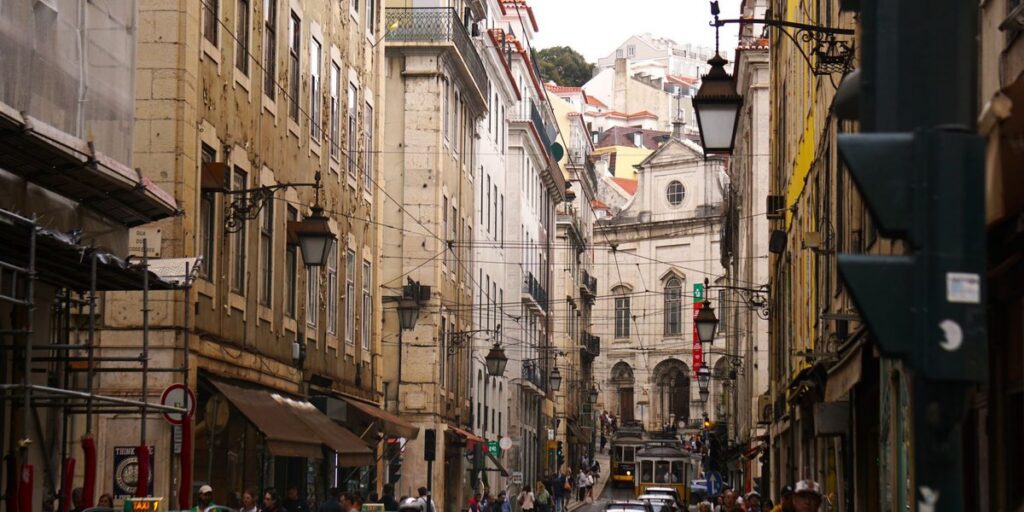
So, what is Portugal known for? Custard tarts called pastéis de nata, Port wine from the Douro Valley, and Cristiano Ronaldo. The Age of Discovery, when Portuguese ships reached India and Brazil. Fado music, blue-and-white azulejo tiles, the world’s biggest cork industry, 20-metre waves at Nazaré, and the beaches and sea caves of the Algarve.
That’s the postcard version, and it’s accurate. This guide covers 15 things the country is known for, each with one concrete fact and one place where you can see it for yourself. Near the end you’ll also find the Portugal that tourist lists skip: a tech hub, a remote-work magnet, and one of the safest countries on earth.
Contents
- Food and Drink
- History
- Culture and Traditions
- Nature and Coastline
- People and Modern Portugal
- Myths About Portugal
- FAQ
Food and Drink
1. Pastel de nata
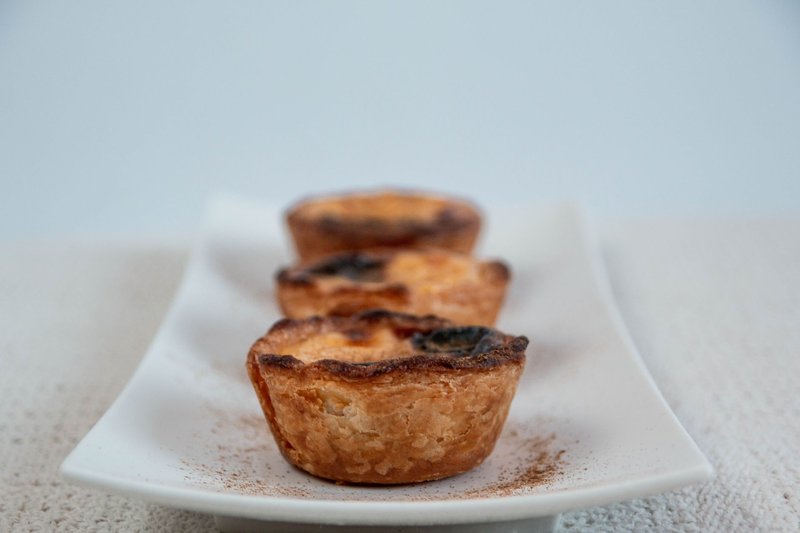
The pastel de nata is a flaky pastry shell filled with egg custard, baked until the top blisters and browns. Monks at the Jerónimos Monastery in Lisbon first made them, and the Pastéis de Belém bakery has sold its version since 1837 from a recipe it still keeps secret.
Eat one warm with cinnamon and powdered sugar on top. The queue outside Pastéis de Belém looks brutal, but it mostly serves takeaway customers. Walk past it into the dining rooms and you’ll usually find a table.
2. Bacalhau (salt cod)
Portugal’s national obsession is a fish it barely catches at home. Bacalhau is cod that’s been salted and dried, imported largely from Norway, and the Portuguese say there’s a recipe for every day of the year. The number is a boast, but the cookbook count really does run into the hundreds.
Start with bacalhau à Brás: shredded cod scrambled with eggs, onions and matchstick fried potatoes. Order it at a plain neighborhood tasca, not a restaurant with laminated photo menus.
3. Port wine
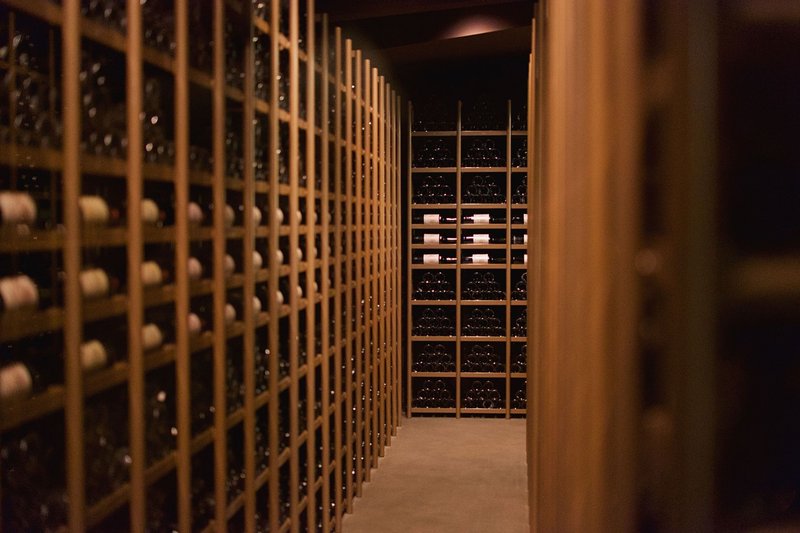
Port is a sweet fortified wine. Producers stop fermentation midway by adding grape spirit, which leaves natural sugar in the wine and pushes it to roughly 20% alcohol. The grapes grow in the terraced Douro Valley, a region whose boundaries were legally demarcated in 1756, making it one of the oldest regulated wine regions in the world.
The wine ages in lodges in Vila Nova de Gaia, across the river from Porto. Most lodges run tastings, and a tawny next to a ruby on the same flight teaches you more than any label can.
4. Grilled sardines
Sardines are Portugal’s summer food. Lisbon celebrates Saint Anthony on June 12 and 13 with street parties where the smell of charcoal-grilled sardines hangs over every alley. They’re served on a slice of bread that soaks up the fat, with a pepper salad on the side.
For the real thing, go to the Alfama district during the festival. Outside June, any seaside grill in Setúbal or Matosinhos does them well.
History
5. The Age of Discovery
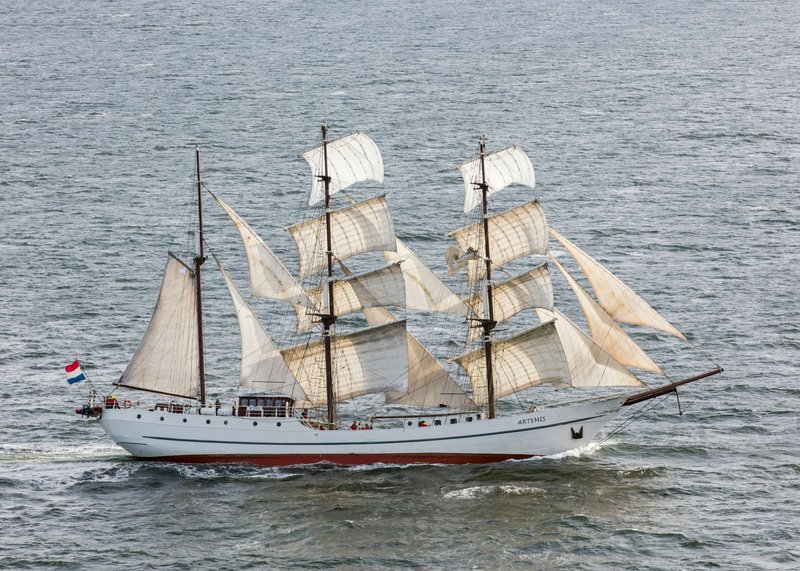
For a country of fewer than 11 million people, Portugal’s footprint on the map is odd. In the 15th and 16th centuries its sailors pushed down the African coast, with Bartolomeu Dias rounding the Cape of Good Hope in 1488 and Vasco da Gama reaching India in 1498. Portugal later claimed Brazil and built trading posts from Macau to Mozambique, and Portuguese is now spoken by over 250 million people.
The best place to feel this is Belém in Lisbon. The Monastery of the Hieronymites and the Tower of Belém are both part of a UNESCO World Heritage site, built with spice-trade money. The Monument to the Discoveries on the riverfront shows Henry the Navigator leading a line of explorers into the Tagus.
6. The 1755 Lisbon earthquake
On November 1, 1755, All Saints’ Day, an earthquake hit Lisbon while churches were full of candles. A tsunami and several days of fire followed, and tens of thousands of people died. Much of the city was gone.
The Marquis of Pombal rebuilt the downtown Baixa district on a strict grid, with buildings reinforced by wooden cage frames, an early attempt at earthquake-resistant construction. You can walk that grid today. For the other side of the story, visit the Carmo Convent, whose roofless Gothic nave was left standing as a ruin and still has no ceiling.
Culture and Traditions
7. Fado
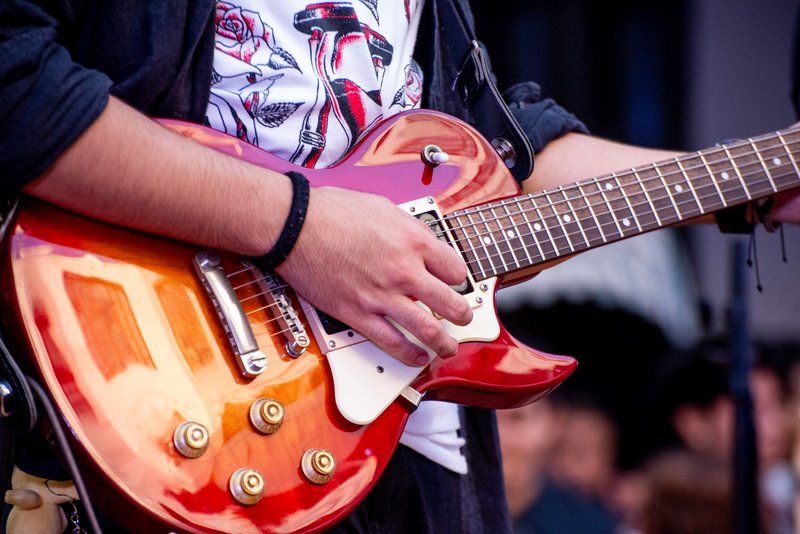
Fado is Portuguese urban folk music built on saudade, a word that means longing for something lost, absent or never had. A singer is backed by a Portuguese guitar (a twelve-string, pear-shaped instrument) and a classical guitar. Amália Rodrigues carried it to the world in the mid-20th century, and UNESCO added fado to its list of intangible cultural heritage in 2011.
The old neighborhoods of Alfama and Mouraria in Lisbon are its home. Small fado houses go silent when the singer starts, and talking or clinking cutlery gets you glared at. Pick one with a short set rather than a three-course tourist dinner.
8. Azulejos
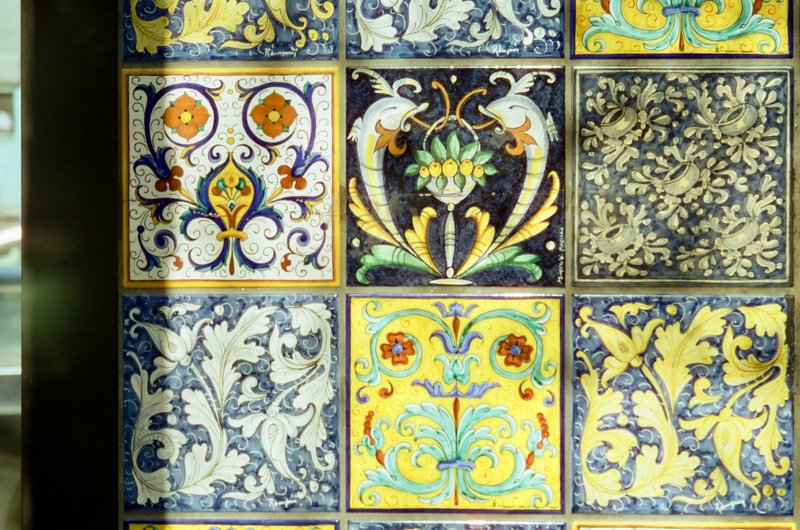
Azulejos are glazed ceramic tiles, and Portugal covers buildings with them: church interiors, train stations, house facades, even bus shelters. The tradition came from Moorish Iberia, and the name comes from the Arabic word for polished stone. Portuguese tile painters turned it into a national art form.
São Bento station in Porto has around 20,000 tiles in its main hall, painted by Jorge Colaço and finished in the 1910s. They show battles, royal scenes and rural life. For the full history, the National Tile Museum in Lisbon sits inside a former convent and costs less than a museum lunch.
9. Cork
Portugal produces roughly half of the world’s cork, harvested from cork oak forests in the southern Alentejo region. The bark is stripped by hand every nine years or so, and the tree isn’t cut down. A cork oak can live for more than 200 years, and the trees are legally protected.
Most of it ends up in wine stoppers, but you’ll also see cork wallets, bags, hats and umbrellas in Lisbon shops. They’re one of the few souvenirs that’s both useful and made locally. For a look at the source, drive through Alentejo’s montado landscape of scattered cork oaks and grazing pigs.
Nature and Coastline
10. The Algarve
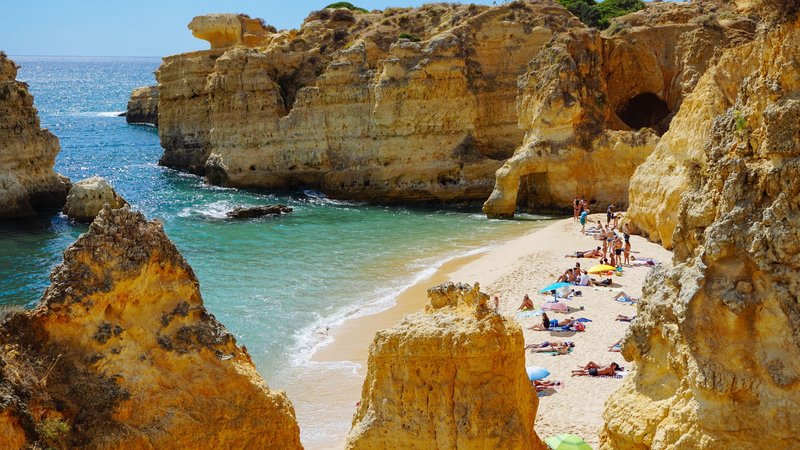
The Algarve is Portugal’s southern coast, with close to 3,000 hours of sunshine a year and cliffs carved into arches, stacks and caves. The headline sight is the Benagil sea cave near Lagoa, where a hole in the roof lets a shaft of light fall onto a small beach. You reach it by boat or kayak.
Skip the crowded middle of the coast in August. Ponta da Piedade near Lagos has the best cliff scenery, and the Rota Vicentina trail on the western Algarve is quieter and wilder.
11. Nazaré’s giant waves
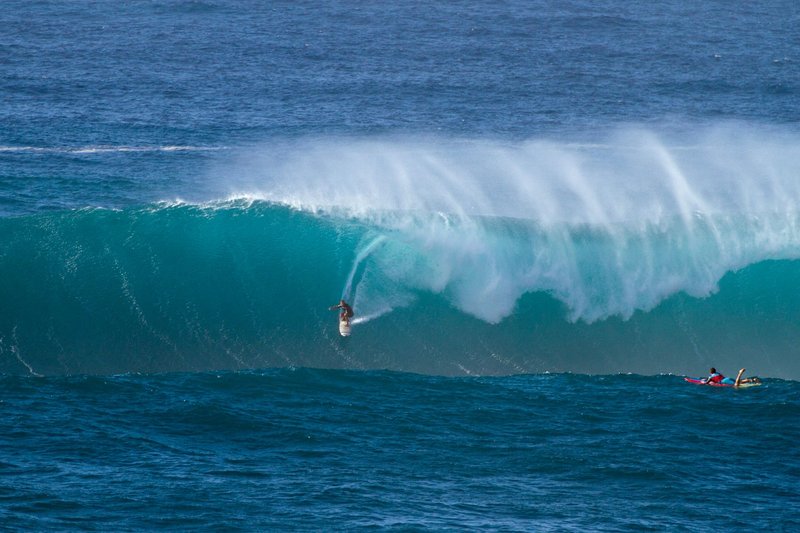
Nazaré is a fishing town an hour and a half north of Lisbon. In winter, Atlantic swells hit one of the longest underwater canyons in Europe, which funnels and stacks the water into walls over 20 meters high. In February 2020, German surfer Sebastian Steudtner rode a wave measured at 26.21 meters, a Guinness-recognized record.
The big-wave season runs roughly from October to February. Watch from the cliff beside the Forte de São Miguel Arcanjo lighthouse, which puts you at eye level with the break. In summer the same beach is flat and full of families.
12. Madeira and the Azores
Portugal’s islands sit well out in the Atlantic. Madeira lies about 1,000 km southwest of Lisbon, and is known for its levadas, narrow irrigation channels with walking paths along them that cut through laurel forest. The Azores, nine volcanic islands about 1,500 km west, have crater lakes at Sete Cidades on São Miguel, whale watching, and Mount Pico, which at 2,351 meters is the highest peak in Portugal.
Both are small enough that you’ll cover a single island in a few days, so pick one rather than trying to do both on a week’s trip.
People and Modern Portugal
13. Cristiano Ronaldo and Portuguese football
Ronaldo was born in Funchal, Madeira, in 1985. He captained Portugal to its first major trophy at Euro 2016, beating France in the final in Paris, and he is the men’s international game’s all-time top scorer with well over 130 goals. Madeira’s airport was renamed after him in 2017, and there’s a museum about him in Funchal.
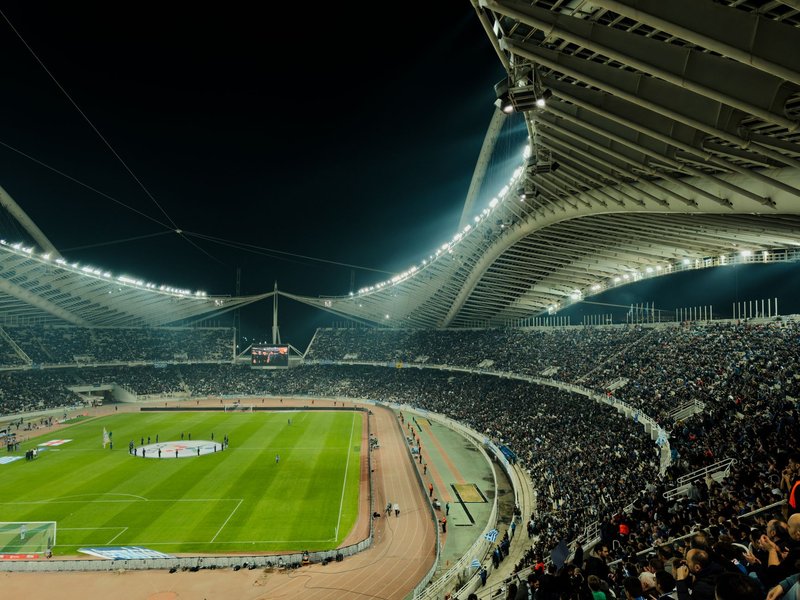
Football in Portugal is bigger than one player, though. The three giants are Benfica and Sporting in Lisbon and Porto in the north. If you can get a ticket to a derby, take it. Benfica’s Estádio da Luz and Porto’s Estádio do Dragão both offer stadium tours.
14. A tech and remote-work hub
Lisbon has hosted Web Summit, one of Europe’s largest tech conferences, since 2016, drawing tens of thousands of attendees each November. Portugal also launched a digital nomad visa in 2022, and cafes with coworking setups now fill neighborhoods like Príncipe Real and Marvila. Renewables, mainly wind, hydro and solar, regularly supply more than half of the country’s electricity.
The flip side is rent. Lisbon prices have risen sharply, and locals have pushed back against short-term lets. Expect a city that’s changing as fast as any in Europe.
15. Safety
Portugal ranked 7th out of 163 countries in the 2024 Global Peace Index, ahead of every country that borders it by land and behind only a handful of northern European states, Austria and a few Pacific nations. Violent crime against visitors is rare. The real risk is pickpockets on crowded routes like Tram 28 in Lisbon.
That safety record is part of why so many families, retirees and solo travelers pick it as a first stop in Europe.
Myths About Portugal
“Drugs are legal.” They’re not. Portugal decriminalized personal possession in 2001, which means being caught with a small amount leads to a meeting with a health-and-social panel rather than a criminal trial. Dealing is still a crime.
“It’s sunny and hot everywhere.” The Algarve and Alentejo are. Porto and the north get a lot more rain and cooler weather, and Lisbon’s winters can be wet and gray. Atlantic water is cold too: even in the Algarve it rarely tops the low 20s Celsius in summer, and the north is colder.
“It’s basically Spain.” Portuguese is a different language, not a dialect, and the two countries have different food, music and historical identities. Even Spain’s regional varieties sit inside one national language, and Portuguese is a separate one. Portugal’s land borders have barely moved since the 13th century.
“Fado is everywhere.” It isn’t. You’ll hear it in a handful of Lisbon and Coimbra venues, and most Portuguese listen to pop, hip-hop and rock like everyone else.
FAQ
What is Portugal most famous for?
The pastel de nata, Port wine, fado music, azulejo tiles, cork and Cristiano Ronaldo. Historically it’s famous for the Age of Discovery in the 15th and 16th centuries.
What food is Portugal known for?
Bacalhau (salt cod), grilled sardines, pastéis de nata, francesinha sandwiches in Porto, and caldo verde soup. Seafood rice dishes and grilled octopus are also staples.
What is Portugal’s most famous drink?
Port wine, from the Douro Valley. Vinho verde, a young, slightly fizzy white from the north, comes second, and ginjinha, a sour cherry liqueur, is the Lisbon shot.
What is Portugal known for historically?
Early ocean exploration, its colonial empire, the 1755 Lisbon earthquake, and one of Europe’s oldest settled borders. The Anglo-Portuguese Alliance, signed in 1373, is also often described as the world’s oldest still in force.
What should I buy in Portugal?
Azulejo tiles, cork products, canned fish in retro packaging, a bottle of Port, and Alentejo olive oil. All are easy to pack and genuinely local.


