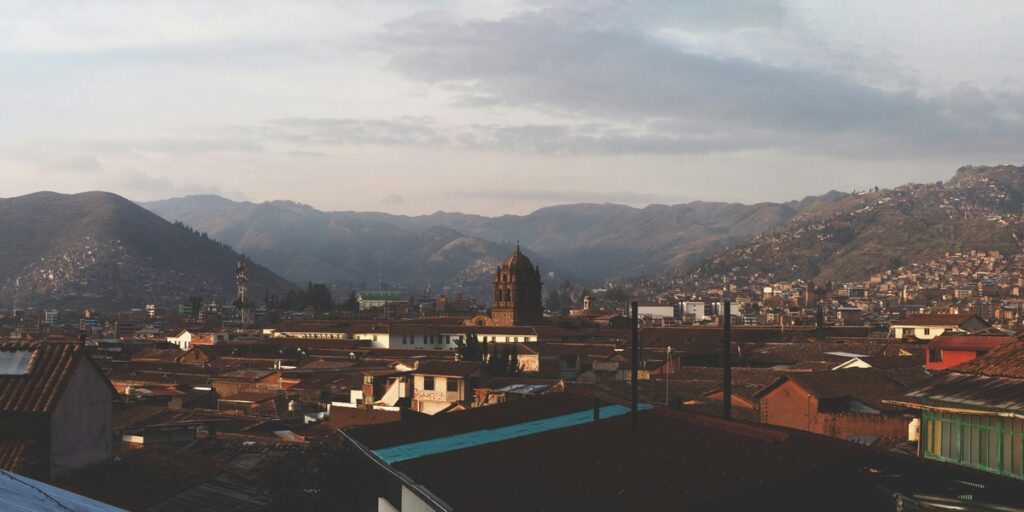
Cusco was the capital of the Inca Empire in the 15th century and sits at 3,399 m (11,152 ft) above sea level — a city where cobbled streets meet living history. That elevation makes acclimatization a practical first step: plan a slow first day, drink water, and avoid heavy exertion until you feel settled. The city is also an excellent base for more than just Machu Picchu — within 30–90 minutes you can reach living Inca towns, alpine lakes, colorful markets, and high-altitude treks.
Readers often feel overwhelmed by choices or worried about altitude; this guide narrows the options to ten high-quality, distinct experiences that showcase Cusco’s archaeology, valley day trips, outdoor adventures, and local life. Each entry includes concrete tips — typical durations, elevations, and logistics — so you can prioritize based on fitness, time, and interests. These are 10 cool things to do in Cusco presented by category, with actionable planning notes to help you make the most of your visit.
Iconic Ruins & Historical Sites
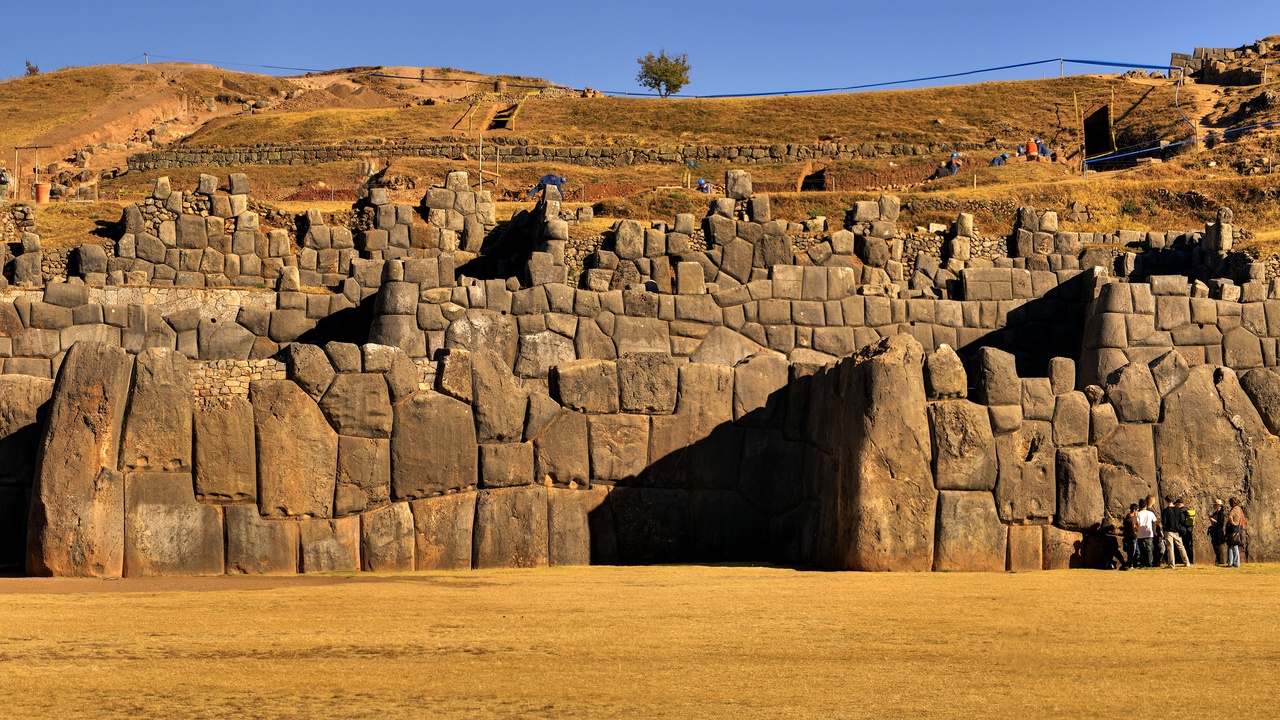
Cusco’s archaeological sites are remarkable both for Inca masonry and for the way colonial architecture was layered atop earlier foundations. Many principal structures date to the 15th century and, despite events like the 1650 earthquake, survive as living monuments that locals and visitors still use for ceremonies and festivals. Because several key sites sit within or directly above the city, you can visit multiple places in a single half-day with minimal travel.
Practical notes: expect uneven stone paths and steep terraces at many ruins, so wear sturdy shoes and allow time for slow climbs. Tickets are often sold as the Boleto Turístico (Cusco Tourist Ticket) with multi-site access; mornings are best for light and smaller crowds at popular viewpoints.
1. Visit Sacsayhuamán — Inca stonework up close
Sacsayhuamán is a vast 15th-century fortress and ceremonial complex that overlooks Cusco and showcases Inca masonry with stones reportedly weighing up to ~128 tonnes. The terraces and walls formed part of a defensive perimeter and now serve as a dramatic backdrop for Inti Raymi (June 24) celebrations.
From Plaza de Armas it’s a 20–30 minute walk uphill, making sunrise or early morning visits ideal for photos and thinner crowds. The Boleto Turístico covers Sacsayhuamán; wear shoes suited to uneven, steep paths and budget time for short hikes between terraces.
2. Explore Qorikancha (Temple of the Sun) and the convent above it
Qorikancha was the Inca Empire’s most sacred temple before the Spanish built the Convent of Santo Domingo directly above its foundations. Sixteenth-century chronicles describe gold-gilded walls; today you can still see finely fitted Inca stone foundations juxtaposed with colonial masonry and religious art.
Located steps from Plaza de Armas, expect a 45–60 minute visit through museum exhibits and reconstructed altars. The site illustrates Inca religious importance and Spanish colonial overlay, and is an accessible starting point for a short walking tour of central Cusco.
3. Stroll Plaza de Armas and visit Cusco Cathedral
Plaza de Armas is Cusco’s social and historic heart, where locals gather and colonial churches face one another. Construction on the Cathedral began in 1560 and the interior houses an important collection of Cuzco School paintings blending Catholic and Andean imagery.
Plan 30–60 minutes to tour the cathedral, combine the visit with nearby cafés or a guided walking tour, and dress modestly when entering religious sites. The square is also an excellent spot for people-watching and short photo breaks between guided visits.
Sacred Valley & Machu Picchu Day Trips
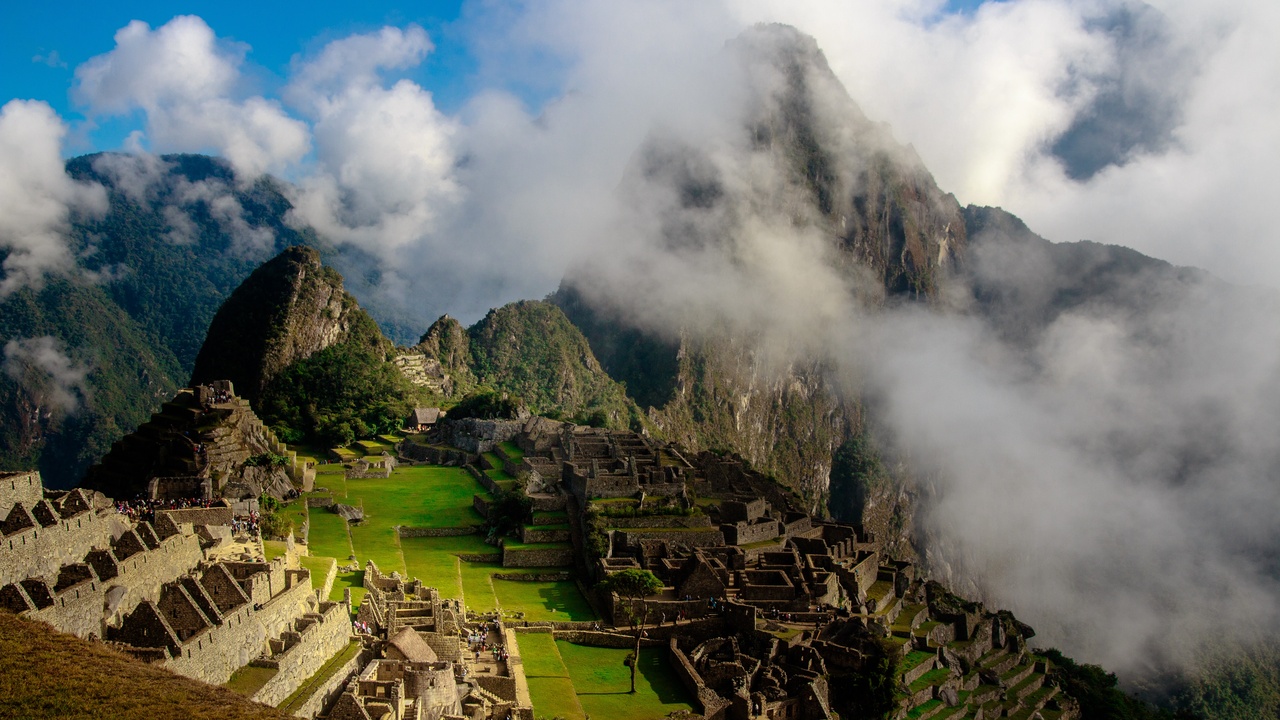
The Sacred Valley served as the agricultural backbone of the Inca state and now functions as the main staging area for journeys to Machu Picchu. Valley towns like Ollantaytambo and Pisac combine continuing agricultural use, living Inca urban layouts, and easy access to rail or road links.
Logistics vary: trains to Aguas Calientes take roughly 3–3.5 hours from the Cusco area depending on service, while the Classic Inca Trail covers roughly 43 km (26.7 miles) over four days and requires permits. Note that valley elevations are generally lower than Cusco’s, which can feel noticeably warmer when you descend from the city.
4. Go to Machu Picchu — choose train or Inca Trail
Machu Picchu is the region’s foremost attraction, built around 1450 and set on a dramatic ridge above the Urubamba River. You can reach it by train to Aguas Calientes followed by a short bus ride, or by hiking the 43 km Classic Inca Trail (multi-day) with an official permit.
Park entry categories limit daily visitor numbers, and permits and train tickets sell out months in advance, so book early. Dry season May–September offers more stable weather, and early-site visits are best for softer light and fewer people. Among the cool things to do in Cusco, a timed early visit to Machu Picchu rewards both photographers and hikers; consider altitude shifts—Aguas Calientes sits much lower than Cusco—and budget for transport and entrance fees.
5. Explore Ollantaytambo — living Inca town and fortress
Ollantaytambo remains a functioning town whose streets follow an Inca urban plan, and its fortress terraces and battlements still oversee working agricultural plots. The site served as a defensive stronghold and retains water-channel engineering used today.
It’s an easy 1–1.5 hour drive from Cusco or a standard stop on Sacred Valley tours; allow 2–3 hours to explore terraces and the town’s narrow streets. Ollantaytambo’s train station is also the main rail link for many travelers continuing to Aguas Calientes.
6. Visit Pisac — ruins above and market below
Pisac pairs an archaeological complex of terraces and tombs perched on a ridge with a busy artisan market in the town below. Weekend market days are the busiest and most colorful, though vendors operate daily for early shoppers and tour groups.
Combine an early-morning hike to the ruins with afternoon market browsing for textiles and crafts; typical visits run 3–4 hours. Remember that markets support local weaving cooperatives, and polite bargaining helps you secure a fair price while contributing directly to families.
Outdoor Adventures & Natural Sights
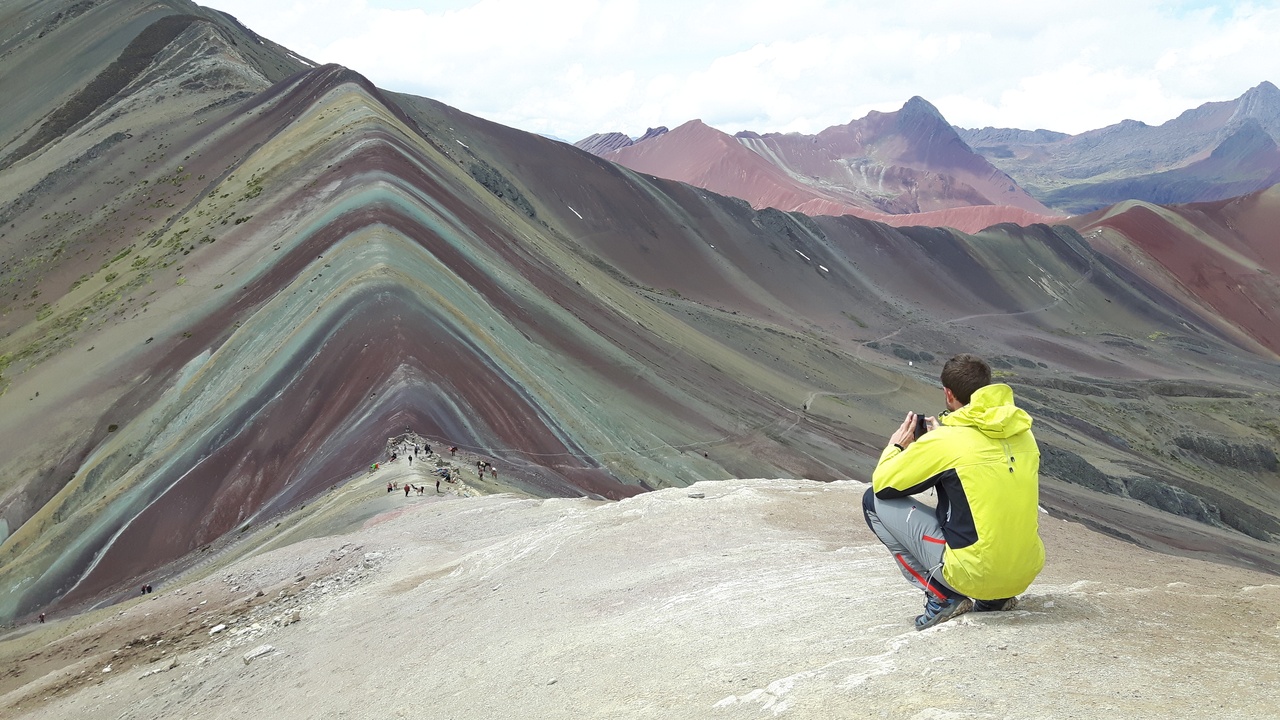
Cusco’s surrounding highlands offer dramatic alpine lakes, vividly colored mountains, and multi-day treks that cross high passes into cloud forest. Elevations vary widely: Rainbow Mountain reaches about 5,200 m (17,060 ft), Humantay Lake sits near 4,200 m, and some Salkantay itineraries cross passes around 4,600 m.
Because of these altitudes, acclimatize in Cusco and choose activities appropriate to your fitness. Guided trips provide safety support and local knowledge; bring layers, sun protection, and basic altitude remedies. Short day hikes and longer treks both reward strong planning and proper gear.
7. Hike Rainbow Mountain (Vinicunca) — colorful mineral strata
Rainbow Mountain presents rhythmic mineral stripes in reds, ochres, and greens formed by iron and other oxidized minerals. The summit sits around 5,200 m (17,060 ft), so the visual payoff comes with a strong altitude challenge.
Most guided tours depart Cusco very early and include a 1–2 hour uphill walk at high altitude; horseback options are available for part of the ascent. Acclimatize first in Cusco, wear layers for cold mornings and strong sun, and book reputable operators who follow responsible tourism practices.
8. Take the Humantay Lake day hike — turquoise alpine beauty
Humantay Lake is a striking turquoise basin set beneath glaciated peaks and is commonly visited as a one-day trek from Soraypampa. The trail usually takes 1.5–2 hours each way from the trailhead, with the lake sitting near 4,200 m.
Start early to avoid afternoon weather shifts, bring snacks and sunscreen, and be prepared for thin air. Many visitors combine this hike with Salkantay-route logistics or a transfer through nearby villages like Mollepata.
9. Trek the Salkantay (alternative multi-day trek)
The Salkantay Trek is a popular 4–5 day alternative to the Classic Inca Trail, crossing high mountain passes (up to ~4,600 m) and descending into cloud forest and subtropical valleys. The route offers glacier views, varied ecosystems, and fewer permit constraints than the Inca Trail.
Typical itineraries last 4–5 days; book experienced outfitters who provide camping logistics and meals, and bring a warm sleeping bag for cold nights. Allow acclimatization days in Cusco beforehand and be realistic about fitness and altitude tolerance.
Local Life, Food & Markets
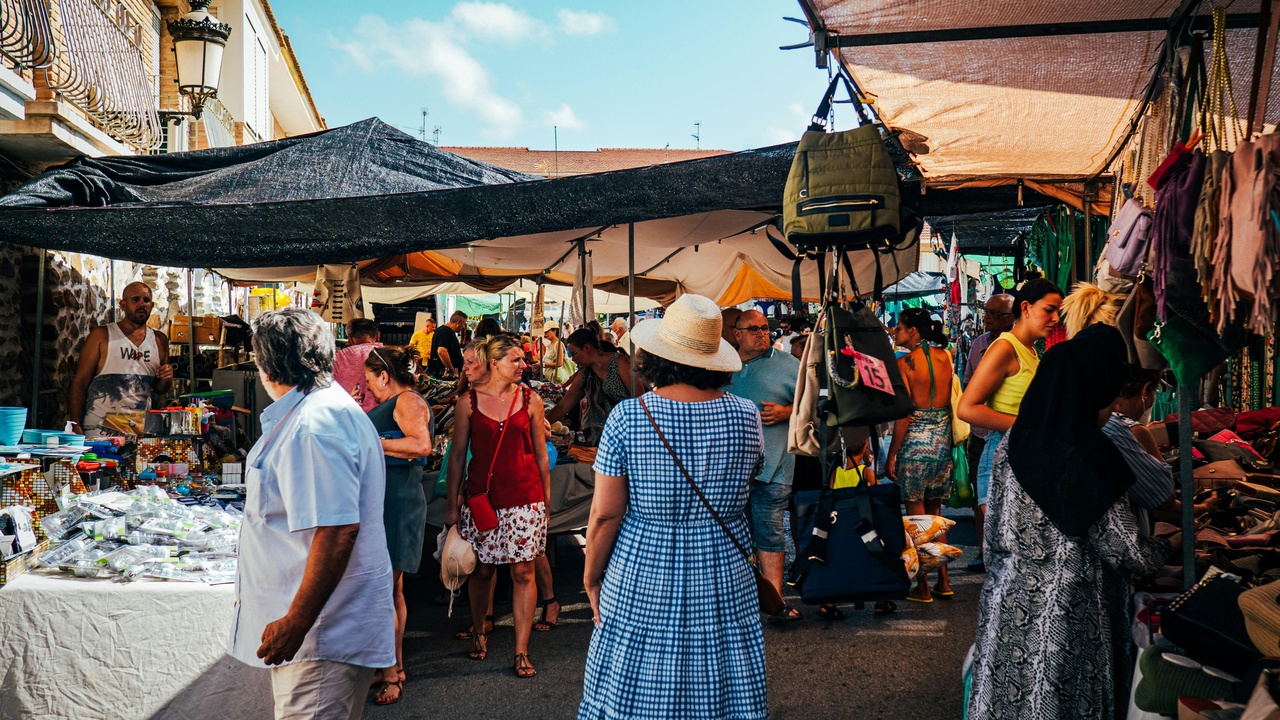
Cusco’s everyday culture is best experienced through markets, food, craft demonstrations, and neighborhood festivals. These activities provide direct support to local families, offer tactile learning about techniques like backstrap weaving, and showcase regional dishes that vary with altitude and agricultural cycles.
San Pedro Market operates daily and is busiest in the mornings; cooking classes and food tours typically last 3–4 hours and are an excellent way to learn regional ingredients. Hands-on craft workshops often run short demonstrations, allowing visitors to learn and buy directly from cooperatives.
10. Eat local — markets, Pachamanca, and cooking classes
Cusco’s culinary scene ranges from market snacks to communal Pachamanca feasts. Sample cuy (guinea pig) at reputable restaurants, try highland-style ceviche, and seek Pachamanca experiences where meats and vegetables are cooked underground on heated stones for a smoky, earthy flavor.
San Pedro Market is the best place for fresh snacks and produce; small street meals can cost just a few soles, while mid-range restaurant entrées run higher. Book a 3–4 hour cooking class to learn techniques like tamale wrapping or native potato preparations, and follow basic hygiene advice for street food (choose busy stalls and bottled drinks).
11. Learn from local weavers and shop responsibly
Traditional weaving is both an art form and a vital income source around Cusco. Demonstrations typically last 30–60 minutes and often include explanations of natural dye processes, backstrap loom techniques, and fiber preparation.
To identify authentic handwoven goods look for slight irregularities in pattern, natural-dye tones, and hand-finished edges; mass-produced imitations tend to be perfectly uniform. Buy directly from cooperatives or San Blas artisan workshops to ensure fair payment, and bargain respectfully within local norms.
Summary
- Acclimatize first: spend a low-key day in Cusco (3,399 m) before attempting strenuous hikes or high passes to reduce altitude discomfort and improve enjoyment of sites.
- Book essential permits and transport early: Classic Inca Trail permits and popular train services to Aguas Calientes often sell out months ahead; plan and reserve in advance.
- Balance archaeology, day trips, outdoor adventures, and market experiences: several top sites and towns are within 30–90 minutes of Cusco, so mix short city-based visits with one or two longer excursions.
- Support local communities and travel responsibly: buy from cooperatives, choose reputable guides, respect sacred sites and festival timings, and pack gear suitable for high-altitude weather.