Quito was declared a UNESCO World Heritage Site in 1978 for its exceptionally well-preserved colonial center.
Perched at about 2,850 m above sea level, the city pairs dramatic Andean backdrops with a compact historic core, so you can move from churches to cable cars and markets without long drives. Quito mixes high-altitude scenery, centuries-old streets, lively markets and modern cultural hubs — here are eight standout experiences that capture the city’s unique character.
Historic & Cultural Experiences
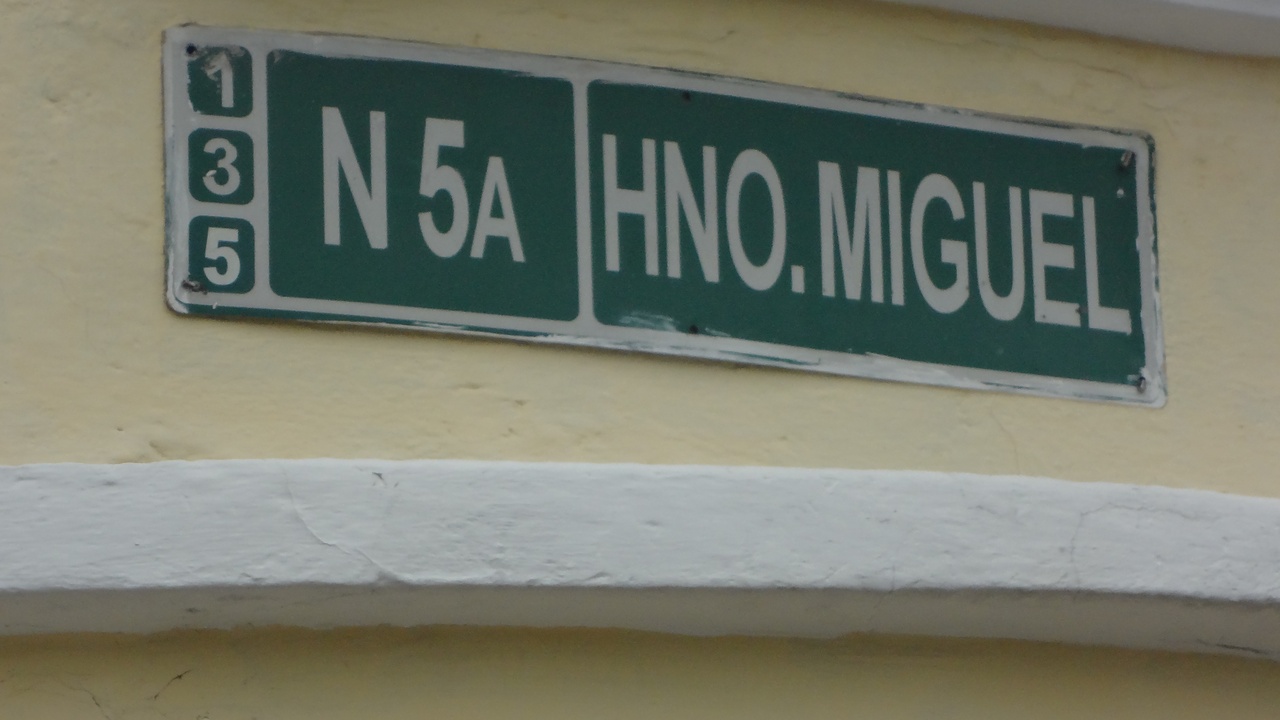
The historic center is the cultural heart of Quito: narrow cobbled streets, ornate baroque churches and museums all within easy walking distance. Guided walking tours typically last about 1.5–2 hours and are a great orientation for first-time visitors.
1. Explore Quito’s Historic Center (Centro Histórico)
The Centro Histórico is a must-see for first-time visitors, with its UNESCO listing (1978) underscoring the area’s preservation and significance.
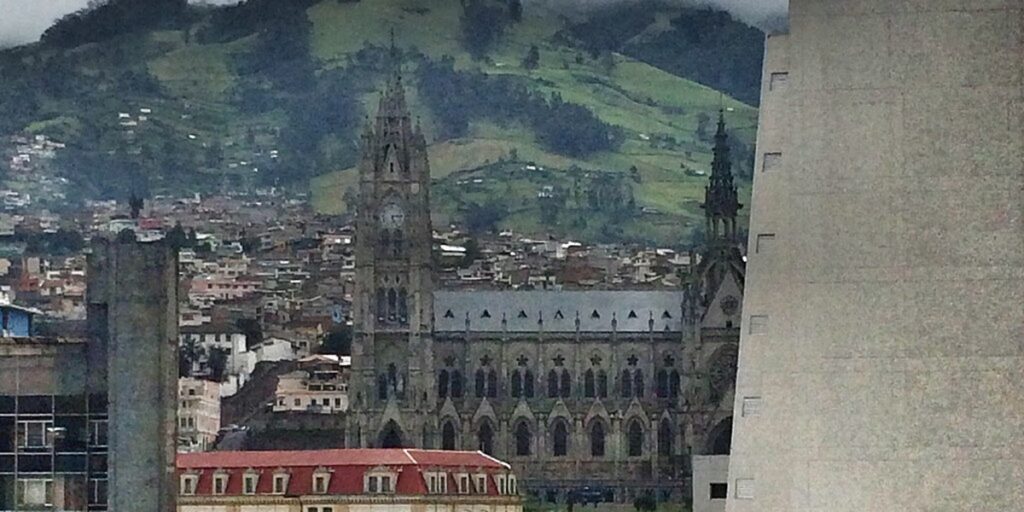
Start at Plaza Grande (Plaza de la Independencia), then make short detours to La Compañía de Jesús, famous for its gold-leaf interior, and the neo-Gothic Basílica del Voto Nacional, where you can climb towers for panoramic views of the city.
Guided walking tours usually run 1.5–2 hours and are an efficient way to combine churches, plazas and a museum stop. For evenings, stick to well-lit streets like La Ronda and avoid wandering into quiet alleys late at night.
Wandering La Ronda rewards you with artisan workshops, small cafés and a sense of historic Quito brought to life by local craftspeople and street musicians.
2. Visit Mitad del Mundo and the Intiñan Museum
The Mitad del Mundo monument marks the equator at 0° latitude and sits roughly 26 km north of central Quito, making it a convenient half-day trip.
At the Intiñan Museum you can do playful demonstrations—balancing tricks and water-spin experiments—that illustrate how the equator influences simple physical phenomena.
Expect a short drive (about 30–45 minutes depending on traffic), a cluster of artisan stalls, and open-air photo opportunities where you can stand with one foot in each hemisphere. Bring sunscreen and a light jacket, as conditions at the monument can feel cooler and windier than the city below.
3. See Modern Art at Guayasamín and Small Galleries
For a deeper look at Ecuadorian perspectives, visit Fundación Guayasamín (the Capilla del Hombre), which showcases Joaquín Guayasamín’s moving, expressionistic works (1919–1999).
Pair the Capilla del Hombre with the Museo Nacional del Ecuador for historical context and then head to neighborhoods like La Floresta to find independent galleries and street art that reflect contemporary Quito.
Allow 1–2 hours for the major museums and longer if you plan to browse smaller galleries or catch an evening exhibition at a cultural café.
Outdoor & Nature Activities
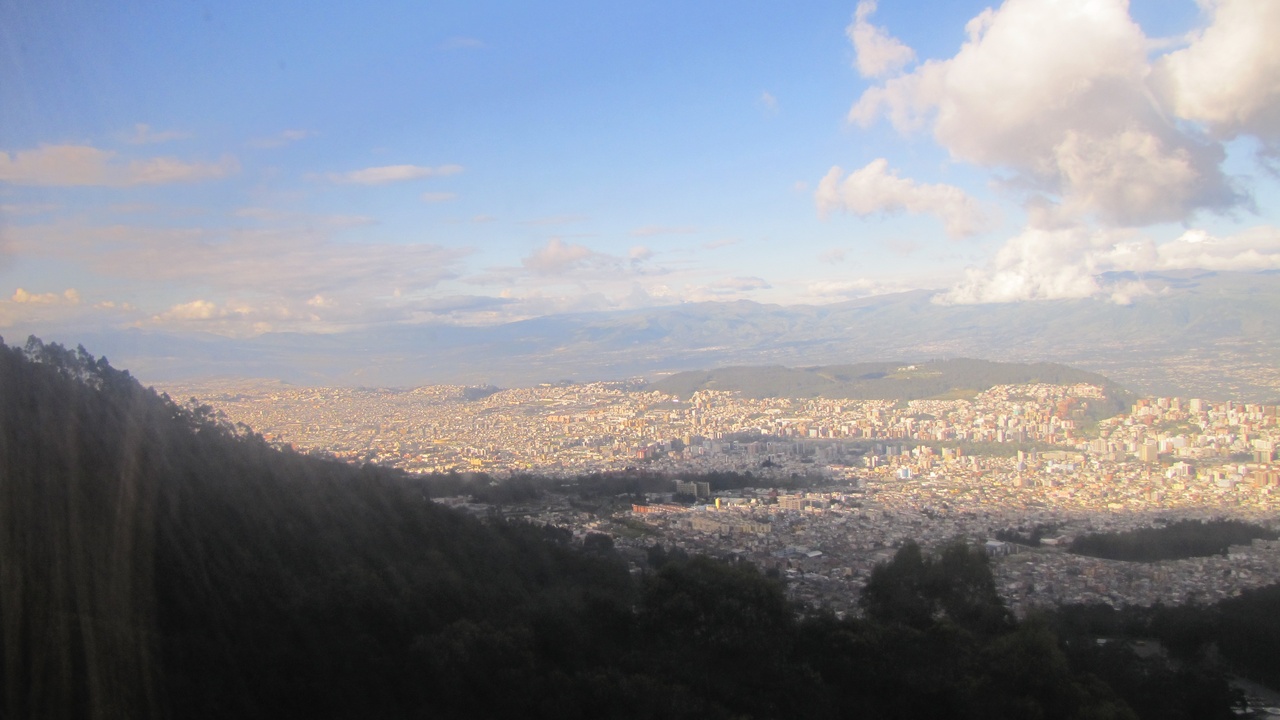
Quito’s high-altitude location gives quick access to Andean nature, from urban parks to snow-capped volcanoes. Remember that the city sits at about 2,850 m, so plan slower starts for strenuous activities and consider short acclimatization walks first.
4. Ride the TelefériQo for Panoramic City Views
The TelefériQo cable car climbs steeply from the edge of the city to around 3,900–4,000 m, gaining roughly 1,000–1,200 m of elevation and offering sweeping views of the valley and surrounding peaks.
Visit early in the morning for the clearest skies; afternoons can cloud in quickly. From the upper station you’ll find short 30–60 minute hikes and the Cruz Loma viewpoint—good for photos and for testing how your body responds to thinner air.
Bring warm layers, hydrate before the ride, and expect variable weather. Entrance fees vary by season and operator; check hours in advance and consider hiring a guide for mountain-biking or longer ridge routes.
5. Day Trip to Cotopaxi National Park
Cotopaxi, a classic stratovolcano with an elevation of 5,897 m, is one of Ecuador’s most iconic day-trip destinations from Quito.
The park lies roughly 50–75 km south of the city; depending on stops, expect 2–3 hours driving each way. Typical visits include viewing the conical summit, short guided hikes around the José Rivas refuge, or horseback rides across the high páramo.
For glacier routes or summit attempts, book certified guides and allow extra days for acclimatization. For most visitors a half-day to full-day trip—focused on photography and easy walks—delivers a satisfying taste of Ecuador’s volcanic landscape.
6. Hike or Bike in Parque Metropolitano and Itchimbía
Large urban green spaces like Parque Metropolitano and Cerro Itchimbía make for easy outdoor time without leaving the city limits.
Parque Metropolitano offers long walking and biking loops used by joggers, families and cyclists, while Cerro Itchimbía has a cultural center and viewing platforms that are especially pretty at sunset.
These parks are ideal for low-impact acclimatization walks, wildlife spotting and city photography. Bring water, sun protection and a light jacket; park hours vary and some areas charge a modest entrance fee.
Food, Markets & Nightlife
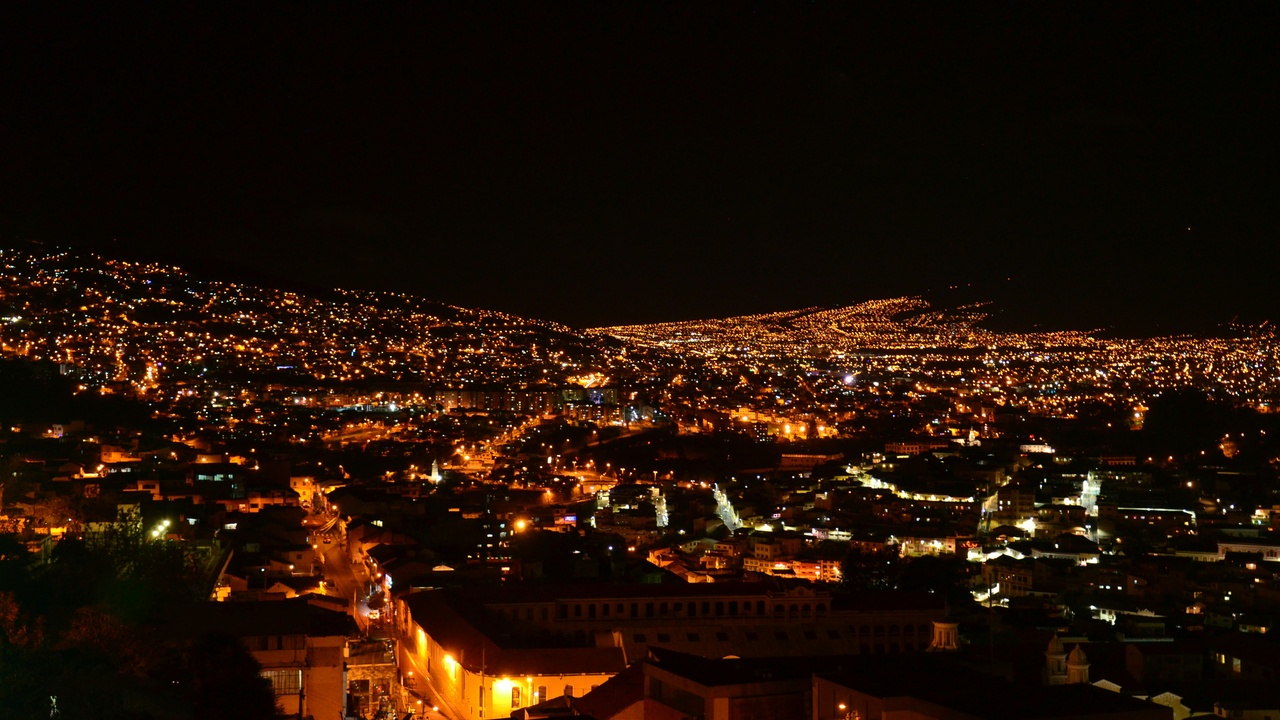
Quito’s culinary scene ranges from bustling markets and street stalls to relaxed restaurants and lively bars, making it easy to fit sampling into any budget or schedule.
For many visitors, Cool things to do in Quito include tasting street food at Mercado Central and catching live music in La Mariscal—simple, flavorful ways to feel the city’s pulse.
7. Taste Traditional Ecuadorian Food at Markets and Local Restaurants
Tasting local dishes is a quick route to understanding highland food culture. Look for hornado (slow-roast pork), locro de papa (potato soup), llapingachos (cheesy potato patties) and coastal-style ceviche at market stalls.
Mercado Central is a reliable starting point, with busy stalls that indicate freshness and turnover. Street snacks are often inexpensive; choose busy vendors and avoid unattended food displays to reduce risk of stomach upset.
Pair a food crawl with a short market walk to see fresh Andean produce, local spices and handicrafts—an affordable and authentic slice of Quito life.
8. Enjoy La Mariscal and La Ronda for Nightlife and Live Music
Evenings in Quito can be varied: La Mariscal offers bars, craft-brew spots and late-night venues, while La Ronda provides quieter, artsy nights with small music cafés and artisan shops.
Look for venues that feature traditional music nights or contemporary bands and try local microbrews if you want something different from the usual tourist bars. Keep late-night transport simple—use a reputable taxi or rideshare—and respect quiet hours in historic neighborhoods.
Whether you want live jazz, folk ensembles or a relaxed rooftop drink, plan your evening neighborhood according to the vibe you prefer.
Summary
- Quito pairs a UNESCO-listed historic center with quick access to Andean landscapes and parks.
- Allow time to acclimatize to the city’s ~2,850 m elevation before tackling higher cable car stations or volcano trails.
- Mix one cultural stop (museums or Centro Histórico), one outdoor outing (TelefériQo or Cotopaxi), and market meals for a balanced visit.
- Book certified guides for high-altitude treks, and plan Mitad del Mundo as a half-day trip combined with artisan stalls.
- Pick one evening in La Ronda for history and live music and one night in La Mariscal for a livelier bar scene.