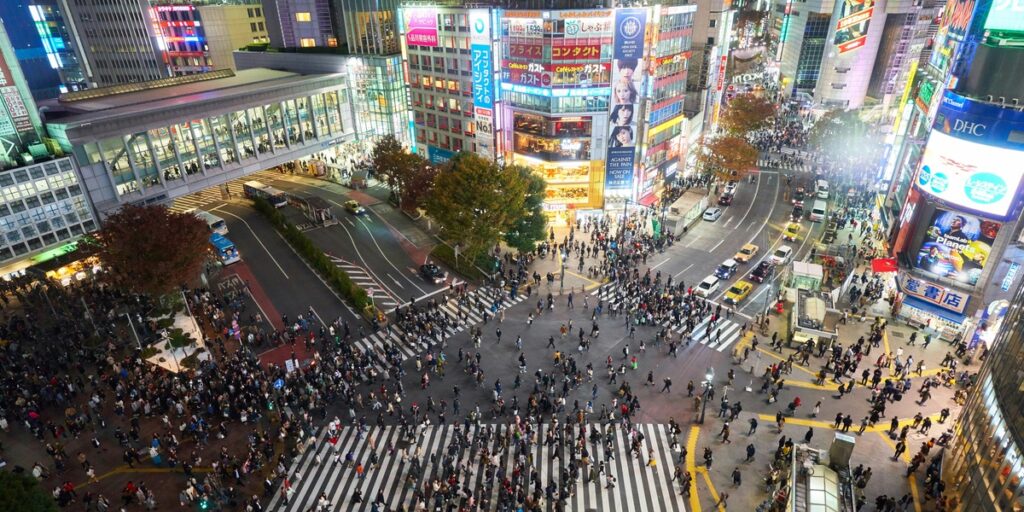
When Tokyo hosted the 1964 Summer Olympics it announced itself to the world as a modern, fast-moving metropolis; the city’s mix of centuries-old temples and neon skyscrapers still surprises first-time visitors.
Short train rides can take you from a quiet shrine to a bustling arcade. Tokyo suits culture lovers, food fans, tech heads, and people who just want wide city views. Tokyo is a city of striking contrasts — tradition rubbing shoulders with futuristic tech — and these 12 experiences capture the city’s coolest, most memorable sides.
Cultural & Historical Experiences
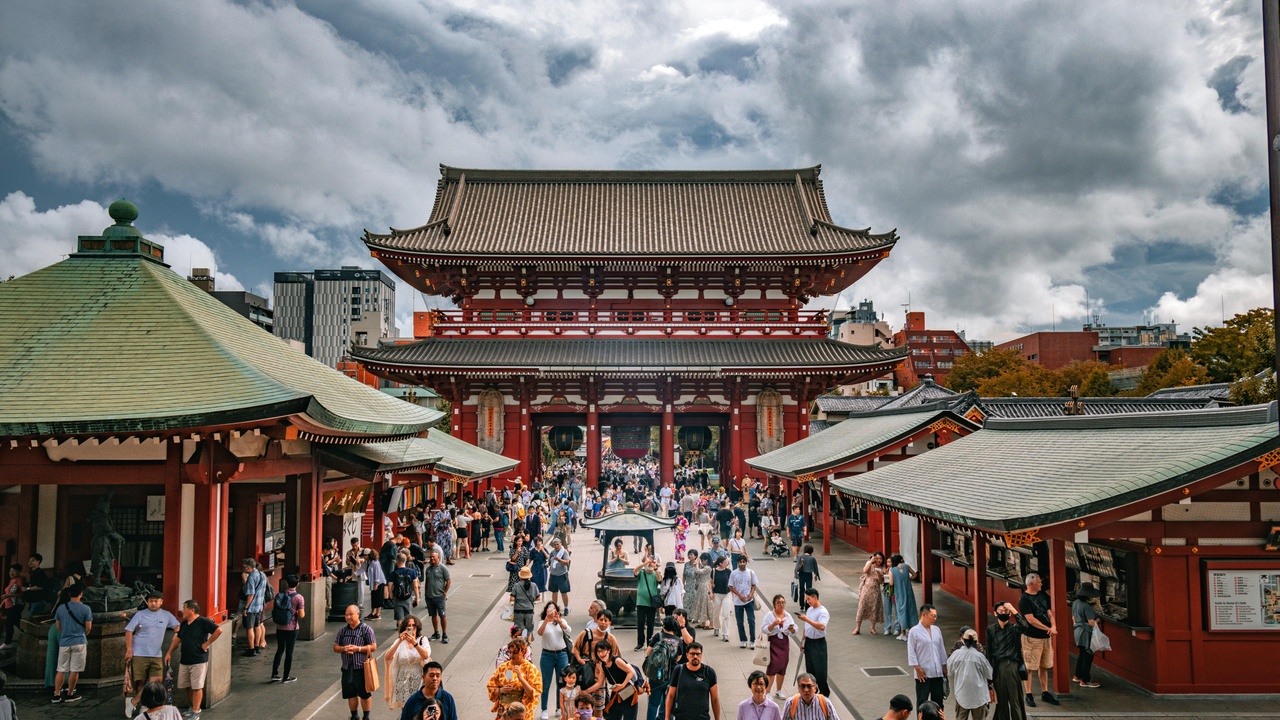
Tokyo’s history is alive in neighborhoods and rituals, not boxed away in museums. Some shrines date back centuries (Senso-ji traces its origins to around 645), and Meiji Shrine was dedicated in 1920. Many sites are walkable or a short train ride apart, making participatory experiences easy to add to any day.
1. Explore Asakusa and Senso-ji Temple
Visit Asakusa to see Tokyo’s oldest temple, Senso-ji. The temple’s origins are often traced to the year 645, and the approach, Nakamise-dori, is lined with stalls selling snacks and souvenirs.
Take a short subway ride to Asakusa Station and arrive early for calmer crowds. Try tamago-yaki, sweet rice crackers, and fresh nigiri from standing sushi stands. If you time it for May you can catch Sanja Matsuri, when huge portable shrines roll through lively streets.
Tip: Dress modestly during rituals and follow local practice when offering at the main hall (bow, wash hands at the basin). The smell of incense, paper lanterns, and the sound of bells make Asakusa feel immediate and tactile.
2. Visit the Imperial Palace and East Gardens
Walk the landscaped grounds of the Imperial Palace, sited on the former Edo Castle grounds. The public East Gardens are peaceful and free to stroll, offering a window into samurai-era layouts amid manicured lawns.
Guided tours of deeper palace areas require advance reservations, so book ahead if you want a fuller visit. Peak seasonal highlights include spring blooms and autumn foliage. Nijubashi Bridge is the classic photo spot, especially in late afternoon light.
Practical tip: Reserve any special tours early and bring a camera for garden details like stone lanterns and mossed paths. The contrast with nearby business districts is striking and quick to experience by train.
3. Attend a tea ceremony or see kabuki at Kabukiza
Book a tea ceremony for a hands-on lesson in Japanese aesthetics, or head to Kabukiza in Ginza for traditional drama. Kabuki has a 400+-year history, and Kabukiza still stages frequent performances.
For visitors, single-act kabuki tickets make theater accessible without committing to a full day. Tea ceremony workshops (45–90 minutes) in neighborhoods like Asakusa and Ueno let you try matcha whisking and learn etiquette.
Tip: Rent headphones or get translated program notes for kabuki; for tea ceremonies, expect low seating and remove shoes when asked. Both experiences reward slow observation and small rituals.
Food & Nightlife
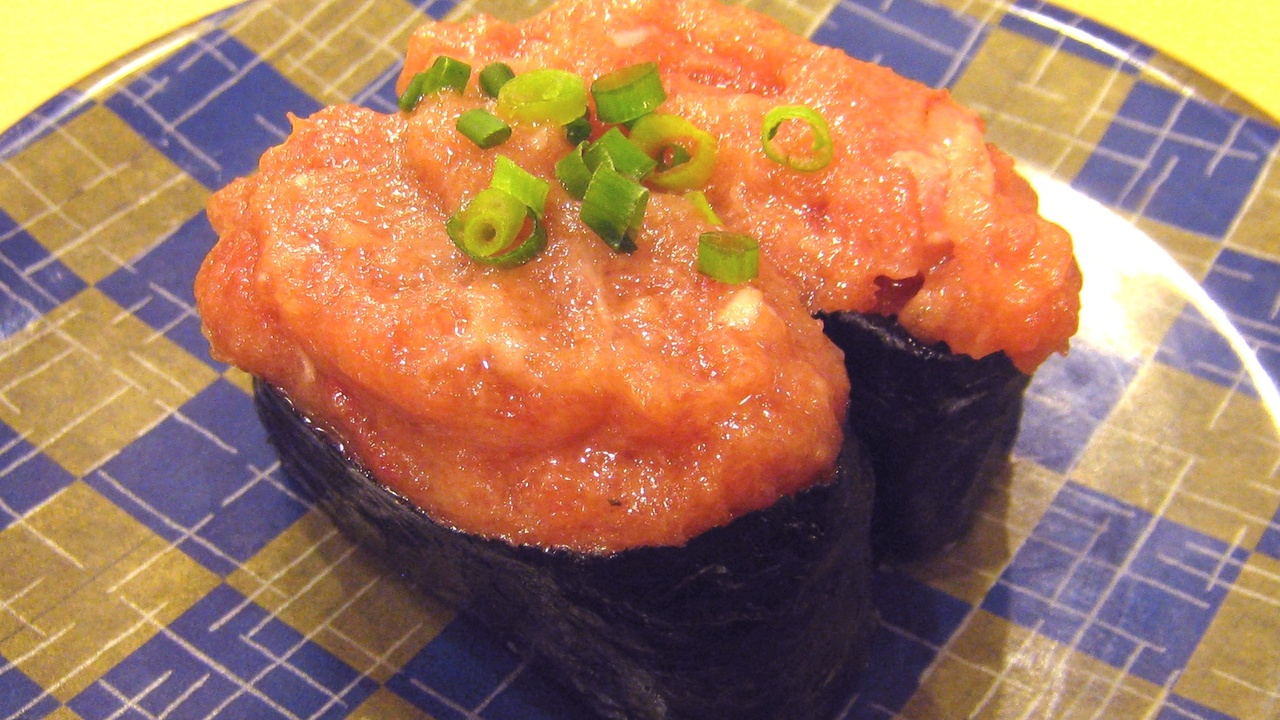
Tokyo’s dining scene runs from street snacks to more than 200 Michelin-starred restaurants. Everyday options — markets, izakaya alleys, and themed cafés — often give more immediate pleasure than fine dining.
Markets moved in 2018 (the wholesale market moved to Toyosu), but Tsukiji’s outer stalls remain lively. Nights in Tokyo can mean tiny yakitori bars, neon-lit lanes, or live music until late.
4. Eat fresh at Tsukiji Outer Market and Toyosu
Sample market-fresh seafood and street food at Tsukiji’s outer stalls and visit Toyosu for the wholesale auction viewing. The auction moved to Toyosu in 2018, but Tsukiji’s stalls still serve excellent sushi and snacks.
Arrive early for the best selection; many stalls close by early afternoon. Try grilled scallops, thick cuts of tuna, and sweet tamago-yaki from family-run vendors. Toyosu offers organized viewing of auctions, though advance booking is required for that.
Practical note: Stand-and-eat at stalls like a local, and respect queueing. Peak hours are early mornings, so plan accordingly if you want the freshest bites.
5. Drink and snack in izakaya alleys — Golden Gai and Omoide Yokocho
Spend an evening hopping small bars in Golden Gai or sampling skewers in Omoide Yokocho. These narrow lanes are full of tightly packed izakaya serving small plates and drinks.
Order a few plates to share; many items range from about ¥300–¥800. Some bars have a one-drink minimum or a seating charge, and a few remain cash-only. Expect noise and close quarters — that’s part of the charm.
Tip: Go after 7pm to catch the vibe, but be prepared for crowds and politely decline photos if owners ask. Golden Gai is full of quirky theme bars; Omoide Yokocho leans more toward classic yakitori.
6. Try themed cafés and late-night entertainment
For playful dining, try a maid café in Akihabara or an animal café in Harajuku. Themed cafés are very popular and often require reservations for busy weekends.
Expect entry or show fees at the most famous spots, above regular café prices. Animal cafés have strict rules about touching and photography; follow them out of respect for the animals and staff.
Late-night live houses and small music venues can keep you entertained past midnight. Book ahead for popular themed cafés to avoid long waits.
Modern Tokyo: Tech, Art & Pop Culture

Tokyo is a hub for electronics, gaming, and immersive digital art. Districts like Akihabara and Harajuku showcase youth culture and gadget malls with hundreds of shops, while teamLab made a big splash with large-scale installations (teamLab Planets opened its popular exhibits in 2018).
These neighborhoods are easy to reach by train and reward hands-on wandering. For tech fans, a couple of hours can reveal rare finds and retro gaming treasures; for art lovers, book timed tickets in advance.
7. Geek out in Akihabara — arcades, retro games, and electronics
Akihabara is the place for multi-floor electronics stores, giant arcades, and retro-game hunting. Spend 1–3 hours wandering Taito Station, crane-machine halls, and specialist shops that sell old cartridges and accessories.
Buy adapters, small gadgets, or novelty souvenirs from big retailers and tiny stalls alike. Arcade tokens and game plays are inexpensive, so try a rhythm game or test your skills at a UFO catcher.
Note the maid-café façades while you browse — they’re part of the district’s scene. If you want rare finds, ask shop staff; some stores specialize in collectibles and will point you to hidden gems.
8. Visit a digital art museum — teamLab and similar experiences
Immerse yourself in room-scale digital art at teamLab Planets (Odaiba) or similar installations. These experiential exhibits use light, projection, and interactivity to create photogenic, walk-through environments.
Timed tickets are common and can sell out, so reserve in advance for popular time slots. Many spaces are wheelchair-friendly, but some rooms require removing shoes or careful footing for full participation.
For better photos and fewer people, aim for weekday mornings or early afternoons. Signature rooms often include mirrored light fields and interactive projection floors that respond to touch.
9. Wander Harajuku for youth fashion, crepes, and anime culture
Harajuku is the epicenter of youth fashion and kawaii culture, with Takeshita Street at its heart. The short, packed promenade has boutiques, crepe stands, and many Instagram-friendly scenes.
Browse indie shops on Takeshita-dori and then walk to Omotesando for designer stores and calmer avenues. Weekends bring heavy foot traffic and occasional street performers, so expect crowds and a lively atmosphere.
Tip: Respect performers and people in costume when taking photos, and carry small change for crepes and souvenirs. Harajuku mixes playful street style with serious shopping in a few blocks.
Nature, Views & Day Trips
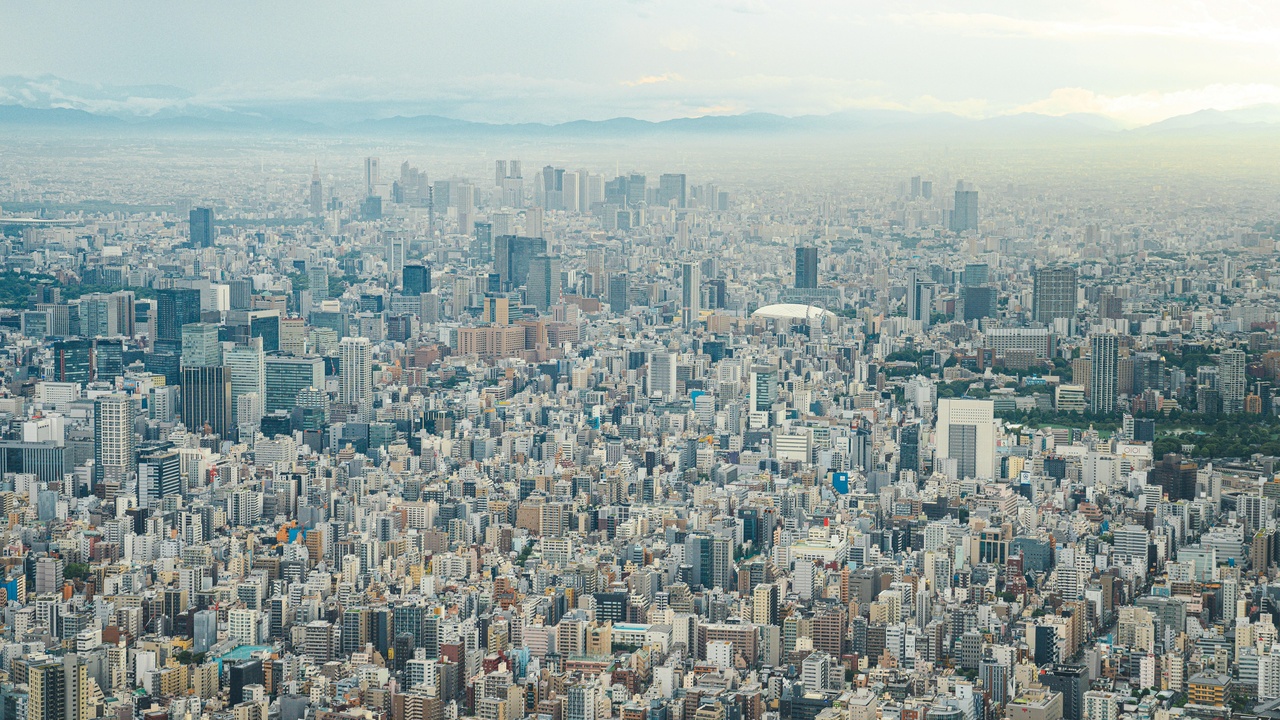
Tokyo balances towering views with green escapes and nearby day trips. Tokyo Skytree stands 634 m tall, and short journeys like the roughly 50-minute train ride to Mount Takao bring hiking and fresh air.
Observation decks, parks, and river cruises each give a different perspective on the metropolis. Plan for sunset views or seasonal windows like cherry blossom and autumn color displays.
10. Take in skyline views from Tokyo Skytree or Tokyo Tower
Head up Tokyo Skytree for panoramic city views; the tower is 634 m high and offers sweeping vistas from its observation decks. The Tembo Deck gives broad daytime views, while higher tiers and night illumination show the city glittering.
Book timed tickets for sunset slots if you want golden light and city lights in one visit. Tokyo Tower also offers classic night illumination and is easier to pair with neighborhoods like Roppongi or Zojo-ji.
Quick tip: Expect queues during peak hours and consider weekday evenings for shorter lines. Bring a jacket — it can be breezy at the top after dusk.
11. Hike Mount Takao for an easy nature escape (~50 minutes from Shinjuku)
Mount Takao is an easy, well-marked day-hike about 50 minutes from Shinjuku by train. Trails range from paved, gentle routes to steeper climbs, so pick a path that matches your energy level.
Take the cable car partway up if you prefer a shorter walk, and visit Yakuo-in Temple on the trail. In autumn the foliage is spectacular, and on clear days the summit can reveal Mount Fuji in the distance.
Packing tip: Bring water, comfortable shoes, and a light jacket. Trails are accessible year-round, but weather can change fast near the top.
12. Stroll Shinjuku Gyoen, Ueno Park, or take a Sumida River cruise
For relaxed green time, visit Shinjuku Gyoen or Ueno Park, both famous for cherry blossoms in late March–early April. A Sumida River cruise offers a waterborne view of bridges, riverside neighborhoods, and city architecture.
Shinjuku Gyoen is spacious and calmer; Ueno Park is lively with museums nearby. Short Sumida River sightseeing cruises run at different times and price points, and evening cruises highlight illuminated buildings.
Tip: On cherry blossom peak days, aim for weekday mornings to avoid crowds. A river cruise pairs well with an evening stroll along the Sumida for illuminated reflections.
Summary
- Mix old and new: pick at least one temple visit, one food area, and one modern attraction to see Tokyo’s contrasts.
- Book timed experiences in advance and plan around seasonal highlights like cherry blossoms or autumn leaves (and sunset slots at observation decks).
- Balance iconic sights with neighborhood wandering — short train rides make diverse Tokyo activities easy to fit into a few days.
- Consider adding a nearby nature trip (Mount Takao) or a river cruise to vary your sightseeing pace.