Qatar’s mix of Gulf tradition and a global workforce shapes how people speak and communicate across the country, from neighborhood markets to government halls. Everyday conversation, business, and media reflect both local and international influences.
There are 2 Official Languages in Qatar, ranging from Arabic to Modern Standard Arabic. For each entry, the data are shown under Official status,Where used,Estimated speakers (people); you’ll find below.
How are Arabic and Modern Standard Arabic used differently in Qatar?
Colloquial Qatari Arabic is the everyday spoken variety for families, shops, and informal settings, while Modern Standard Arabic is the formal register used in government documents, education, official media, and legal texts — think of one as the spoken local dialect and the other as the written/formal standard.
Is English considered an official language or widely used in Qatar?
English is not an official language but it’s widely used across business, higher education, expatriate communities, and many workplaces and services, so non-Arabic speakers can often manage daily life and work in English, though formal government processes typically rely on Arabic.
Official Languages in Qatar
| Language | Official status | Where used | Estimated speakers (people) |
|---|---|---|---|
| Arabic | Official language per constitution | Government, courts, education, media, signage, formal communication | 600,000 |
| Modern Standard Arabic | Not separately constitutional; used as official formal register | Government documents, education, legal texts, national media, formal speeches | 600,000 |
Images and Descriptions

Arabic
Arabic is Qatar’s constitutional official language, used broadly in law, government, courts, education, and national media. It is the primary spoken and written language among citizens and many residents, with formal registers used in official documents and ceremonies.
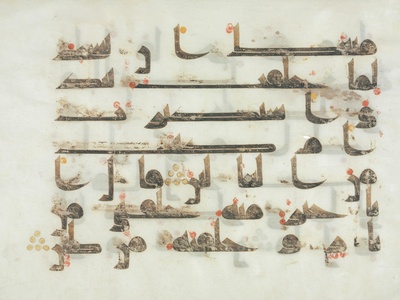
Modern Standard Arabic
Modern Standard Arabic (MSA) is the standardized formal variety used in government documents, education, legal texts, and media broadcasts. It is learned and read widely but not spoken natively; it functions as the formal written and official register across Qatar.