Samoa sits in the heart of the South Pacific, where language and culture shape daily life, ceremony, and community ties. Whether you’re planning a visit, researching policy, or just curious, knowing which languages are used helps make sense of media, education, and legal documents.
There are 2 Official Languages in Samoa, ranging from English to Samoan. Each entry below is organized with the columns Native name, Legal status (source, year), Primary domains so you can quickly see how each language is recognized and where it’s used — you’ll find below.
Which language will I encounter most often in everyday life in Samoa?
Samoan is the dominant language in homes, villages, and cultural contexts; you’ll hear it at markets, churches, and family events. English appears commonly in formal settings like government, higher education, and tourism, so both languages are visible depending on the context.
Is English sufficient for visitors, or should I learn some Samoan?
English will generally get you through towns and tourist services, but learning simple Samoan greetings and phrases is appreciated and opens up friendlier local interactions.
Official Languages in Samoa
| Language | Native name | Legal status (source, year) | Primary domains |
|---|---|---|---|
| Samoan | Gagana Samoa | Constitution of Samoa, 1960 (designated official) | Government, Parliament, schools, courts, media, everyday life |
| English | English | Constitution of Samoa, 1960 (recognised for official use) | Government, courts, education, business, national and international media |
Images and Descriptions
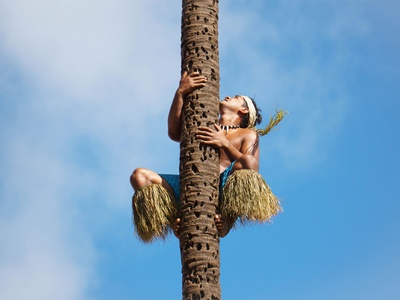
Samoan
Samoan is the indigenous Polynesian language spoken by about 200,000 people in Samoa. It is the primary language of family, church, local media and community life, and is legally recognised for use in government, parliament, courts and education.

English
English is an official language used in government administration, courts, tertiary education and business. Widely taught in schools across Samoa, it serves for legal proceedings, formal education, national and international media, and as a lingua franca in official and commercial contexts.