Italy’s linguistic map reflects centuries of migration, border changes and regional identity: beyond standard Italian you’ll find communities speaking Alpine, Adriatic and Mediterranean languages that still shape local life, schools and signage. These languages appear in public life in different ways depending on history and local law.
There are 13 Official Languages in Italy, ranging from Arbëresh (Italo‑Albanian) to Slovene. For each language you’ll find below the columns Official level,Legal basis,Regions / municipalities — details on whether a language is co‑official, the legal protections behind that status, and the specific areas where it’s used, which you’ll find below.
Are these languages officially recognized across all of Italy?
Only Italian is the sole nationwide official language; the other languages have varying statuses—some are co‑official in autonomous regions or specific municipalities, others are protected by national or regional laws. The list below clarifies the Official level and Legal basis for each language so you can see the extent of recognition.
How can I check which towns or regions use each language?
Look at the Regions / municipalities column in the list below for precise locations; local statutes, regional government sites and cultural associations also publish maps and school program info, and ISTAT or regional language offices will have authoritative references.
Official Languages in Italy
| Language | Official level | Legal basis | Regions / municipalities |
|---|---|---|---|
| Italian | National | Constitution and national law | Nationwide |
| French | Regional co-official | Aosta Valley Statute; Law 482/1999 | Aosta Valley |
| German | Regional co-official | Autonomy Statute Trentino-Alto Adige; Law 482/1999 | South Tyrol (Alto Adige) |
| Ladin | Regional co-official / legally recognized minority | Law 482/1999; provincial statutes | Dolomite valleys in South Tyrol and Trentino |
| Friulian | Legally recognized minority | Law 482/1999; Friuli-Venezia Giulia statute | Province of Udine and Friuli areas |
| Slovene | Legally recognized minority / regional protections | Law 482/1999; Friuli-Venezia Giulia statutes | Trieste, Gorizia, border municipalities |
| Sardinian | Legally recognized minority | Law 482/1999; Regional Statute Sardegna | Island of Sardinia |
| Catalan | Legally recognized minority | Law 482/1999; Sardinia regional provisions | Alghero (Sardinia) municipality |
| Occitan | Legally recognized minority | Law 482/1999; Piedmont regional laws | Occitan valleys in Piedmont |
| Franco-Provençal (Arpitan) | Legally recognized minority | Law 482/1999; regional statutes | Aosta Valley and Piedmont valleys |
| Arbëresh (Italo‑Albanian) | Legally recognized minority | Law 482/1999 | Communities in Calabria, Sicily, Basilicata, Apulia |
| Greek (Griko) | Legally recognized minority | Law 482/1999 | Salento (Apulia) and parts of Calabria |
| Croatian (Molise) | Legally recognized minority | Law 482/1999 | Coastal Molise municipalities (Molise Croats) |
Images and Descriptions

Italian
Italian is the national language used by about 60,000,000 people across Italy. It is the language of government, education and media and serves as the country’s primary official lingua franca, taught and used in all regions.
French
French is co-official in Aosta Valley and protected by regional statute and national minority law. Roughly 40,000 speakers use French or Franco‑Provençal locally; it’s visible in schools, administration and bilingual signage.
German
German is co-official in South Tyrol, spoken by the provincial majority (about 330,000). It appears in schooling, public administration and media under provincial autonomy and national protections.
Ladin
Ladin is a Rhaeto‑Romanic language spoken by about 30,000 people in alpine valleys. It has co‑official or protected status locally, with schooling and cultural support in several municipalities.
Friulian
Friulian is a Romance language spoken by roughly 600,000 people in Friuli. Legally protected, it appears in regional education and cultural programs and is an important local identity marker.
Slovene
Slovene is recognized along the north‑east border and counts about 50,000 speakers in Italy. It enjoys language rights in education, media and administration in bilingual municipalities.
Sardinian
Sardinian is a major Romance language with about 1,000,000 speakers. Recognized nationally and regionally, it receives measures for teaching, broadcasting and cultural promotion across Sardinia.
Catalan
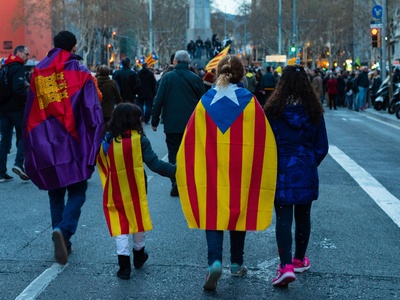
Catalan (Algherese) is legally protected in Alghero, spoken by around 20,000 people. It is used in local schooling, signage and cultural life, reflecting historical ties with Catalonia.
Occitan
Occitan is protected in several Piedmont valleys, with about 30,000 speakers. Regional laws and national recognition support cultural initiatives, bilingual education and signage in local communities.
Franco-Provençal (Arpitan)
Franco‑Provençal (Arpitan) is recognized and protected in Aosta Valley and parts of Piedmont; roughly 60,000 speakers maintain local varieties, cultural associations and some bilingual education.
Arbëresh (Italo‑Albanian)
Arbëresh refers to Italo‑Albanian varieties spoken by about 100,000 people in southern Italy. Recognized by law, these communities preserve language, religious rites and cultural traditions with local schooling support.
Greek (Griko)
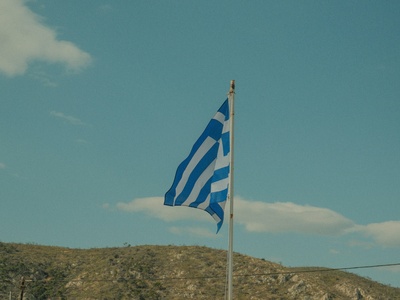
Griko (southern Italian Greek) is spoken by roughly 30,000 people in Salento and some Calabrian villages. Legally protected, it appears in cultural programs and targeted education for preserving this Hellenic heritage.
Croatian (Molise)
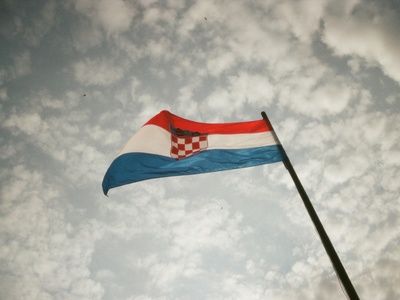
The Croatian minority in Molise counts about 2,500 speakers. Recognized under national law, it has rights for schooling, cultural promotion and some bilingual signage in a few coastal municipalities.