Tunisia sits at the crossroads of North Africa and the Mediterranean, and its language choices shape identity, administration and daily life across the country. Public signage, schooling and media reflect a blend of historical influences that inform modern policy.
There are 1 Official Languages in Tunisia, ranging from Arabic to Arabic. To keep things clear, each entry is organized with the columns Legal status,Official since (year),Usage domains — you’ll find below the concise list and details for each entry.
Is Arabic the only language used in official settings like courts and schools in Tunisia?
Arabic is the primary language of government and formal education, and it dominates courts and official documents, though French remains widely used in higher education, administration and business as a de facto secondary language.
Are any minority languages officially recognized or protected?
Minority and regional languages such as Berber (Tamazight) have cultural recognition and local use, but they do not have the same nationwide official status as Arabic; language policy is mostly centered on Arabic with practical space for French and regional languages.
Official Languages in Tunisia
| Language | Legal status | Official since (year) | Usage domains |
|---|---|---|---|
| Arabic | Official (constitutional) | 1959 | government, education, media, courts, official documents |
Images and Descriptions
Arabic
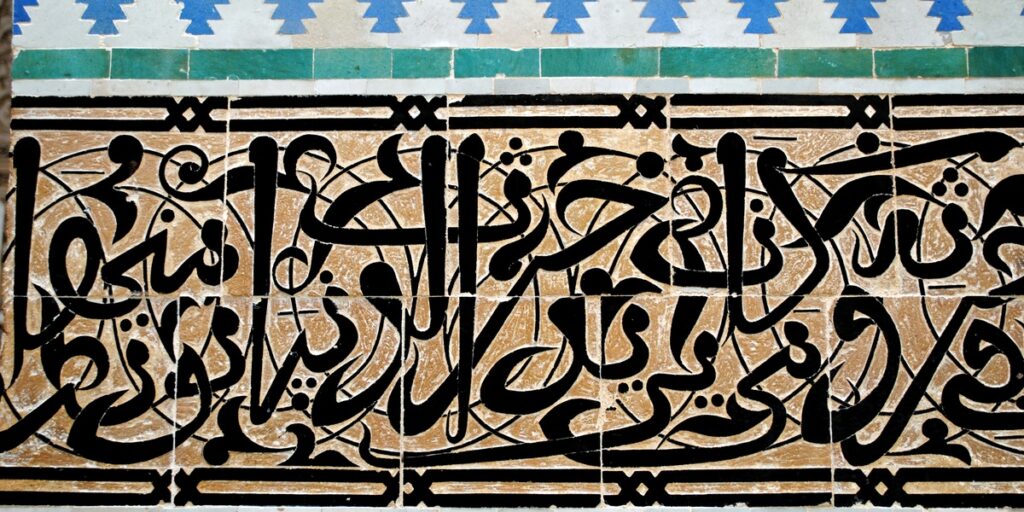
Modern Standard Arabic is the state’s official language per Tunisia’s constitution; it’s used in government, courts, education, formal media and official documents. It derives from Classical Arabic, serves as the national written standard, and differs from local Tunisian Arabic dialects used in daily speech.