The Gambia is a compact West African country where river towns, markets, and family networks keep several languages alive. Everyday life mixes local speech with school and government use, so a small geographic area still hosts rich linguistic variety.
There are 15 Languages Spoken in Gambia, ranging from Aku (Krio/Gambian Creole) to Wolof. For each language the list below shows ISO code, Speakers (approx), Status — you’ll find below.
Which languages will help me communicate with most people in The Gambia?
Wolof is the most widely used lingua franca in urban areas and markets, while Mandinka, Fula, and Jola are common regionally; Aku (Krio) appears in some coastal communities. If you learn Wolof for daily interactions and English for formal settings, you’ll cover most practical situations.
Is English the official language and how does that affect everyday use?
Yes — English is the official language used in government, media, and education, but most Gambians speak a local language at home, so bilingualism is normal and local languages remain vital for community life.
Languages Spoken in Gambia
| Name | ISO code | Speakers (approx) | Status |
|---|---|---|---|
| Mandinka | mnk | 950,000 | national |
| Fula (Pulaar) | ful | 525,000 | regional |
| Wolof | wol | 450,000 | lingua franca |
| Serer | srr | 87,500 | regional |
| Jola (Diola) | dyo | 100,000 | regional |
| Soninke | snk | 57,500 | minority |
| Manjaku (Manjak) | n/a | 47,500 | minority |
| Aku (Krio/Gambian Creole) | kri | 37,500 | minority |
| English | en | 150,000 | official |
| Arabic | ara | 25,000 | minority |
| French | fr | 15,000 | minority |
| Hausa | hau | 10,000 | immigrant |
| Gambian Sign Language | n/a | 3,000 | minority |
| Guinea-Bissau Kriolu | n/a | 10,000 | immigrant |
| Bambara | bam | 5,000 | immigrant |
Images and Descriptions
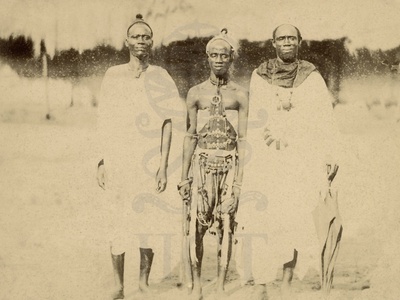
Mandinka
Mandinka is a Mande language and the largest ethnic language in The Gambia, spoken widely across central and eastern regions and by diaspora communities. It’s central to Gambian culture, oral history, and widely used in rural markets and ceremonies.

Fula (Pulaar)
Fula (Pulaar) is spoken by Fulɓe communities in central and eastern Gambia and along the Senegal border. Pastoralist traditions and cross-border networks sustain its use; many speakers are bilingual in Mandinka or Wolof.
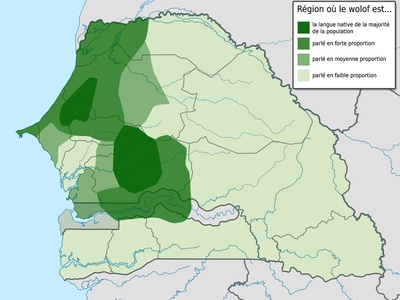
Wolof
Wolof is widely used as an urban lingua franca, especially in Banjul and coastal towns. Originating among Senegalese Wolof communities, it functions as a common second language in markets, media, and youth culture across The Gambia.
Serer
Serer is spoken mainly in western and southwestern Gambian districts by the Serer people. It has close ties to Senegambian cultural practices, local agricultural vocabulary, and coexists with Wolof and Mandinka in multilingual communities.
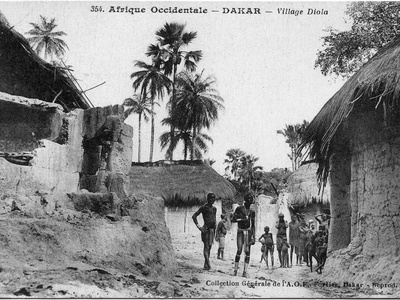
Jola (Diola)
Jola (Diola) languages are used in the southwest, particularly near mangroves and riverine areas. Jola speakers maintain distinctive musical and agricultural traditions; many are multilingual and use Mandinka or Wolof as second languages.
Soninke
Soninke is spoken by the Soninke (Maraka) communities mainly in the North Bank and riverine zones. Historically tied to the Ghana Empire and regional trade, it remains a small but culturally significant language.

Manjaku (Manjak)
Manjaku (Manjak) is a Senegambian language spoken in western Gambia near the Guinea-Bissau border. Small rural communities use it at home; many speakers are bilingual in Mandinka, Kriol, or Portuguese-influenced varieties.
Aku (Krio/Gambian Creole)
Aku (Sierra Leonean Krio) is an English-based creole used by the Aku community in Banjul and coastal towns. It functions as an urban minority language with distinct Afro-creole vocabulary and social identity.
English
English is The Gambia’s official language used in government, education, law, and formal media. Native speakers are few, but many Gambians use it as a second language in formal and urban contexts.
Arabic
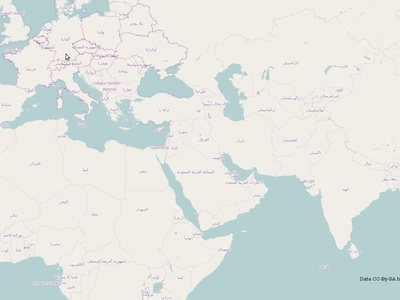
Arabic (Classical/Modern Standard and dialectal use) appears mainly in Quranic education, Islamic scholarship, and religious life. Small immigrant communities also use colloquial Arabic varieties for worship and transnational ties.
French
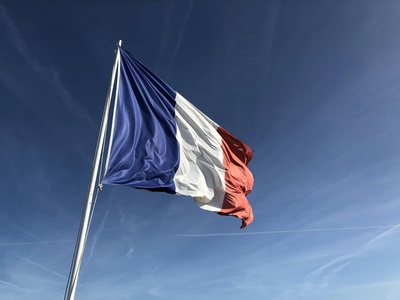
French is taught in schools and used for regional diplomacy and trade with Francophone neighbors. It is spoken by a small urban elite, educators, and cross-border traders, especially in eastern and southern border areas.
Hausa
Hausa is used by a small community of traders and immigrants, serving as a market and trade language in parts of The Gambia. Some northern towns and marketplaces feature Hausa speakers and Hausa-associated commerce.

Gambian Sign Language
Gambian Sign Language is used by deaf communities in urban centers such as Banjul, Kanifing, and Farafenni. Usage varies; NGOs and educators are developing resources and advocacy for deaf education and recognition.
Guinea-Bissau Kriolu
Guinea-Bissau Kriolu is a Portuguese-based creole used by immigrants and cross-border families in western Gambia. It appears in community life, informal trade, and family domains among Guinea-Bissau-origin populations.
Bambara
Bambara is spoken by small Malian immigrant communities and traders near the eastern border. As a Mande language related to Mandinka, it appears in private use and transnational trade networks.