Kenya’s regions host a rich patchwork of communities and everyday languages, shaped by coastal trade, highland farming, pastoralism and long-standing local ties. That variety is part of daily life, local knowledge and cultural identity across towns and rural areas.
There are 50 Indigenous Languages in Kenya, ranging from Aweer (Boni) to Yaaku. For each entry you’ll find below the Native name,Family,Speakers (approx) so you can quickly see linguistic family and approximate speaker size for comparison.
How were these Indigenous languages selected and their speaker numbers estimated?
The list reflects languages traditionally spoken in Kenya and draws on national census data, linguistic surveys and reference works; “indigenous” here means languages with historical roots in the territory. Speaker figures are approximate because different sources and collection years produce variation, so treat counts as estimates rather than exact current totals.
Which languages on the list are most vulnerable and where can I find more information?
Languages with very small speaker bases—often those confined to a single community like Yaaku or small hunter-gatherer tongues—are typically most at risk. For deeper details, check Ethnologue, UNESCO’s endangered languages resources, academic studies and local language preservation projects or university departments that work directly with communities.
Indigenous Languages in Kenya
| Name | Native name | Family | Speakers (approx) |
|---|---|---|---|
| Kikuyu | Gĩkũyũ | Bantu | 8,100,000 (2019) |
| Kamba | Kikamba | Bantu | 4,700,000 (2019) |
| Bukusu | Lubukusu | Bantu | 1,200,000 (2019) |
| Maragoli | Logooli | Bantu | 1,000,000 (2019) |
| Gusii | Ekegusii | Bantu | 2,000,000 (2019) |
| Meru | Kimeru | Bantu | 1,500,000 (2019) |
| Embu | Kĩembu | Bantu | 600,000 (2019) |
| Mbeere | Kimbeere | Bantu | 150,000 (2019) |
| Swahili | Kiswahili | Bantu | 2,000,000 (approx L1, 2019) |
| Pokomo | Kipokomo | Bantu | 100,000 (2019) |
| Giriama | Chigiriama | Bantu | 500,000 (2019) |
| Digo | Kidigo | Bantu | 200,000 (2019) |
| Duruma | Kiduruma | Bantu | 40,000 (2019) |
| Rabai | Kirabai | Bantu | 30,000 (2019) |
| Taita (Dawida) | Dawida | Bantu | 100,000 (2019) |
| Taveta | Kitaveta | Bantu | 25,000 (2019) |
| Suba | Súba | Bantu | 50,000 (2019) |
| Kuria | Kuria | Bantu | 300,000 (2019) |
| Dholuo | Dholuo | Nilotic (Western) | 1,800,000 (2019) |
| Kipsigis | Kipsigis | Nilotic (Southern) | 1,900,000 (2019) |
| Nandi | Nandi | Nilotic (Southern) | 600,000 (2019) |
| Tugen | Tugen | Nilotic (Southern) | 120,000 (2019) |
| Keiyo | Keiyo (Elgeyo) | Nilotic (Southern) | 100,000 (2019) |
| Marakwet | Markweta | Nilotic (Southern) | 90,000 (2019) |
| Pokot | Pokot | Nilotic (Southern) | 600,000 (2019) |
| Sabaot | Sabaot | Nilotic (Southern) | 200,000 (2019) |
| Maasai | Maa | Nilotic (Eastern) | 1,200,000 (2019) |
| Samburu | Samburu | Nilotic (Eastern) | 150,000 (2019) |
| Turkana | Turkana | Nilotic (Eastern) | 1,000,000 (2019) |
| Somali | Af-Soomaali | Cushitic | 2,800,000 (2019) |
| Orma | Orma | Cushitic (Oromo subgroup) | 200,000 (2019) |
| Borana | Borana (Oromo) | Cushitic (Oromo subgroup) | 160,000 (2019) |
| Gabra | Gabra (Afar/Oromo group) | Cushitic | 80,000 (2019) |
| Rendille | Rendille | Cushitic | 35,000 (2019) |
| Dahalo | Dahalo | Cushitic | 2,000 (approx) |
| Aweer (Boni) | Aweer | Cushitic | 3,000 (approx) |
| Yaaku | Yaaku (Mukogodo) | Cushitic (formerly) | 100 (few speakers) |
| El Molo | El Molo | Cushitic (Eastern) | 40 (very few) |
| Sakuye | Sakuye | Cushitic (Oromo subgroup) | 20,000 (2019) |
| Segeju | Segeju | Bantu | 5,000 (approx) |
| Boni (coastal) | Boni | Cushitic | included in Aweer entry (see Aweer) |
| Mijikenda (group) | Mijikenda (e.g., Giriama, Digo) | Bantu | 700,000 (combined, 2019) |
| Bukusu (duplicate removed) | Lubukusu | Bantu | see Bukusu entry above |
| Kamba (duplicate removed) | Kikamba | Bantu | see Kamba entry above |
| Tharaka | Kitharaka | Bantu | 60,000 (2019) |
| Chuka | Gichuka | Bantu | 100,000 (2019) |
| Igembe Meru | Igembe | Bantu | 200,000 (2019) |
| Kipsikiis (alternate) | Kipsigis | Nilotic (Southern) | see Kipsigis entry above |
| Southern Nilotic (group) | Southern Nilotic (Kalenjin group) | Nilotic | 4,000,000 (combined, 2019) |
| NotesRow | (meta) | (meta) | (meta) |
Images and Descriptions

Kikuyu
Spoken across central Kenya (Kiambu, Kirinyaga, Murang’a, Nyeri). One of Kenya’s largest indigenous languages with strong literary and political presence; widely used in local media, education and cultural life, not considered endangered.
Kamba
Mainly spoken in Eastern Kenya (Machakos, Kitui, Makueni). Kamba has a rich oral tradition and strong presence in trade and crafts; widely used regionally though many speakers are bilingual in Swahili and English.
Bukusu
A major Luhya subgroup language in Bungoma and surrounding areas of western Kenya. Bukusu is culturally vibrant with music and ceremony traditions; it remains vital and widely used in daily life and local education.
Maragoli
One of the larger Luhya languages, spoken in Vihiga and parts of Kakamega. Maragoli has active community media and schools using the language; it enjoys solid intergenerational transmission.
Gusii
Spoken in Kisii and Nyamira counties of southwestern Kenya. Gusii is well-attested in local publishing, schools, and radio with strong community resilience and cultural expression.
Meru
Used by the Meru people on the northeastern slopes of Mount Kenya (Meru County). Distinct from Embu and Mbeere though related; active in local administration and cultural life.
Embu
Spoken around Embu County on Mount Kenya’s eastern slopes. Embu is used in community life and local media; it shares affinities with Meru and Mbeere.
Mbeere
Found in Mbeere (Embu County) along the upper Tana River. Smaller Bantu language with local cultural importance; some shift to Swahili and Embu occurs among younger speakers.
Swahili
Kenya’s national language and lingua franca, with longstanding coastal roots. Many Kenyans are second-language speakers; Kiswahili has official status and extensive literature, education and media presence.
Pokomo
Spoken along the Tana River in coastal and riverine communities. Pokomo has distinct dialects tied to farming and river cultures; smaller speaker base but still used in homes.
Giriama
One of the Mijikenda languages along Kenya’s north coast (Kilifi, Kilindini areas). Giriama features strong coastal cultural traditions, music and oral history; vitality is moderate.
Digo
Spoken in southern coastal Kenya (Kwale, parts of Mombasa) and northern Tanzania. Digo is one of the Mijikenda languages with active community identity and coastal cultural life.
Duruma
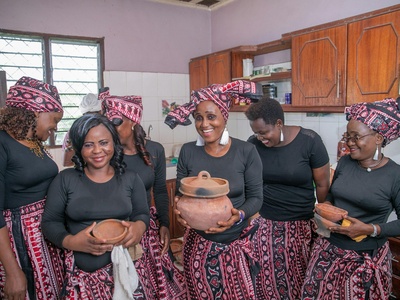
A smaller Mijikenda language in Kwale and coastal hinterland. Duruma communities retain traditions but face some pressure from Kiswahili and larger coastal languages.
Rabai
Spoken around Mombasa and the lower coast; part of the Mijikenda cluster. Rabai retains distinctive coastal traditions and historical ties to early Swahili culture.
Taita (Dawida)
Spoken in the Taita Hills (Taita-Taveta County). Taita has several local varieties and rich oral literature; upland isolation has helped preserve linguistic features but modernization brings language contact.
Taveta
Found near the Kenya–Tanzania border in Taita-Taveta County. Taveta is small but historically rooted in cross-border trade and hill-farming communities.
Suba
Spoken by communities on islands and shores of Lake Victoria (Homa Bay, Migori). Suba has seen heavy shift to Luo; some efforts aim to revive the language and cultural identity.
Kuria
Found along the Lake Victoria highlands and border with Tanzania (Migori, Kuria regions). Kuria speakers are bilingual with Kiswahili and Luo influences; language remains vital locally.
Dholuo
Spoken by the Luo people in Nyanza (Kisumu, Siaya, Homa Bay) and parts of Nairobi. Dholuo has strong literature, media presence and cultural influence around Lake Victoria; actively transmitted to children.
Kipsigis
A major Kalenjin language in Rift Valley (Kericho, Bomet). Kipsigis is important regionally with strong cultural practices around cattle and agriculture; widely spoken and not endangered.
Nandi
Spoken in Nandi County and parts of Rift Valley. Nandi is a central Kalenjin language with active cultural institutions and local use in ceremonies and media.
Tugen
Used in Baringo County highlands. Tugen is one of the smaller Kalenjin languages with local cultural life and some bilingualism in Swahili.
Keiyo
Spoken in Elgeyo-Marakwet County; Keiyo has distinctive songs and oral tradition, used locally though community size is modest.
Marakwet
Spoken in parts of Elgeyo-Marakwet; closely related to Keiyo and other Kalenjin languages, with strong local identity and rituals tied to upland farming.
Pokot
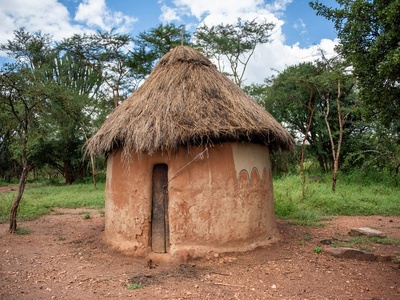
Spoken in West Pokot and parts of Baringo and Turkana. Pokot communities practice mixed pastoralism and agriculture; language has good vitality across a wide area.
Sabaot
A Mount Elgon Kalenjin group (Bungoma, Trans Nzoia). Sabaot includes several varieties; strong cultural traditions and community efforts to sustain language use.
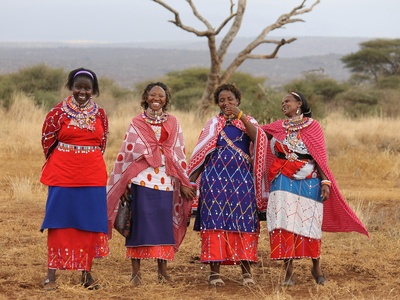
Maasai
Spoken by Maasai communities in Narok, Kajiado and parts of Rift Valley and northern Kenya. Maa is central to pastoralist culture; cross-border with Tanzania but actively spoken and culturally prominent.
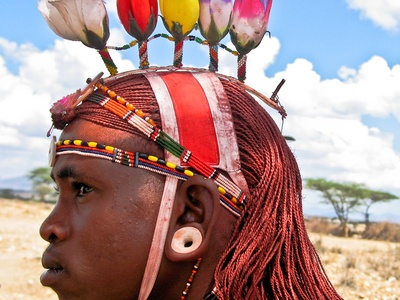
Samburu
Closely related to Maasai but distinct variety spoken by Samburu people in Samburu County and northern Rift Valley. Maintains pastoralist vocabulary and oral practices.
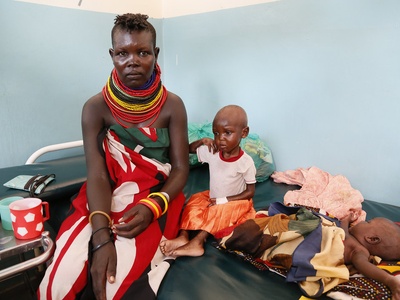
Turkana
Spoken in Turkana County and northern Kenya. Turkana is a major Nilotic language with strong pastoralist lexicon; used widely in community life despite harsh environment.
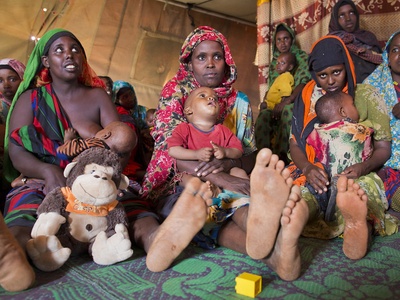
Somali
Spoken by Somali communities in northeastern Kenya (Mandera, Garissa, Wajir) and urban centers. Somali is a major Cushitic language with strong literary, media and cross-border ties to Somalia and Ethiopia.
Orma
Spoken by Orma people along the Tana River and Tana Delta. Orma is related to Oromo varieties and has deep roots in coastal–riverine pastoral and farming communities.
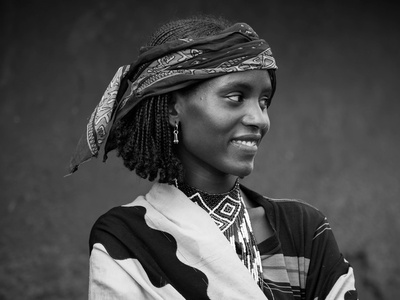
Borana
Borana Oromo communities live in northern Kenya (Marsabit, Isiolo) and southern Ethiopia. The language is used in pastoralist networks with cross-border cultural continuity.
Gabra
Spoken around Marsabit and Moyale by the Gabra (also called Gebra). Gabra communities are pastoralists in the northern frontier; the language remains vital locally.
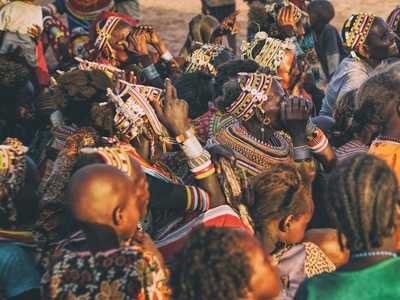
Rendille
Used by Rendille pastoralists in Marsabit County and surrounding arid zones. Rendille is notable for camel pastoralist vocabulary and alternation with neighboring languages; smaller but living community.
Dahalo
A critically endangered Cushitic language on the coastal hinterland near Kilifi and Tana River. Notable for unusual phonetic features (clicks); very few fluent speakers remain and revitalization is urgent.
Aweer (Boni)
Endangered language of hunter-gatherer Aweer (Boni) communities in Lamu and Tana River areas. Aweer has unique cultural practices and faces intense pressure from Swahili and Somali.
Yaaku
Traditional language of the Yaaku (Mukogodo) in Laikipia and Meru foothills; largely replaced by Maasai and Kikuyu, with only a handful of elders retaining vocabulary and cultural knowledge.
El Molo
One of Kenya’s smallest language communities on Lake Turkana’s shores; El Molo is highly endangered with very few fluent speakers, distinct from neighboring Nilotic languages.
Sakuye
Spoken in parts of Tana River and Garissa; Sakuye communities are agro-pastoralists with a language closely related to some Oromo varieties yet locally distinct in identity.
Segeju
A small Bantu language around the coast near Tana River and Lamu islands; Segeju speakers have mixed identity and the language faces pressure from Swahili and neighboring groups.
Boni (coastal)
Boni/Aweer refers to small coastal hunter-gatherer communities; see Aweer for status and region.
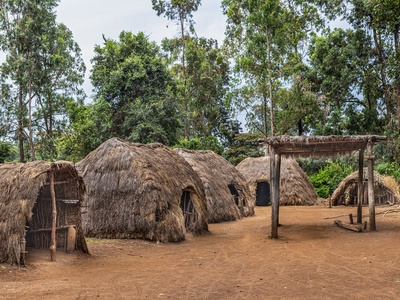
Mijikenda (group)
Umbrella term for nine related coastal Bantu languages and communities (Giriama, Digo, Duruma, Rabai, Jibana etc.). Strong coastal identity and historical ties to Swahili culture; vitality varies by subgroup.
Bukusu (duplicate removed)
Included earlier as a major Luhya language in Bungoma; retains strong local usage and cultural traditions.
Kamba (duplicate removed)
Included earlier; major Eastern Kenyan language with rich oral traditions.
Tharaka
Spoken in Tharaka-Nithi County beside Meru and Embu communities. Tharaka has local cultural practices and some mutual intelligibility with Meru, though distinct identity.
Chuka
Found in Meru County (Chuka area); closely related to Meru but recognized as a distinct variety with local literature and schools using the language.
Igembe Meru
One of Meru’s varieties spoken on Mount Kenya’s northeastern slopes, with active community cultural life and use in local contexts.
Kipsikiis (alternate)
Already listed as a major Kalenjin language of Kericho and Bomet; culturally central and widely spoken.
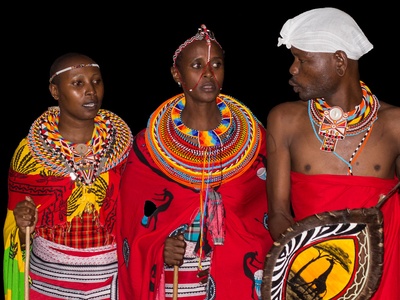
Southern Nilotic (group)
Label for the cluster including Kipsigis, Nandi, Tugen, Keiyo, Marakwet, Pokot and others. Important Rift Valley languages with strong local institutions and varied vitality.
NotesRow
This CSV lists widely recognized indigenous languages with historic native-speaking communities in Kenya; numbers are approximate and reflect recent census or linguist estimates.