Bulgaria’s landscape is a patchwork of ruins, fortresses, monasteries and archaeological sites that trace Thracian, Roman, Byzantine and medieval Bulgarian history. From coastal caves to mountain strongholds, these places make the past easy to explore on short trips or longer road journeys.
There are 59 Historical Places in Bulgaria, ranging from Aladzha Monastery to Veliki Preslav; each entry is organized with Location (city/region),Era (century or year),Significance — you’ll find below.
When is the best time to visit these historical sites?
Spring and early autumn are the nicest times: milder weather, fewer crowds, and easier access to mountain and rural sites. Summer works for coastal locations but expect heat and more tourists; winter can be atmospheric but check opening times and road conditions in advance.
How can I plan an efficient route to see several sites?
Group sites by region (Black Sea coast, Sofia area, Rhodope Mountains, and the northeastern plains) and allow travel time between towns; many places sit near each other and can be combined into day trips. Use the Location (city/region) column to map clusters and prioritize by Era or Significance depending on your interests.
Historical Places in Bulgaria
| Name | Location (city/region) | Era (century or year) | Significance |
|---|---|---|---|
| Rila Monastery | Rila Mountains (Blagoevgrad Province) | 10th century | Major Orthodox monastery, spiritual and architectural landmark |
| Boyana Church | Sofia (Sofia Province) | 13th century | Medieval frescoes of 1259, UNESCO World Heritage site |
| Thracian Tomb of Kazanlak | Kazanlak (Stara Zagora Province) | 4th century BC | Thracian burial with Hellenistic frescoes, UNESCO World Heritage |
| Sveshtari Tomb | Isperih (Razgrad Province) | 3rd century BC | Unique Thracian tomb with sculptural decor, UNESCO site |
| Madara Rider | Madara (Shumen Province) | 8th century AD | Early medieval rock relief honoring Bulgar rulers, UNESCO World Heritage |
| Nessebar | Nessebar (Burgas Province) | 5th century BC | Ancient town with layered ruins and many medieval churches, UNESCO World Heritage |
| Ivanovo Rock Churches | Ivanovo (Ruse Province) | 12th–14th century | Rock-cut churches with extensive frescoes, UNESCO-listed complex |
| Tsarevets | Veliko Tarnovo (Veliko Tarnovo Province) | 12th–14th century | Fortified medieval capital complex of the Second Bulgarian Empire |
| Perperikon | Krumovgrad (Kardzhali Province) | 3rd millennium BC–Antiquity | Ancient Thracian sanctuary and city, major archaeological site |
| Belogradchik Fortress | Belogradchik (Vidin Province) | 1st century AD | Fortress built among striking rock formations, Roman to Ottoman layers |
| Roman Theatre of Plovdiv | Plovdiv (Plovdiv Province) | 2nd century AD | Well-preserved Roman theatre still used for performances and events |
| Plovdiv Old Town | Plovdiv (Plovdiv Province) | 4th century BC–Roman era | Historic district with Roman, Byzantine, and Revival architecture |
| Troyan Monastery | Troyan (Lovech Province) | 16th century | Important Orthodox monastery noted for iconography and cultural heritage |
| Bachkovo Monastery | Asenovgrad (Plovdiv Province) | 11th century | Second largest monastery with Byzantine and medieval Bulgarian heritage |
| Shipka Monument | Shipka Pass (Stara Zagora Province) | 1877 | Memorial to Russo-Turkish War and Bulgarian liberation, panoramic museum |
| Rozhen Monastery | Melnik (Blagoevgrad Province) | 13th–14th century | Medieval monastery with frescoes near historic Melnik region |
| Melnik | Melnik (Blagoevgrad Province) | 11th–14th century | Small historic town with Bulgarian Revival architecture and wine tradition |
| Alexander Nevsky Cathedral | Sofia (Sofia Province) | 20th century | Neo-Byzantine cathedral, national symbol and major historic church |
| National Historical Museum | Sofia (Sofia Province) | 20th century (building) | Bulgaria’s largest history museum housed in the former royal palace |
| Varna Roman Baths | Varna (Varna Province) | 2nd century AD | Largest Roman baths in Bulgaria, significant archaeological complex |
| Varna Necropolis | Varna (Varna Province) | 5th millennium BC | Prehistoric burial site with the oldest processed gold artifacts |
| St. George Rotunda | Sofia (Sofia Province) | 4th century AD | Oldest preserved building in Sofia with medieval fresco layers |
| Shumen Fortress | Shumen (Shumen Province) | 5th–18th century | Hilltop fortress with Thracian, Roman, Byzantine, and Ottoman remains |
| Provadia-Solnitsata | Provadia (Varna Province) | 5th millennium BC | Neolithic fortified salt-production settlement, among Europe’s oldest towns |
| Kabile | Yambol (Yambol Province) | 7th century BC | Thracian city later Roman fortress with extensive archaeological remains |
| Nicopolis ad Istrum | Veliko Tarnovo region (Veliko Tarnovo Province) | 2nd century AD | Roman city ruins with forum, baths and colonnaded streets |
| Deultum (Debelt) | Debelt (Burgas Province) | 1st century AD | Roman colonial town and early Byzantine remains near Burgas |
| Sozopol Old Town | Sozopol (Burgas Province) | 6th century BC | Ancient Greek colony with medieval churches and wooden architecture |
| Anchialos (Pomorie) | Pomorie (Burgas Province) | 5th century BC | Ancient Greek colony with archaeological remains and historic salt production |
| Kaliakra Fortress | Kaliakra (Dobrich Province) | 1st century AD–medieval | Coastal promontory fortress with prehistoric, Roman and medieval layers |
| Hisarya | Hisarya (Plovdiv Province) | 1st century AD | Renowned Roman baths, fortifications and extensive ancient ruins |
| Asen’s Fortress | Asenovgrad (Plovdiv Province) | 11th–14th century | Medieval cliff-top fortress with the Church of St. Nicholas |
| Serdica Archaeological Complex | Sofia (Sofia Province) | 2nd–4th century AD | Roman urban remains visible beneath modern Sofia streets |
| Koprivshtitsa | Koprivshtitsa (Sofia Province) | 19th century | Bulgarian Revival town famed for preserved historic houses and 1876 uprising heritage |
| Veliki Preslav | Veliki Preslav (Shumen Province) | 9th–10th century | Capital of the First Bulgarian Empire, palace and church ruins |
| Pliska | Pliska (Shumen Province) | 7th–9th century | First Bulgarian capital with Great Basilica and fortress remains |
| Magura Cave | Rabisha (Vidin Province) | Late Paleolithic–Bronze Age | Cave with prehistoric paintings and artifacts spanning millennia |
| Baba Vida | Vidin (Vidin Province) | 10th–14th century | Well-preserved medieval river fortress, Vidin symbol |
| Kovachevitsa | Kovachevitsa (Blagoevgrad Province) | 18th–19th century | Revival-era village preserved as an architectural and cultural reserve |
| Etar | Gabrovo (Gabrovo Province) | 19th century (Revival) | Open-air ethnographic complex showcasing Bulgarian Revival crafts and architecture |
| Bozhentsi | Bozhentsi (Gabrovo Province) | 18th–19th century | Well-preserved Revival village declared an architectural reserve |
| Aladzha Monastery | Golden Sands (Varna Province) | 12th–14th century | Medieval cliff monastery with fresco remains near the Black Sea coast |
| Panagyurishte | Panagyurishte (Pazardzhik Province) | 19th century | Center of the April Uprising; museum houses Panagyurishte Treasure |
| St. Sofia Church | Sofia (Sofia Province) | 6th century AD | Early Byzantine church giving the city its name, historic landmark |
| Banya Bashi Mosque | Sofia (Sofia Province) | 16th century | Ottoman-era mosque, among Sofia’s oldest functioning religious buildings |
| Durostorum (Silistra) | Silistra (Silistra Province) | 1st century AD | Roman military camp turned urban center with archaeological remains |
| St. Ivan Island | Sozopol (Burgas Province) | 6th–14th century | Island with medieval monastery ruins and ancient church remains |
| Nikopol Fortress | Nikopol (Pleven Province) | 14th–15th century | Medieval Danube fortress, site of historic battles and fortifications |
| Oescus | Gigen (Pleven Province) | 1st–4th century AD | Roman city with basilicas and extensive archaeological remains |
| Shiroka Laka | Smolyan (Smolyan Province) | 18th–19th century | Rhodope Revival village known for traditional architecture and folk singing |
| Sexaginta Prista (Ruse) | Ruse (Ruse Province) | 1st–3rd century AD | Roman riverside fortress and settlement with archaeological park |
| Marcianopolis | Devnya (Varna Province) | 2nd–6th century AD | Roman-Byzantine city ruins and archaeological complex |
| Monument of 1300 Years of Bulgaria | Shumen (Shumen Province) | 1981 | Large monument commemorating Bulgarian statehood with historical exhibitions |
| Tryavna | Tryavna (Gabrovo Province) | 18th–19th century | Revival town with woodcarving tradition and preserved historic center |
| Etropole Monastery | Etropole (Sofia Province) | 12th century | Medieval monastery known for icons and manuscript tradition |
| Buzludzha Monument | Buzludzha (Stara Zagora Province) | 1981 | Communist-era monument commemorating socialist movement, controversial landmark |
| Pleven Panorama | Pleven (Pleven Province) | 1877 | Panoramic museum depicting Siege of Pleven, Russo-Turkish War landmark |
| Ivan Vazov House | Sopot (Plovdiv Province) | 19th century | House-museum of Bulgaria’s national writer preserving period interiors |
| Shipka Church | Shipka (Stara Zagora Province) | 19th century | Russian-style memorial church honoring fallen in Russo-Turkish War |
Images and Descriptions
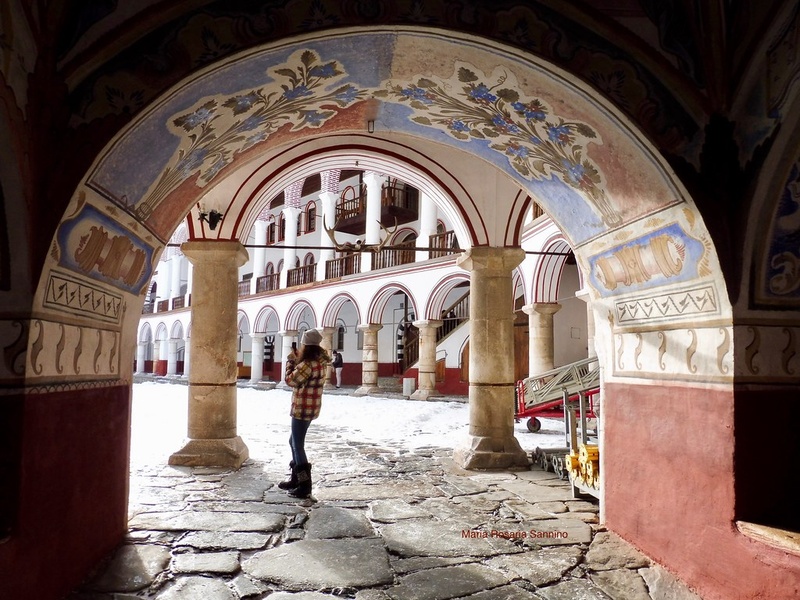
Rila Monastery
A major Orthodox monastery founded in the 10th century. It houses rich frescoes, old manuscripts, and a large complex of medieval buildings. It ranks as Bulgaria’s spiritual and cultural landmark and appears on UNESCO lists.

Boyana Church
A small medieval church near Sofia with detailed 13th-century frescoes. It shows early realistic painting in Eastern Europe and is a UNESCO World Heritage site.
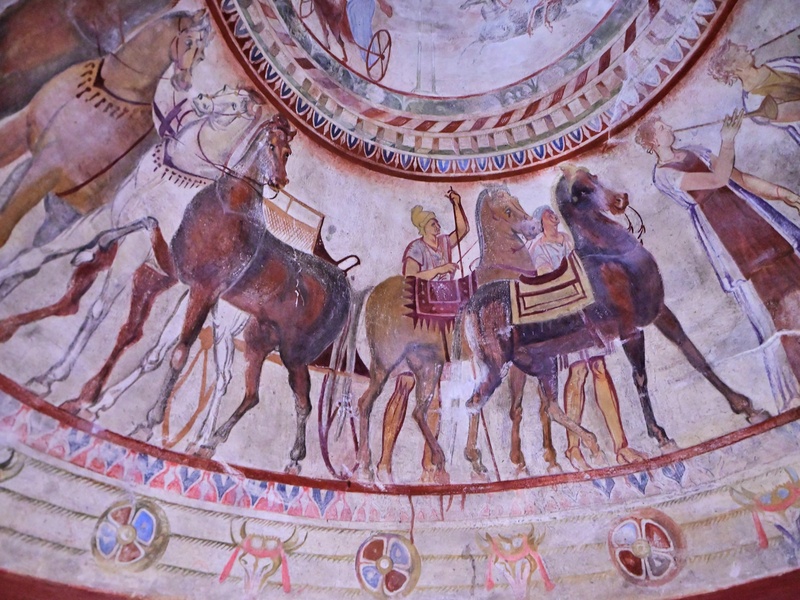
Thracian Tomb of Kazanlak
A Hellenistic-era burial mound from the 4th century BCE. It contains well-preserved Thracian frescoes and funerary art that explain ancient local customs.
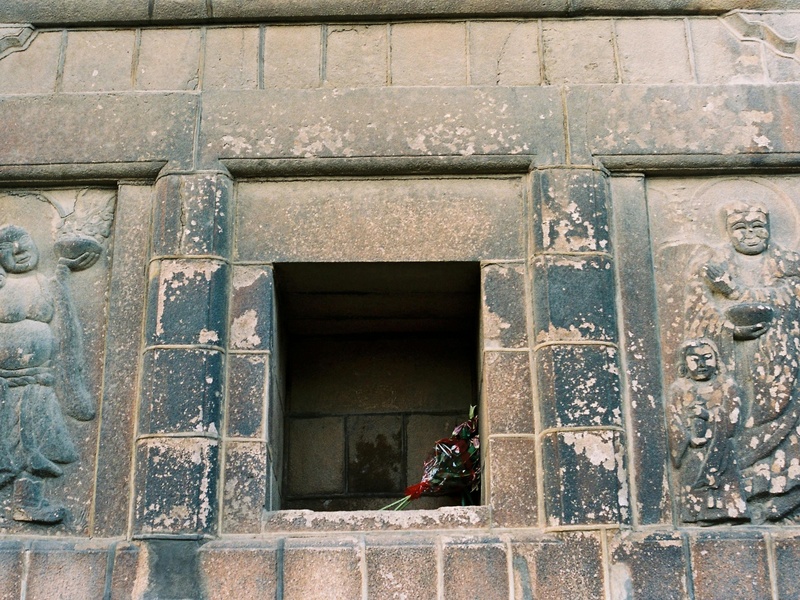
Sveshtari Tomb
A 3rd-century BCE Thracian tomb noted for carved female figures and unique architecture. It offers rare evidence of Thracian royal burial rites and appears on UNESCO lists.
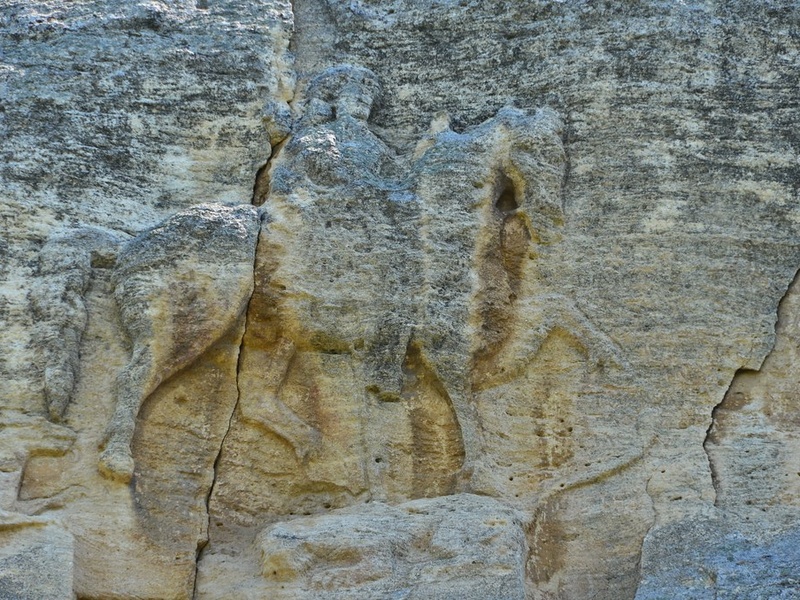
Madara Rider
A large early medieval rock relief carved in the 8th century. It shows a horseman and symbols of early Bulgarian statehood and stands as a key medieval monument and UNESCO site.
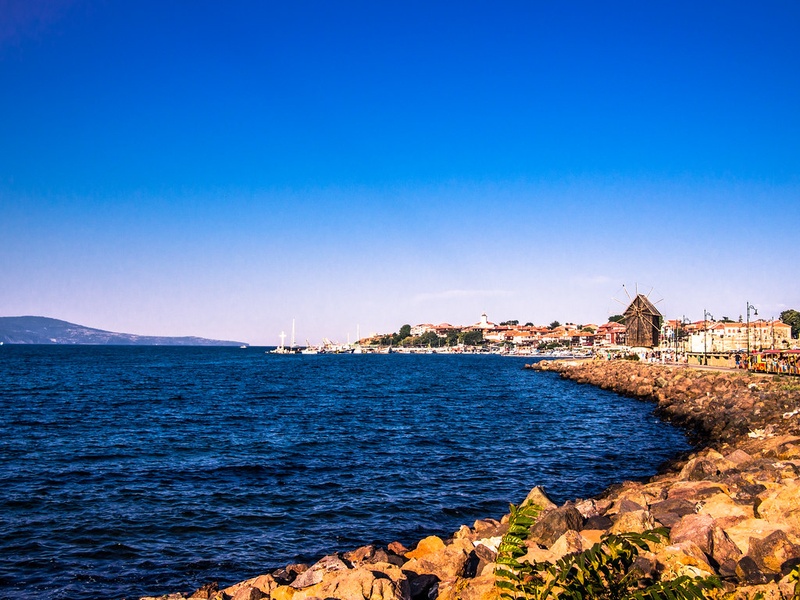
Nessebar
A coastal town with layered ruins from Thracian, Greek, Roman, and medieval Bulgarian periods. It features old churches, narrow streets, and a long seafront history listed by UNESCO.
Ivanovo Rock Churches
A group of cliff-carved churches near the Rusenski Lom river from the 12th–14th centuries. They contain vivid frescoes showing medieval monastic life and are on the UNESCO list.
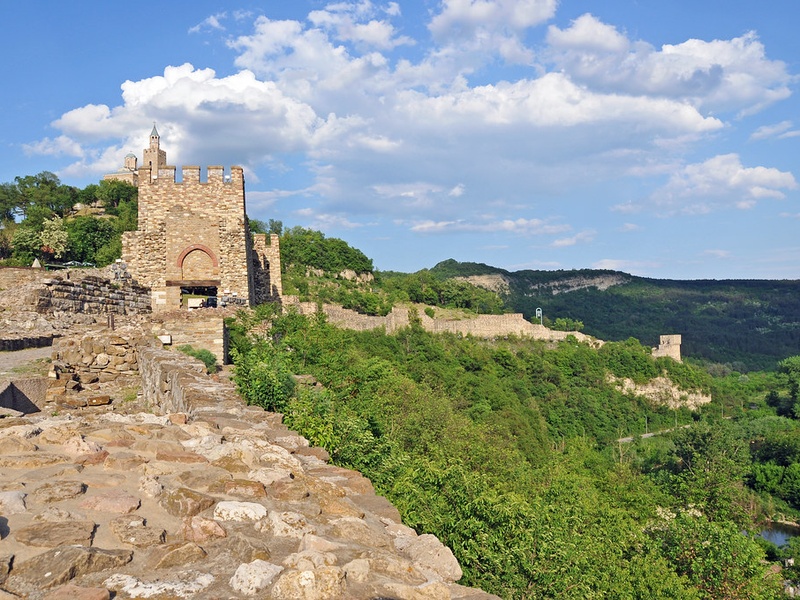
Tsarevets
A fortified medieval hilltop citadel in Veliko Tarnovo dating to the Second Bulgarian Empire (12th–14th c.). It contains palace ruins and a stronghold that symbolize medieval Bulgarian power.
Perperikon
A large ancient and medieval archaeological complex on a rocky hill in the Eastern Rhodopes. It preserves traces of Thracian, Hellenistic, Roman, and medieval ritual and urban life.
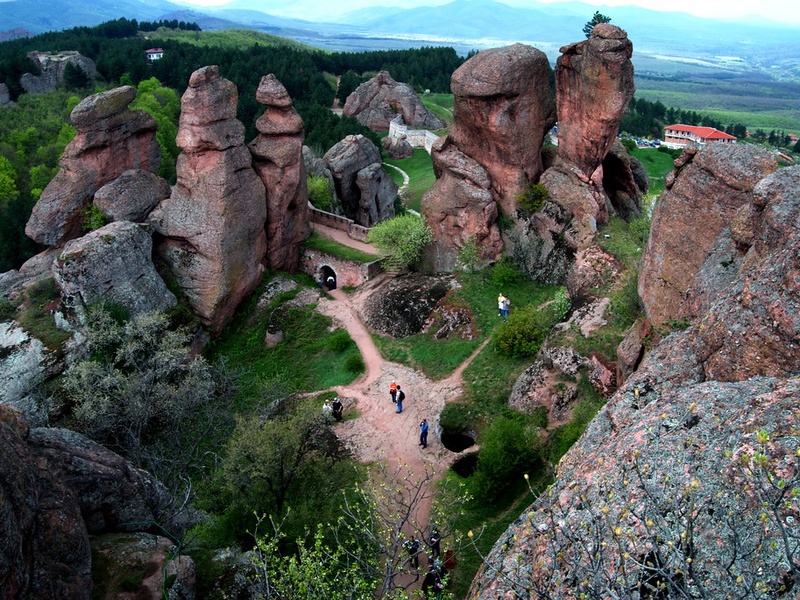
Belogradchik Fortress
A medieval stronghold built among dramatic red rock formations. It offers extensive fortifications and panoramic views and shows long-term military use from Roman times onward.
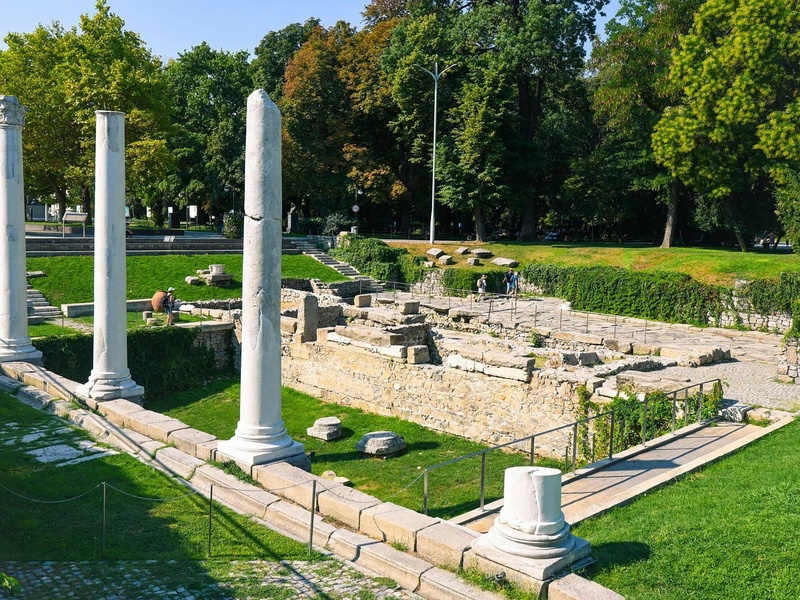
Roman Theatre of Plovdiv
A well-preserved 1st–2nd century Roman theater in Plovdiv’s Old Town. It retains seating and stage structures and still hosts cultural events, showing Roman urban life.
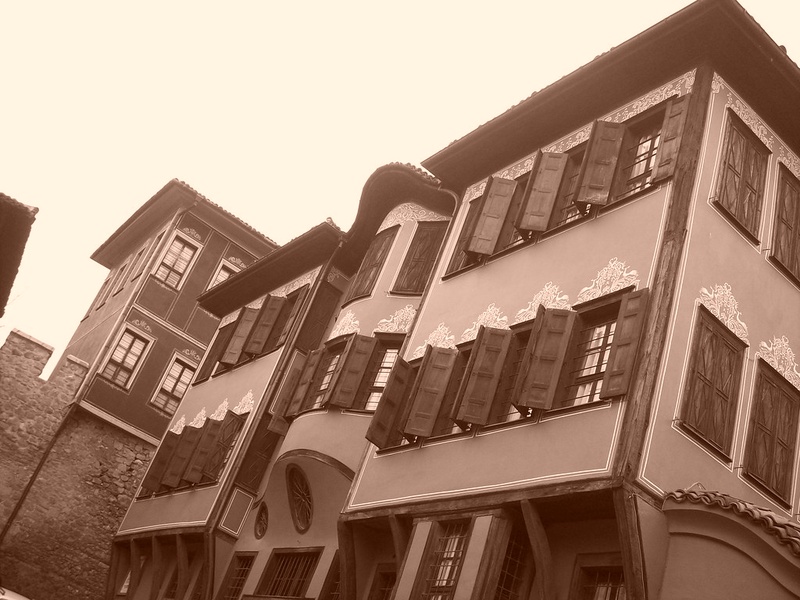
Plovdiv Old Town
A historic quarter with houses from the National Revival and earlier Roman and Byzantine layers. It mixes museums, cobbled streets, and ancient ruins that trace city growth over millennia.
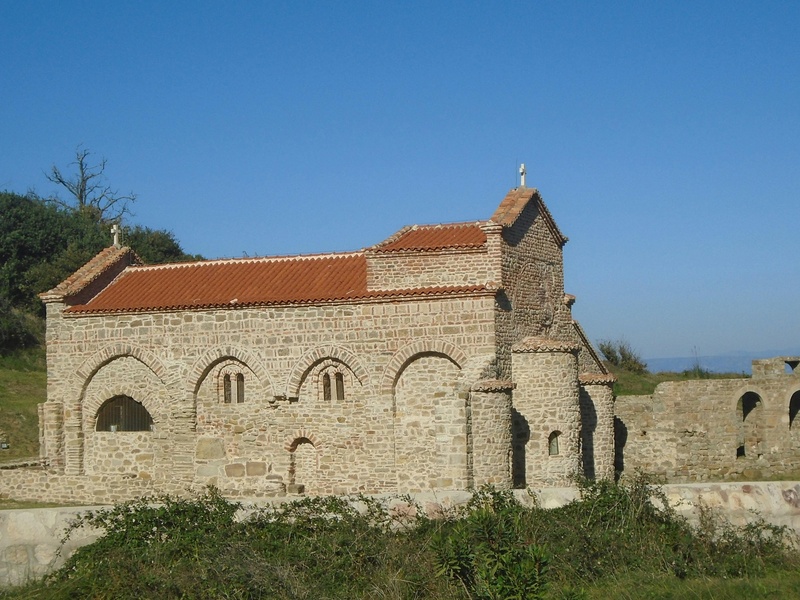
Troyan Monastery
A large Bulgarian Orthodox monastery founded in the 16th century. It preserves icon painting, frescoes, and a long tradition of religious art and local craft.
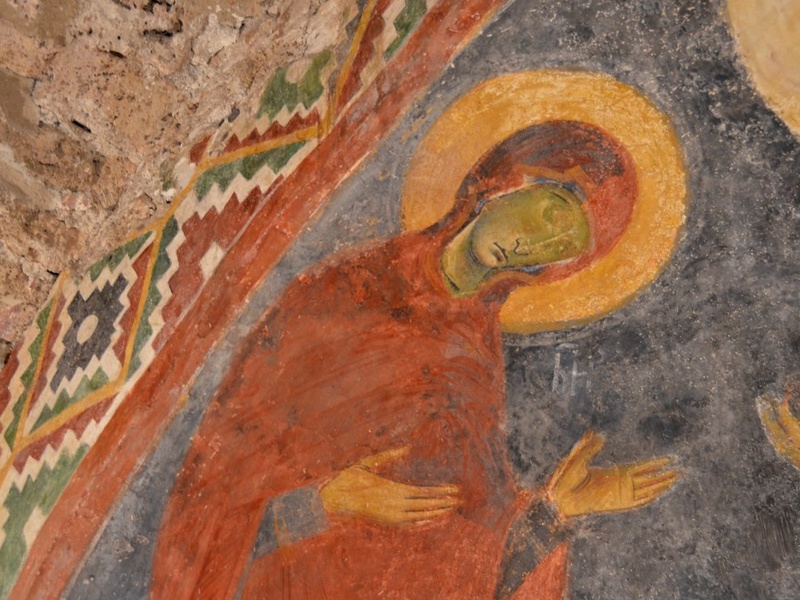
Bachkovo Monastery
One of Bulgaria’s oldest monasteries, founded in 1083. It blends Byzantine and Bulgarian traditions and houses rare icons and medieval frescoes.
Shipka Monument
A large 20th-century memorial near Shipka Pass honoring soldiers of the Russo-Turkish War (1877–78). It marks a turning point in Bulgaria’s path to liberation and national identity.
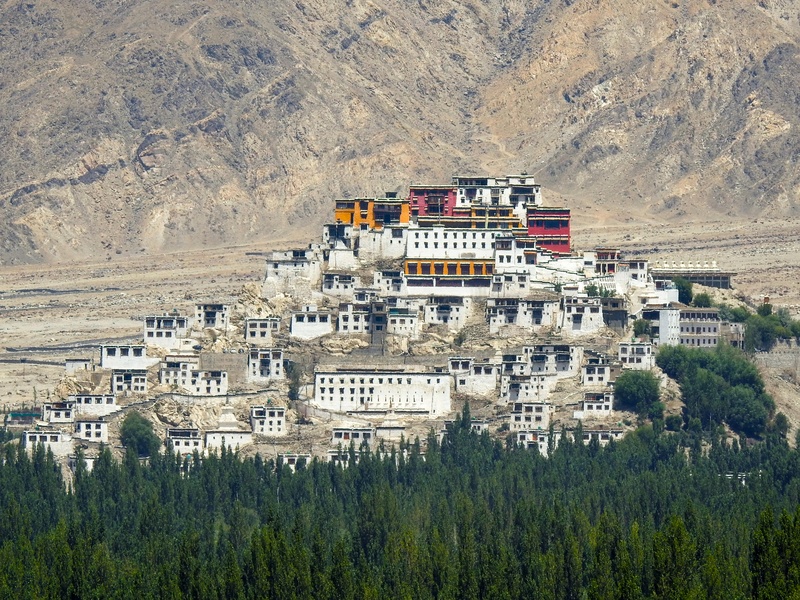
Rozhen Monastery
A mountain monastery near Melnik with 13th–19th-century buildings and colorful frescoes. It serves as a regional religious and cultural center.
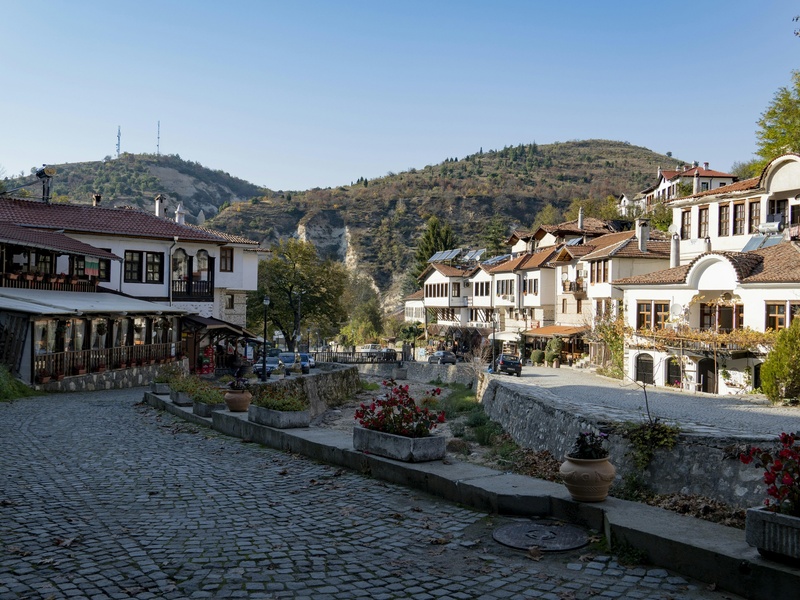
Melnik
Bulgaria’s smallest town, known for its sandstone pyramids and historic 18th–19th-century houses. It sits near medieval ruins and is a center for local wine and history.
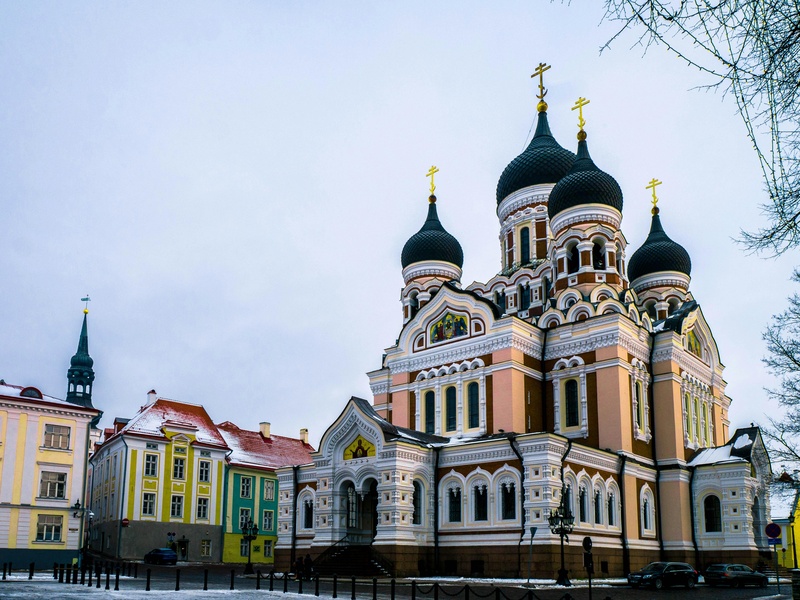
Alexander Nevsky Cathedral
A large Neo-Byzantine Orthodox cathedral in central Sofia built in the early 20th century. It serves as a national symbol and houses rich interior decoration.
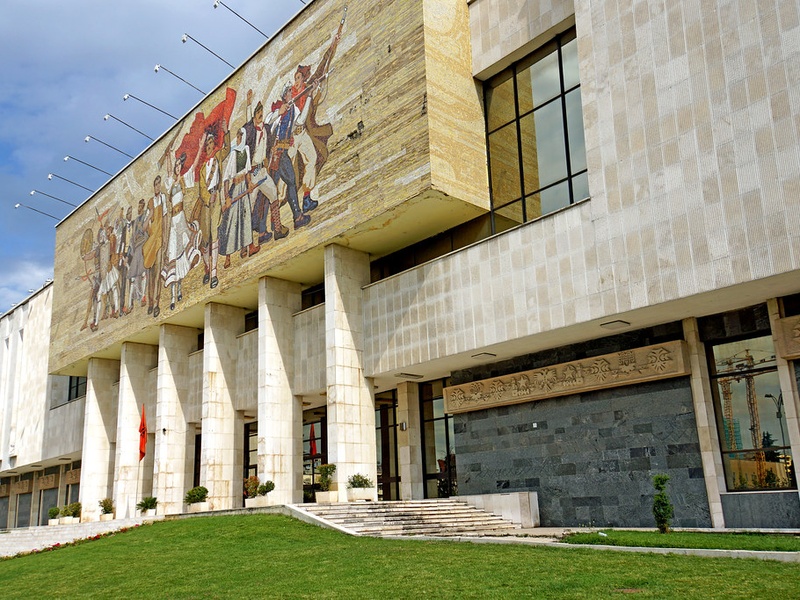
National Historical Museum
Bulgaria’s main history museum in Sofia with artifacts from prehistoric to modern times. It compiles archaeological finds, medieval treasures, and national relics in one place.
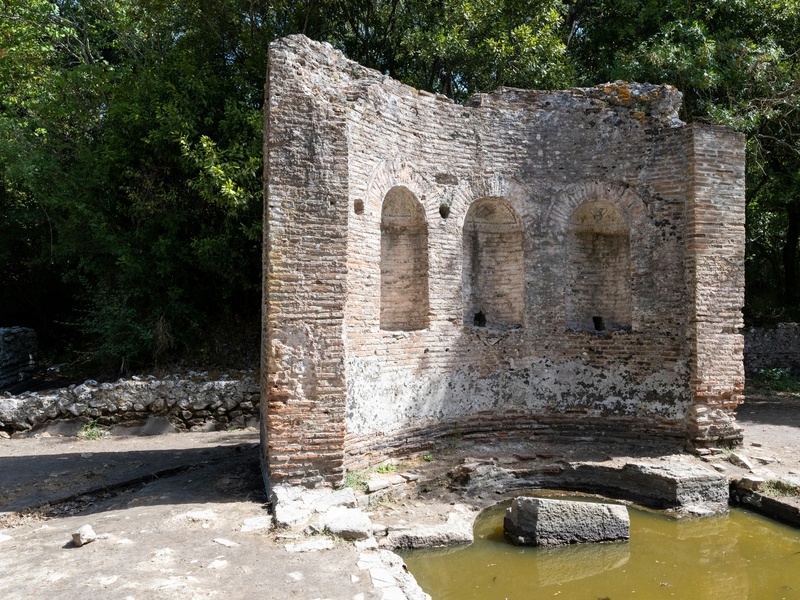
Varna Roman Baths
A vast Roman bath complex from the 2nd–4th centuries near Varna’s sea garden. It shows urban Roman life on the Black Sea coast through large ruins and mosaics.
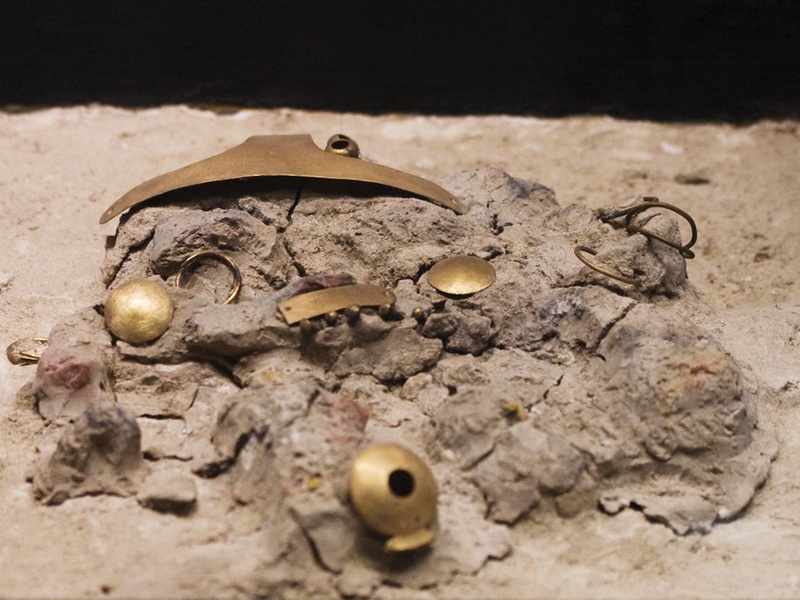
Varna Necropolis
A Bronze Age burial site near Varna with rich 5th millennium BCE grave goods. It includes some of the oldest known gold artifacts in Europe and changes views of prehistoric wealth.
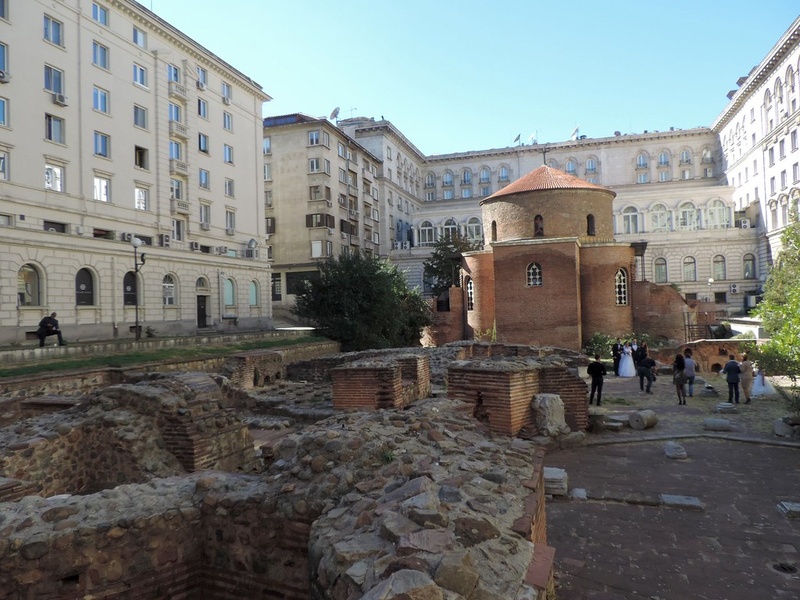
St. George Rotunda
A 4th-century round church in Sofia with layered frescoes from Roman, Byzantine, and Ottoman periods. It stands as the oldest preserved building in modern Sofia.
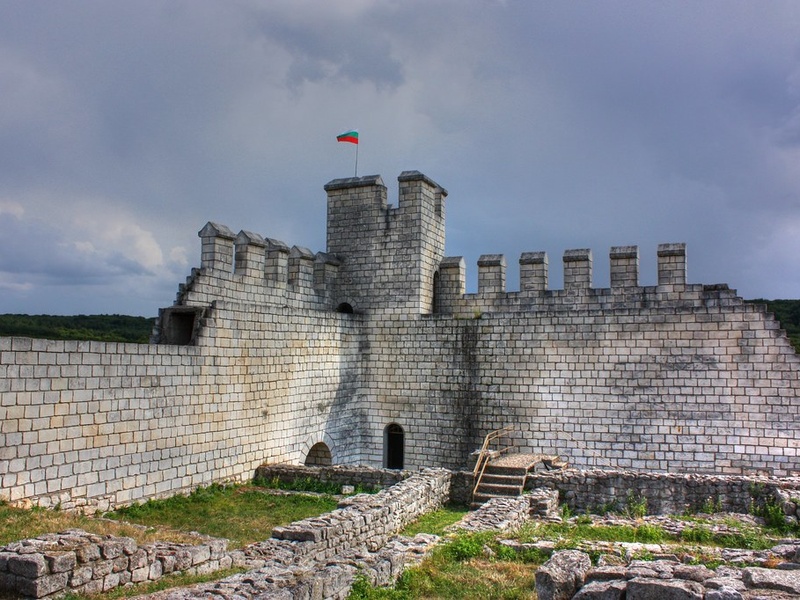
Shumen Fortress
A historic hill fortress near Shumen with medieval walls and towers. It links to the early Bulgarian state and offers views over the surrounding plain.
Provadia-Solnitsata
One of Europe’s oldest fortified settlements from the 5th millennium BCE. It functioned around ancient salt production and shows early urban organization.
Kabile
An ancient Thracian and Roman city near Yambol with city walls, temples, and baths. It reveals long-term occupation and regional trade in antiquity.
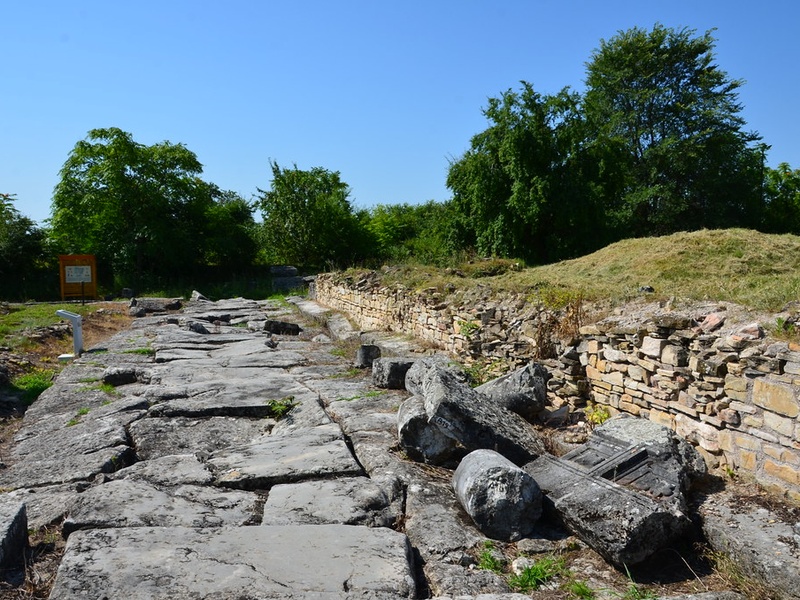
Nicopolis ad Istrum
A Roman and early Byzantine city north of Veliko Tarnovo founded in the 1st century CE. It features forum remains, streets, and public buildings that show Roman planning.
Deultum (Debelt)
A Roman colony and military station near Burgas with baths and urban remains. It served the eastern Roman frontier and local trade routes.
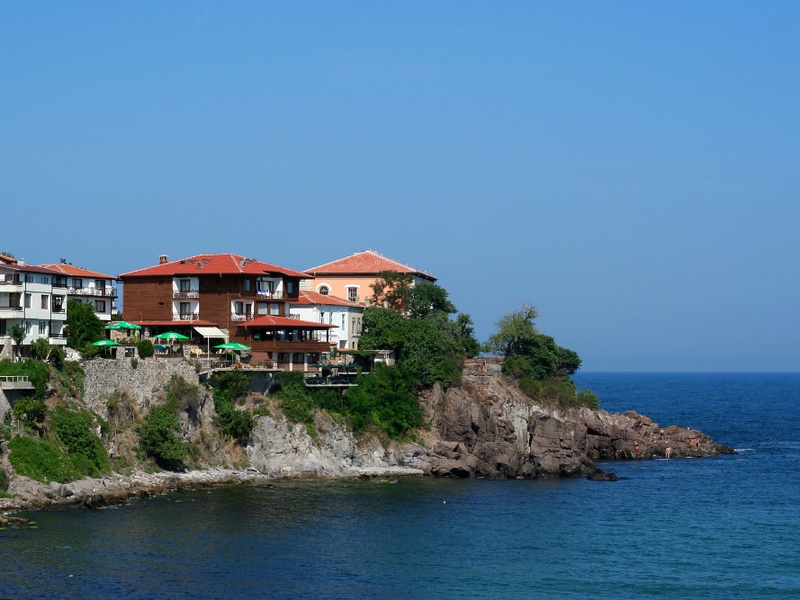
Sozopol Old Town
A seaside town with ancient Greek origins and layered medieval and Ottoman architecture. It features churches, wooden houses, and archaeological remains on the Black Sea.
Anchialos (Pomorie)
An ancient coastal town with Byzantine and medieval layers now near Pomorie. It includes an early Christian basilica and salt-production history.
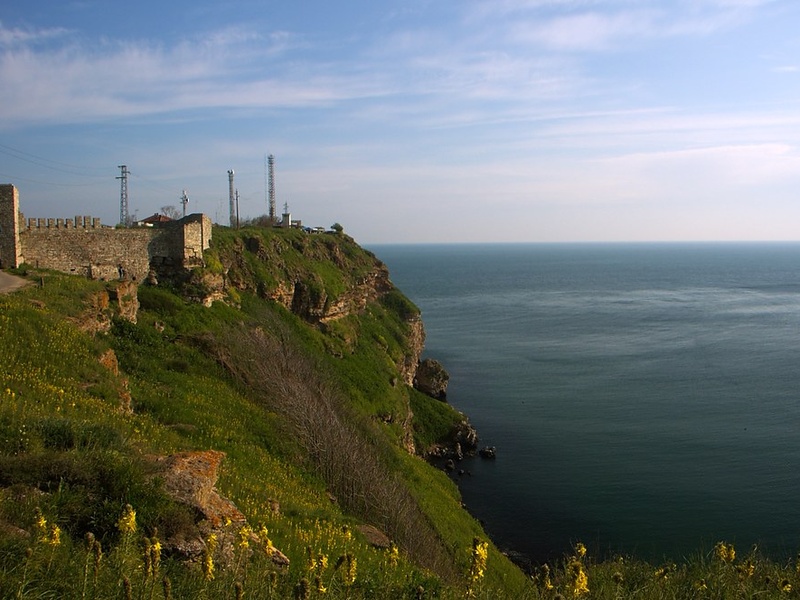
Kaliakra Fortress
A dramatic cliff-top fortress on the Black Sea with medieval walls and towers. It commands a long coastal stretch and shows strategic maritime defense.
Hisarya
A spa town with well-preserved Roman walls and hot springs. It retains baths, mosaics, and city gates that show long use of thermal resources.
Asen’s Fortress
A medieval stronghold near Asenovgrad with a thick church tower and stone defenses. It played a role in regional control during the Second Bulgarian Empire.
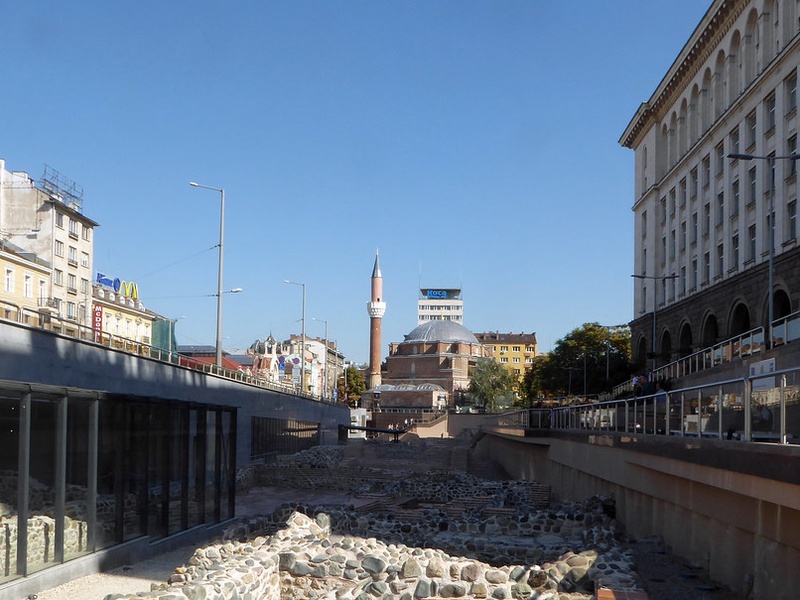
Serdica Archaeological Complex
An archaeological area in central Sofia with Roman streets, baths, and public buildings. It reveals the city’s Roman name and urban structure.
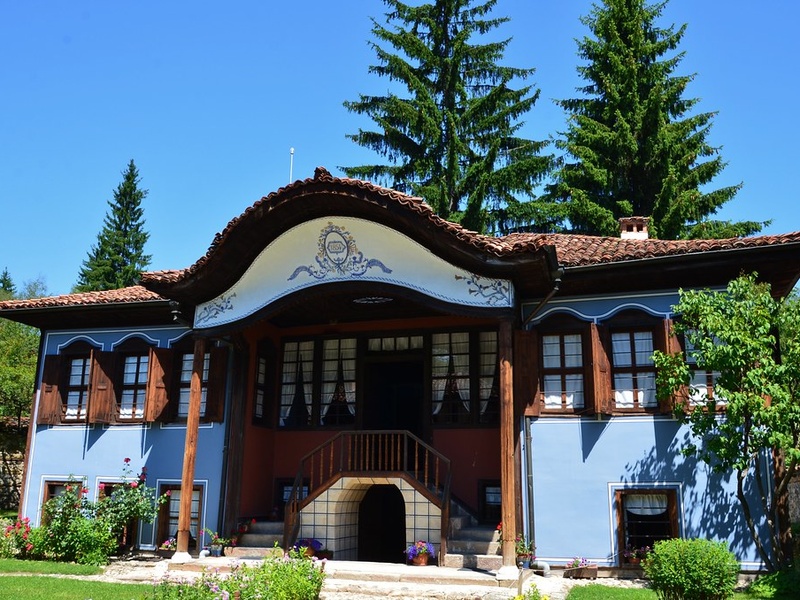
Koprivshtitsa
A 19th-century town preserved as a center of the Bulgarian National Revival. It features colorful wooden houses, museums, and revolutionary history.
Veliki Preslav
A medieval capital in the 9th–10th centuries with palace complexes and church remains. It served as a cultural and political center during the First Bulgarian Empire.
Pliska
The first Bulgarian capital from the late 7th to 9th centuries with fortifications and early church ruins. It shows the origins of the medieval Bulgarian state.
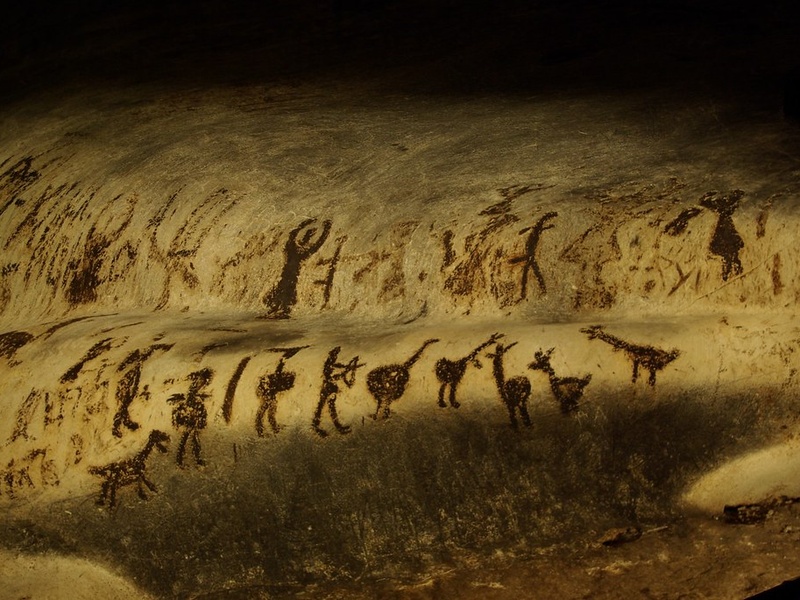
Magura Cave
A large cave with Paleolithic and Bronze Age paintings and prehistoric finds. It contains vivid rock art that records ancient ritual and daily life.
Baba Vida
A fully preserved medieval fortress on the Danube in Vidin. It served as a defensive stronghold and now stands as a rare complete river castle.
Kovachevitsa
A mountain village with well-preserved 18th–19th-century stone houses. It represents traditional architecture and cultural life from the Bulgarian Revival period.
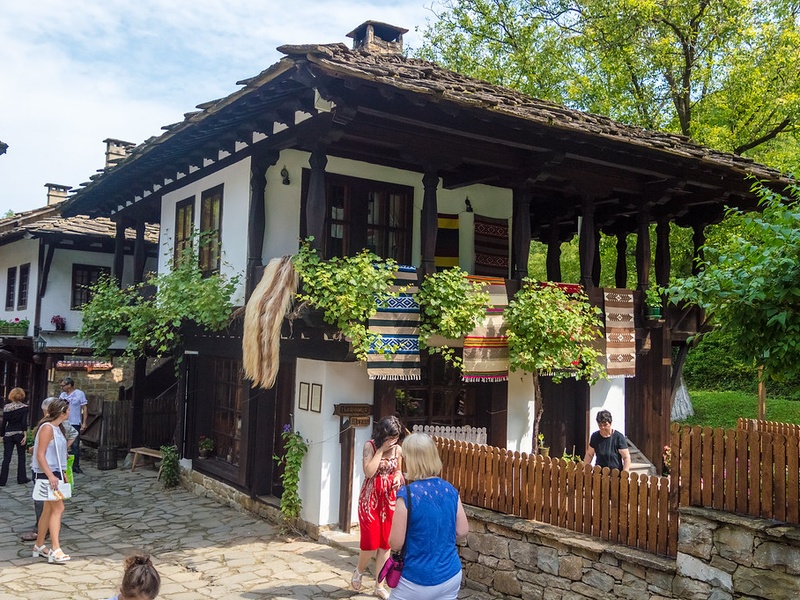
Etar
An open-air ethnographic complex near Gabrovo recreating 18th–19th-century crafts and mills. It shows traditional Bulgarian crafts and early industrial technologies.
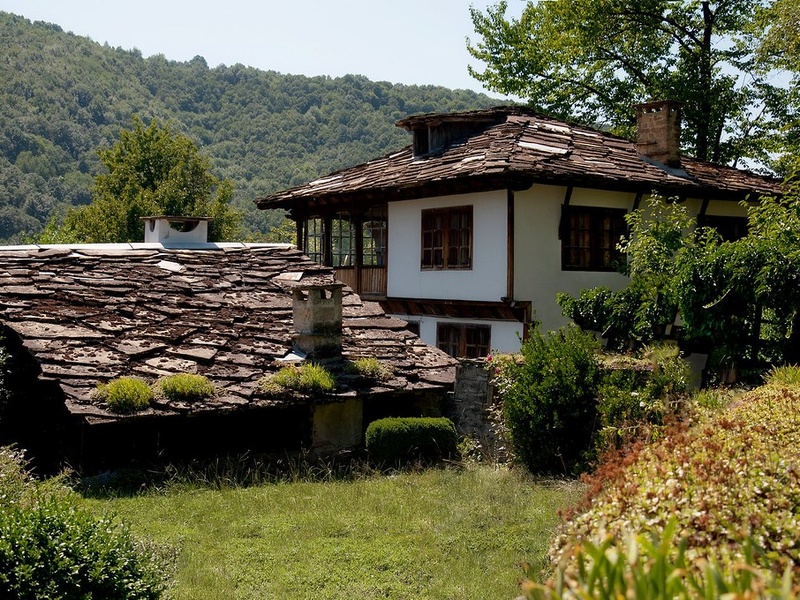
Bozhentsi
A restored historic village with stone and wood houses from the Revival era. It preserves traditional rural architecture and a quiet historic setting.
Aladzha Monastery
A medieval rock monastery near Golden Sands with cave cells and fresco traces. It reflects monastic life carved into limestone cliffs on the Black Sea coast.
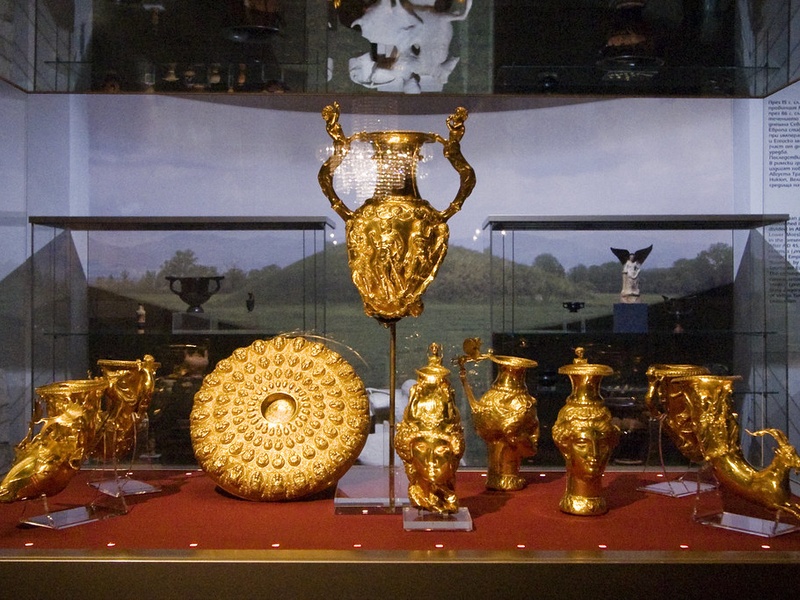
Panagyurishte
A town key to the April Uprising of 1876 with museums and revival houses. It preserves national revival history and archaeological finds like the Panagyurishte gold treasure.
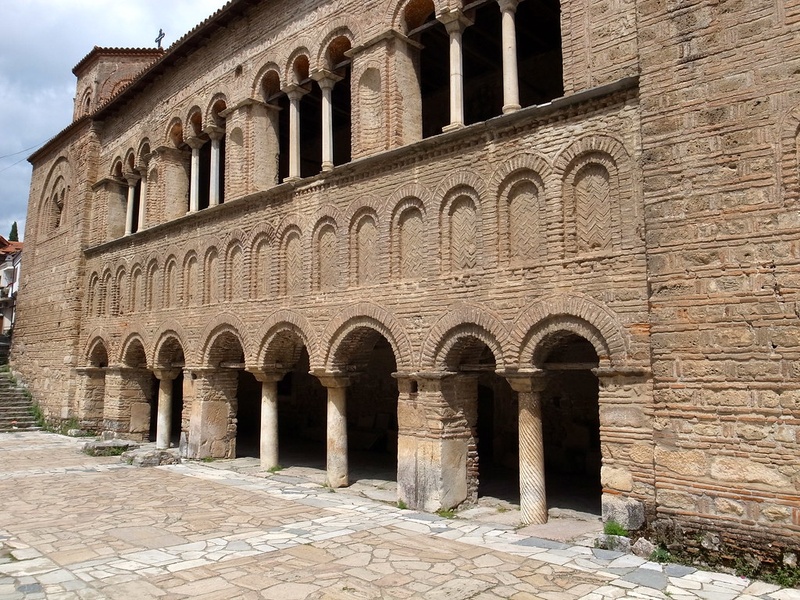
St. Sofia Church
An early Christian basilica in Sofia whose name gave the city its modern name. It contains medieval tombs and ancient architecture at the city center.
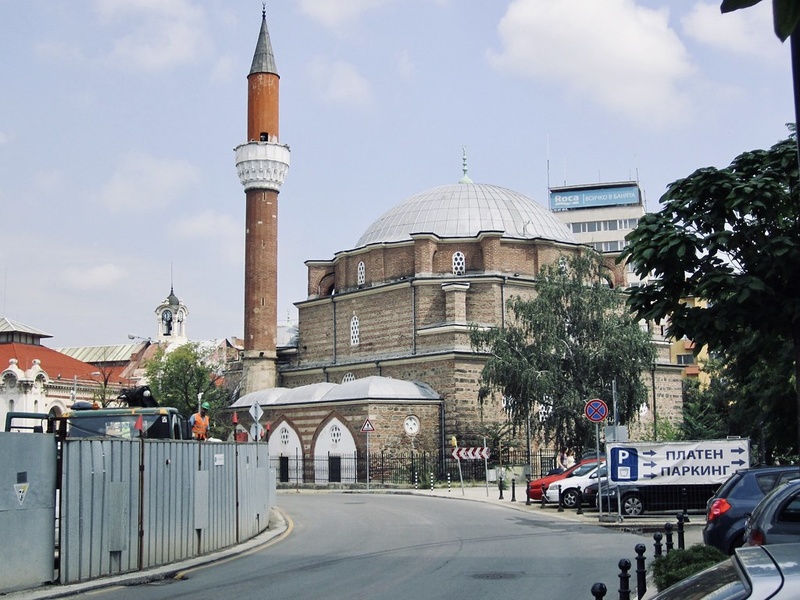
Banya Bashi Mosque
A 16th-century Ottoman mosque in Sofia with a large central dome. It remains an active mosque and a landmark of Sofia’s Ottoman past.
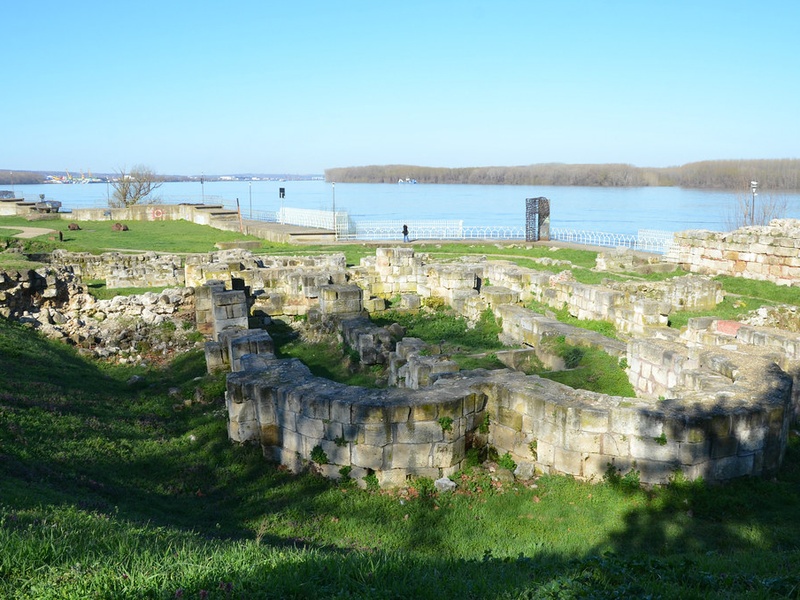
Durostorum (Silistra)
A Roman and Byzantine fortress on the Danube with military and civil remains. It marks long-term border defense and river trade in antiquity.
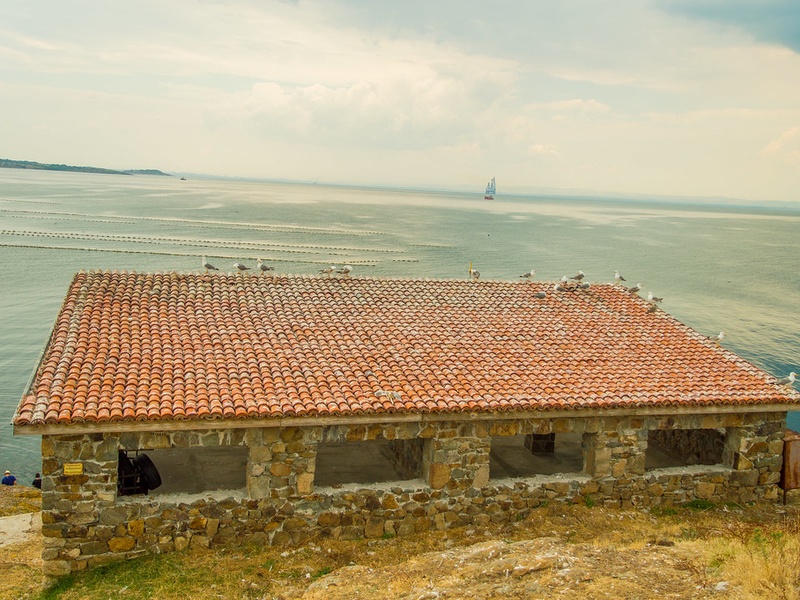
St. Ivan Island
The largest island off the Bulgarian Black Sea coast with medieval monastery ruins. It served as a religious center and burial site during medieval times.
Nikopol Fortress
A medieval Danube fortress that guarded river crossings and trade routes. It saw campaigns in medieval and Ottoman wars and shows long strategic importance.
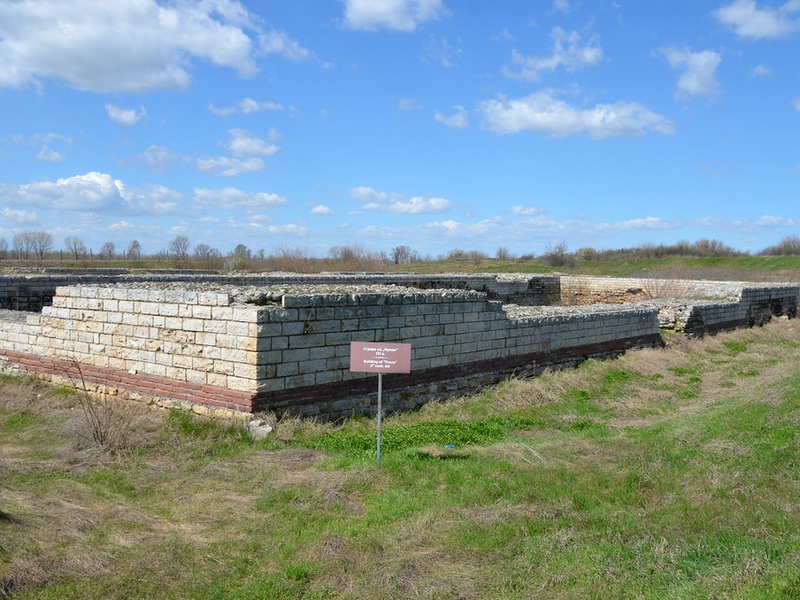
Oescus
A Roman city near Pleven with remains of baths, forum, and private houses. It reflects Roman colonization and local urban life on the Danube frontier.
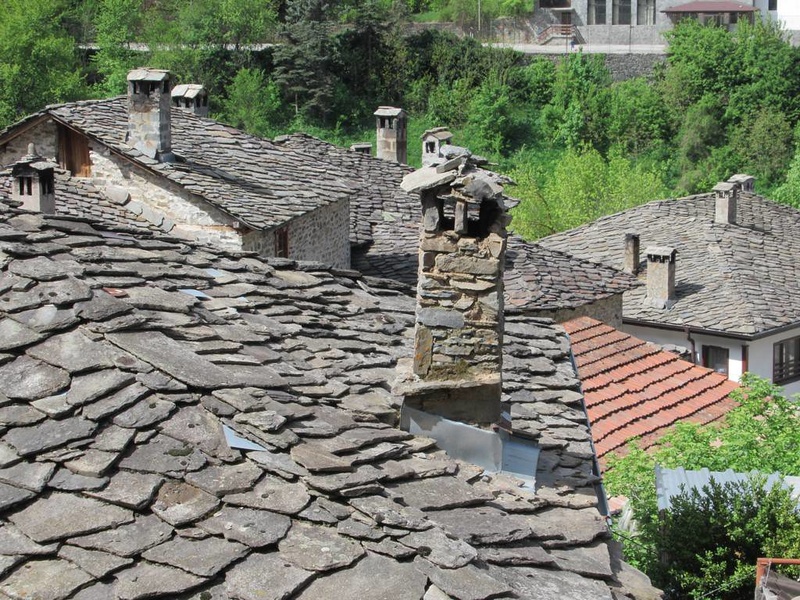
Shiroka Laka
A mountain village with preserved Revival-era architecture and strong folk music traditions. It offers authentic cultural heritage in Rhodope style.
Sexaginta Prista (Ruse)
A Roman and Byzantine fortress and port at Ruse with walls and harbor installations. It supported river traffic and military logistics on the Danube.
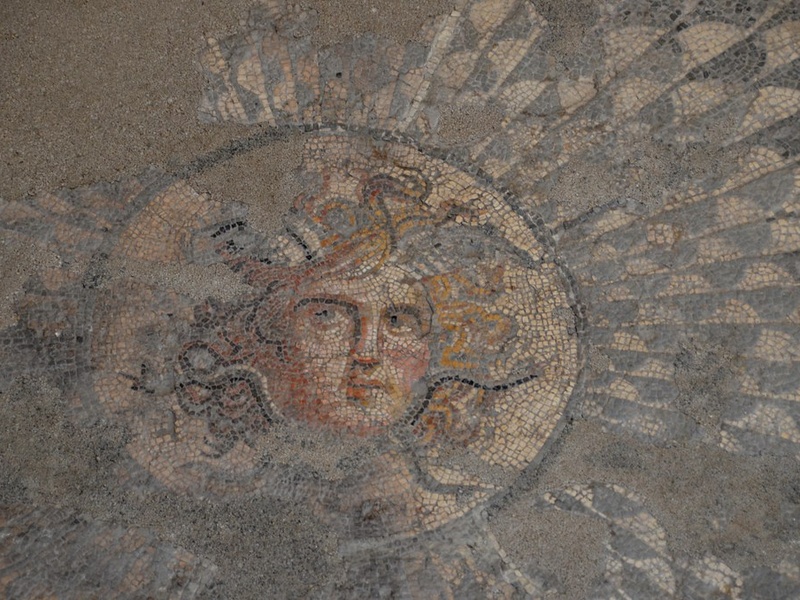
Marcianopolis
A Roman city in northeastern Bulgaria with forum and bath remains. It functioned as a regional center in the Roman and early Byzantine periods.
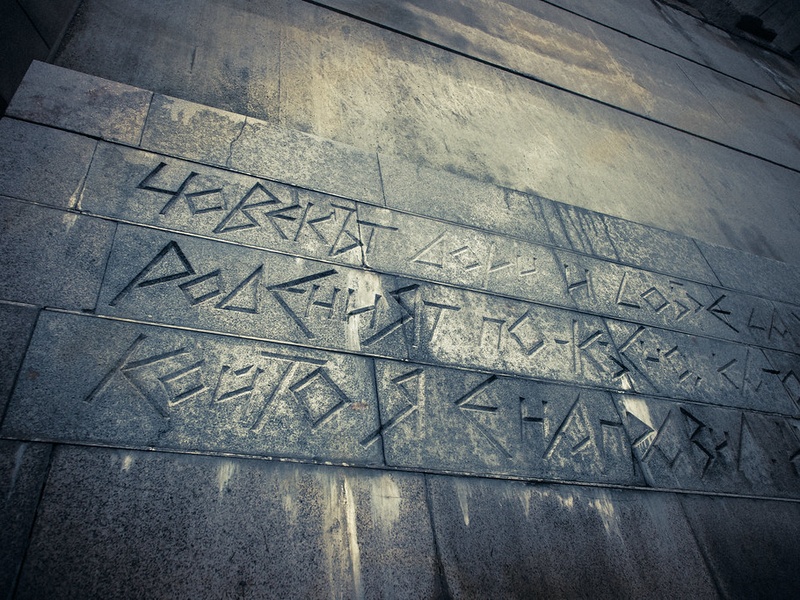
Monument of 1300 Years of Bulgaria
A large 20th-century monument near Shumen celebrating Bulgaria’s history since its founding. It mixes modern sculpture with panoramic views and national symbolism.
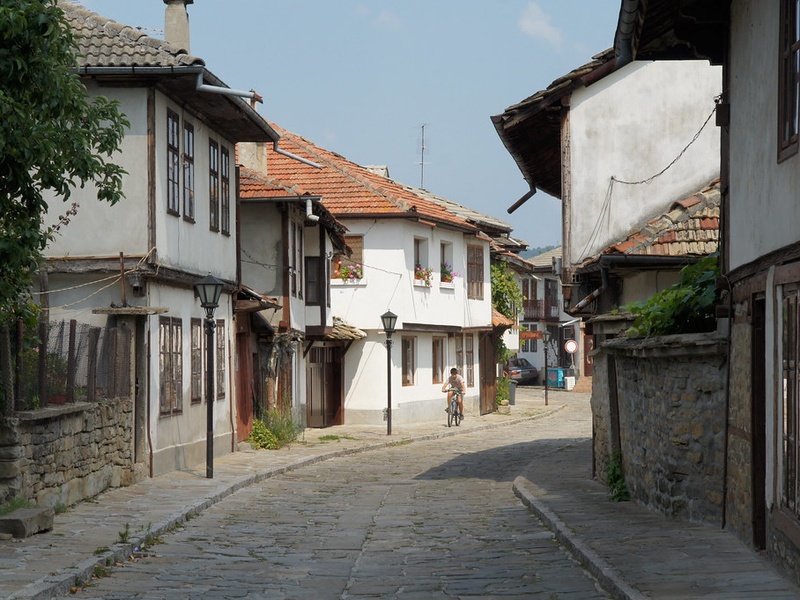
Tryavna
A town known for wood carving, icon painting, and Revival architecture. It preserves craftsmen houses, narrow streets, and cultural museums from the 18th–19th centuries.
Etropole Monastery
A medieval monastery with religious art and a rich book collection. It played a role in spiritual life and education during the Ottoman period.
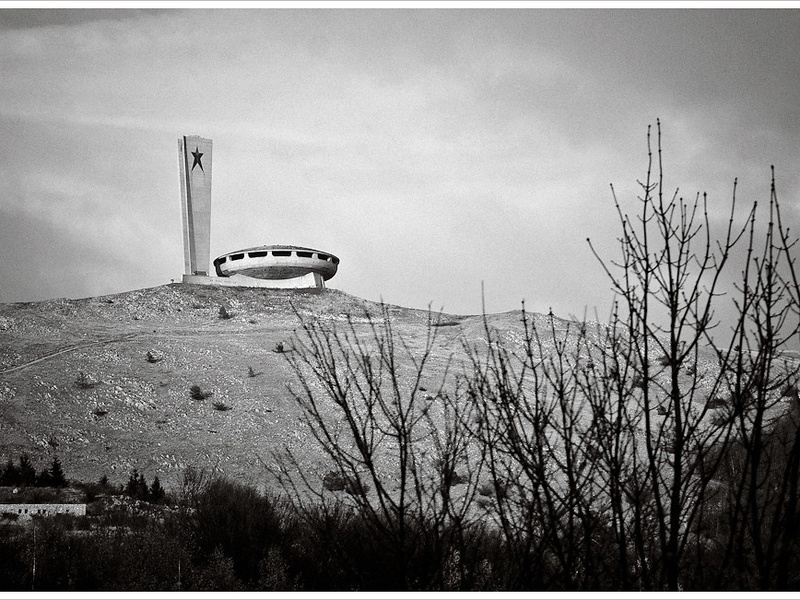
Buzludzha Monument
A large brutalist memorial built in the 1970s on Buzludzha peak. It commemorates socialist history and now stands as a striking modern ruin.
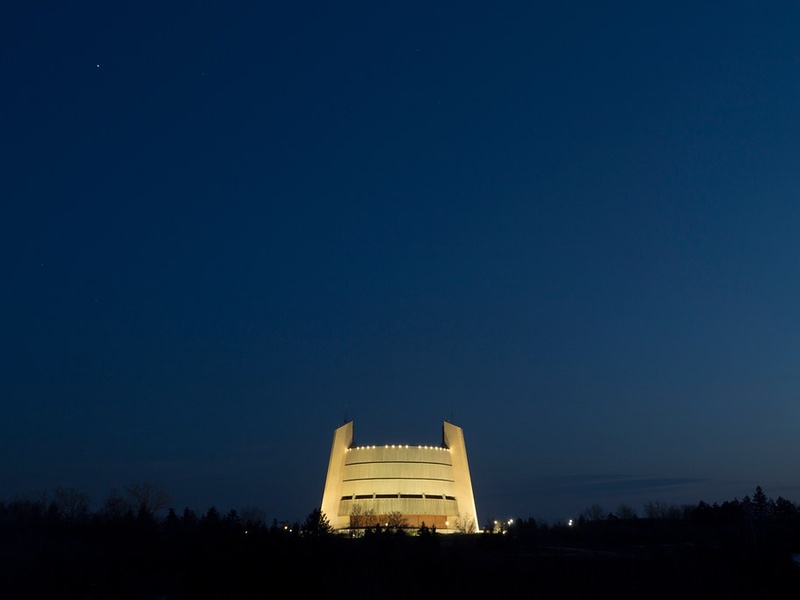
Pleven Panorama
A circular museum panorama in Pleven depicting the 1877 Siege of Pleven. It combines large-scale art and artifacts to present a key event in Bulgaria’s liberation.
Ivan Vazov House
A memorial house in Sopot dedicated to the writer Ivan Vazov, a leading figure in Bulgaria’s literary revival. It displays personal items and manuscripts.
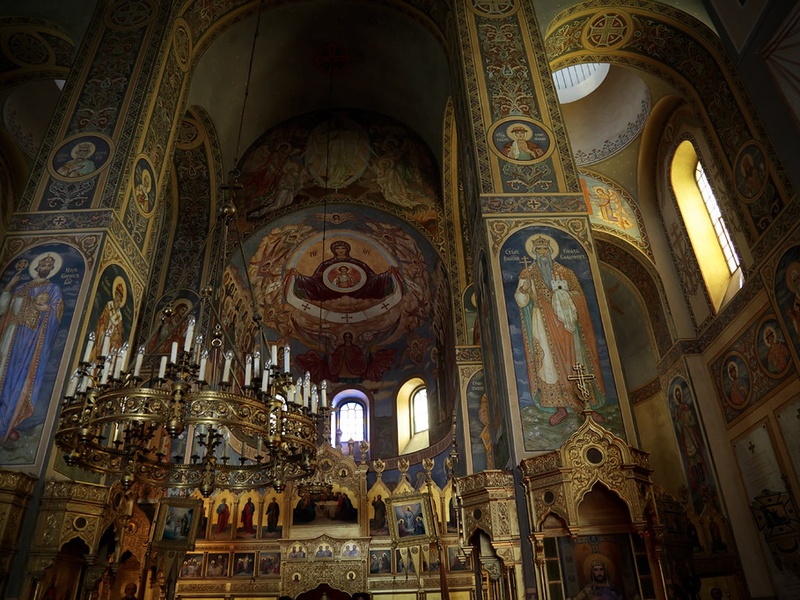
Shipka Church
A colorful Russian-style church in Shipka built after the Russo-Turkish War. It holds memorials to fallen soldiers and links religious art with national memory.