China’s countryside and cities hold layers of history visible in weathered walls, ruined fortifications and long-abandoned settlements; each site tells a story of trade, warfare, religion or daily life across millennia. Walking these places helps connect archaeological evidence with the people who lived there, from Neolithic villages to Silk Road outposts.
There are 20 Ruins in China, ranging from Banpo to Yumen Pass (Jade Gate). For each entry you’ll find below the Location,Era (dynasty or approximate year),Significance (max 15 words) organized concisely so you can scan dates, places and importance quickly — you’ll find below.
Are these sites generally open to visitors and do I need permits?
Many ruins are publicly accessible, though access varies: some are on protected archaeological parks with visitor facilities, others are remote or on restricted land; check local management, opening hours and any permit requirements before you go.
How reliable are the era labels and brief significance notes?
Dates and dynasty attributions are based on current scholarship and site reports but can be approximate; the “Era (dynasty or approximate year)” field flags uncertainty, so consult detailed sources or museum information for in-depth research.
Ruins in China
| Name | Location | Era (dynasty or approximate year) | Significance (max 15 words) |
|---|---|---|---|
| Yinxu | Henan, Anyang | Shang, 1,300–1,046 BCE | Shang capital; oracle bones discovery |
| Erlitou | Henan, Yanshi (near Luoyang) | Erlitou culture, 1,900–1,500 BCE | Early urban palaces; proto‑Shang/Xia evidence |
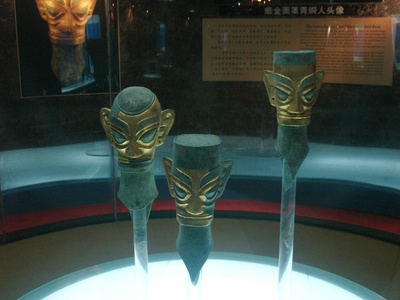
| Sanxingdui | Sichuan, Guanghan City | Shu Bronze Age, c. 1,200–1,000 BCE | Unique Bronze Age cult site; enigmatic artifacts |
| Banpo | Shaanxi, Xi’an | Yangshao Neolithic, 5,000–3,800 BCE | Well-preserved Neolithic village and pottery tradition |
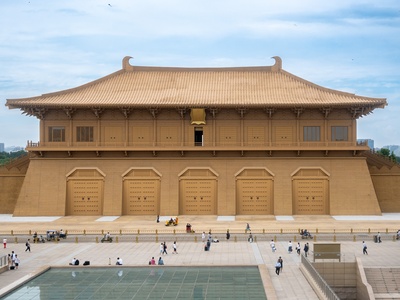
| Daming Palace | Shaanxi, Xi’an | Tang, 7th–10th century | Tang imperial palace foundations; large archaeological park |
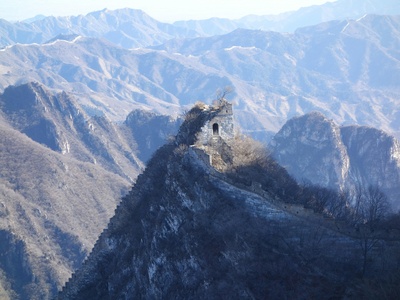
| Jiankou Great Wall | Beijing, Huairou District | Ming, 14th–17th century | Unrestored, dramatic Ming Great Wall; popular for hikers |
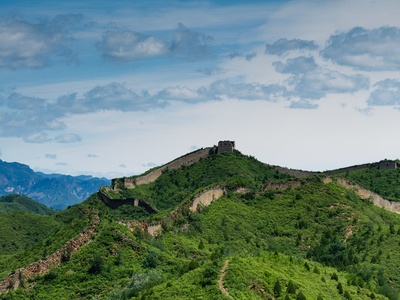
| Gubeikou Great Wall | Beijing/ Hebei border, Miyun/Huairou | Ming, 14th–17th century | Strategic Ming pass with unrestored fortifications |
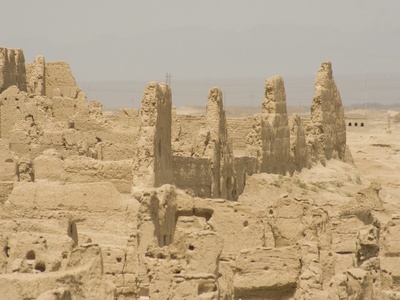
| Jiaohe | Xinjiang, Jiaohe (near Turpan) | Han–Tang, 2nd century BCE–14th century CE | Earthen Silk Road city carved on plateau; accessible ruins |
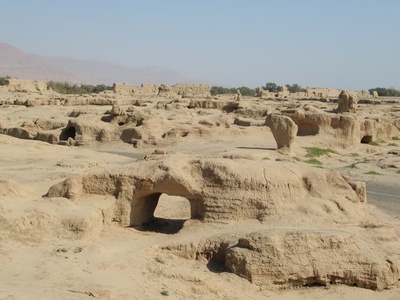
| Gaochang | Xinjiang, Turpan | 1st–14th century CE | Silk Road oasis city ruins with multi‑period layers |
| Niya | Xinjiang, Minfeng County | 2nd–4th century CE | Silk Road township with wooden remains and documents |
| Loulan | Xinjiang, Lop Nur rim (Ruoqiang County) | 2nd century BCE–4th century CE | Deserted Silk Road kingdom ruins; evocative desert site |
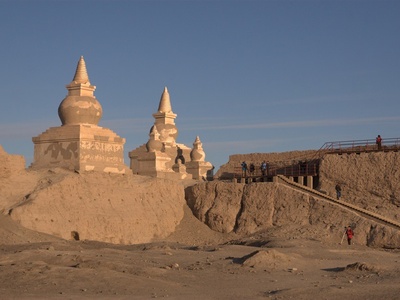
| Khara‑Khoto | Inner Mongolia, Ejin Banner | Western Xia, 11th–14th century | Western Xia desert city; ruined temples and walls |
| Shangjing (Liao Upper Capital) | Inner Mongolia, near Ningcheng County | Liao, 10th–12th century | Khitan Liao dynasty capital archaeological ruins |
| Shimao | Shaanxi, Shenmu County | Late Neolithic, c. 2,300–1,700 BCE | Large Late Neolithic walled city with stone fortifications |
| Taosi | Shanxi, Xiangfen County | Longshan, c. 2,300–1,900 BCE | Longshan fortified town; possible early observatory and elite burials |
| Liangzhu | Zhejiang, Yuhang District (Hangzhou) | Neolithic, 3,300–2,300 BCE | Neolithic ceremonial center; jade culture and waterworks |
| Shicheng (Lion City) | Zhejiang, Chun’an County (Qiandao Lake) | Ming–Qing, 14th–20th century | Submerged Ming–Qing city preserved underwater since reservoir flooding |
| Yumen Pass (Jade Gate) | Gansu, Dunhuang | Han, 2nd century BCE onward | Han dynasty frontier pass ruins on the Silk Road |
| Western Xia Imperial Mausoleums | Ningxia, near Yinchuan (Lingwu area) | Western Xia, 11th–13th century | Ruined Western Xia imperial tomb complex; Tangut funerary remains |
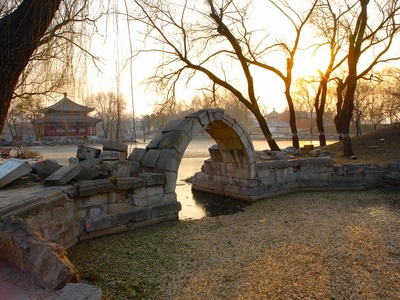
| Yuanmingyuan (Old Summer Palace) | Beijing, Haidian District | Qing, 18th–19th century | Ruined Qing imperial gardens destroyed in 1860; evocative site |
Images and Descriptions
Yinxu
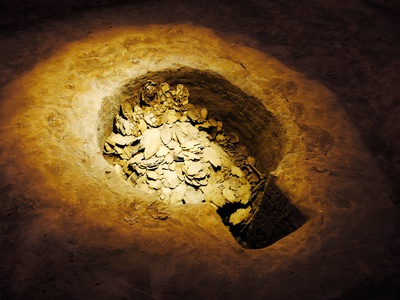
Yinxu is the ruined late Shang capital near Anyang, Henan, famous for oracle bones and palace foundations. Visitors see excavated foundations, tombs, bronze artifacts and a small museum; important for early Chinese writing, archaeology and Shang dynasty urban layouts.

Erlitou
Erlitou site near Yanshi, Henan, shows early palace compounds and urban planning from the Bronze Age. Excavations revealed large courtyard buildings, bronze workshops and pottery; key candidate for early state formation often linked to early Shang or Xia traditions.
Sanxingdui
Sanxingdui ruins near Guanghan, Sichuan, preserve monumental Bronze Age ritual pits and platforms from a mysterious Shu culture. Spectacular masks, bronzes and stacked sacrificial deposits make the open excavations uniquely dramatic for archaeology and museum displays.
Banpo
Banpo Neolithic village in Xi’an, Shaanxi, is a dug‑pit settlement showing house foundations, pottery kilns and burial pits. Open‑air remains and museum displays explain Yangshao farming life, communal structures and early village organization for curious visitors.
Daming Palace
Daming Palace ruins in Xi’an, Shaanxi, mark the Tang dynasty imperial complex. Visitors can walk vast foundation platforms, reconstructed gate outlines and museum exhibits that trace Tang court life, administrative layout and grand ceremonial architecture.
Jiankou Great Wall
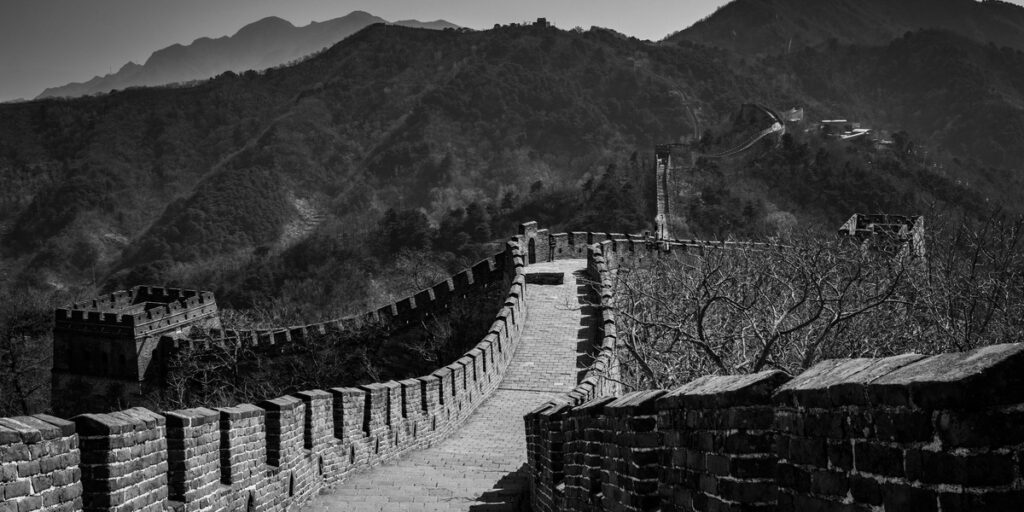
Jiankou is a wild, precipitous Great Wall section in Huairou, Beijing, showcasing collapsed towers, crumbling crenellations and raw Ming‑era masonry. Popular with adventurous hikers, it offers dramatic ruined scenery but requires care and local guiding for safety.
Gubeikou Great Wall
Gubeikou, on the Beijing–Hebei boundary, preserves unrestored Ming fortifications and ruined passes. Battlements, beacon towers and ruined gates convey frontier military history; less crowded access gives an authentic Great Wall ruin experience for visitors.
Jiaohe
Jiaohe Ancient City near Turpan, Xinjiang, is an earthen fortress carved from a single plateau. Its street grid, watchtowers and collapsed house ruins span Han through Tang periods, offering dramatic Silk Road desert archaeology and accessible ruins to explore.
Gaochang
Gaochang ruins near Turpan, Xinjiang, are the remains of a multi‑period oasis city used by Han, Tang and Uyghur states. Stone and adobe walls, temple foundations and tombs trace Silk Road trade and religious interchange.
Niya
Niya ruins in Minfeng County, Xinjiang, preserve a small Silk Road township with wooden architecture remains, streets and documents from the 2nd–4th centuries CE. Remote desert excavations reveal daily life, irrigation and caravan connections.
Loulan
Loulan ruins on the Lop Nur rim (Ruoqiang County, Xinjiang) mark a once‑flourishing Silk Road kingdom abandoned to desertification. Scattered walls and salinized soil make for evocative, fragile ruins accessible with guides and a 4×4 adventure.
Khara‑Khoto
Khara‑Khoto (Heicheng) ruins in Ejin Banner, Inner Mongolia, are the desert remains of a Tangut Western Xia city. Collapsed walls, ruined Buddhist temples and dune‑encroached streets testify to stepped abandonment and archaeological interest.
Shangjing (Liao Upper Capital)
Shangjing (Liao Upper Capital) ruins near Ningcheng County, Inner Mongolia, preserve layout and foundations of the Khitan Liao dynasty capital. Excavated towers, palaces and defensive works illuminate nomadic‑state urbanism from the 10th–12th centuries.
Shimao
Shimao site near Shenmu, Shaanxi, is a Late Neolithic walled city with massive stone ramparts and tower bases. Excavations reveal elite architecture, jade and ceramics; the scale rethinks early urbanism on the Loess Plateau.
Taosi
Taosi ruins in Xiangfen County, Shanxi, are a Late Longshan fortified settlement with possible astronomical observatory remains and elite burials. Visitors see earthen walls, platforms and excavated residential layouts illuminating Bronze‑Age social complexity.
Liangzhu
Liangzhu archaeological site in Yuhang, Hangzhou, Zhejiang, preserves Neolithic city remains famed for sophisticated jade artifacts, water management and ceremonial platforms. Low mounds and excavation areas reveal the complex ritual and social life of 3,300–2,300 BCE communities.
Shicheng (Lion City)
Shicheng, the ‘Lion City’ submerged beneath Qiandao Lake in Chun’an County, Zhejiang, is a Ming–Qing town preserved underwater since 1959. When accessible, divers and occasional low‑water sightings reveal intact streets, gates and carved stonework beneath the surface.
Yumen Pass (Jade Gate)
Yumen Pass (Jade Gate) ruins near Dunhuang, Gansu, mark a Han dynasty frontier pass on the Silk Road. Remains include watch towers, low earthen walls and sparse ruins set in arid landscape rich in history.
Western Xia Imperial Mausoleums
The Western Xia mausoleums near Yinchuan, Ningxia, are a cluster of ruined imperial tombs, brick towers and collapsed stelae set in the desert. They provide rare material evidence for Tangut empire funerary architecture and archaeology.
Yuanmingyuan (Old Summer Palace)
Yuanmingyuan ruins in Haidian, Beijing, preserve scorched foundations, ruined halls and carved stones from the Qing imperial gardens destroyed in 1860. The site is evocative for visitors interested in imperial architecture, colonial history and ruin landscapes.