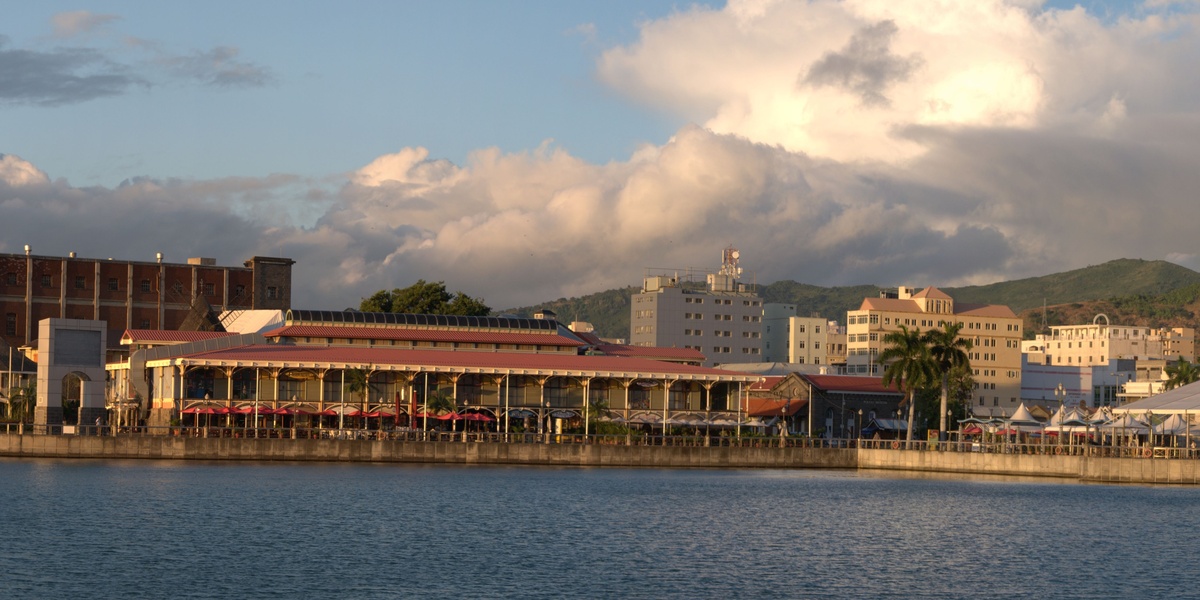
Port Louis was founded by the French in 1735 and named for King Louis, and that layered past—French, Creole, Indian and Chinese—still shapes the compact city you can explore today. In a few square kilometres you can trace colonial forts, stroll a waterfront that hums with market life, and stand at a site where global migration changed Mauritius. Aapravasi Ghat became a UNESCO World Heritage Site in 2006, a concrete reminder of the island’s 19th‑century indentured labour migrations. That makes Port Louis rewarding for travelers who like history, good food and lively streets where every corner tells a story. If you’re planning time in the capital, this guide lists seven distinctive must‑do experiences that show why Port Louis deserves at least a day on your Mauritius itinerary. Read on for practical tips—opening times, suggested visit lengths and how to combine museums, markets and nearby green escapes—so you can pick the right mix for your schedule and energy. Expect to walk a lot and to taste memorable local dishes along the way.
History & Museums
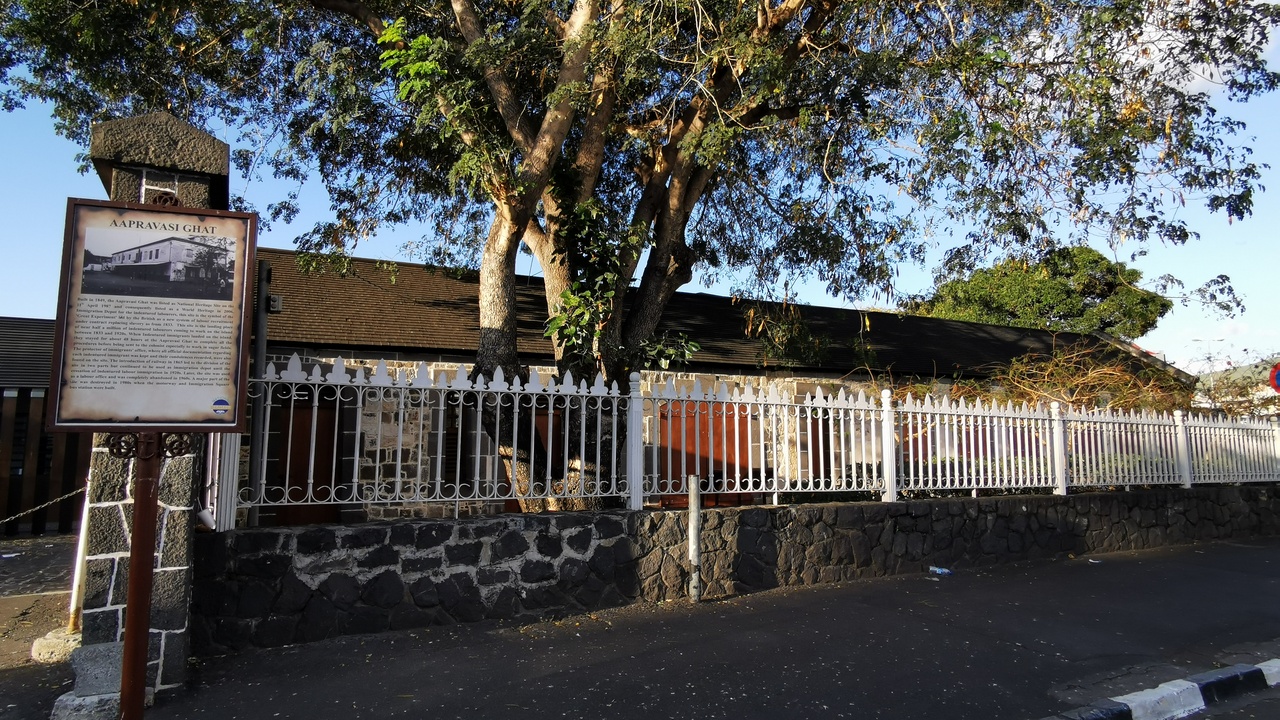
Port Louis’s museums and heritage sites make the city’s colonial layers legible. From the waterfront memorials that mark indentured migration to curated collections of stamps, maps and ship models, these institutions explain how small islands connected to wide trade networks. Many sites sit within walking distance of the Caudan Waterfront and the Central Market, so you can group visits into a morning or an afternoon. Practical visitor info matters: most museums open around 9:00 and close by 17:00, and recommended visit times range from 45 minutes up to 90 minutes depending on interest. Aapravasi Ghat (UNESCO inscription, 2006) offers focused interpretation panels; the Blue Penny Museum houses fragile national treasures; and Fort Adelaide provides historic context plus a panorama of the harbour. Buy tickets at each venue or check for combined passes at tourism desks; guided tours are available at several sites for deeper context. For travellers who enjoy history, these stops turn the city into a readable map of migration, trade and colonial governance.
1. Visit Aapravasi Ghat — Mauritius’s immigration story
Aapravasi Ghat is a compact UNESCO site chronicling the arrival of indentured labourers to Mauritius from the mid‑19th century onward. Inscribed in 2006, the site uses exhibition panels and preserved ruins to trace journeys from the Indian subcontinent and other parts of the Indian Ocean. Visitors typically spend 45–90 minutes reading displays and viewing the waterfront memorial. The setting is small but powerful: interpretive panels explain contracts, ship conditions and family stories that shaped Mauritius’s demographics. Entry is usually modestly priced and guided tours—often available on request—add valuable context. Nearby, you can walk to the central market or the maritime exhibits, so Aapravasi Ghat fits well into a half‑day exploring Port Louis’s historical core.
2. Explore the Blue Penny Museum and maritime collections
The Blue Penny Museum houses prized cultural artifacts, most famously the 1847 Blue Penny stamp, alongside maritime and cartographic displays that tell Mauritius’s seafaring history. Plan 60–90 minutes if you want to see the gallery, the multimedia exhibits and the small museum shop. Exhibits include original engravings, historic maps of the Indian Ocean trade routes and interpretive panels about colonial ports. The museum is family‑friendly and often offers guided visits; check opening hours (typically from mid‑morning to late afternoon) and look for combination tickets with nearby attractions. For history buffs, the Blue Penny’s presentation of national symbols and sea charts adds texture to a visit to Port Louis’s harbourfront.
3. Climb Fort Adelaide (The Citadel) for panoramic views
Fort Adelaide, built by the British in the 19th century, crowns a hill above the city and delivers one of the best viewlines over Port Louis and its busy harbour. The climb from the central business district is short but uphill; taxis drop you near the entrance if you prefer to save energy. Aim for late afternoon or sunset for the best light and cooler temperatures—visits of 30–60 minutes usually suffice for photos and a slow stroll around the ramparts. There’s modest signage about the fort’s military history, and the site is generally safe for visitors. Bring water and sun protection if you go at midday, and pair the stop with a museum or market visit in the same afternoon.
Markets, Street Food & Local Flavors

Port Louis is as much a food city as a historical one. The Central Market pulses with colour and scent, offering roughly 200 stalls of produce, spices, textiles and souvenirs; street vendors sell dholl puri, gateau piment and other quick bites from early morning until mid‑afternoon. Bargaining is common for non‑food items—start at about 30–40% below the asking price and meet in the middle—and bring cash and small change for snacks. If you want a cleaner sit‑down meal, the Caudan Waterfront’s marina‑side restaurants serve seafood and Creole plates in a more relaxed setting. Peak market hours are 7:00–11:00 for produce and 11:00–15:00 for street food; for hygiene, pick busy stalls where turnover is high. These neighbourhoods reward slow walking: sample, chat with vendors and leave with spices or a hand‑stitched textile to remember the day.
4. Haggle and snack at the Central Market (Bazaar)
The Central Market is where Port Louis locals shop and tourists taste authentic street eats. The layout separates produce, fish and spice stalls from clothing and souvenir rows, so you can focus on what you want to buy. Morning visits—around 7:00 to 11:00—are best for fresh produce; aim for late morning to sample street snacks. Try dholl puri (thin flatbread stuffed with split pea curry) and gateau piment (crispy chili fritters); snacks commonly cost a few Mauritian rupees up to modest single‑dollar equivalents. Bargaining is common on textiles and crafts—politely haggle and expect to pay slightly more if you use a credit card. Pack small bills, wear comfortable shoes, and bring a reusable bag for spices or ground masala to bring home.
5. Dine at Caudan Waterfront for relaxed harbor scenes
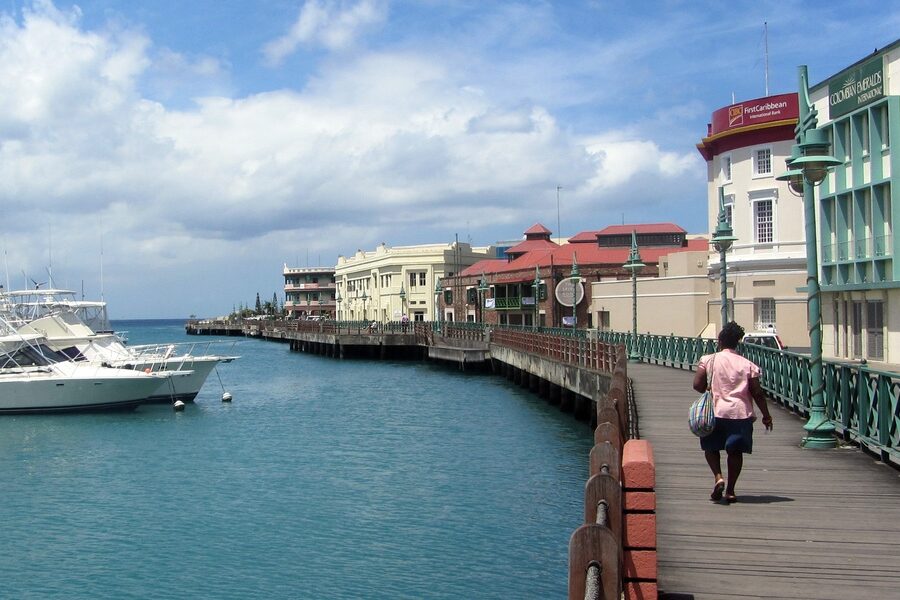
Caudan Waterfront’s marina promenade is a short walk from the Central Market and designed for sit‑down meals, live music and craft shopping. Restaurants range from casual seafood grills to more formal Creole dining; a typical main course sits in the mid‑price band for Mauritius, with family meals comfortable for groups. Evenings often have live music at select venues and weekend stalls selling crafts. It’s a convenient option for families or anyone who prefers a cleaner, quieter meal after a morning in the market. Time your visit for late afternoon to catch golden light on the boats and then stay for dinner if you enjoy waterfront atmosphere and mild breezes.
Harbour, Gardens & Nearby Escapes
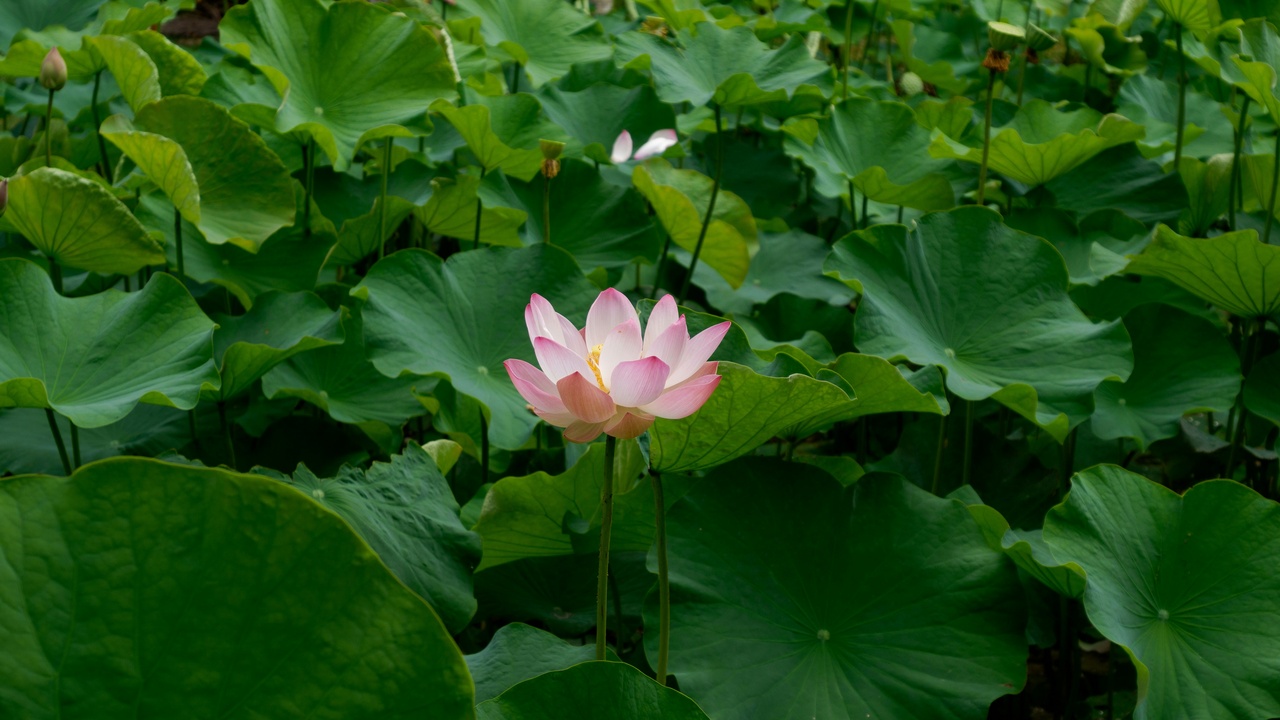
Beyond museums and markets, Port Louis is a gateway to easy outdoor escapes. The harbourfront offers pleasant walks and short boat trips; the Sir Seewoosagur Ramgoolam Botanical Garden in Pamplemousses is a short drive away and showcases giant water lilies and colonial‑era plantings; and nearby nature reserves or small islands make straightforward half‑day trips. Accessibility is a plus—many of these options are a 10–20 minute drive from the city center or a brief ferry hop—and recommended visit lengths range from an hour for a harbour stroll to 60–120 minutes for the botanical garden. For limited time, pair a morning in the gardens with an afternoon of market wandering; for a relaxed day, add an eco‑reserve boat trip to see endemic birds and coastal scenery. Morning light is best for gardens; late afternoon suits harbour walks and sunset photography.
6. Walk the waterfront and watch the harbour life
The waterfront is ideal for easy walking, photos and watching fishing boats and ferries. A pleasant route links the Caudan Waterfront to the ferry terminals and the maritime museums, so you can stitch together several stops on foot. Best times are sunrise for soft light and late afternoon for cooler temperatures and sunset colours. Short harbour cruises leave from nearby piers and offer a different viewpoint of the city for about 20–40 minutes. Practical tips: secure parking can be limited during peak hours, so consider a taxi; bring a camera and a light jacket for evening breezes.
7. Take a short trip to Pamplemousses Botanical Garden
Sir Seewoosagur Ramgoolam Botanical Garden, often called Pamplemousses, is a short drive from central Port Louis—typically 10–20 minutes depending on traffic—and rewards visitors with historic plantings and dramatic victoria water lilies. The garden’s origins date to the 18th and 19th centuries, and signature sights include long avenues of giant palms and the shallow lily ponds that make striking photos. Plan 60–120 minutes to explore the main paths; morning visits avoid heat and the busiest tour groups. Combine this stop with a visit to a nearby sugar estate or the capital’s museums for a balanced full day of nature and history.
Summary
- Port Louis compresses history, food and nature: see a UNESCO site (Aapravasi Ghat, inscribed 2006), a maritime museum with the 1847 Blue Penny stamp, and a 19th‑century fort—all within easy walking distance.
- Plan visits with timing in mind: Aapravasi Ghat (45–90 minutes), Blue Penny Museum (60–90 minutes), Fort Adelaide (30–60 minutes); markets are busiest 7:00–11:00 for produce and 11:00–15:00 for street food.
- Food and shopping pair naturally: haggle at roughly 200 Central Market stalls for spices and textiles, sample dholl puri and gateau piment, then relax with seafood at Caudan Waterfront for a calmer meal.
- Easy outdoor options: waterfront walks and short harbour cruises, plus the Sir Seewoosagur Ramgoolam Botanical Garden a short 10–20 minute drive away—allocate 60–120 minutes for the garden to see the victoria water lilies.
- Pick a combo to match your schedule—Market + Waterfront for a half‑day; Museums + Botanical Garden for a full day; add an island or eco‑reserve if you have multiple days—and check opening hours and transport before you go.