Key West’s average January low is 66 °F. Pensacola’s average January high is 63 °F. The two cities sit in the same state, more than 800 miles apart by road, so the first question in deciding what to pack for Florida is not the month. It is which Florida.
Short answer: March, April and November give most of the state warm, mostly dry days with nights that still call for a layer. The piece that changes most through the year is the outer layer: a real jacket for the Panhandle from December to February, a light fleece for Orlando mornings in those same months, and a poncho instead of either from June to September. Find your region in the first table and your month in the sections below it.
A few things go in the bag in every month and every region: a swimsuit, a hat with a brim, SPF 30 or higher sunscreen, insect repellent, sandals plus one pair of broken-in walking shoes and a thin long-sleeve layer for buses, restaurants and theaters that run their air conditioning hard.
Which Florida? Panhandle, Orlando and the Keys by month
The state runs about six degrees of latitude from the Alabama line to Key West. In summer that barely matters: every region tops out near 90 °F with afternoon storms. From November to March it matters a lot. NOAA’s 1991-2020 normals for three airports show the spread, along with NOAA’s long-term sea temperatures for the Gulf at Pensacola and the Atlantic off Miami.
| Month | Pensacola (°F) | Orlando (°F) | Key West (°F) | Gulf at Pensacola | Atlantic off Miami |
|---|---|---|---|---|---|
| Jan | 63 to 44 | 72 to 50 | 76 to 66 | 57 degrees | 73 degrees |
| Feb | 66 to 47 | 75 to 52 | 77 to 67 | 59 degrees | 74 degrees |
| Mar | 72 to 53 | 79 to 56 | 80 to 69 | 65 degrees | 76 degrees |
| Apr | 78 to 59 | 84 to 61 | 83 to 73 | 72 degrees | 79 degrees |
| May | 85 to 67 | 88 to 66 | 86 to 76 | 79 degrees | 83 degrees |
| Jun | 90 to 74 | 91 to 72 | 89 to 79 | 84 degrees | 86 degrees |
| Jul | 92 to 75 | 92 to 73 | 90 to 81 | 86 degrees | 88 degrees |
| Aug | 91 to 75 | 92 to 74 | 91 to 81 | 87 degrees | 88 degrees |
| Sep | 89 to 72 | 90 to 72 | 89 to 79 | 83 degrees | 87 degrees |
| Oct | 81 to 62 | 85 to 66 | 86 to 77 | 76 degrees | 83 degrees |
| Nov | 72 to 51 | 78 to 58 | 81 to 72 | 67 degrees | 78 degrees |
| Dec | 65 to 46 | 74 to 53 | 78 to 68 | 60 degrees | 75 degrees |
Read the lows, not the highs. Pensacola averages about five nights at or below freezing in January, Orlando about one and Key West none. Jacksonville and St. Augustine sit close to Pensacola in winter. Tampa, St. Petersburg and the Space Coast track Orlando closely. Miami, Naples and Fort Lauderdale sit between Orlando and Key West, and the Miami packing guide covers that city on its own.
Orlando falls between the two extremes, so the full monthly table below uses Orlando International Airport, with rain days and a line on what to wear in Florida each month at that latitude.
| Month | High °F / °C | Low °F / °C | Rain days | What to wear |
|---|---|---|---|---|
| Jan | 72 / 22 | 50 / 10 | 7 | Jeans, long sleeves, light jacket; 50s at night |
| Feb | 75 / 24 | 52 / 11 | 6 | Light layers; shorts by afternoon, sweater at night |
| Mar | 79 / 26 | 56 / 13 | 7 | Shorts and tees by day, light layer at night; sunscreen |
| Apr | 84 / 29 | 61 / 16 | 6 | Summer clothes, hat; light layer for cooler nights |
| May | 88 / 31 | 66 / 19 | 8 | Breathable shorts, swimsuit, hat; pack a poncho |
| Jun | 91 / 33 | 72 / 22 | 16 | Light quick-dry clothes, poncho; storms most afternoons |
| Jul | 92 / 33 | 73 / 23 | 17 | Lightest quick-dry clothes, poncho; very hot, humid |
| Aug | 92 / 33 | 74 / 23 | 17 | Lightest quick-dry clothes, poncho; hottest, stormy |
| Sep | 90 / 32 | 72 / 22 | 14 | Light quick-dry clothes, poncho; peak hurricane season |
| Oct | 85 / 29 | 66 / 19 | 8 | Shorts and tees; light layer at night; poncho handy |
| Nov | 78 / 26 | 58 / 14 | 6 | Shorts by day, jeans and light jacket at night |
| Dec | 74 / 23 | 53 / 12 | 7 | Jeans, tees, light sweater; shorts if sunny |
What to pack for Florida in winter: December, January and February
Winter is the dry season. Rain falls on about seven days a month in Orlando, mostly as a front passes, and the humidity drops enough that 75 °F feels pleasant instead of heavy. The catch is the fronts themselves. A strong one can take Orlando into the 30s overnight and leave the Panhandle below freezing for two or three nights running.
What to pack for Florida in December
Orlando averages 74 °F by day and 53 °F at night, and the parks run their holiday events through the month, so evenings outdoors are long. Pack jeans or long trousers, two long-sleeve tops and a light fleece or sweater for after dark. In the Panhandle, add a jacket that blocks wind; Pensacola sees about three freezing nights in December. In Key West, shorts and a light layer cover it, and the Atlantic is still near 75 °F for swimming.
What to pack for Florida in January
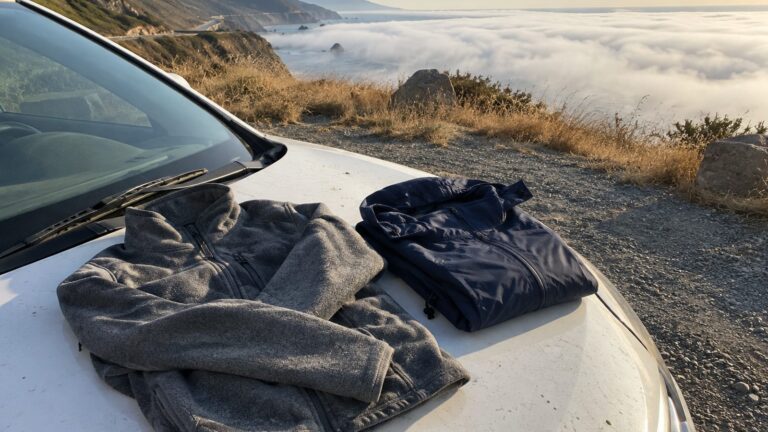
January is the coldest month everywhere north of the Keys. Orlando’s normal low is 50 °F, and the Gulf off Pensacola drops to about 57 °F, which is cold enough that most visitors walk the beach instead of swimming. A full-zip fleece covers it. It rolls into a daypack by noon, when Orlando usually reaches the low 70s, and comes back out for the evening fireworks. In the Panhandle, wear it under a windbreaker.
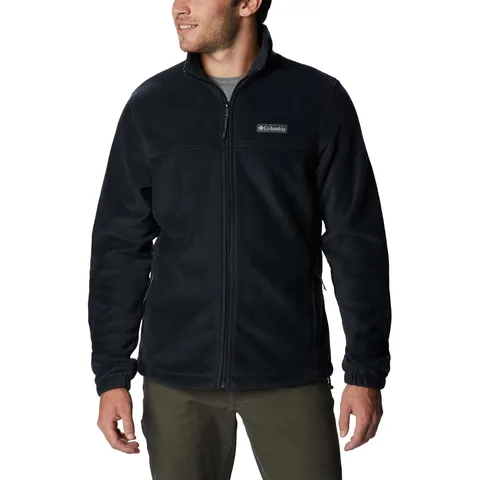
Columbia Steens Mountain FleeceMid-range
January cold fronts bring about 5 freezing nights to Pensacola and an occasional one to Orlando; one fleece covers the Panhandle.
- Midweight polyester fleece with a stand-up collar
- Front zip the full length; zip hand pockets on both sides
January is also manatee season. The animals gather in springs and power-plant outflows that hold around 72 °F, and Crystal River, a short drive from Tampa, is the best-known spot. The things to do in Tampa guide covers the tour operators. If you swim with them, the water feels warm and the air when you climb out does not, so bring a towel and a dry fleece for the boat ride back.
What to pack for Florida in February
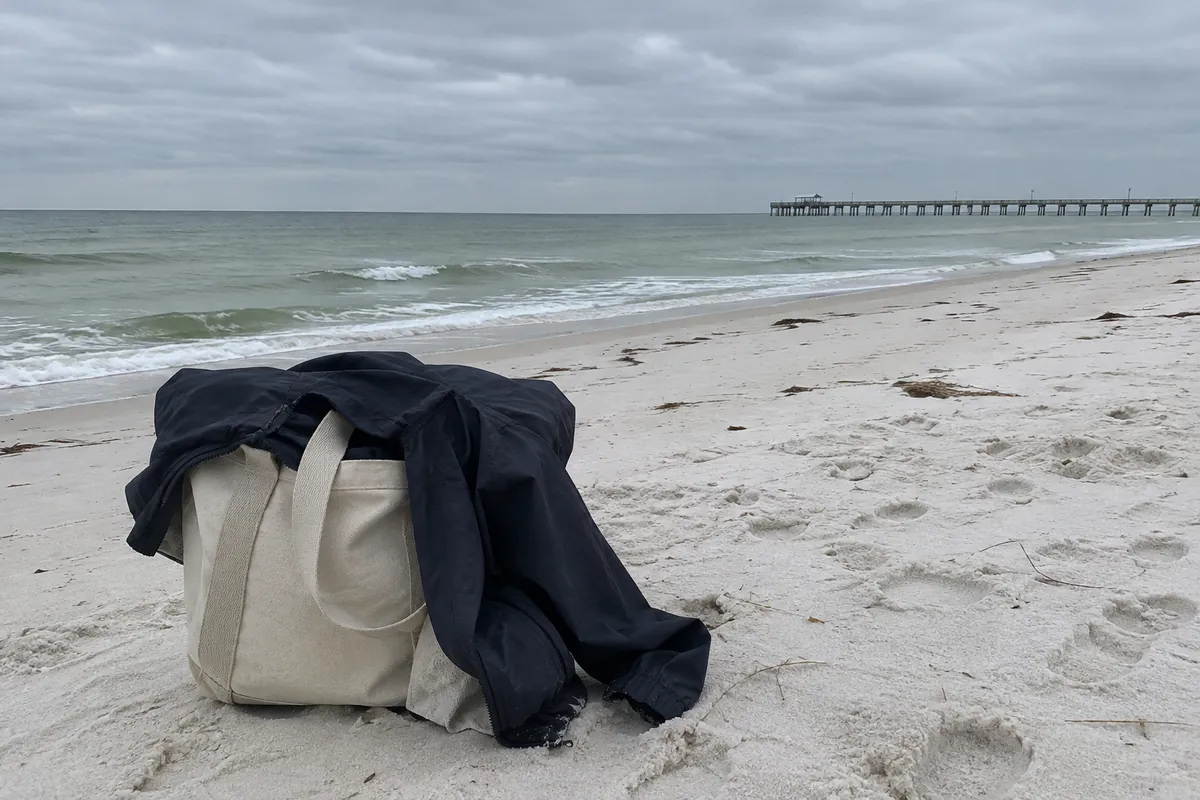
February warms by a few degrees but keeps the same pattern: shorts by early afternoon, a sweater by sunset. Panhandle beaches stay quiet until spring break. On a trip to Pensacola Beach in February 2017 I walked the sand with the Gulf near 59 °F, and the swimsuit never left the bag. A windbreaker did all the work on the pier.
Spring in Florida: March, April and May
Spring brings the best overall weather and the biggest crowds. The days warm quickly, rain stays low until mid-May and the water off both coasts turns swimmable by April.
What to pack for Florida in March
Orlando averages 79 / 56 °F, Pensacola 72 / 53 °F and Key West 80 / 69 °F. This is spring break month. Panama City Beach bans alcohol on its sandy beach for all of March under a city ordinance, so leave the cooler of beer at the rental. The Gulf is still near 65 °F, cool enough that a short wetsuit top or rash guard makes a swim more comfortable. EPCOT’s Flower and Garden Festival runs from March 10 to May 31, 2027, and most of it is outdoors in full sun.
What to pack for Florida in April
April has the lowest rain count of the warm months in Orlando, about six days, and highs in the mid-80s. Most visitors can pack straight summer clothes plus one light layer. Two kinds of insects show up. Lovebugs swarm for about four weeks in late April and May; they are harmless but smear across windshields and white clothing. No-see-ums, tiny biting midges, peak in April, May, October and November around salt marshes and beaches at dawn and dusk, according to the University of Florida. A repellent with picaridin or DEET handles both mosquitoes and midges.
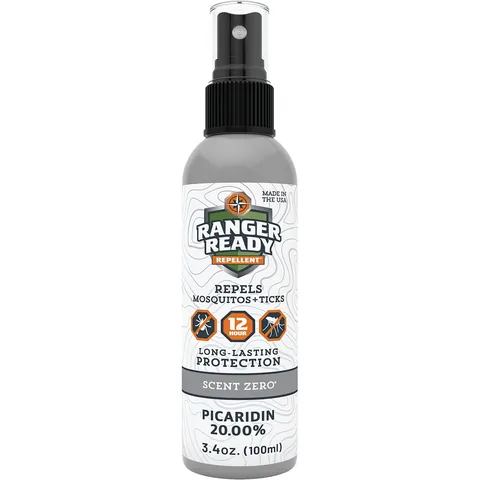
Ranger Ready Picaridin SprayBudget
Mosquitoes and no-see-ums bite at dusk and dawn near salt marsh and beaches, peaking Apr-May and Oct-Nov; 3.4 oz is carry-on legal.
- 20% picaridin spray, unscented
- Non-greasy formula, 3.4 oz pump spray
What to pack for Florida in May
May is the last month before the rains settle in. Orlando averages 88 °F with about 14 days above 90 °F, and the wet season usually starts in the second half of the month. Pack for heat now: breathable shirts, quick-dry shorts, a hat and a light poncho in the day bag for the late-May storms. Sun becomes the main hazard. On a Dry Tortugas day trip in May 2014, I snorkeled off Fort Jefferson and burned the backs of my knees through sunscreen; the only shade on the island was inside the brick casemates. A long-sleeve swim shirt covers what sunscreen misses when you float face down for an hour.
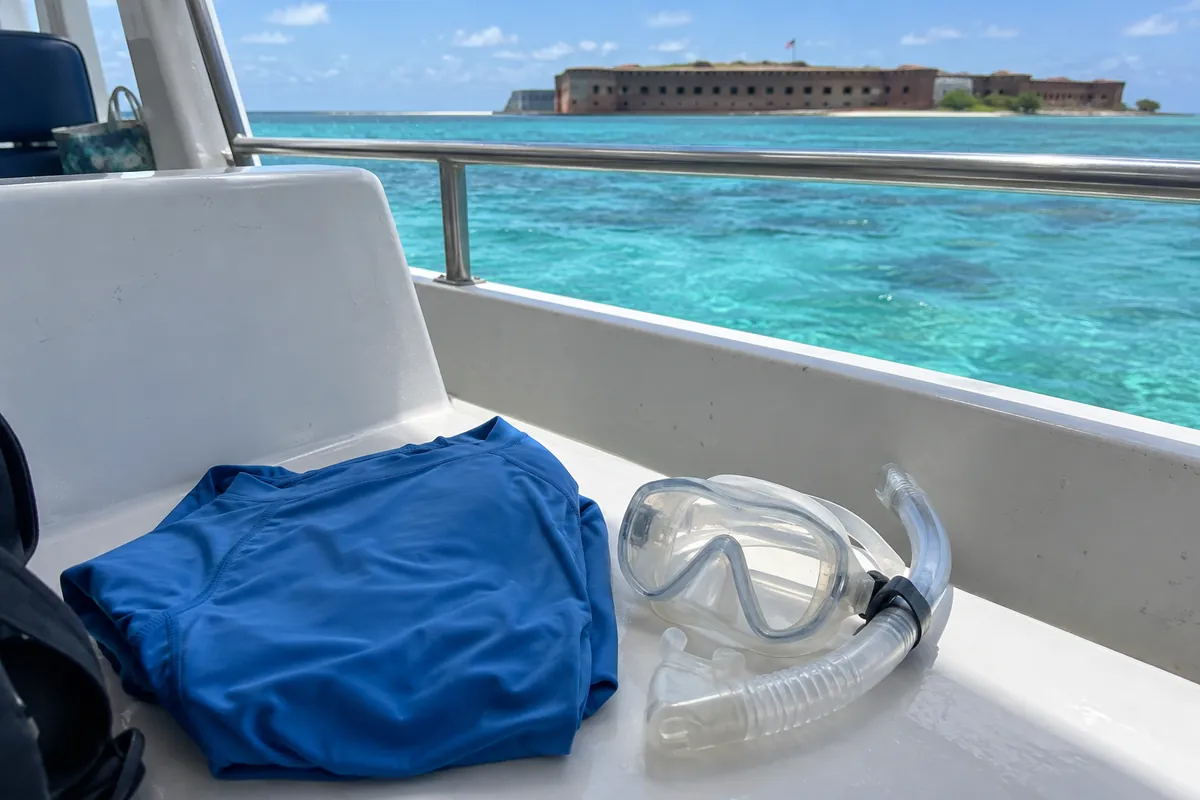
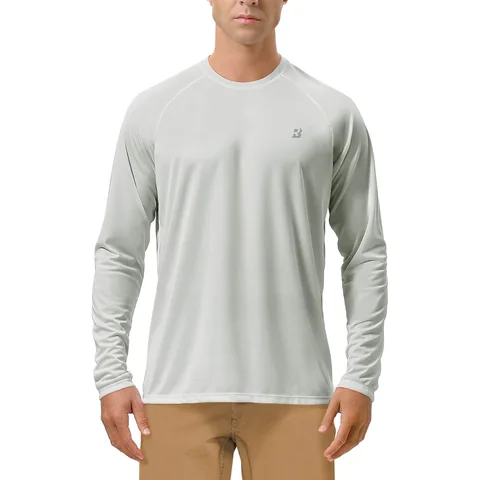
Roadbox UPF 50+ Sun ShirtBudget
Florida's sun is strongest from April to September; a UPF long-sleeve shirt covers arms for boats, springs and beaches without more sunscreen.
- UPF 50+ polyester fabric, long sleeve
- Quick-dry, moisture-wicking and lightweight
Summer in Florida: June, July and August
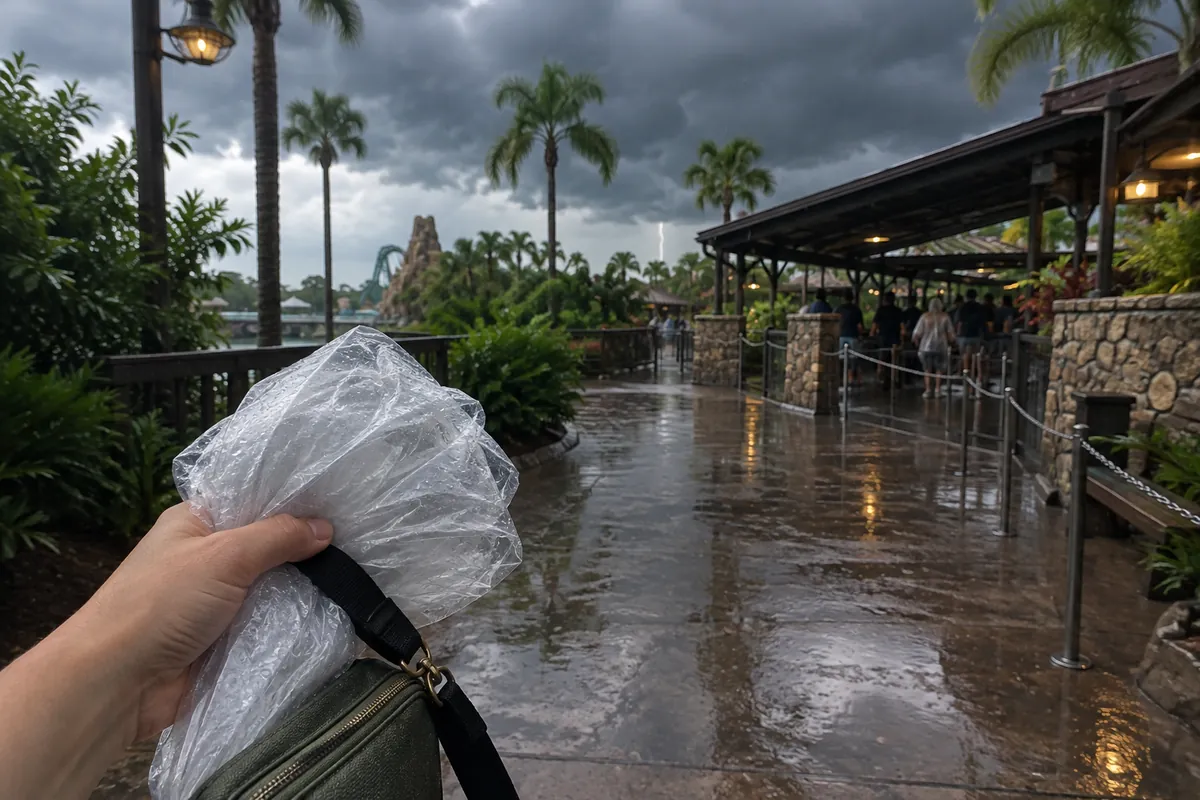
Summer runs on a daily schedule. The morning is clear and humid, sea breezes from the Gulf and the Atlantic push inland by midday, and where they meet over the peninsula they build thunderstorms by mid-afternoon. The National Weather Service in Melbourne traces most of the state’s summer lightning to those colliding sea breezes. Storms usually pass within an hour, but outdoor rides, pools and beaches close while lightning is nearby.
What to pack for Florida in June
Hurricane season opens on June 1. Orlando gets about 16 rainy days and 8 inches of rain in June, nearly three times April’s total. Pack a poncho rather than an umbrella (Universal treats umbrellas as loose articles on most rides) and shoes that dry overnight. Mesh sneakers or sport sandals beat leather or canvas, which stay wet for days in this humidity.
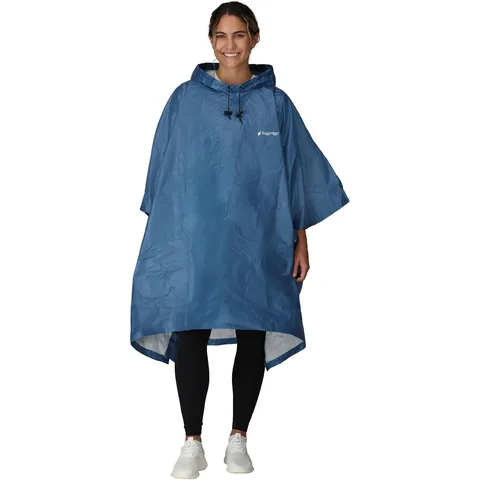 Frogg Toggs Rain PonchoBudgetCheck price on Amazon
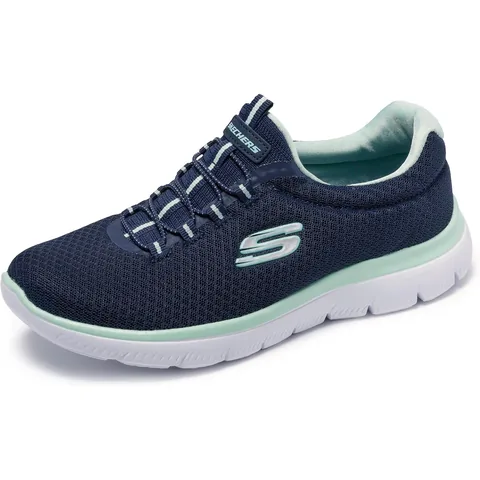 Skechers Summits SneakerMid-rangeCheck price on Amazon
What to pack for Florida in July
Orlando peaks in July, with about 25 days at 90 °F or above. The heat index often runs well past the air temperature because the humidity rarely drops. Pack the lightest clothes you own, in fabrics that dry fast: two or three shirts you can rinse in a sink beat seven cotton ones. A wet cooling towel around the neck keeps both hands free in a long queue.
On Reddit, the advice that comes up most often in r/florida for summer visitors is blunt: bring bug spray without exception, and bring a light sweater anyway, because restaurants and theaters run their air conditioning at full power.
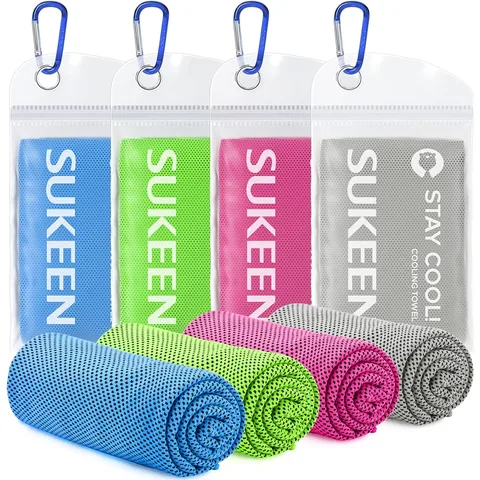 Sukeen Cooling TowelsBudgetCheck price on Amazon
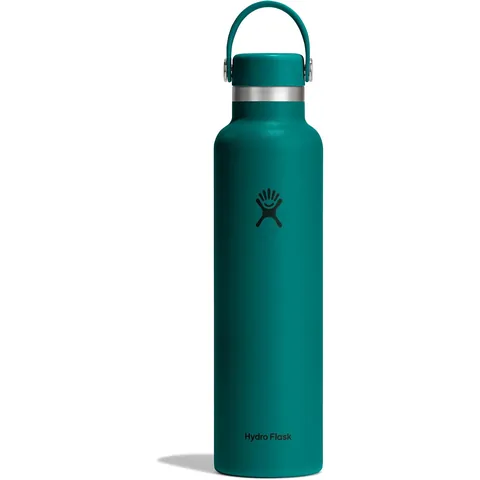 Hydro Flask 24 oz BottleMid-rangeCheck price on Amazon
What to pack for Florida in August
August matches July for heat and storms, and lovebugs return for their second flight late in the month. The Gulf and the Atlantic both sit near 87 °F, warm enough that the water no longer cools you off. Swim early in the morning, before the storms build and the sand heats up, and wear sandals between the car and the water.
Fall in Florida: September, October and November
Fall starts as summer and ends as winter. September is the stormiest month for hurricanes; November is often the most comfortable month of the year.
What to pack for Florida in September
The climatological peak of hurricane season falls around September 10, and the National Hurricane Center counts mid-August to mid-October as the most active stretch. Most September trips see only the usual afternoon storms, but pack as if the power could go out for a night: a charged power bank, a small flashlight and your documents in one zip pouch. Orlando still averages 90 °F with about 14 rainy days.
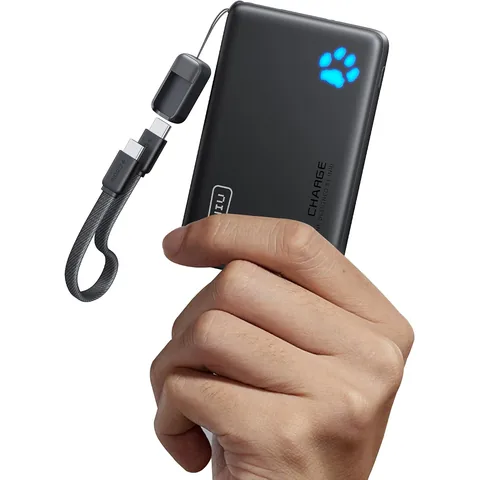
INIU 10,000mAh Power BankBudget
Park maps, ride queue times and mobile tickets drain a phone by afternoon; a small power bank fits in a sling.
- 10,000 mAh cell, about two full phone charges per the listing
- Built-in USB-C cable and a small torch; three output ports
What to pack for Florida in October
October dries out. Orlando averages 85 / 66 °F with about eight rainy days, and the first cool fronts reach the Panhandle by late month, when Pensacola nights drop into the low 60s. Halloween events run at both big Orlando resorts. Disney allows guests 14 and older to wear costumes only at its separately ticketed Halloween party nights, not on regular park days. Key West holds Fantasy Fest in late October, a costume festival where adults in costume are the norm.
What to pack for Florida in November
November is dry and mild: Orlando averages 78 / 58 °F with about six rainy days, tied with February and April for the fewest. Hurricane season ends on November 30. Pack summer clothes for the day and jeans plus a light jacket for evenings, and add a warmer layer for the Panhandle, where lows reach the low 50s and the first freeze can come by Thanksgiving. The Gulf off Pensacola cools to about 67 °F, while the Atlantic off Miami stays near 78 °F.
Theme park days: what Disney and Universal let through the gate
A full day at a Disney or Universal park often runs 6 to 10 miles on foot on hot pavement, with long stretches standing in the sun. Wear a pair you have already walked in, and pack a second pair if you plan back-to-back park days in summer, because shoes soaked by a 3 p.m. storm rarely dry by morning.
The two resorts screen bags differently:
- Walt Disney World: bags, backpacks and coolers longer than 24 inches are not allowed, with or without wheels. Extendable selfie sticks and glass containers are banned. Personal strollers can be no wider than 31 inches and no longer than 52 inches, and wagons are not allowed in theme or water parks. Clothing that drags on the ground or exposes large amounts of skin can be refused at the gate.
- Universal Orlando: every guest passes a metal detector and every bag is X-rayed. Bags with wheels are banned. Phones, keys, sunglasses and umbrellas are loose articles that cannot ride most attractions; you leave them with a non-rider or in a locker. Jurassic World VelociCoaster and The Incredible Hulk Coaster add a second metal detector at the ride entrance, so pockets must be empty.
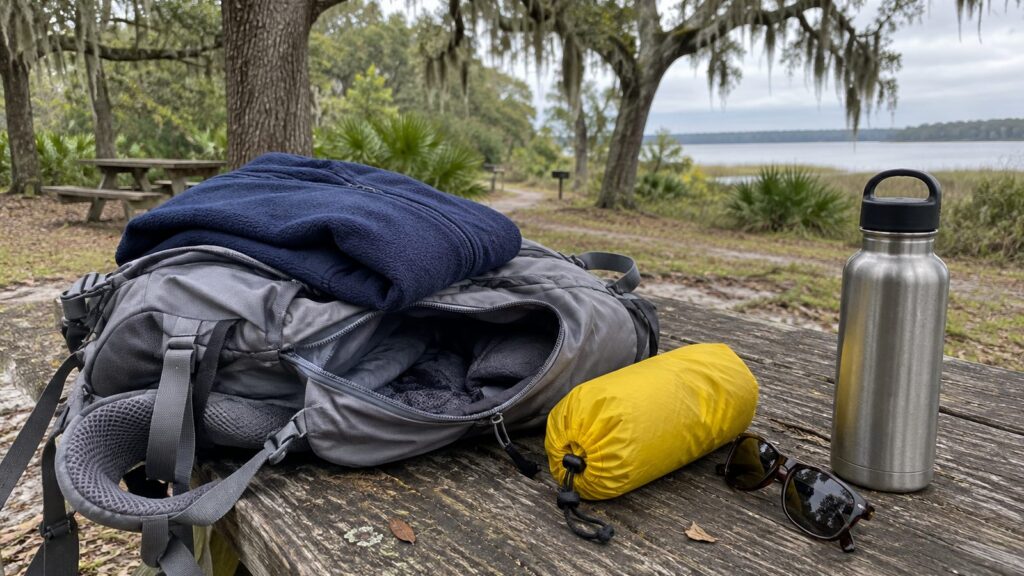
That points to a small crossbody or sling bag rather than a backpack: it slips into a ride locker, it stays in front of you in crowds, and it holds a phone, a card, sunscreen and a folded poncho. A waterproof phone pouch on a lanyard covers water rides and Volcano Bay. Families with toddlers should check their stroller against Disney’s size limits before the flight; the travel stroller guide lists folded dimensions.
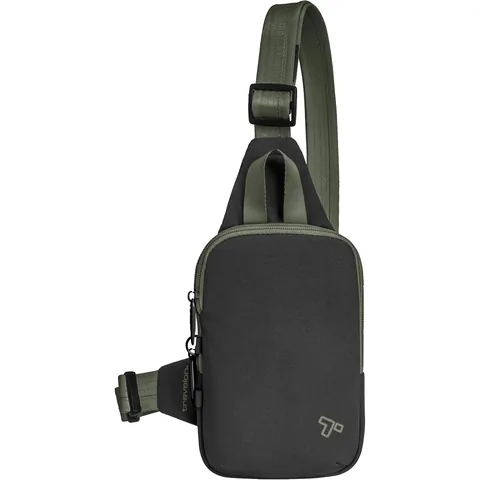 Travelon Voyages Compact SlingMid-rangeCheck price on Amazon
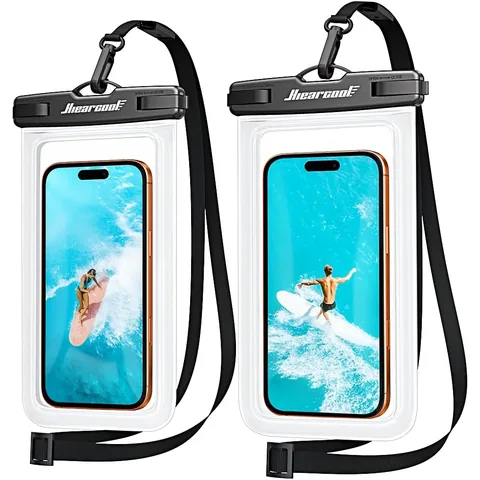 Hiearcool Waterproof Phone PouchBudgetCheck price on Amazon
Beaches, springs, the Keys and the Everglades
Florida flies the same beach warning flags on every coast under state law. Double red means the water is closed to the public, red means high surf or strong currents, yellow means medium hazard and green means low hazard. A purple flag, flown alongside another, warns of dangerous marine life such as jellyfish. No flag does not mean safe water, and rip currents often form on calm, sunny days, so swim at a guarded beach and ask the lifeguard. When thunder sounds, the National Weather Service advice is a car or a solid building, not a picnic shelter, until 30 minutes after the last rumble.
Sunscreen rules cause confusion in the Keys. Key West voted in 2019 to ban the sale of sunscreens with oxybenzone and octinoxate from 2021, but a 2020 state law took that power away from cities, and the ban never took effect. Any sunscreen is legal anywhere in Florida. NOAA still points snorkelers on the reef toward mineral sunscreen and covering skin with clothing, which is the better habit at Looe Key or the Dry Tortugas. On park and city days, a face stick reapplies without greasy hands and fits under the carry-on liquids limit.
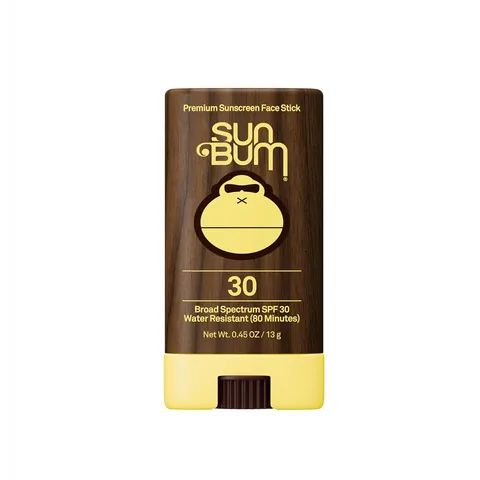
Sun Bum SPF 30 Face StickBudget
Orlando hits 90 F on 20-25 days a month in summer; a pocket stick reapplies sunscreen on a sweaty face in a queue, and under the 3.4 oz TSA limit.
- Water-resistant for 80 minutes; 0.45 oz stick
- Non-comedogenic roll-on stick with vitamin E
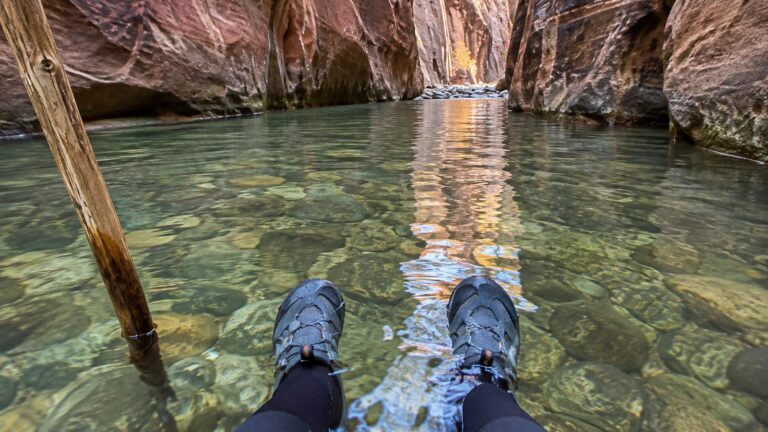
Springs such as Rainbow, Ichetucknee and Silver hold around 72 °F year-round, which feels cold in July and warm in January. Water shoes help on the limestone and the rocky entry points, and Ichetucknee Springs State Park bans disposable food and drink containers on the river. After a spring or a water park, a sand-free towel and a waterproof bag for the wet swimsuit keep the rest of the bag dry in air that never dries anything.
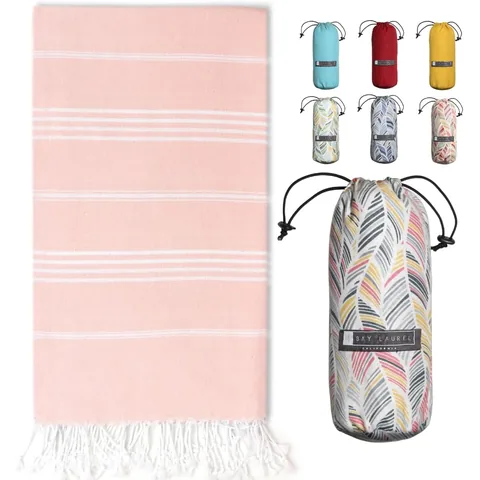 Bay Laurel Sand-Free TowelBudgetCheck price on Amazon
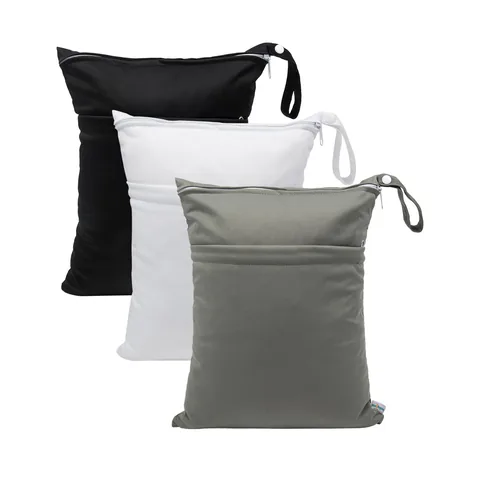 babygoal Wet Dry Bags 3-PackBudgetCheck price on Amazon
The Everglades are easiest in the dry season, December to mid-May, when the mosquitoes ease off and wildlife gathers at the remaining water. The National Park Service recommends long sleeves, long trousers and repellent, and that advice applies at dusk even in winter. At the Flamingo end of the park in October 2013, no-see-ums came straight through the mesh of a screened porch at sunset, and the bites on my ankles lasted a week. Long trousers tucked into socks, with repellent on the ankles, would have stopped most of it.
What to leave at home
- A heavy winter coat, unless you are going to the Panhandle from December to February. Orlando’s coldest normal low is 50 °F, and a fleece plus a windbreaker covers a cold front.
- An umbrella for Universal. Take the poncho instead.
- Adult costumes for regular Disney park days. Guests 14 and older may not wear them outside the ticketed party nights.
- Wheeled bags and large backpacks for the parks. Universal bans wheels and Disney stops anything over 24 inches. Leave them at the hotel.
- A voltage converter. North American chargers work as they are on Florida’s 120 V outlets (type A and B). Visitors from 220-240 V countries need only a plug adapter, as long as each charger is marked dual voltage.
- Formal clothes. Theme parks and almost all restaurants are casual. A few signature restaurants at the Disney resorts ask for smarter dress, and one nice outfit covers them.
- A different pair of shoes for every day. Two pairs of walking shoes that you rotate, plus sandals, cover a week in summer.
Florida packing list
Treat this packing list for Florida as the base for a seven-night trip anywhere in the state. Cut the cold-weather group from June to September, and double the swimwear group in summer so one set can dry while you wear the other.
Clothes
- 5-7 breathable shirts or tees
- 2-3 pairs quick-dry shorts or skirts
- 1 pair long trousers or jeans evenings Nov-Mar
- UPF long-sleeve sun shirt
- Thin long-sleeve layer for air conditioning
- 1 smarter outfit for a nice dinner
- Sleepwear and underwear
Cold-weather extras (Nov-Mar)
- Full-zip fleece
- Windbreaker Panhandle and Atlantic coast
- Warm jacket and closed shoes Panhandle, Dec-Feb
Rain and storms
- Lightweight rain poncho
- Small flashlight hurricane season
- Documents in a zip pouch
Shoes
- Broken-in walking shoes
- Second pair of walking shoes back-to-back park days
- Sandals or slides
- Water shoes springs and rocky entries
Sun and bugs
- Face sunscreen stick
- SPF 30+ body sunscreen mineral for reef snorkeling
- Picaridin or DEET repellent
- Hat with a brim
- Sunglasses
- Cooling towel June-September
Park day bag
Beach and water
- 2 swimsuits
- Sand-free beach towel
- Wet bag for swimsuits
- Snorkel mask Keys
Documents and tech
- REAL ID-compliant license or passport
- ESTA or visa international visitors
- Park tickets and reservations on your phone
- Plug adapter only from 220-240 V countries
- Plugs
- Type A and B, 120 V, 60 Hz (US plugs fit) Source
- Hurricane season
- June 1 to November 30, busiest mid-August to mid-October Source
- Beach flags
- Double red closed, red high hazard, yellow medium, green low, purple marine life Source
- Disney bag limit
- No bags or coolers over 24 in; strollers max 31 x 52 in; no wagons Source
- Universal entry
- Metal detectors, no wheeled bags, loose articles barred on most rides Source
- Key West sunscreen
- No ban in force; the 2019 sale ban was preempted by state law in 2020 Source
- Lightning
- Get to a car or building and wait 30 minutes after the last thunder Source
Florida packing FAQ
Do I need a passport or REAL ID to fly to Florida?
US travelers don't need a passport for a domestic flight, but since May 7, 2025 the TSA requires a REAL ID-compliant driver's license (marked with a star) or another accepted ID such as a passport. Travelers under 18 flying with an adult don't need ID at the checkpoint. Cruises from Florida ports have their own document rules, so check with the cruise line.
Do international visitors need an ESTA for Florida?
Citizens of Visa Waiver Program countries need an approved ESTA before boarding a flight to the United States, and Florida follows the same federal rules as every other state. Apply only through the official CBP site at least 72 hours before departure. Everyone else needs a B-2 visitor visa from a US embassy or consulate, which can take weeks or months to schedule.
Should I buy travel insurance for a Florida trip in hurricane season?
Yes, if your bookings are non-refundable, and buy it as soon as you book. Most policies won't cover a storm that already had a name when you bought the coverage. Read the hurricane clause for what triggers a payout, usually a hurricane warning at your destination or the closure of your hotel or airport, and check whether it covers missed connections.
Can I bring sunscreen and bug spray in my carry-on to Florida?
Yes, in containers of 3.4 ounces (100 ml) or less, all inside one quart-size clear bag. Larger bottles go in checked luggage. Aerosol repellent counts toward the same limit. If you fly carry-on only, buy full sizes on arrival; every Florida drugstore stocks both, and Disney and Universal sell them inside the parks.
Can you bring food and water into Disney World and Universal?
Disney World allows outside food and non-alcoholic drinks, including small soft-sided coolers, as long as there is no glass and no loose or dry ice. Universal Orlando is stricter: outside food and drink are not allowed except bottled water (up to 2 liters per guest), baby food and items needed for medical or dietary reasons. Both parks have free water at quick-service counters.