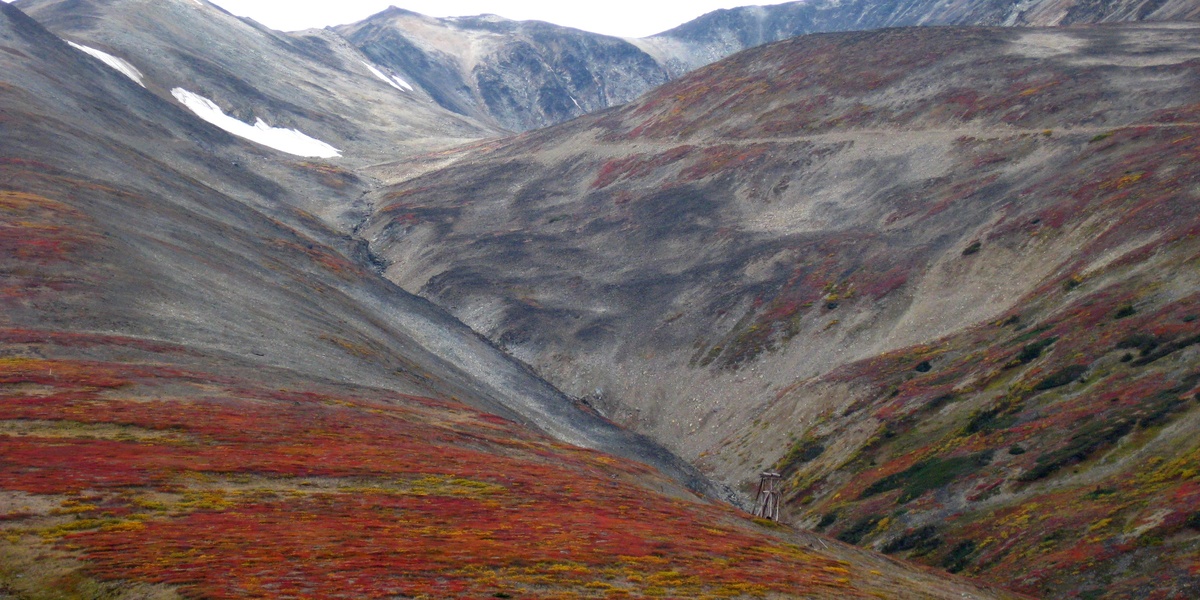
When Glacier National Park opened in 1910, it helped put Montana’s dramatic peaks and valleys on the map for explorers and outdoor lovers.
With roughly 1,084,225 people statewide at the 2020 census, Montana still feels vast—miles of uninterrupted sky and wilderness between towns that makes even a short trip feel remote and restorative.
From jagged summits to wide rivers and wind-swept plains, this guide lists ten adventurous things to do in Montana that push your skills, reward curiosity, and connect you to Big Sky Country; the list is grouped into four categories—Mountain & Hiking Adventures, Water & Fishing Adventures, Winter & Snow Adventures, and Cultural, Scenic & Backcountry Experiences—so you can match plans to season and appetite for exposure (I learned to read avalanche forecasts the hard way on an early trip to the Bridgers).
Mountain & Hiking Adventures
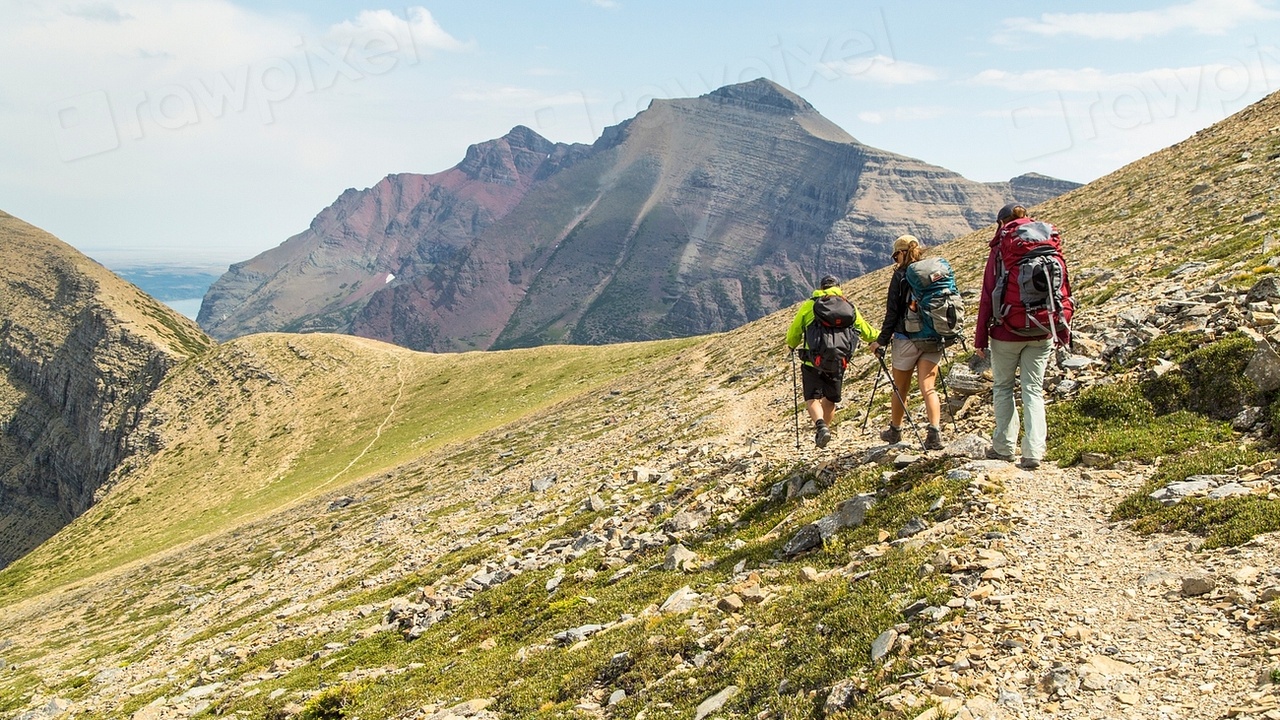
The high country in Montana is where elevation, exposure, and technical terrain meet unmatched scenery; Granite Peak (12,807 ft) sets the bar for difficulty and reward, and most classic routes are best attempted in the short summer window.
Plan trips between July and September for reliable snow-free approaches on many routes, carry navigation tools and weather gear, and consider guides for technical objectives—high-elevation storms and loose rock are real hazards and route-finding skills pay dividends.
1. Backpack a section of the Continental Divide Trail
Long-distance backpacking on the Continental Divide Trail delivers multi-day wilderness immersion and a serious dose of self-reliance; Montana contains hundreds of miles of CDT that sweep through alpine basins, glacial cirques, and classic backcountry forests.
Most section hikers plan 3–7 day itineraries on popular stretches—near the Bob Marshall Wilderness or around the Scapegoat Wilderness—so you get big scenery without committing to the entire 3,100-mile route.
Best season is July through September after most high snow melts; permits are required for some wilderness and Glacier backcountry zones, and resupply towns like Lincoln, Seeley Lake, and Helena make logistics manageable.
Expect hazards such as afternoon thunderstorms, swollen creek crossings during runoff, and bears—carry bear-resistant food storage, a reliable map or GPS, and basic first-aid and repair kits to keep a multi-day trip rolling.
2. Summit Granite Peak (technical mountaineering)
Granite Peak is Montana’s highest summit at 12,807 feet and stands out as the state’s most technical objective; standard approaches include steep scrambling, loose rock, and sections where ropes and helmets can make a trip safer.
Allow a 2–3 day window for a summit push to account for weather and approach logistics—many climbers overnight on the mountain to get a pre-dawn start for the crux sections—and check spring snow levels carefully, since lingering snow can change route difficulty.
Guided trips from outfits based in towns like Bozeman or Red Lodge are common and useful for parties lacking glacier or rope experience; training in navigation, rope skills, and alpine decision-making raises your success rate and keeps margins for error small.
Local beta: classic routes from the north face require careful route-finding on loose slabs, so prioritize a light pack, a helmet, and parties with solid communication and bailout plans.
3. Hike Glacier National Park’s Highline Trail
The Highline Trail is an iconic ridgeline hike with sustained exposure and sweeping views down into Glacier’s valleys; sections range from day-hike options to longer ridge traverses that reward early starts and patience with wildlife.
Common trips run 7–11 miles one-way depending on your start and end points—the Logan Pass to Granite Park Chalet route is a classic—and many hikers choose a day-hike to Haystack Butte or an overnight with Glacier backcountry permits for a more solitary experience.
Best months are July through September after snowpack has receded; pack layers for sudden wind and rain, give wildlife wide space (mountain goats and bighorn sheep are regulars), and secure a permit if you plan to camp on the ridge.
Water & Fishing Adventures
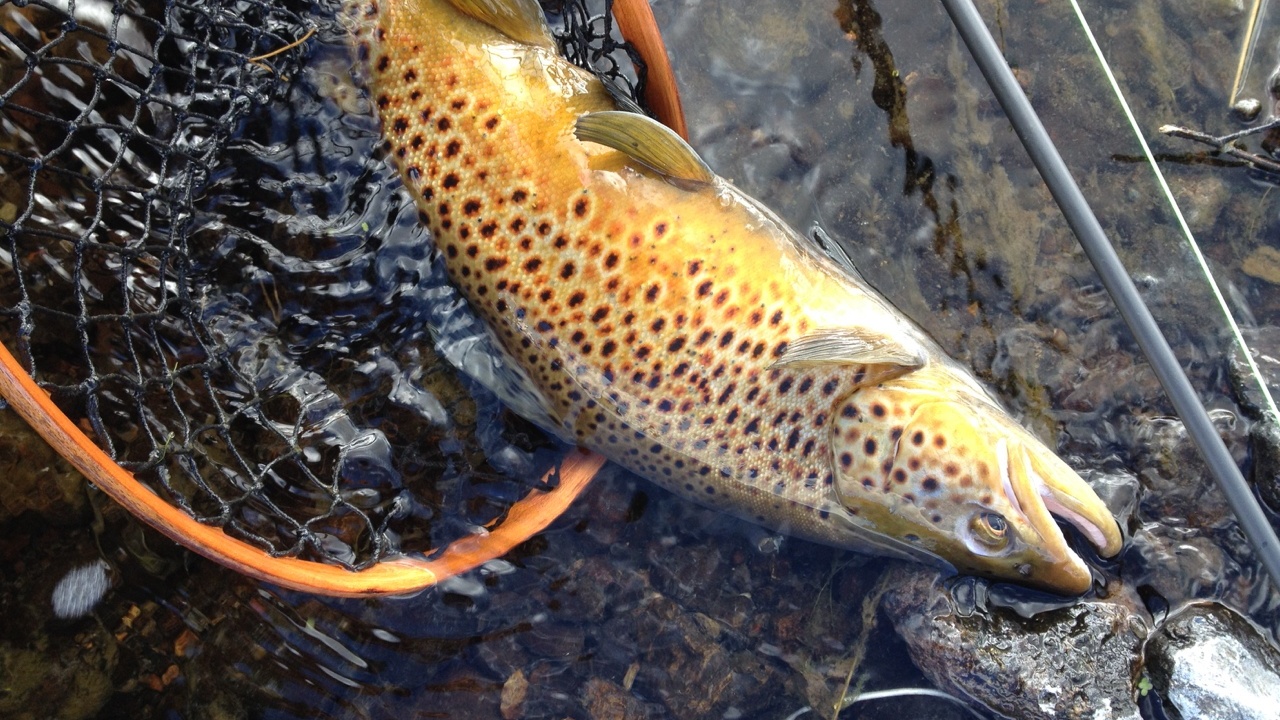
Montana’s rivers and lakes are a major draw: blue-ribbon trout fisheries sit alongside runnable whitewater and broad lakes perfect for paddling and sailing.
Flathead Lake anchors western Montana paddling, while rivers like the Madison, Yellowstone, and Gallatin offer everything from delicate dry-fly fishing to spring run-off rafting; timing matters—late spring brings big water for rafting, while summer and early fall are prime for fly-fishing and calm paddling.
4. Fly-fish the Madison, Yellowstone, or Bighorn Rivers
Montana is world-famous for trout, and the Madison, Yellowstone, and Bighorn rank among the state’s premier rivers for dry-fly and streamer fishing, with healthy populations of rainbow, brown, and native cutthroat trout.
Gateways include Ennis for the Madison, Gardiner or Corwin Springs for Yellowstone access near the park, and Fort Smith for the Bighorn; the typical season runs late spring through early fall with peak insect activity in summer for dry-fly action.
For newcomers, hiring a local guide from towns like Ennis or West Yellowstone speeds learning—guides know access, effective patterns (Adams, Elk Hair Caddis, stonefly patterns), and current regulations from Montana Fish, Wildlife & Parks.
Respect catch-and-release sections, wear appropriate waders, and pack polarized sunglasses to read currents and rise forms; learning a few drift and presentation skills will dramatically increase hook-ups.
5. Whitewater rafting on the Gallatin River
The Gallatin River is a popular whitewater run near Bozeman, offering class II–IV rapids during spring and early summer when snowmelt swells the flow.
Best months for big water are May and June; commercial outfitters in Bozeman run half- and full-day trips suitable for families and adrenaline seekers, and some stretches require experienced paddlers for the steeper rapids.
Safety first: wear a helmet and US Coast Guard–approved PFD, plan for cold water and strong currents, and choose guided trips if you lack swiftwater experience—the local guides know hazard lines and emergency procedures that keep runs fun and controlled.
6. Paddle or sail on Flathead Lake
Flathead Lake is the largest natural freshwater lake in the western U.S., ideal for kayaking, stand-up paddleboarding, sailing, and shoreline camping with big mountain views.
Launch towns like Polson and Bigfork offer rentals and fuel, and summer—especially July and August—brings the warmest water, though afternoon winds can build quickly, so plan crossings with weather windows in mind.
Rent locally if you don’t want to trailer gear, carry sun protection and a whistle or VHF for safety, and practice Leave No Trace on islands and shorelines to keep campsites clean for the next paddler.
Winter & Snow Adventures
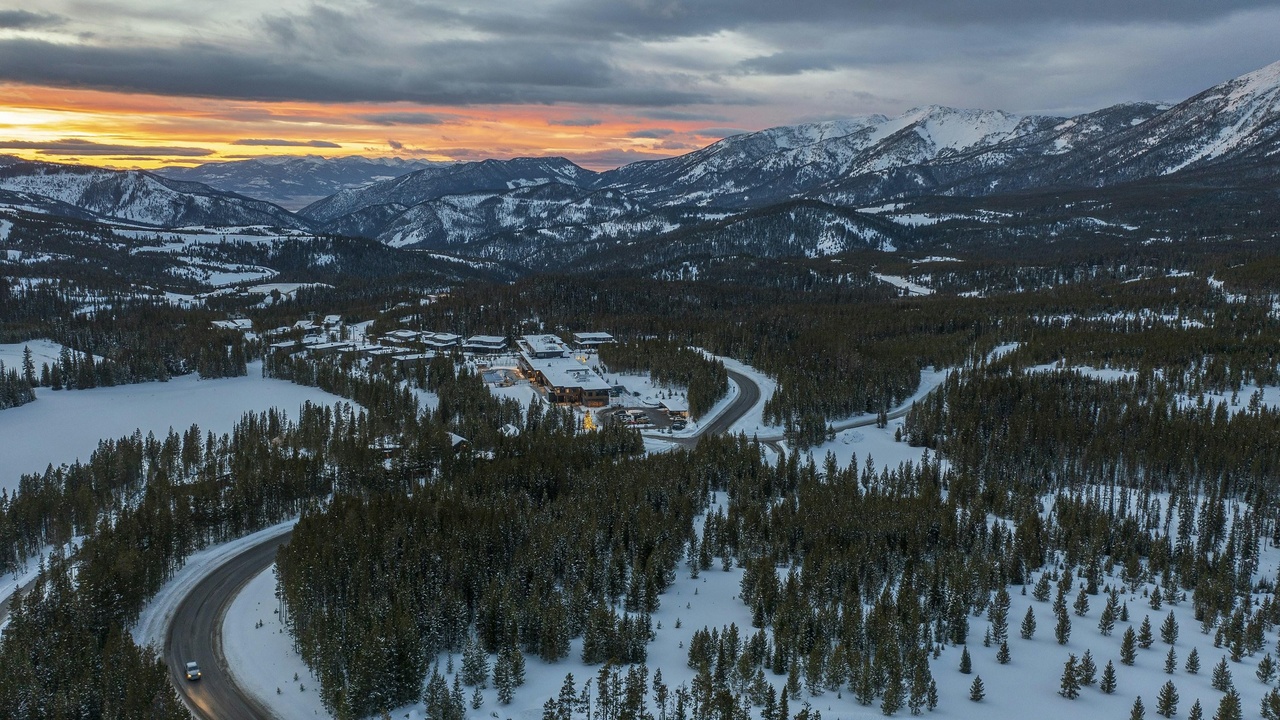
Montana’s mountain zones get long winters and substantial snowfall, creating excellent conditions for downhill skiing, snowmobiling, and backcountry tours; winter requires different logistics, from avalanche awareness to winterized vehicles and layered gear.
Whether you want lift-served runs or ungroomed powder, plan around avalanche forecasts, carry the right rescue equipment for backcountry travel (beacon, probe, shovel), and book guided services if you lack formal avy training.
7. Ski or snowboard at Big Sky Resort
Big Sky is one of the largest ski areas in the U.S., with extensive lift-served terrain that suits intermediates and advanced riders, plus beginner zones for those learning to turn.
Typical season runs from late November through April depending on snowfall, and the resort provides rentals, lessons, and terrain variety; quieter weekdays and exploring nearby Bridger Bowl offer different crowds and snow conditions.
For backcountry touring, access exists around the resort but demands avalanche training and rescue gear—consult local avalanche centers for current danger ratings before switching from lifts to skins (Avalanche Center resources are essential).
8. Snowmobile across groomed corridors and wide-open backcountry
Montana’s groomed trail networks and vast public lands make for superb snowmobiling, from single-day loops to multi-day lodge-to-lodge journeys through forested valleys and alpine basins.
Popular regions include areas near Libby, Kalispell, and the Cabinet Mountains; plan for permit or sticker requirements, and follow groomed-trail etiquette to protect surfaces and shared users.
Safety checklist: check avalanche reports, carry a GPS and satellite communication device if venturing off corridor, respect private property and seasonal closures, and always travel with a clear emergency plan.
Cultural, Scenic & Backcountry Experiences
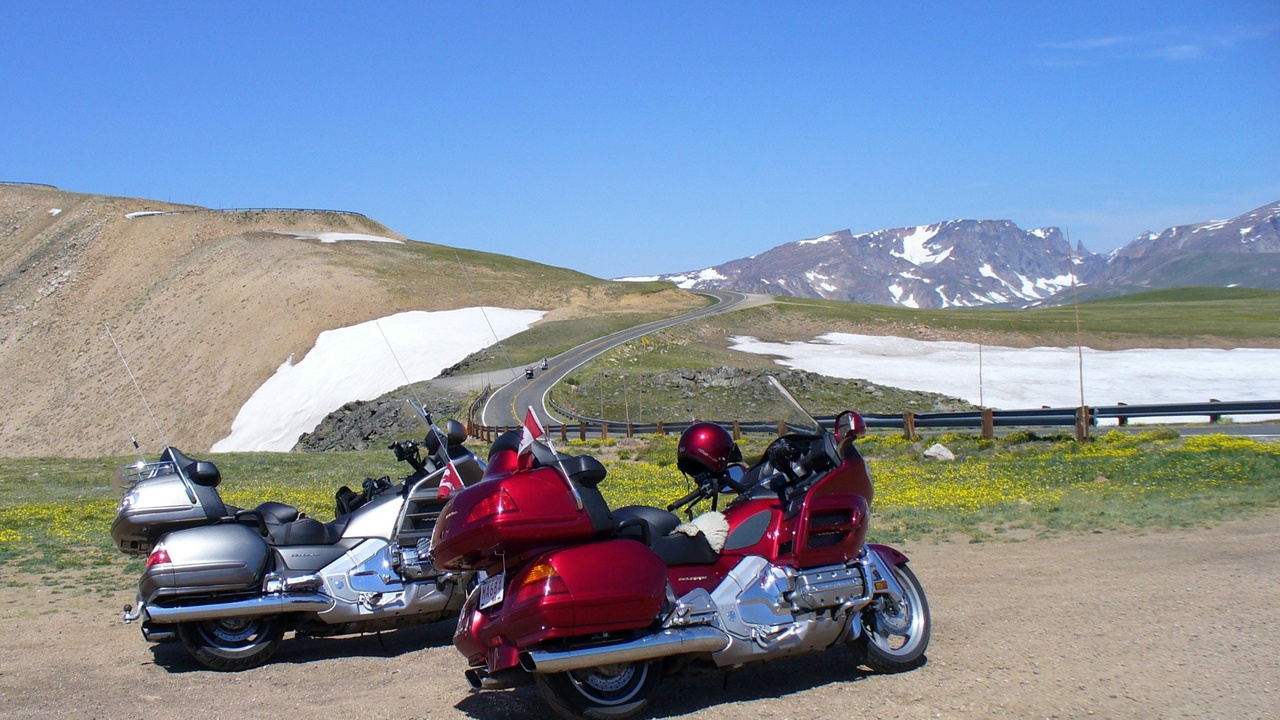
Not all adventures require ropes or wetsuits—scenic drives, wildlife corridors, and horse-supported trips deliver high-adrenaline views and genuine backcountry access while also offering cultural connection to Montana’s ranching traditions.
These options are great for mixed groups because they let less technical travelers share big experiences with more technical companions, and they often extend the season into shoulder months when high routes are still snowy.
9. Horsepack or stay at a Montana dude ranch
Horsepacking and dude-ranch stays blend rugged outdoor time with local culture—think multi-day trail rides, lessons in ranch work, and evenings around a woodstove listening to stories—ideal for hikers who want to switch to equestrian travel.
Trips typically run 3–7 days with family-run operations near Bozeman, Whitefish, and Yellowstone gateway towns; itineraries commonly include guided trail rides, optional cattle work or roping demos, and on-ranch fly-fishing or instruction for guests.
Practicalities: reserve early for summer dates, expect luggage limits when using packhorses, and ask outfitters about experience requirements so you get matched to the right ride and terrain.
10. Drive the Beartooth Highway and watch for wildlife
The Beartooth Highway is one of the most scenic alpine drives in the United States, cresting at Beartooth Pass (10,947 ft) where dramatic switchbacks open onto alpine tundra and short, rewarding trailheads.
Open usually from Memorial Day through October weather permitting, the route offers numerous pullouts for photos and short hikes; dawn and dusk are the best windows for seeing elk, bighorn sheep, and marmots, so plan stops with light and animal movement in mind.
These are among the most adventurous things to do in Montana by road—drive carefully on narrow sections, keep binoculars handy, and always give animals plenty of distance while using designated turnout areas to enjoy the view safely.
Summary
- Montana pairs high-adrenaline objectives (Granite Peak, Gallatin whitewater) with mellow options (Flathead Lake paddling, dude-ranch stays), so match ambition to season and skill.
- Seasons matter: aim for July–September for most high-country hikes, late spring for rafting and spring run-off, and summer for lake paddling and ranch programs.
- Plan for safety and permits—budget for a guided day or two for technical climbs, check Montana Fish, Wildlife & Parks and local avalanche centers, and carry bear-resistant storage in grizzly country.
- Consider a multi-day trip to maximize remote time: CDT sections, horsepacking, or overnight Highline backcountry permits amplify the sense of solitude and reward.
- Next step: pick one objective, check current conditions and permit rules, and either book a local guide or pack a map and communication plan before you head out.