Founded as a principality in 1719 and still ruled by the same dynasty, Liechtenstein packs centuries of history into an area about 160 km²—smaller than many cities. That compact footprint shapes everything from governance to daily life: the prince’s residence overlooks Vaduz, factories sit a short drive from ski slopes, and many residents cross into Switzerland or Austria for work. Despite its size, the country punches well above its weight: a sovereign monarchy, a global finance sector, high-value manufacturing, and Alpine tourism combine into a distinctive national brand. What is Liechtenstein known for? This piece lays out seven notable things that define the country today, from princely influence and museums to banks, Hilti, Grauspitz, and charming Vaduz attractions. Read on for history, economy, outdoors, and the cultural quirks that make this microstate worth a closer look.
History and Culture
Liechtenstein’s history is concentrated and visible: its status as a sovereign principality dates to 1719, and institutions reflect a long dynastic continuity. Culture here benefits from concentrated patronage and civic investment, so a small population supports museums and festivals that attract specialists and tourists alike.
1. Compact, Sovereign Alpine Principality
Liechtenstein is a sovereign microstate with an unusually small land area and population. Established in 1719, the country covers about 160 km² and is home to roughly 39,000 residents, which makes governance intimate and municipal services very local.
The capital, Vaduz, sits beside the larger municipality of Schaan, and both are within a short drive of each other—an everyday example of the country’s compactness. Cross-border commuting is common: many people live in Liechtenstein and work in Switzerland, or vice versa, and regional rail and road links make day trips routine.
2. A Strong Dynastic Monarchy and the Princely Family
The princely family remains central to Liechtenstein’s identity and governance. Prince Hans‑Adam II is a prominent figure (the family’s public role was reaffirmed in a 2003 constitutional referendum that preserved significant princely powers), and the prince’s presence shapes both ceremonial life and political debate.
Economic ties are tangible: the family controls assets through entities such as the LGT Group, a private banking and asset-management firm that raises the country’s international profile. Beyond banking, princely philanthropic projects and cultural patronage bolster museums and heritage sites.
3. A Cultural Life Bigger than Its Size
Per capita cultural resources look large because a small population supports high-quality institutions. Kunstmuseum Liechtenstein houses modern and contemporary art, while the Liechtenstein National Museum preserves regional history and archaeological finds.
Philately is another niche where the country punches above its weight: Liechtenstein’s stamps are prized by collectors worldwide, creating a steady stream of specialist visitors. Festivals, temporary exhibitions, and curated collections make cultural tourism a meaningful part of the national profile.
Economic and Financial Strengths
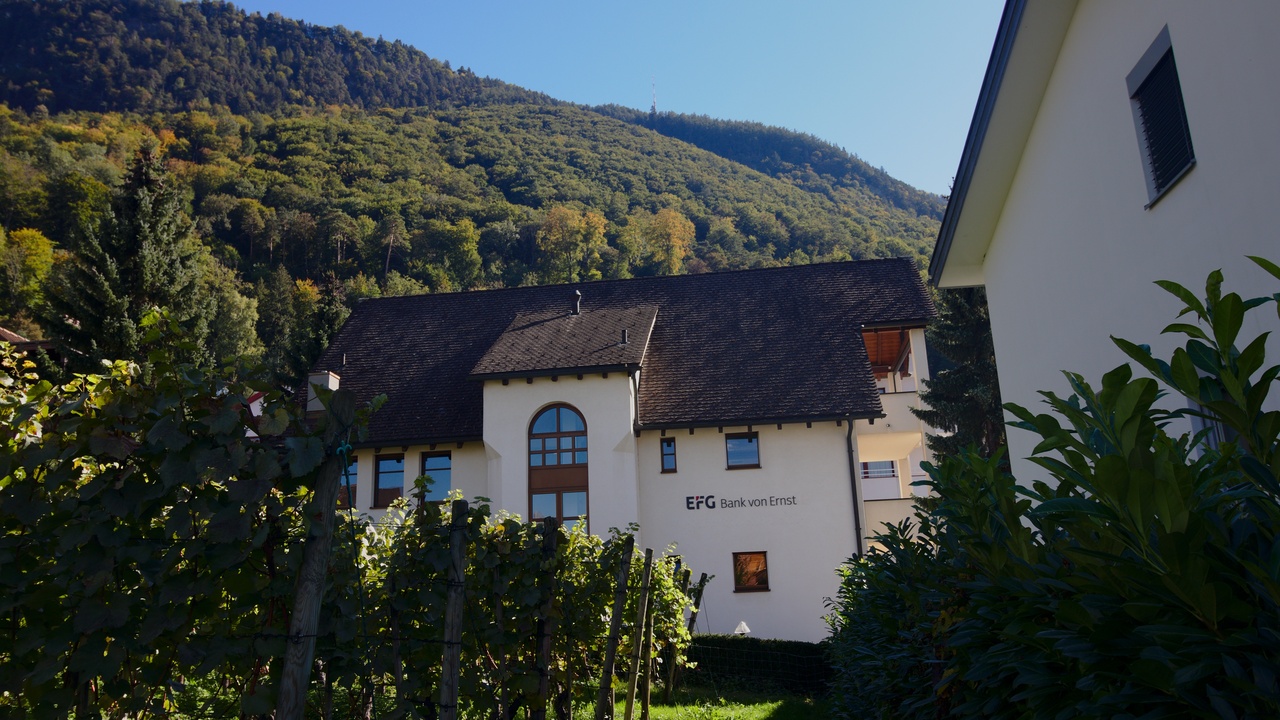
Liechtenstein’s economy combines a dense financial-services sector with specialized manufacturing firms that export globally. Business-friendly rules and a strong legal framework have encouraged company registrations, corporate headquarters, and a skilled workforce concentrated in a small area.
4. Global Financial Services and Private Banking
When people ask what is Liechtenstein known for, its private banking and wealth-management sector often tops the list. Firms such as LGT Group and VP Bank anchor a financial ecosystem that includes fiduciary services, trusts, and cross-border wealth planning.
Liechtenstein’s registry and corporate services mean there are often more registered businesses than residents, which illustrates the country’s outsized role in international finance. For everyday life that translates to a workforce skilled in legal, accounting, and financial services and to strong ties with Swiss and European banking networks.
5. High-Value Manufacturing and Corporate Presence
Beyond banking, Liechtenstein hosts specialized manufacturers that lead global niches. Hilti, headquartered in Schaan, is known for construction tools and fastening systems, while Ivoclar Vivadent supplies dental materials worldwide. These firms support a high-export economy and local employment.
Economic indicators reflect this concentration: Liechtenstein frequently ranks near the top of GDP per capita tables (many estimates place it above $140,000 per person in PPP terms). High-value manufacturing and services sustain living standards and create a business landscape uncommon in a country of its size.
Tourism, Outdoors, and National Identity
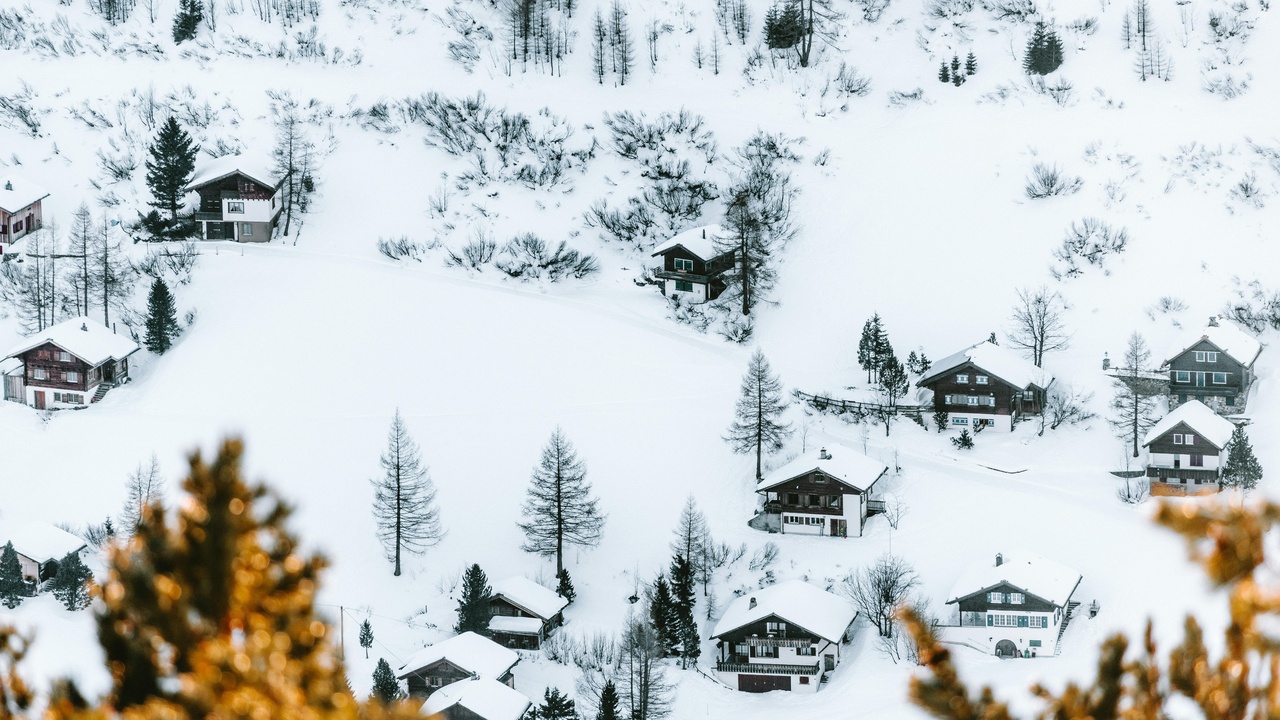
Liechtenstein’s compact geography gives tourists big returns on short visits: dramatic Alpine scenery, a handful of cultural sites, and efficient transport links make it ideal for day trips or weekend breaks from Switzerland and Austria. Local traditions and festivals add charm to outdoor activities.
6. Outdoor Recreation: Mountains, Skiing, and Hiking
The mountains define much of Liechtenstein’s appeal. The highest point, Grauspitz, reaches 2,599 m and provides challenging routes for hikers and climbers. For families and day-trippers, the Malbun ski area offers accessible slopes, ski schools, and gentle alpine terrain.
Trails are well marked and short distances mean people can combine a museum visit in Vaduz with an afternoon hike. Weekend skiers from neighboring Swiss cantons and Austrian states routinely cross the border to enjoy Malbun’s compact resort and the surrounding alpine scenery.
7. Charming Small-Town Tourism and Cultural Attractions
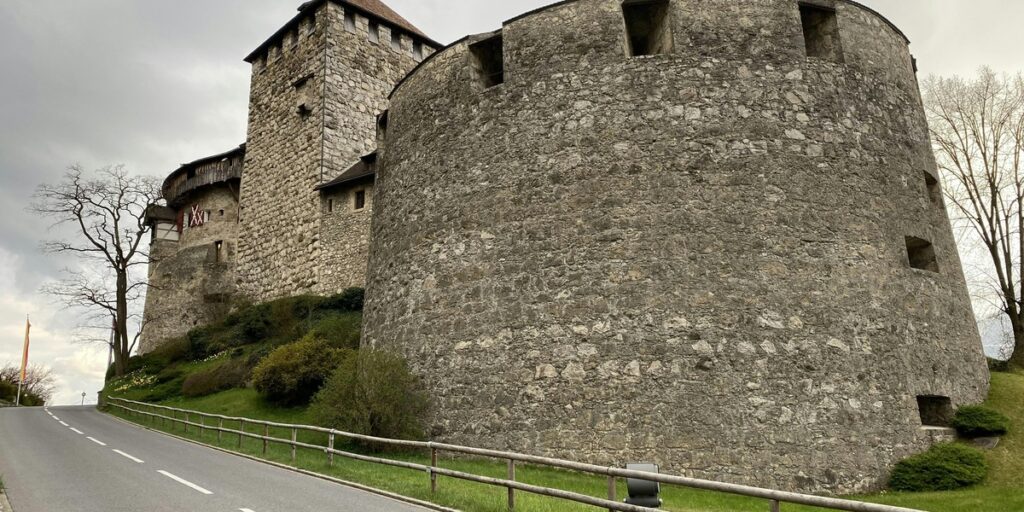
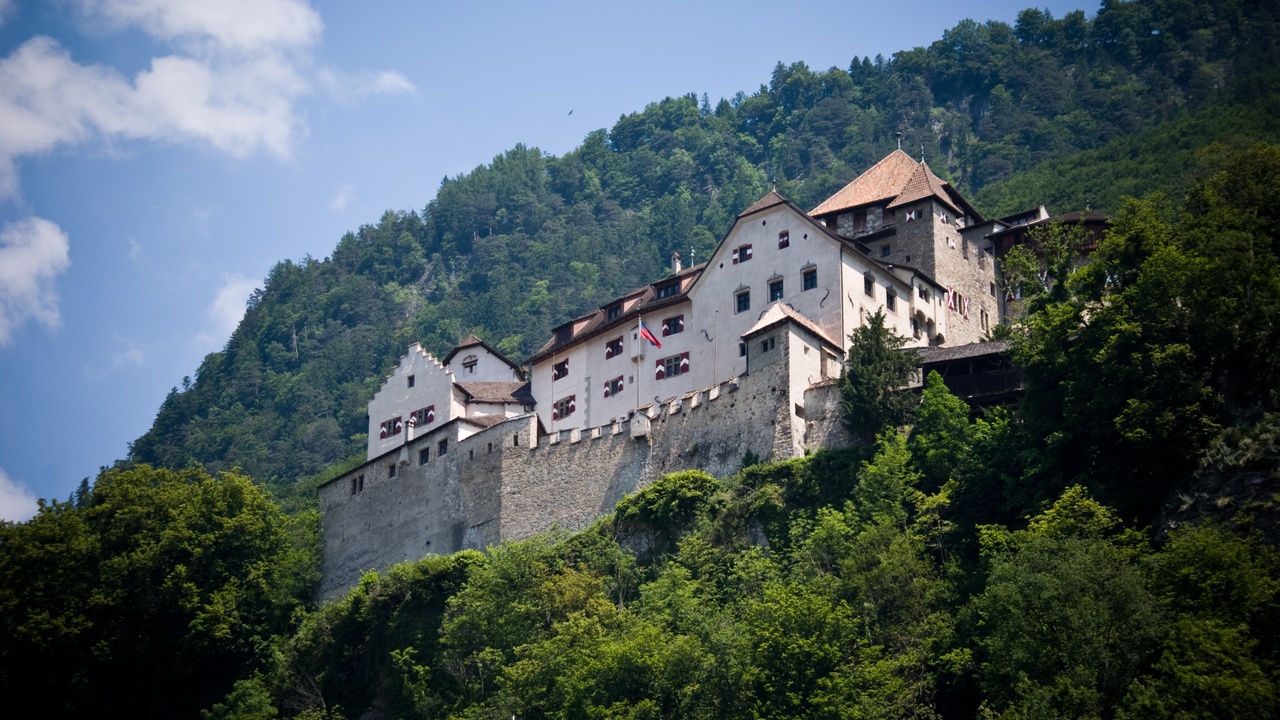
Vaduz and nearby towns offer a dense set of attractions within a walkable area. Vaduz Castle stands above the capital as both a landmark and the prince’s residence, visible from many viewpoints. Museums such as Kunstmuseum Liechtenstein sit close to the pedestrian center, making cultural stops easy to schedule.
Local wine festivals and village events give visitors a chance to experience community life, while collectible postage stamps and specialist exhibits draw niche tourism. The overall effect is a high attraction-per-square-kilometer ratio that rewards short, well-planned itineraries.
Summary
- Small but sovereign: Liechtenstein packs centuries of history into about 160 km², visible in sites like Vaduz Castle and in institutions that date back to the principality’s founding in 1719.
- Active monarchy with economic reach: the princely family, including Prince Hans‑Adam II, influences culture and finance, notably through holdings such as the LGT Group.
- Financial and industrial heft: private banking (LGT, VP Bank) and high-value manufacturers (Hilti, Ivoclar Vivadent) give the country a global economic profile and a very high GDP per capita.
- Alpine and cultural appeal: peaks like Grauspitz (2,599 m), the Malbun ski area, compact museums, wine festivals, and collectible stamps create a concentrated, high-value tourist offer.