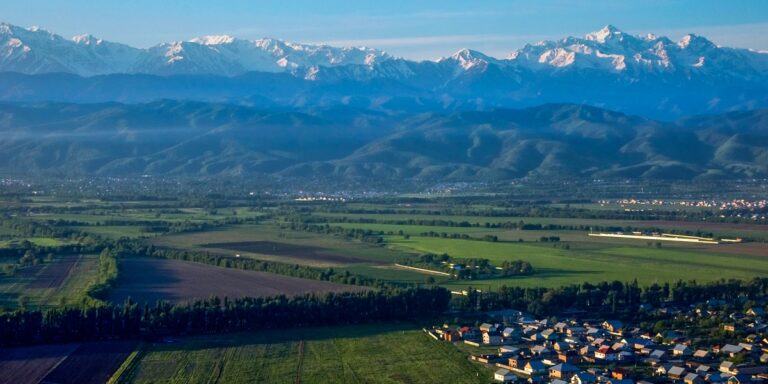
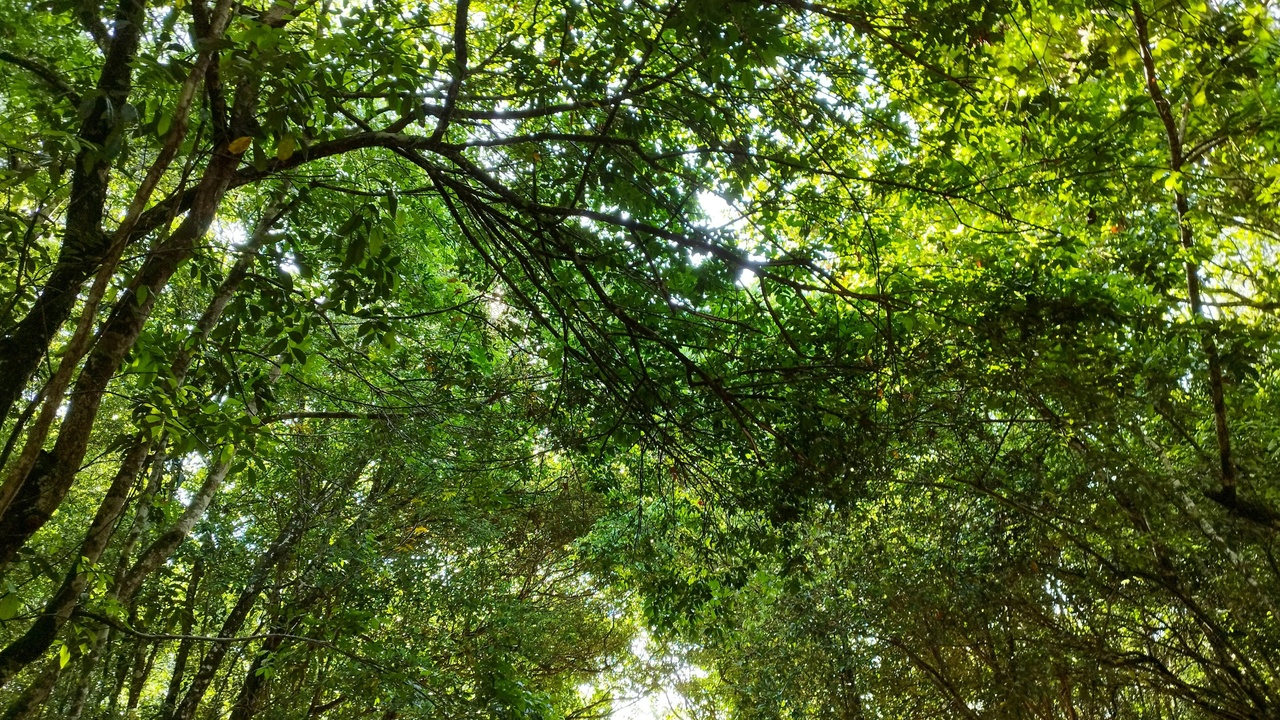
Suriname still wears its rainforest like a coat: roughly 90–95% of the country is forested, and the Central Suriname Nature Reserve is a UNESCO World Heritage site designated in 2000.
That intact wilderness, plus a walkable, multicultural capital and bold, unexpected flavors, explains why travelers who value low crowds and authentic experiences are drawn here — Suriname gained independence on 25 November 1975, and its connections to Europe via Amsterdam make it surprisingly reachable.
If you want compact, practical reasons to visit suriname, this article gives ten: grouped under nature, culture, adventure, and food & city life, with concrete examples, numbers, and trip-planning tips.
Wild Rainforests & Biodiversity
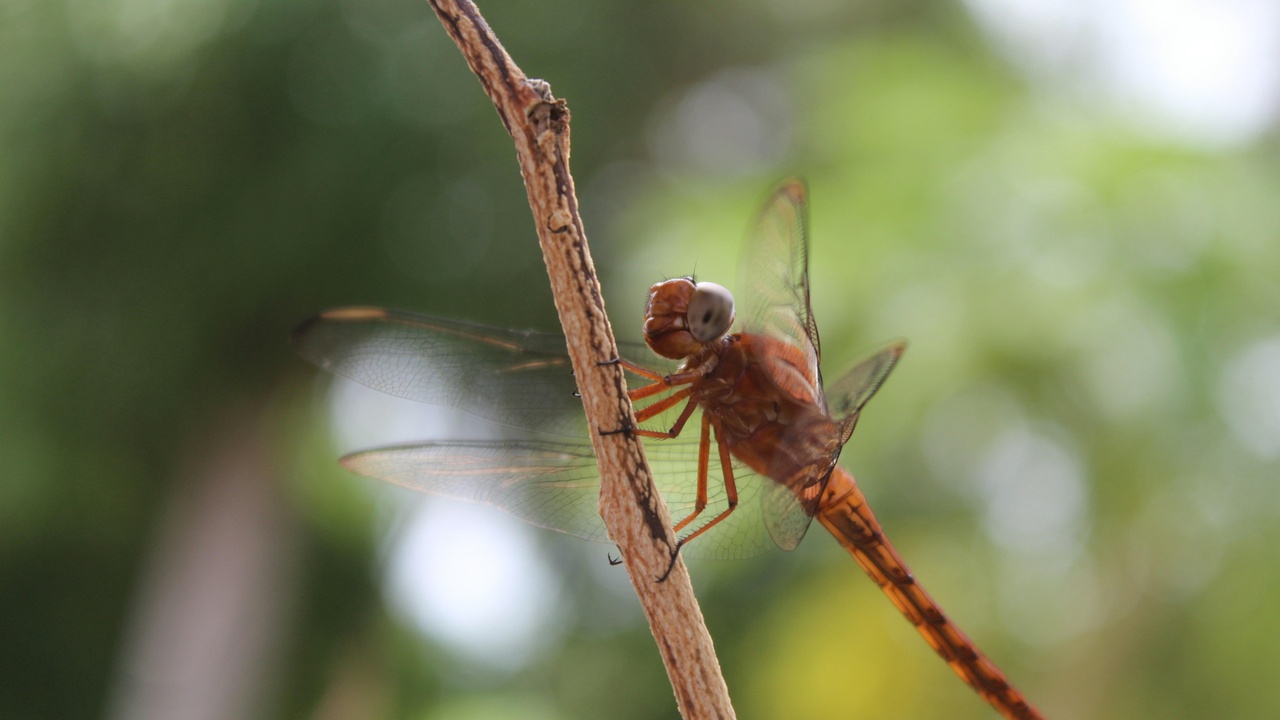
Suriname protects enormous tracts of primary rainforest, making nature the strongest draw for many visitors.
Central Suriname Nature Reserve — inscribed by UNESCO in 2000 — covers roughly 16,000 km² of wilderness, including tepuis, white-sand savannas and intact canopy systems rarely seen by outsiders.
Access is deliberately low-impact: most travel into the reserve is by river or small aircraft to camps and eco-lodges that emphasize guided treks, canopy observation and night walks.
1. Vast, Pristine Rainforest (Central Suriname Nature Reserve)
Visit the reserve because it preserves some of the least disturbed Amazonian habitat on the continent; its UNESCO status reflects global importance and robust protection measures.
Typical access routes run from Paramaribo by small plane or by multi-hour river transfer; Palumeu and river-lodge operations such as Danpaati serve as bases for guided treks, canopy platforms and night safaris.
Seeing intact forest with few other tourists is rare — the experience matters for conservation-minded travelers and for researchers studying large, connected ecosystems.
2. Birdwatching and Rare Wildlife (600+ species)
Birders should note that Suriname boasts over 600 recorded bird species, with excellent chances to spot scarlet macaws, hoatzins and, for the very lucky, harpy eagles.
Low visitor numbers plus experienced local guides increase the odds of good photographic and scientific sightings: early-morning river trips, roadside forest stops and targeted day lists are common itineraries.
Local outfits operate from Paramaribo and Palumeu, offering tailor-made trips for photographers and ornithologists who want off-the-beaten-track species without crowds.
3. Coastal Mangroves and Sea Turtles at Galibi
Galibi on the northeast coast is one of Suriname’s most important coastal conservation areas, where green and leatherback turtles come ashore to nest.
During nesting season volunteers and researchers record hundreds to low thousands of nests along Galibi’s beaches; guided night walks are strictly regulated and support community monitoring.
Combine a mangrove boat trip near Braamspunt with a community-led turtle patrol to learn about conservation while minimizing impact.
Multicultural Cities & Colonial Heritage
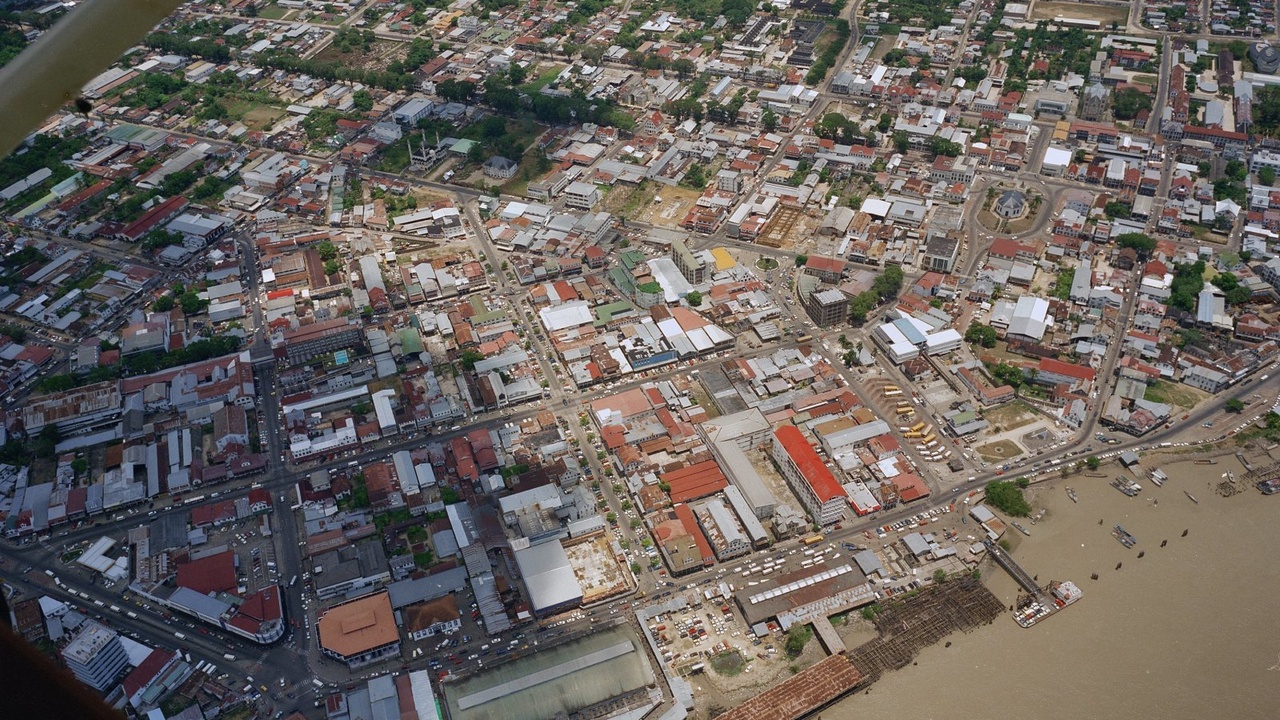
Paramaribo is compact and surprisingly rich in history: its wooden colonial center is a UNESCO World Heritage site, and the city’s streets reflect Dutch, African, Indian, Javanese and Chinese influences.
Fort Zeelandia, riverside cafes and open-air markets make the capital ideal for short cultural stays that pair easily with interior excursions.
4. Paramaribo’s UNESCO-listed Historic Center
The heart of Paramaribo features wooden townhouses, Fort Zeelandia and the St. Peter and Paul Cathedral, all preserved in a colonial town plan that UNESCO recognized in the early 2000s.
Self-guided walks along the riverside, brief museum visits and stops at Centrale Markt for street food and crafts give a compact taste of history in a few hours.
5. Living Multiculturalism: Festivals and Daily Life
Suriname’s population includes Indo-Surinamese, Afro-Surinamese (including Maroons), Javanese, Indigenous and Chinese communities, and that mix shows in daily life and festivals.
Plan trips around major dates such as Keti Koti on July 1, Diwali, and Phagwa (Holi) to experience music, processions and food on the street.
When attending events, follow local customs, ask before photographing individuals, and consider timing visits to avoid disrupting community rituals.
6. Indigenous and Maroon Village Visits
Small-scale, community-based tourism — such as Saramaka village visits along the Suriname River or stays near Palumeu — connects travelers with traditional crafts, storytelling and riverine livelihoods.
Choose reputable operators who return income to hosts, offer fair compensation, and arrange experiences that respect local schedules and privacy.
Overnight homestays or short cultural exchanges provide hands-on learning about weaving, woodcarving and seasonal river life without mass-tourism pressure.
Rivers, Rapids and Remote Lodges — Adventure & Ecotourism
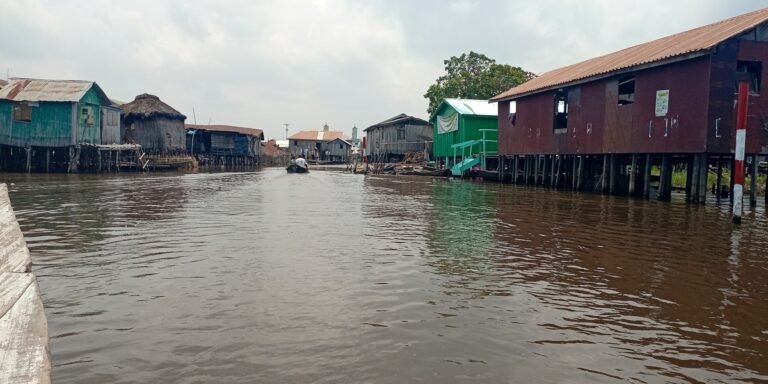
River travel defines much of Suriname’s interior access: wooden launches and small planes take visitors to lodges, rapids and research stations for low-impact adventures.
Operators emphasize small groups, experienced local guides and clear safety briefings for jungle walks, night safaris and boat excursions.
7. River Cruises and Remote Jungle Lodges
Many interior camps are reachable only by river or charter flight, with typical journey times of several hours from Paramaribo; expect 3–7 day lodge itineraries that combine guided walks and boat trips.
Jungle lodges like Danpaati offer basic comfort, locally sourced meals and expert guiding; most have no Wi‑Fi and advise guests to pack insect repellent, waterproof bags and a sense of patience.
Practical planning includes arranging transfers in advance and confirming what’s included — meals, transport and guide fees are often bundled into lodge packages.
8. Fishing, Kayaking and Small-Group Expeditions
Freshwater systems are a draw for anglers and paddlers: peacock bass is a common sport-fishing target, and operators offer half- or full-day guided trips from river lodges.
Kayak excursions suit calmer river stretches and estuaries, including mangrove routes where birding and fishing combine into single-day packages.
Choose small-group expeditions for lower impact and a more authentic experience; guides handle permits and safety briefings for boat and fishing activities.
Culinary Fusion & Easy, Off-the-Beaten-Path Access
Suriname’s food scene is a main reason many visitors stay: a true fusion of Javanese, Hindustani, Creole, Chinese and Indigenous cooking that’s affordable and widely available in Paramaribo markets.
Practical travel notes: the main international gateway is Johan Adolf Pengel International Airport (PBM) with flights via Amsterdam (KLM) and regional connections; the dry season months are easiest for jungle travel.
9. A Food Scene That Mixes Java, India, Africa and China
Pom, often called the national dish, plus roti, bara and saoto exemplify Suriname’s blended heritage; street stalls and family restaurants around Centrale Markt are ideal tasting spots.
Try pairing pom with a strong local coffee or sample saoto soup for a morning meal — food here tells the story of migration and cultural mixing in a direct way.
Markets and riverside eateries make sampling easy and inexpensive, and friendly vendors often explain ingredients and cooking methods if you ask.
10. Compact Travel: Short Distances, Big Rewards
Suriname is compact enough that a week is meaningful: a sample 7-day plan could be 2 days in Paramaribo, 4 days at a jungle lodge and 1 day for a mangrove or coastal trip.
PBM handles international arrivals; from there, domestic transfers and short river journeys let you combine UNESCO wilderness, cultural neighborhoods and coastal nature without long overland treks.
Bring cash for remote lodges, pack light but include rain gear, and schedule around key seasons such as turtle nesting months or the dry period for easier trail access.
Summary
- UNESCO wilderness (Central Suriname Nature Reserve, ~16,000 km²) and low crowds make nature unforgettable.
- Over 600 bird species and community-led turtle monitoring at Galibi (nesting in hundreds to low thousands).
- Paramaribo’s wooden colonial center, Fort Zeelandia and vibrant markets fit easily into short itineraries.
- River lodges (Danpaati, Palumeu bases), fishing and kayak trips offer hands-on adventure and conservation-focused stays.
- Distinctive food, easy Amsterdam connections (KLM to PBM) and compact routes make planning a week-long trip feasible.