North Macedonia sits at the crossroads of the central Balkans, where language and identity show up in street signs, schoolrooms and family life. Cities, towns and rural areas each keep distinct linguistic footprints shaped by history and migration.
There are 8 Languages Spoken in North Macedonia, ranging from Albanian to Turkish. For each language the data are organized as Speakers (%),Official status,Main regions — you’ll find below.
Are all eight languages officially recognized anywhere in North Macedonia?
Not all are nationally official: Macedonian is the primary state language, while Albanian has co-official status in municipalities where it meets the legal threshold; other languages (Turkish, Romani, Serbian, Bosnian, Vlach/Aromanian, and others) may have local recognition or be used in education and public services depending on regional population concentrations.
How can I use the table below to understand where each language is spoken?
Look at the Speakers (%) column to gauge prevalence, the Official status column to see legal or administrative recognition, and the Main regions column to identify geographic strongholds—together these fields give a quick, practical snapshot of how each language functions in daily life and governance.
Languages Spoken in North Macedonia
| Language | Speakers (%) | Official status | Main regions |
|---|---|---|---|
| Macedonian | 64.18% | Official | Nationwide; central and southeast |
| Albanian | 25.17% | Co-official in many municipalities | Northwest/west: Tetovo, Gostivar, Kičevo, Struga |
| Turkish | 3.85% | Recognized minority language | Skopje, eastern and northeastern municipalities |
| Romani | 2.66% | Recognized minority language | Across the country; urban centers and western areas |
| Serbian | 1.78% | Recognized minority language | Northern and eastern municipalities; Skopje, Kumanovo |
| Bosnian | 0.84% | Recognized minority language | Skopje and other towns |
| Aromanian (Vlach) | 0.48% | Recognized minority language | South and southeast; Bitola, Ohrid |
| Bulgarian | 0.13% | No official status; minority speakers | Border areas and small pockets |
Images and Descriptions
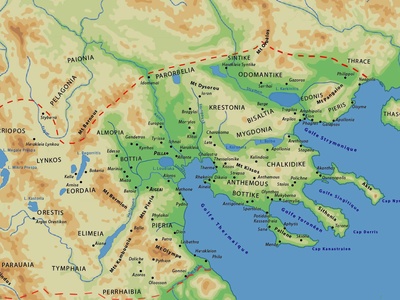
Macedonian
Macedonian is a South Slavic official language of the state, used in government, media, education and daily life. It evolved from regional Slavic dialects, uses Cyrillic script, and is the majority lingua franca across most of the country.

Albanian
Albanian is an Indo-European language of the Albanian branch, widely spoken by the sizable Albanian community. It has co-official status in many municipalities, strong presence in the northwest and west, and appears in education and local government.
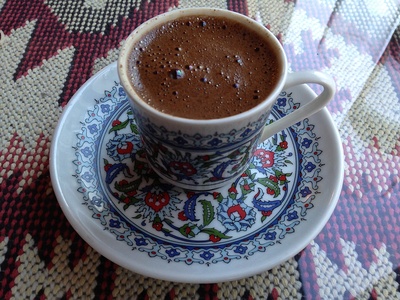
Turkish
Turkish is a Turkic language spoken by the historic Turkish minority. It retains cultural influence with schools, media, and local institutions in some municipalities, notably in the east and northeast, and has recognized minority language protections.
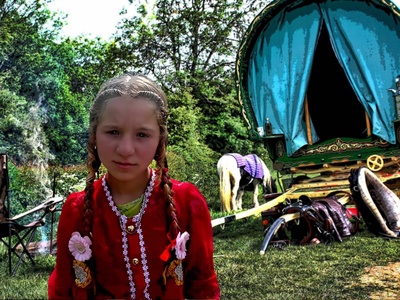
Romani
Romani is an Indo-Aryan language spoken by Roma communities across North Macedonia. It exists in several dialects, is used in daily life and some local programs; speakers often are bilingual with Macedonian or other local languages.
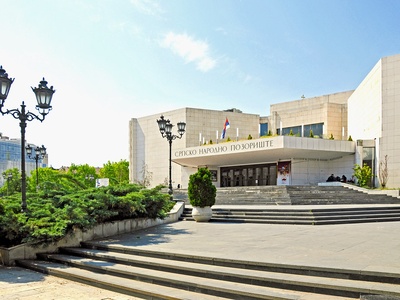
Serbian
Serbian is a South Slavic language spoken by the Serb minority, concentrated in northern and eastern municipalities. It shares high mutual intelligibility with Macedonian, appears in local cultural life, and is used in some schools and religious communities.
Bosnian
Bosnian is a South Slavic language used by a small Bosniak community in several urban areas. It is mutually intelligible with Serbian and Croatian, appears in religious and cultural contexts, and is taught in some minority-language programs.
Aromanian (Vlach)
Aromanian (Vlach) is a Romance language spoken by a small Aromanian community, mainly in the south and southeast. It preserves Balkan Latin features, is used in cultural associations, and benefits from minority language recognition and limited educational support.
Bulgarian
Bulgarian is a South Slavic language spoken by a small number of residents and cross-border communities. Its presence is limited and politically sensitive; some speakers identify as Bulgarian and use the language in private and cross-border contexts.