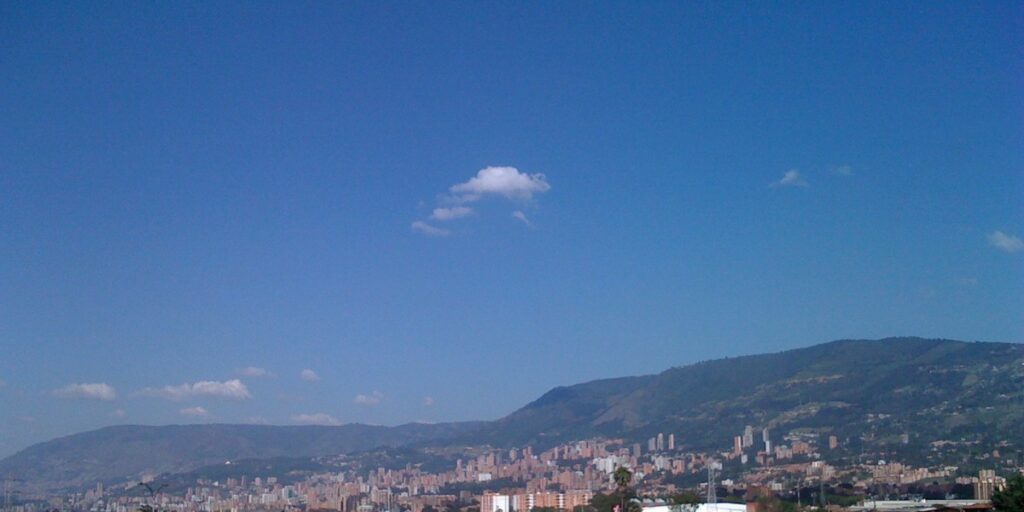
Medellín’s image changed dramatically over the past 30 years: a city once associated with violence in the 1990s is now a global example of urban innovation and vibrant culture. With a metro-area population of roughly 2.5 million and an altitude around 1,495 m, visitors often find the city’s year-round springlike weather irresistible.
Travelers who spend only a few days here can miss the local rhythms—neighborhood parks, food stalls, and grassroots cultural projects that tell Medellín’s story. To help, this guide lists 10 memorable, authentic experiences across four categories—outdoor & nature, culture & history, food & nightlife, and unique local experiences & day trips—that will give first-time and returning visitors a balanced sense of the city. If you’re compiling a quick itinerary, consider these picks as the foundation of a great short trip.
Outdoor & Nature
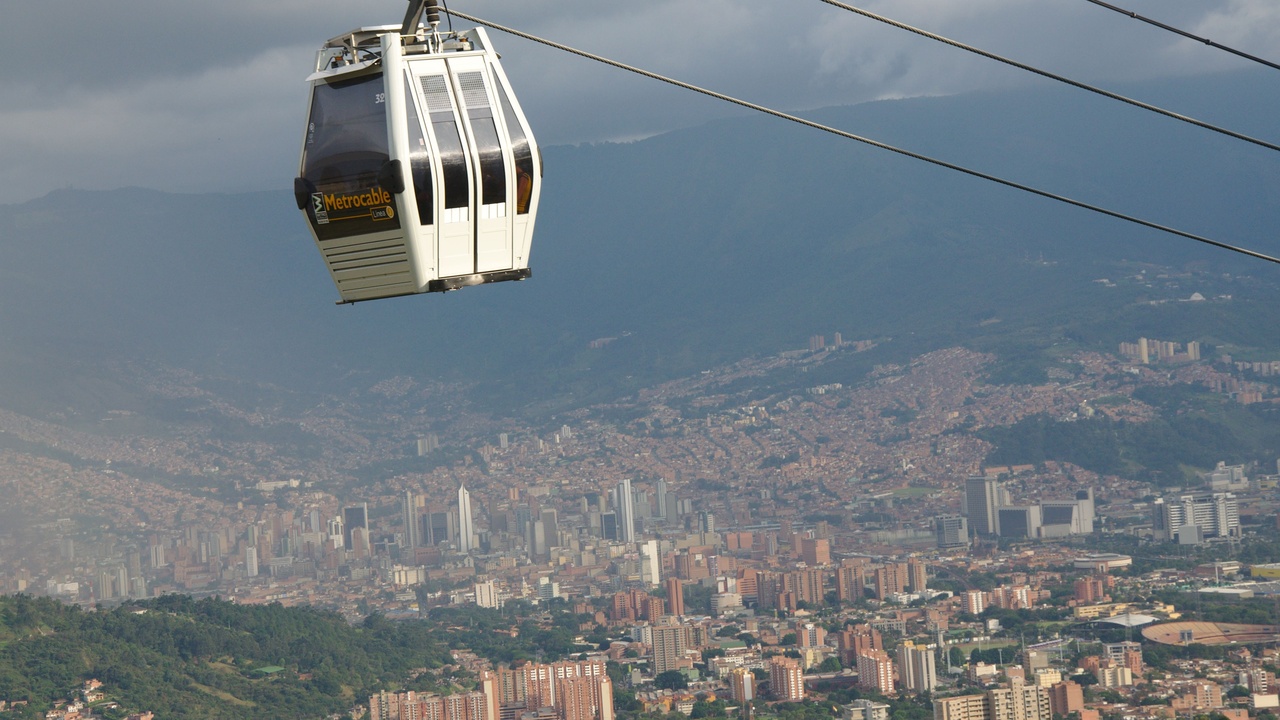
Medellín’s altitude and temperate climate make outdoor outings comfortable year-round, and the surrounding hills provide quick access to green space. The Metrocable doubles as mass transit and a panoramic viewpoint—its first lines opened in 2004 and the system helped connect hillside neighborhoods to the rest of the city. Whether you want a family-friendly garden visit or a short mountain walk, many options suit different fitness levels.
Best times for outdoor activities are early morning for cooler temperatures and clearer light, or late afternoon for softer views. Use a Metro card for the easiest transfers between the metro and cable lines, and plan routes so you can combine attractions (for example, a Metrocable ride followed by a stroll in a nearby park).
1. Ride the Metrocable and explore Parque Arví
Taking the Metrocable up to Parque Arví is a must for views and quick access to nature. The Metrocable network began service in 2004 and transformed mobility for hillside communities while giving visitors sweeping photo opportunities over Medellín.
The ride is faster than winding mountain roads, and Parque Arví offers marked trails, picnic areas, and a weekend artisan market where local vendors sell crafts and snacks. Start early to avoid crowds, bring water and sunscreen, and allow 2–4 hours to ride, hike a trail, and browse the market. You’ll board the cable with the same Metro card used across the city’s transit system.
2. Hike Cerro Nutibara and visit Pueblito Paisa
Cerro Nutibara is a compact hill near the city center that hosts a recreated traditional village, Pueblito Paisa, and a 360-degree lookout. It’s an easy, quick outdoor stop that gives panoramic views without leaving downtown.
The trail or paved path to the top takes about 30–60 minutes round-trip depending on your pace, and the site is family-friendly with artisan stalls around Plaza de los Artesanos. Combine a morning visit here with a walk to nearby Plaza Botero for an efficient cultural double-feature.
3. Stroll Jardín Botánico and see the orchid collection
Jardín Botánico José Celestino Mutis is an urban oasis with well-kept paths, a lake, sculptures, and a notable orchid house. The garden hosts events, plant sales, and occasional concerts while sheltering thousands of plant species in its collections.
Visit on weekday mornings for quieter birdwatching and better light for photos. Entry is often free or low-cost, the orchid conservatory is a highlight, and the calm lake area is perfect if you need a break from city sights.
Culture & History
Medellín’s arts and civic projects are central to its recent transformation, with museums and public art tracing the city’s social narrative. Plaza Botero, for example, displays more than 20 monumental sculptures by Fernando Botero, while museums like Museo de Antioquia place those works in regional and historical context.
Public-art programs and community-led cultural tours (notably in neighborhoods that invested in social infrastructure after the 2000s) make cultural visits essential for understanding how Medellín changed. Pair museum time with nearby plazas and cafés to get a fuller picture.
4. Explore Plaza Botero and Museo de Antioquia
Plaza Botero and Museo de Antioquia are cultural must-sees in the city center. The plaza’s oversized bronze figures (more than 20 sculptures) are impossible to miss and spark conversation about scale, humor, and Colombian identity.
Museo de Antioquia houses Botero originals along with regional art and rotating exhibits. Aim for early mornings to avoid crowds and allow 1–2 hours to move through the main galleries and then linger at a nearby café or bookstore.
5. Take a Comuna 13 street-art and transformation tour
Comuna 13 has become a symbol of Medellín’s social turnaround, and the neighborhood is best experienced with a guided street-art tour. Large-scale murals, outdoor galleries, and a series of public escalators (installed as part of post-2000s civic projects) tell stories of resilience and renewal.
Choose a local, community-led guide so your payment stays in the neighborhood and you get informed commentary on each mural’s meaning. Tours typically include live music stops, personal stories from residents, and respectful photography tips—go with a guide and be mindful of residents’ privacy.
6. Time your visit for Feria de las Flores or local festivals
Feria de las Flores, the Flower Festival, dates back to 1957 and is Medellín’s best-known annual celebration. Signature events include the silletero parade (where flower growers carry elaborate floral displays), concerts, and artisan fairs across the city.
If you want festival energy, plan travel around the festival week and book hotels 2–3 months ahead, as accommodations fill quickly. If you can’t visit during Feria, smaller neighborhood festivals happen year-round and still offer music, food, and community gatherings.
Food & Nightlife
Medellín’s food scene ranges from hearty Antioquian classics to inventive modern kitchens and lively music venues. Try regional staples like bandeja paisa (a generous plate featuring beans, rice, meats, plantain, and more) alongside arepas and contemporary fusion at market halls.
Neighborhoods such as El Poblado and Laureles offer distinct vibes—El Poblado leans toward trendier bars and upscale restaurants, while Laureles has relaxed, local joints. Food tours, markets like Mercado del Río, and live-music venues help you connect to producers and chefs.
7. Try a local food tour: bandeja paisa, arepas, and more
Booking a half-day food tour is an efficient way to sample classic dishes—bandeja paisa, several styles of arepas, local sweets, and street snacks—while learning where ingredients come from and how dishes are made. Typical tours run a few hours and cost roughly $20–$40 for a mid-range experience.
Tours often visit family-run restaurants and market stalls in Laureles or El Poblado, and Mercado del Río is a modern food-hall option if you prefer one-stop tasting. Portions can be large, so consider sharing plates to try more dishes.
8. Enjoy nightlife: live music, bars, and salsa
Medellín’s nightlife spans intimate cocktail bars, salsa clubs, and venues with live bands. El Poblado is known for upscale bars and late-night spots, while Laureles offers a more local, laid-back scene. Peak hours are usually 10pm–2am.
Look for salsa nights if you want to dance, and check cover charges (often around $5–$15) before you go. Dress codes vary—smart casual works in many places—and use registered taxis or ride apps for late-night transport.
Unique Local Experiences & Day Trips
Medellín is also an excellent base for day trips and region-specific traditions. Many classic excursions sit within a 1.5–2 hour drive, letting you see reservoirs, colorful towns, and agricultural communities without overnight travel. Decide whether you want a half-day outing or a full-day trip when planning logistics.
Hands-on cultural visits—meeting flower growers, browsing weekend artisan fairs, or taking a boat ride on a reservoir—give a different perspective than city-center attractions and make great additions to multi-day itineraries.
9. Visit the Silleteros tradition and local flower markets
The silleteros tradition celebrates flower growers from nearby towns who design and carry elaborate floral arrangements during Feria de las Flores. The practice has deep cultural roots and remains a point of pride in the Antioquia region.
During festival week, markets and artisan stalls sell floral crafts and you can arrange guided visits to meet growers. When photographing, be respectful and ask permission; buying flowers or crafts directly from sellers supports local families.
10. Take a day trip to Guatapé and climb El Peñol
Guatapé is a colorful lakeside town about a 1.5–2 hour drive from Medellín and a classic day trip. The town’s painted zócalos (decorative baseboards) make for lively street photos, and boat tours along the reservoir show another side of the region.
El Peñol is the granite monolith nearby; the climb to the summit is roughly 700–750 steps (commonly cited as around 740). Start early to avoid crowds and heat, and set aside 4–8 hours for travel, the climb, and a relaxed exploration of Guatapé’s streets and cafés.
Summary
- Mix outdoor time (Metrocable + Parque Arví or Jardín Botánico) with cultural stops (Plaza Botero and Museo de Antioquia) for a balanced visit.
- Take a guided Comuna 13 tour and hire community-led operators so your visit directly supports local residents.
- Book food tours and festival-week travel early (Feria de las Flores dates back to 1957); Mercado del Río and neighborhood eateries are great culinary bases.
- Pick 2–3 cool things to do in medellin and plan them into a 2–4 day itinerary—combine a Metrocable morning with a museum afternoon, or reserve one full day for Guatapé and El Peñol.