8 Adventurous Things to do in Paraguay
Paraguay is a landlocked country of about 406,752 km² with roughly 7 million people, yet it contains sprawling rivers, dramatic waterfalls, remote dry forests and one of the world’s largest hydroelectric dams—an unexpected playground for adventure.
Compared with Argentina or Brazil, Paraguay gets far less attention from international travelers, which is exactly why many outdoor enthusiasts should care. Fewer crowds mean more authentic encounters with rural life, easier wildlife viewing, and often friendlier prices for guides and transport.
From multi-day river trips to long overland runs across the Gran Chaco, and from UNESCO-listed ruins to sunrise paraglides, these are eight adventurous things to do in Paraguay that reveal a surprisingly rugged side of South America.
Below you’ll find four main categories of adventures: rivers & waterways, wildlife & wilderness, cultural & historical, and adrenaline & off-the-beaten-path. Read on for practical tips and concrete examples to plan your trip.
Let’s start on the water.
Rivers and Waterways Adventures
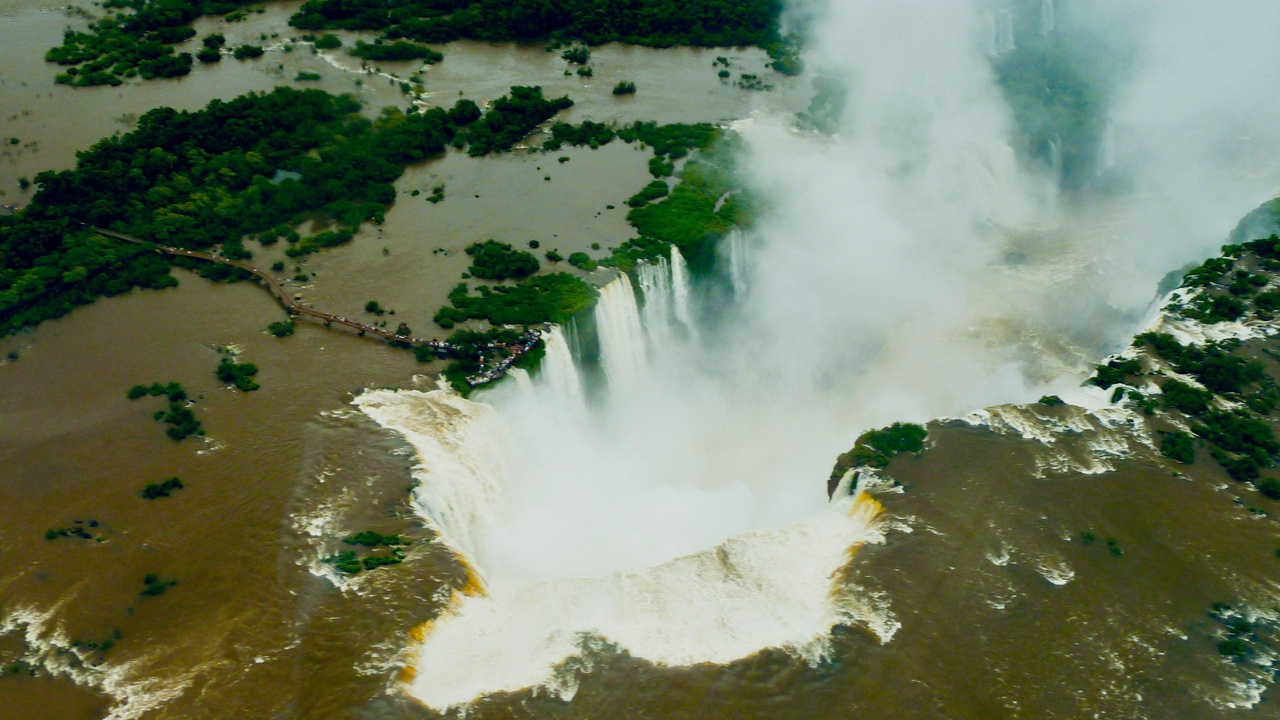
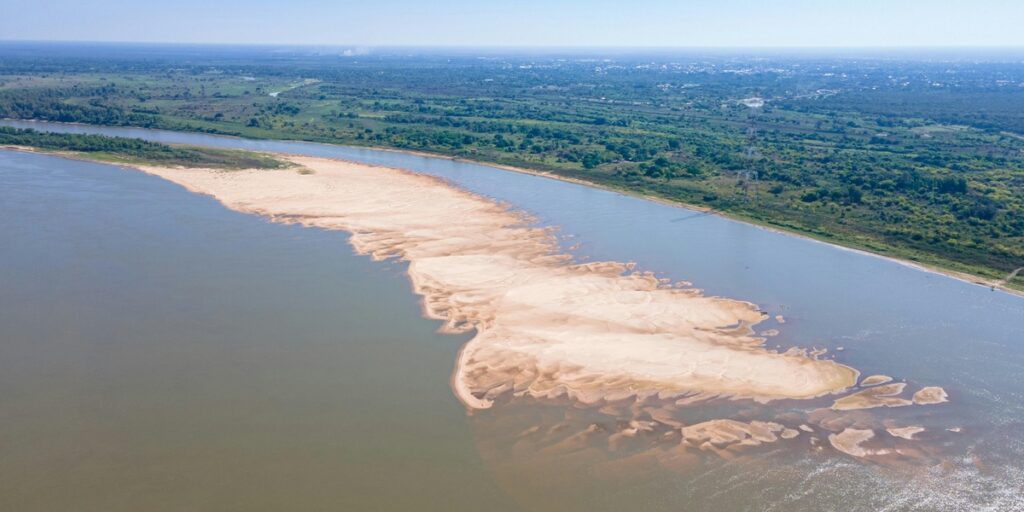
The Paraguay and Paraná rivers carve Paraguay into reachable but remote pockets, and river travel remains a practical way to see both nature and small riverside communities. The Paraguay River itself runs roughly 2,600 km and links Asunción with upstream settlements, making it a backbone for paddling and boat expeditions.
Seasonality matters: high-water months open side channels and islands for camping, while the dry season exposes sandbars and makes overland access easier. Safety basics include checking local river gauges, avoiding night travel on open water, and always hiring a local captain or guide when tackling multi-day routes.
Here are two river- and waterfall-based outings to consider.
1. Kayak the Paraguay River and its wetlands
Kayaking the Paraguay River puts you in the heart of the country’s waterways.
Sections near Asunción and Concepción are common launch points for trips that range from a half-day paddle to multi-day expeditions. The river’s scale (about 2,600 km in length) means you can string together long paddling days or take gentler routes through back channels and floodplain lagoons.
A typical 2–3 day guided canoe trip from Asunción includes camping on river islands, evening wildlife watches, and frequent sightings of capybaras, caimans and a variety of waterbirds. Common hazards are strong currents in main channels and seasonal floods, so hire experienced local guides, bring waterproof bags, and carry basic river-safety gear.
2. Visit Ñacunday and Saltos del Monday waterfalls
Ñacunday and Saltos del Monday are accessible day trips from the Alto Paraná region and make easy nature breaks from Ciudad del Este and Hernandarias.
Saltos del Monday sits unusually close to an urban area and offers dramatic photographic viewpoints, while Ñacunday is a bit wilder and quieter. Pair either visit with the Itaipu Visitor Center—the Itaipu dam was completed in 1984—to get a nature-plus-engineering day.
Plan for the dry season if you want easy hiking; come in the wet season for maximum water volume. Trail shoes, insect repellent, a sunhat and a camera with a protective cover are sensible packing items for these short excursions.
Wildlife and Wilderness Expeditions
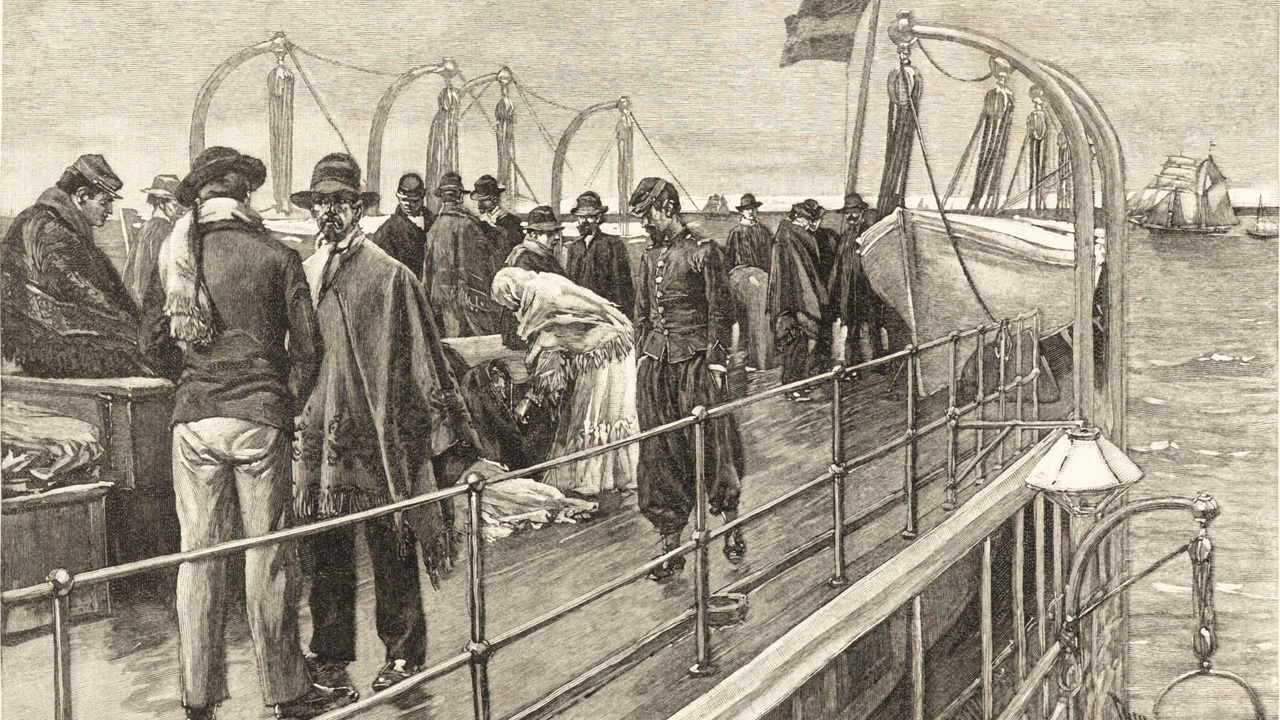
About 60% of Paraguay’s land sits in the Gran Chaco—an expansive dry forest and scrubland—while varied wetlands and lagoons punctuate the east. Together, these areas attract naturalists and expedition travelers looking for large, under-visited habitat blocks and rich birdlife.
Logistics for extended overland trips are not trivial: fuel caches, spare tires, and reliable 4×4 drivers matter. Protected areas and private reserves are usually accessed through experienced operators who know seasonal road conditions and wildlife hotspots.
Two prime expedition ideas follow—one for big overland routes and one for bird-focused outings.
3. Overland expedition into the Gran Chaco
The Gran Chaco is a vast, dry forest and scrubland ideal for expedition-style travel.
Roughly 60% of Paraguay falls in the Chaco, a region once central to the Chaco War (1932–1935) and now dotted with Mennonite estancias, rough tracks and long horizons. Expect dusty days, rustic lodgings, and encounters with local vaqueros.
A typical 3–5 day 4×4 loop launches from Filadelfia and visits Mennonite settlements, community-run reserves and remote observation points. Bring extra fuel and water, spare tires, and book a guide who understands local logistics and wildlife behavior. The remoteness is part of the appeal—but plan carefully.
4. Birdwatching and wetland safaris
Paraguay is underappreciated as a birding destination, with around 680 species recorded across habitats from riverine forests to wetlands.
Typical targets include toucans and woodpeckers in forest patches, herons and storks in lagoons, and regional raptors on wide-open plains. Early mornings and migration windows produce the best action.
Half-day birding routes run from Concepción to nearby lagoons, while hides at Laguna Blanca and small reserves yield concentrated sightings. Bring binoculars, a regional field guide, and a lightweight raincoat. Hiring a local birding guide supports conservation and often doubles your sighting list.
Cultural and Historical Adventures
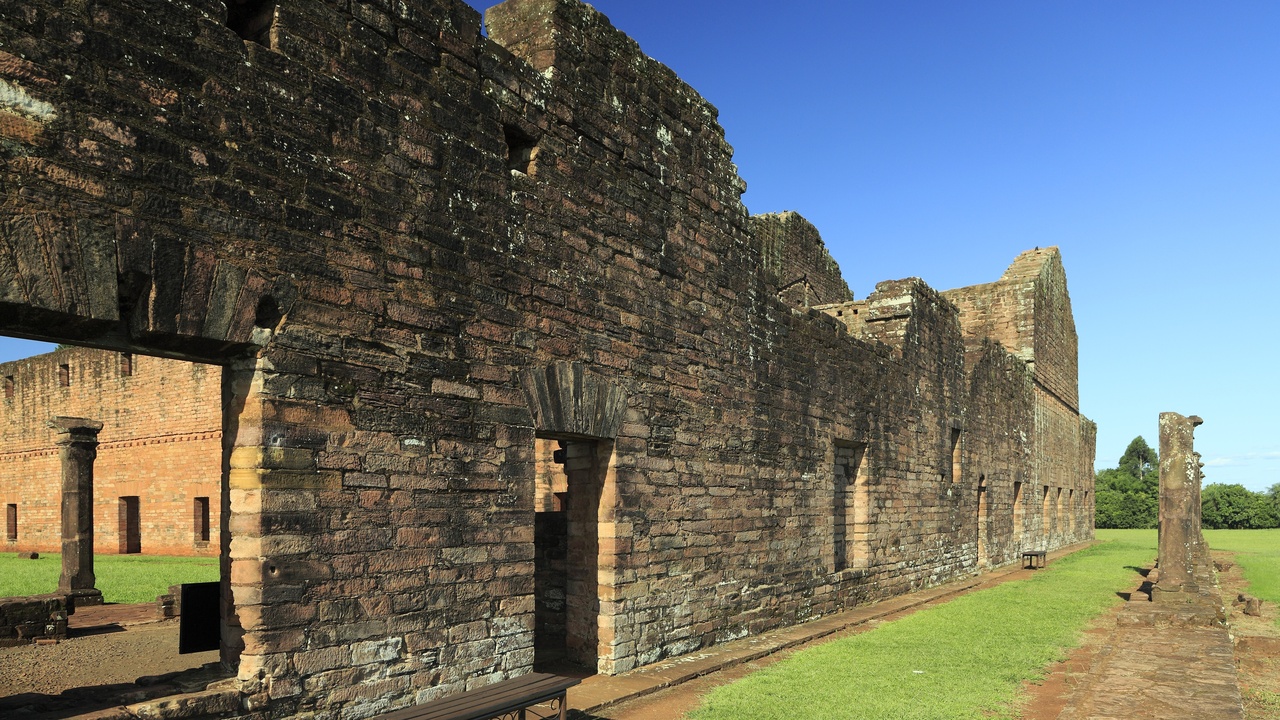
Paraguay’s cultural layers blend Guaraní heritage, colonial Asunción and the Jesuit reductions. These sites pair well with outdoor days, letting travelers balance wilderness with story-rich visits.
Two of the most visited cultural attractions are UNESCO-listed Jesuit mission sites inscribed in 1993, and Asunción’s compact historic core, founded in 1537, which shows colonial bones beside modern life.
Respectful behavior—sticking to paths, avoiding climbing on fragile masonry, and supporting local guides—helps preserve these places for future visitors.
5. Explore the Jesuit mission ruins of Trinidad and Jesús
La Santísima Trinidad de Paraná and Jesús de Tavarangue are UNESCO World Heritage Sites (inscribed 1993) and rank among Paraguay’s best-preserved colonial-era ruins.
The missions served as social and religious centers in the 17th and 18th centuries, and visitors can follow guided walks, visit small onsite museums, and read interpretive panels that explain Jesuit–Guaraní life.
A half- to full-day trip from Encarnación works well; bring water, a hat and modest clothing for church spaces. Follow local rules—no climbing on masonry—and aim for guided visits around mid-morning when light and temperatures are comfortable.
6. Urban adventure: Asunción’s historic streets and riverfront
Asunción, founded in 1537, is one of South America’s oldest cities and rewards short, walkable explorations.
A compact loop of 1–2 hours can include the National Pantheon, the Palacio de los López (exterior), and Mercado 4 for street food and crafts. The riverfront promenade and evening riverside strolls are pleasant ways to end the day.
Stick to daylight hours in busy market areas, pickpocket-smart practices, and sample local snacks at small eateries to get a real sense of Paraguayan city life.
Adrenaline and Off-the-Beaten-Path Activities
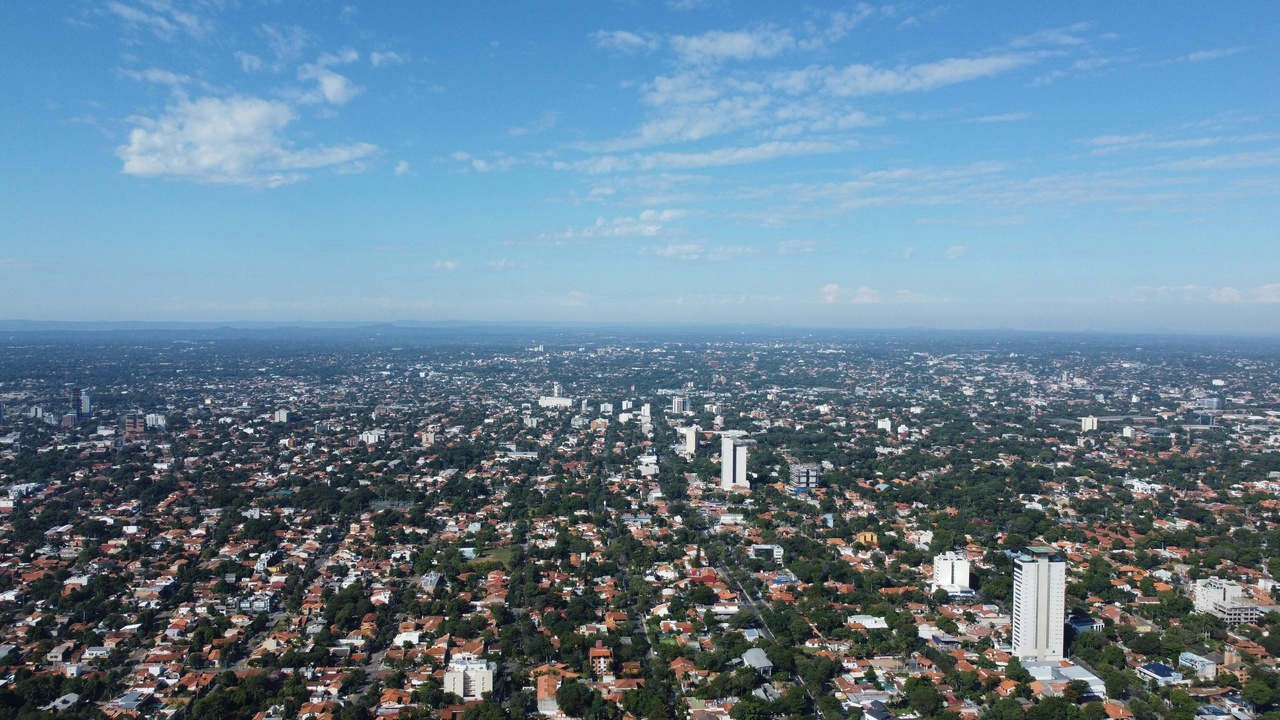
Paraguay offers higher-adrenaline options that are less commercial than in neighboring countries—paragliding, cave hikes, sand runs and nocturnal wildlife drives all make for memorable outings.
Because these activities are often operator-led, prioritize certified providers, check weather windows, and confirm safety equipment. Seasonal timing affects what’s possible, especially for dunes or river-based launches.
Below are two exciting examples and what to expect when you book.
7. Paraglide or paraglider-tandem near Encarnación
Tandem paragliding gives you aerial views of river islands, the Paraná River and the surrounding countryside.
Local launch sites near hilly terrain outside Encarnación run short flights of 10–25 minutes that are great at sunrise or late afternoon. Operators provide a brief safety orientation and pair you with a certified pilot. Weight and age limits typically apply, so check with the school before booking.
Wear sturdy shoes and layered clothing; expect a short but spectacular ride and bring a small action camera if allowed by the pilot.
8. Cave hikes, night safaris and sand-dune runs
This category bundles a few offbeat adventures: exploring small cave systems, joining nocturnal wildlife safaris, and trying sand or dune runs where local geography permits.
Ybycuí National Park offers cave-and-waterfall hikes; organized night drives in select reserves target nocturnal mammals; and seasonal sand runs near Pilar are possible when conditions allow. Guided 3-hour cave hikes often include a local naturalist and focus on safe routes and fragile formations.
Practical gear includes headlamps or spotlights, closed-toe shoes, and a reliable guide for night tours. These outings reveal species and geological features you won’t see on daytime drives.
Summary
- Paraguay packs rivers, wilderness, cultural sites and adrenaline outings into a compact, under-visited destination—despite being landlocked and small in population.
- Plan around seasons: the Paraguay River (about 2,600 km) behaves differently in high-water months, the Gran Chaco (≈60% of the country) needs solid logistics, and birding peaks at migration windows.
- Combine culture and nature—visit Jesuit missions (UNESCO, 1993) and then paddle or birdwatch nearby; Asunción (founded 1537) makes a convenient cultural base.
- Hire experienced local guides for remote trips, check operator certifications for adrenaline sports, and always respect conservation rules when visiting fragile ruins or reserves.