8 Cool Things to do in Geneva
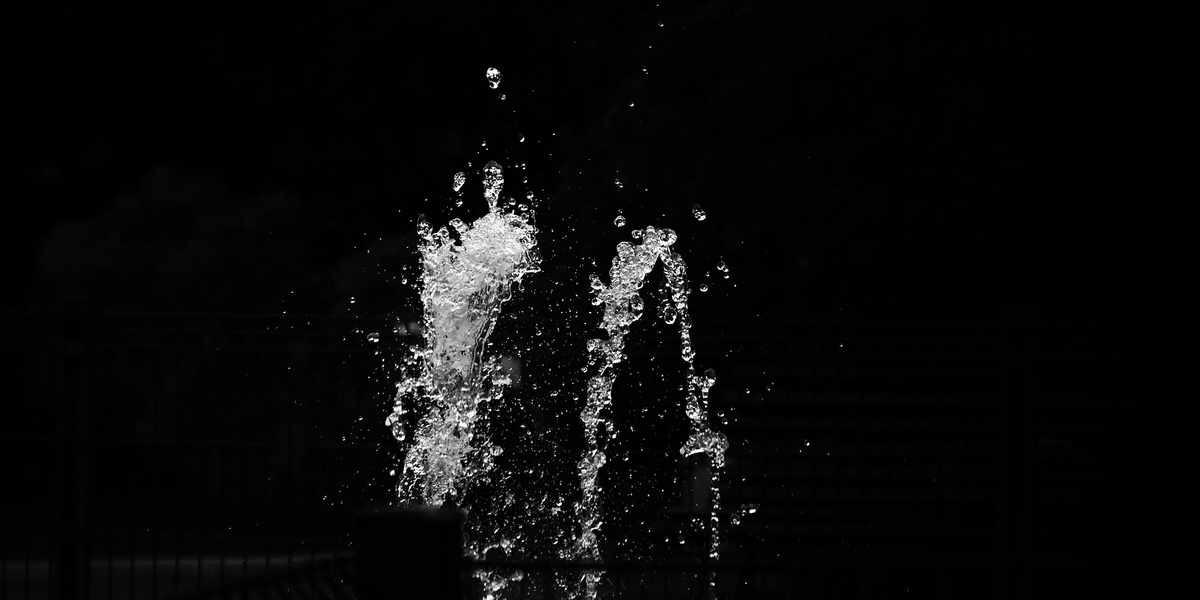
Geneva hosts major international institutions and world-class science: CERN’s Large Hadron Collider circles a 27 km tunnel beneath the region, and the city’s iconic Jet d’Eau shoots water roughly 140 meters into the air.
With a population around 200,000, Geneva feels compact enough to explore on foot yet packed with varied experiences—lakeside promenades, mountain views, high-tech science centers and intimate neighborhoods. The cool spray from the Jet d’Eau and the low hum of control rooms at CERN are small sensory reminders of a city that mixes spectacle with substance.
Whether this is your first visit or a return trip, these eight picks balance outdoors, museums, food and local life so you can build a flexible plan that fits your interests. Expect easy logistics, a few must-book tours, and a lot of pleasant surprises around every corner.
Waterfronts and Panoramas
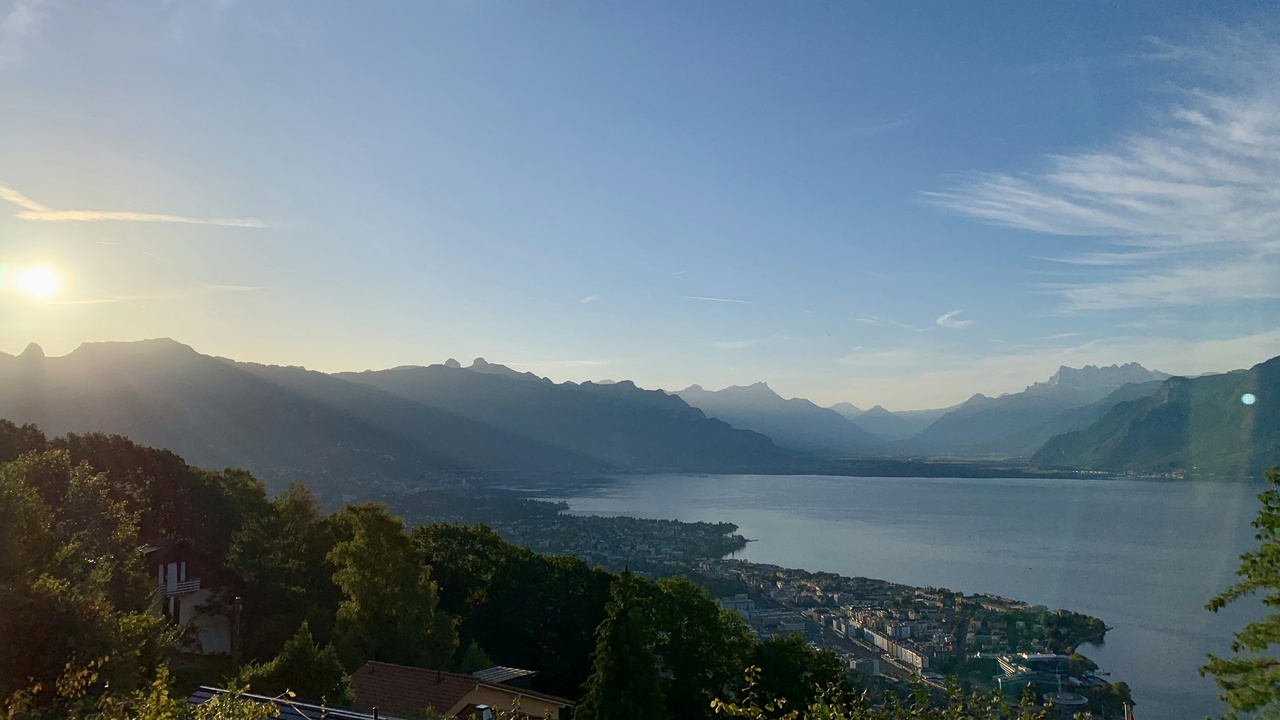
Geneva’s shoreline is the city’s front yard: broad promenades, manicured parks and views that point east toward the Alps. On clear days you can spot Mont Blanc (4,808 m) rising beyond the lake, which makes a simple walk feel scenic and epic at once.
The English Garden (Jardin Anglais) and the Promenade des Alpes are flat, stroller- and wheelchair-friendly routes that are busiest at midday and most magical at dawn or golden hour. Visit in spring and summer for boating and outdoor cafés; autumn brings clear air for mountain views; winter scenes are quieter and photogenic.
1. Take a Boat on Lake Geneva and Snap the Jet d’Eau
A short boat ride on Lac Léman is a must—it’s easy, iconic and endlessly photogenic. The Jet d’Eau reaches roughly 140 m high and the lake’s surface area is about 582 km², so a cruise quickly gives you scale and skyline views.
For a quick taste, board a CGN public ferry at Quai du Mont-Blanc for a 40–60 minute round trip; for a relaxed outing choose a longer cruise with commentary. Aim for golden hour for photos, and bring a light layer—the spray near the Jet d’Eau can be surprisingly cool.
2. Climb to the Old Town and St. Pierre Cathedral for City Views
A compact climb up to St. Pierre Cathedral rewards you with a 360° panorama of rooftops, the lake and the distant peaks. The cathedral also sits above an archaeological site with Roman-era remains, so the stop combines views and history.
Plan a 20–30 minute pause for the tower; ticketed access to the observation deck typically carries a small fee and is busiest late morning. The cobbled lanes from Place du Bourg-de-Four make for a pleasant approach, and early mornings are quieter for photos and clearer views.
Science, Diplomacy, and Museums
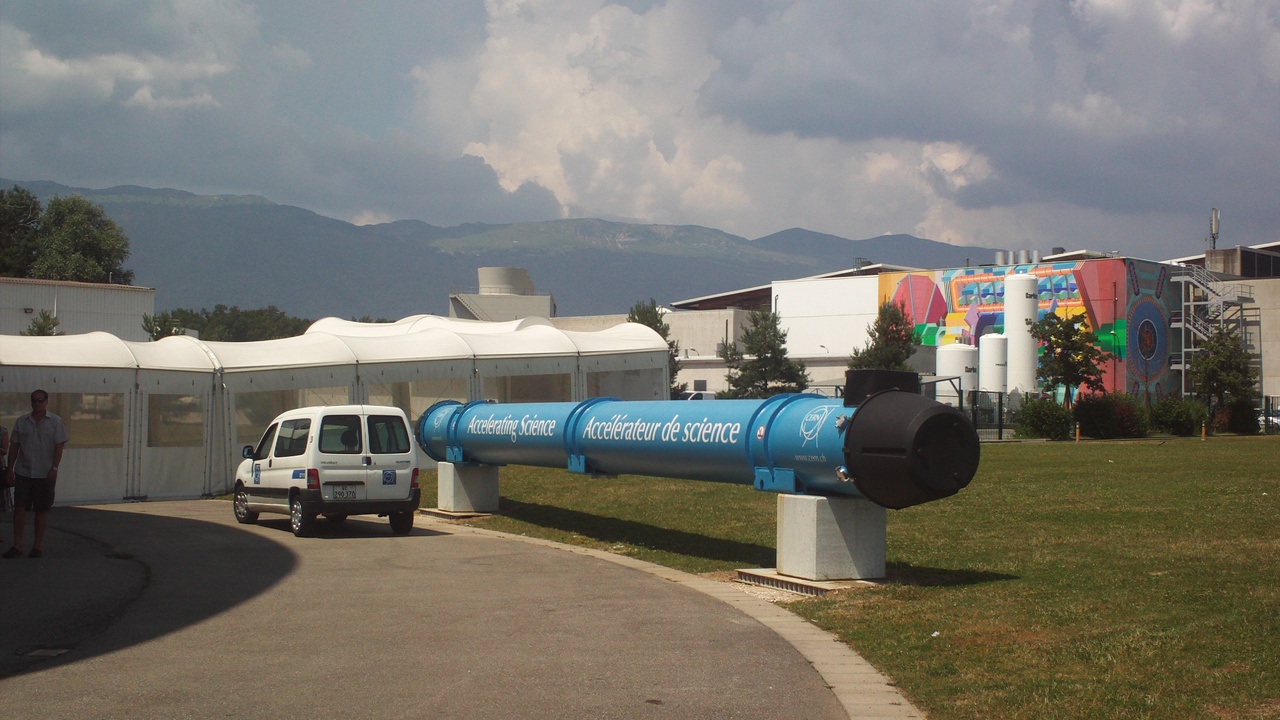
Geneva is home to globally significant institutions that are surprisingly accessible to visitors: CERN (established 1954) anchors modern physics, the United Nations Office at Geneva has hosted diplomatic work since 1946, and horology museums showcase the city’s watchmaking legacy. Each site offers a different pace—interactive exhibits, guided tours or contemplative galleries.
Budget roughly 1–3 hours per stop. Book guided tours (especially at CERN and the UN) ahead of time, and pair a museum visit with nearby cafés for a relaxed schedule that mixes science, policy and craft.
3. Visit CERN’s Exhibits and Learn About Particle Physics
Visiting CERN gives you hands-on science without needing a physics degree. Founded in 1954, CERN operates the Large Hadron Collider, a 27 km ring, and its public exhibitions explain the big questions in accessible displays.
The Globe of Science and Innovation and Microcosm offer interactive exhibits and real detector components. Guided tours of the Meyrin site are free or low-cost but have limited capacity, so reserve spots in advance via CERN’s visitor pages.
4. Tour the United Nations and Learn Geneva’s Diplomatic History
The United Nations Office at Geneva (UNOG) is educational and surprisingly approachable: guided tours walk you through the Assembly Hall, Council Chamber and public art installations. The UN has operated in Geneva since 1946 and hosts hundreds of conferences each year.
Expect a 60–90 minute visit, standard security checks and ID requirements. Check the official schedule before you go at UNOG’s site and arrive a little early for the audio-guide or guided tour.
5. Explore the Patek Philippe Museum and Discover Watchmaking
Patek Philippe’s museum showcases Geneva’s haute horlogerie with timepieces spanning centuries, from ornate pocket watches to finely finished movements. Geneva’s watchmaking reputation is visible in museum displays and the boutiques on Rue du Rhône.
Allow 1–2 hours to admire intricate mechanisms and historical pieces; look for guided tours or audio guides if you want deeper context. Nearby watch ateliers and shops make for an easy follow-up stroll if you’re curious about modern craftsmanship.
Neighborhoods, Markets, and Local Life
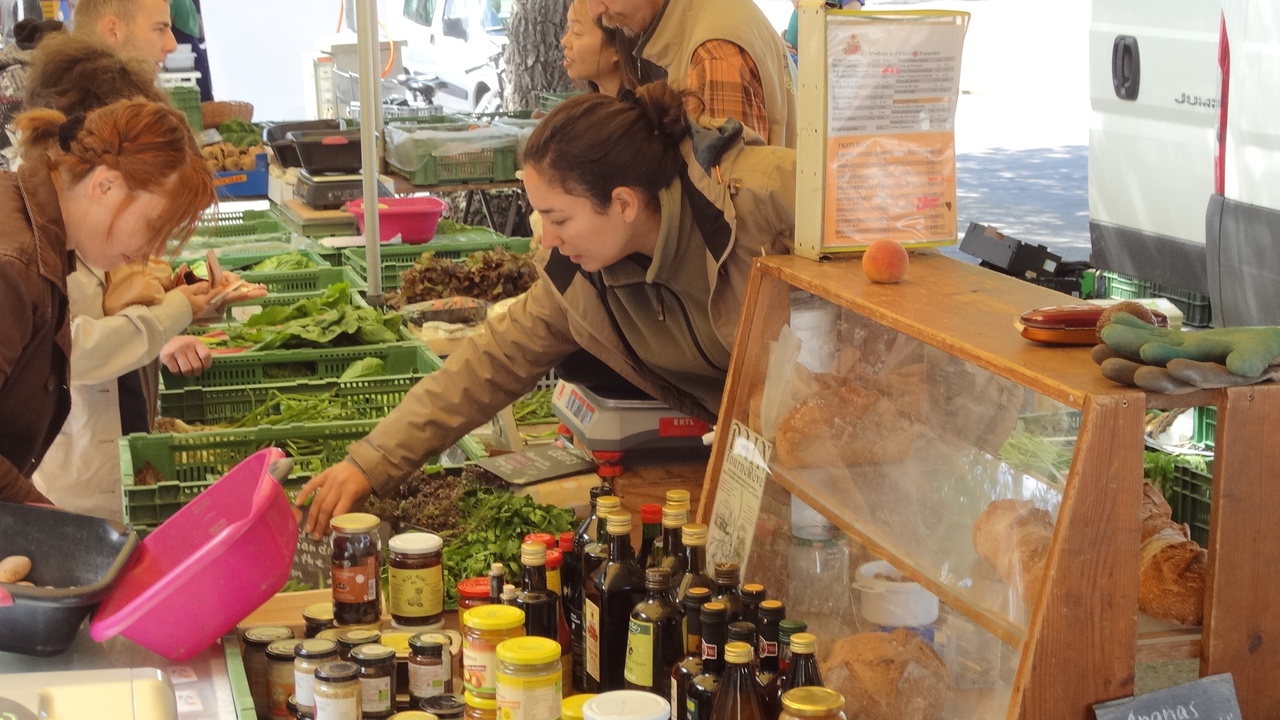
Exploring neighborhoods reveals the city’s softer side: Carouge feels Mediterranean with artisan shops and low-slung façades, while Plainpalais hosts lively markets and Bains des Pâquis is a lakeside spot for swimming and casual meals. These places show how locals live, eat and shop.
Use Geneva’s efficient TPG public-transport network to hop between neighborhoods; a half-day to evening is enough to get a real feel for one area. Markets and public baths are budget-friendly options that pair well with a museum afternoon or a leisurely morning.
6. Wander Carouge’s Streets and Visit Local Artisan Shops
Carouge charms with Sardinian-era architecture, independent galleries and cafés. Its narrow streets invite window-shopping and relaxed coffee stops away from the busier city center.
Stroll mid-morning to avoid the afternoon crowds, pop into ceramics and jewelry ateliers, and browse boutique designers. Pick up handcrafted ceramics or artisan jewelry as a memorable souvenir.
7. Spend an Afternoon at Plainpalais Market and Bains des Pâquis
Plainpalais hosts weekly markets including a large flea market and a book market on weekends—perfect for secondhand finds and local food stalls. After browsing, head to Bains des Pâquis for a swim, a coffee or seasonal fondue nights in winter.
A typical weekend itinerary: morning market, late-morning coffee, an afternoon dip at the baths, then an early evening fondue. Bring cash for some stalls and expect a small admission for the public baths during peak times.
Food, Nightlife, and Practical Tips
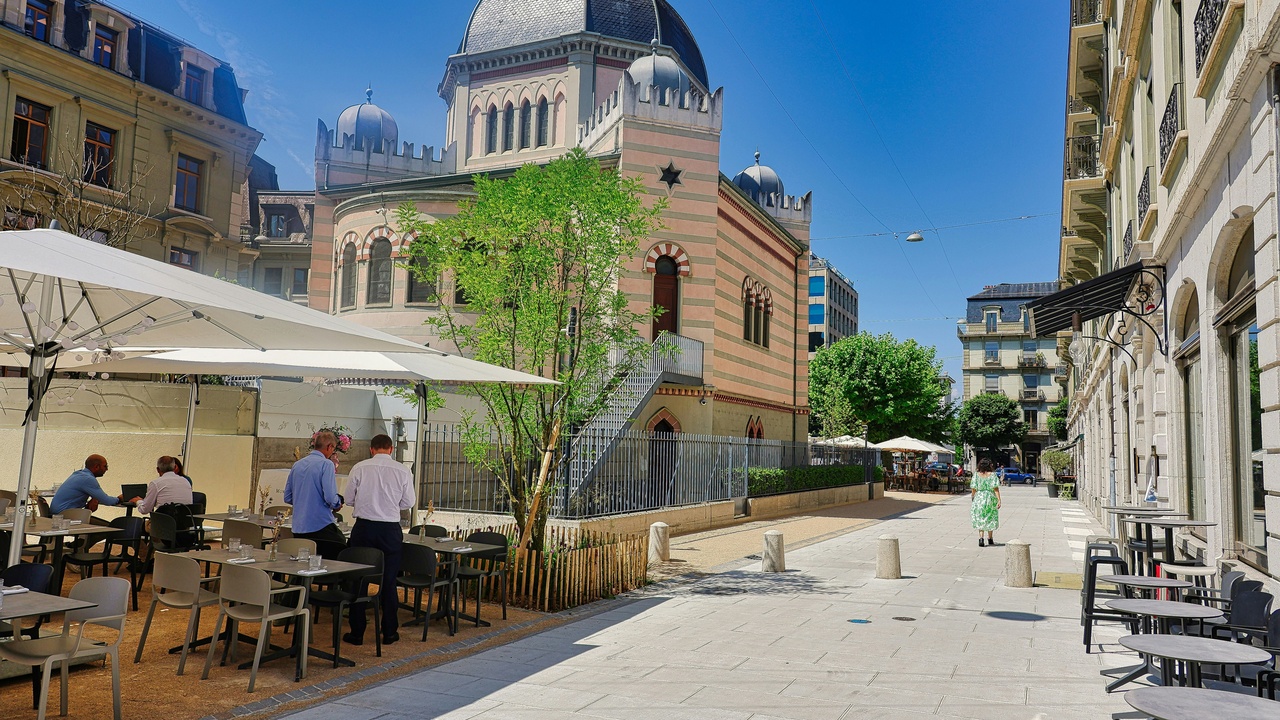
Geneva’s dining scene ranges from classic Swiss bistros to global cuisine, with price tiers that often reflect quality and location. Casual café meals can be modestly priced, while sit-down dinners at mid-range restaurants typically cost more—plan accordingly and budget for Swiss prices.
Public transport runs widely through the evening, and many hotels provide a free Geneva Transport Card for guests. Tip modestly (rounding up or 5–10% in restaurants is common), and a few French phrases will go a long way in service interactions.
8. Taste Swiss Classics and Late-Night Bars in Plainpalais or Eaux-Vives
If you’re choosing cool things to do in Geneva that combine food and nightlife, start with a classic fondue or raclette at a traditional bistro, then move to a relaxed bar in Eaux-Vives or Plainpalais for late-night conversation and local craft beers.
Casual cafés cost less than full-service dinners; expect higher checks for lakeside terraces. Make reservations for popular fondue spots on weekends, try perch filets or local chocolate for dessert, and remember that many bars stay open late on Fridays and Saturdays.
Summary
- Morning in Old Town, midday boat ride on Lake Geneva, afternoon at CERN or a museum, evening fondue.
- Book high-demand tours in advance (CERN and UNOG) and aim for golden hour for the best lake and Jet d’Eau photos.
- Explore a neighborhood: Carouge for artisans or Plainpalais for markets and Bains des Pâquis for relaxed lakeside time.
- Try Swiss classics (fondue, raclette, local chocolate) and use the Geneva Transport Card from your hotel to get around sustainably.