In 1637, tulip mania gripped the Dutch Republic: bulbs changed hands for fortunes and public rituals sprang from a booming flower trade. That same mix of seasonal markets, public spectacle and local enterprise has threaded through Dutch civic life ever since. Understanding these customs in the Netherlands helps make sense of everything from why neighborhoods plan around market days to why families calendar certain evenings for gift exchanges. If you’re traveling, working, or simply curious, knowing when events fall and what to expect—Dec 5 for Sinterklaas, April 27 for King’s Day, May 5 for Liberation Day, and Keukenhof’s millions of bulbs in spring—will make experiences smoother and more meaningful. Below are ten distinct traditions, each tied to dates, places and everyday practice, with concrete examples to help you spot them on the ground.
Festivals and National Holidays
Public holidays in the Netherlands set a national rhythm: towns fill with markets, families gather, and civic rituals link past and present. Three celebrations—Sinterklaas, King’s Day and Liberation Day—blend history, pageantry and everyday social life and draw both locals and tourists. Each has a fixed date that anchors planning: Sinterklaas on the evening of December 5, King’s Day on April 27, and Liberation Day on May 5. These events affect retail cycles, municipal logistics and school calendars, and they offer clear moments to observe Dutch identity in public—street sales, orange-clad crowds, and commemorative concerts are all part of the landscape.
1. Sinterklaas (Saint Nicholas) — Family gift-giving on December 5
Sinterklaas is celebrated on the evening of December 5—pakjesavond—and remains the principal winter gift-giving tradition for many Dutch families. The character traces cultural roots to 19th-century Netherlands and earlier saint veneration, but modern customs include clear local markers: children leave a shoe with hay for the horse, sweets like pepernoten are scattered, and chocolate letters represent initials. Arrival parades begin in mid-November when Sinterklaas “lands” in port towns and travels through municipalities; these parades draw townspeople and media attention. Schools and shops schedule activities around pakjesavond, and many students make elaborate “surprises” (decorated packages that hide a small gift and a humorous poem), making the holiday both a family and community fixture.
2. King’s Day (Koningsdag) — Nationwide street parties on April 27
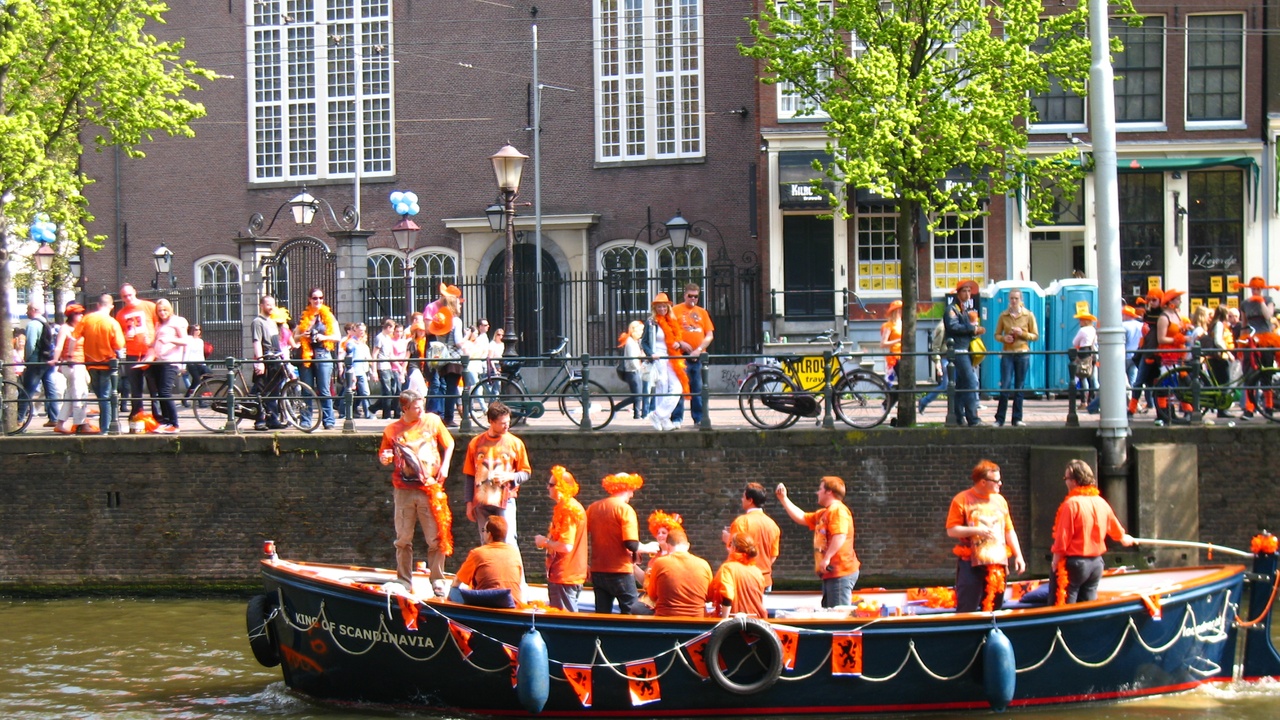
King’s Day falls on April 27 and is famous for orange attire and the vrijmarkt, a national flea market where people sell used goods on sidewalks and canal boats. Cities like Amsterdam host massive canal parties and attract international visitors; smaller towns run neighborhood vrijmarkten that turn streets into open-air markets. Municipalities close roads and increase transit service to handle crowds, and local authorities publish visitor estimates for planning—major cities can see hundreds of thousands on this day. Locals participate by selling secondhand items from bike trailers or boats, wearing orange, and joining informal street concerts, making the day both a civic celebration and a market-driven social ritual.
3. Liberation Day (Bevrijdingsdag) — Commemorations and free-concerts on May 5
Liberation Day on May 5 commemorates the end of German occupation in 1945 and mixes remembrance with celebration. While ceremonies and memorial services occur every year, the country marks large-scale national festivals on five-year anniversaries with nationwide Vrijheidsfestivals—music, speeches and public exhibitions. Schools, veterans’ organizations and municipalities run educational programs and local memorials annually, and large urban concerts draw crowds on milestone years. The day balances solemn reflection about 1945 with public events that foreground freedom and civic unity.
Social Customs and Everyday Rituals
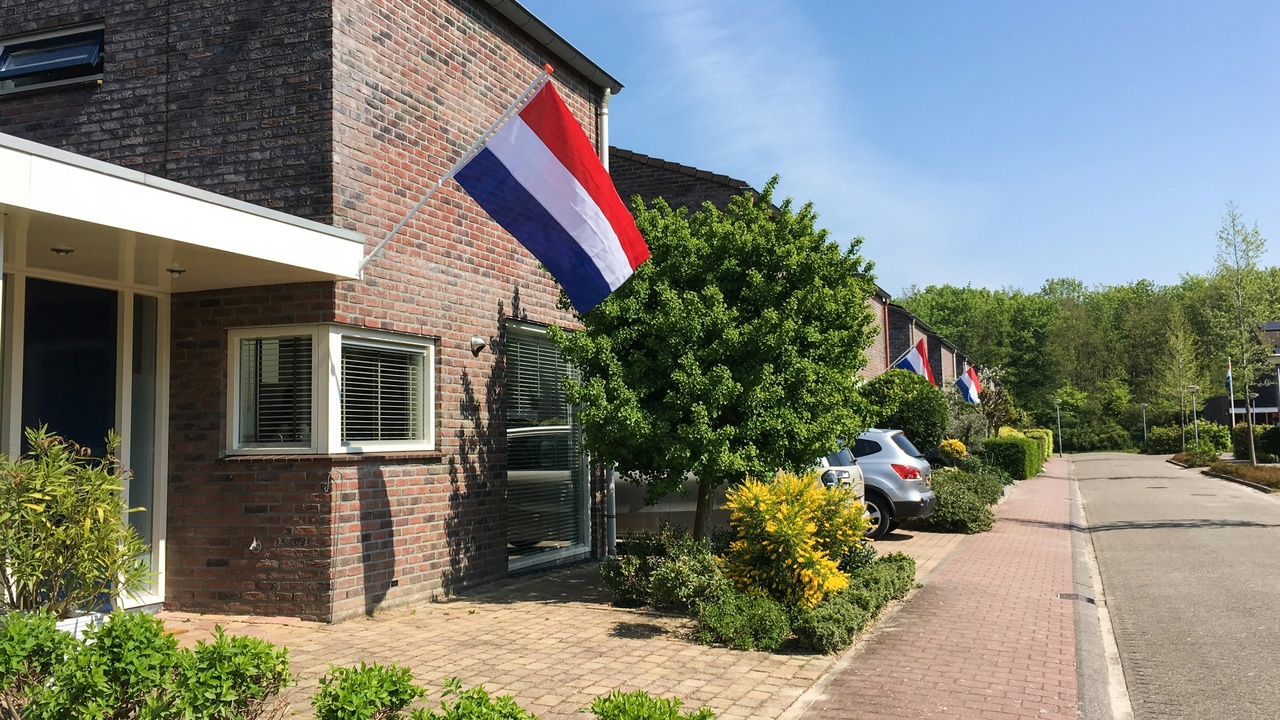
Many Dutch traditions are small, everyday rituals that create social warmth and shape urban life: the emphasis on gezelligheid in social settings, cycling as primary transport, and the ubiquitous after-work borrel. These informal practices influence city design—extensive cycle paths and bike parking—and workplace culture, where social time often matters as much as formal meetings. Learned in childhood and practiced across regions, these customs make neighborhoods cohesive and create predictable rhythms for residents and visitors alike.
4. Gezelligheid — The culture of coziness and togetherness
Gezelligheid is an often-cited, hard-to-translate Dutch value that signals cozy togetherness and convivial atmosphere. You’ll hear the term applied to homes, cafes and evenings when friends meet; cultural writers describe it as central to Dutch social life. In practice it shapes hospitality—think candlelit dinners, intimate café corners and slow weekend visits—and workplace rituals like the Friday borrel that prioritize relaxed conversation. Gezelligheid guides small gestures: offering coffee to a neighbor, lingering after a meeting, or arranging chairs to face one another in a living room.
5. Cycling Culture — Bicycles as daily transport and identity
Cycling is a primary mode of transport in Dutch cities and a cultural norm with deep infrastructure support. Municipal networks include separated bike lanes and extensive parking—national totals exceed 35,000 km of cycle paths—and urban modal shares in places like Amsterdam and Groningen reflect strong daily bike use. Families use bakfiets cargo bikes for school runs; commuters stash bikes at large parking facilities near stations (for example, multi-story bike parking at Amsterdam Centraal). Cities teach children to ride and integrate cycling into planning, making two wheels central to mobility, tourism and everyday life.
6. Borrel Culture — After-work drinks and social networking
A borrel is a common after-work drink or social meetup—often on Friday afternoons or after project milestones—and it helps build team cohesion. Offices, universities and neighborhoods host borrels where colleagues and friends share drinks and small plates called borrelhapjes. Many employers see these moments as informal networking time that supports recruitment and retention; student cities run frequent borrels in student unions. The practice is casual but regular, and it’s a practical way Dutch social bonds are maintained.
Food, Drink, and Seasonal Treats
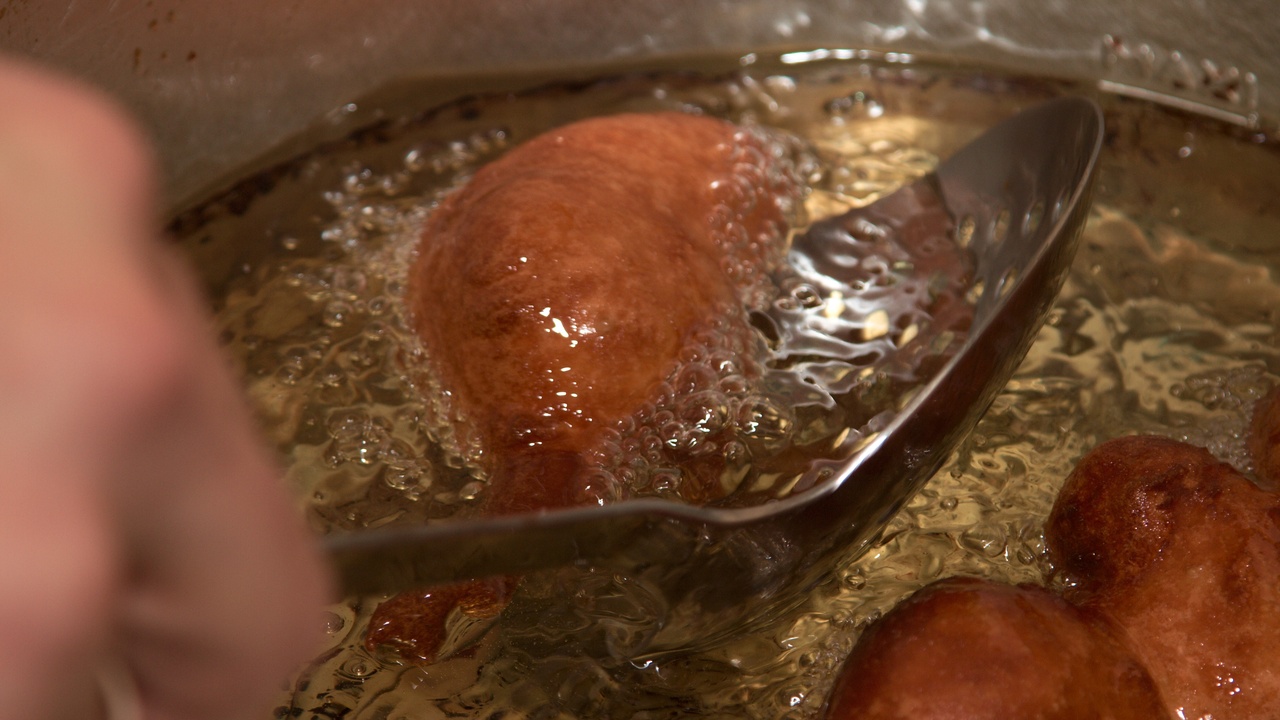
Food-centered rituals mark holidays, weekends and local identity across the Netherlands. Seasonal vendors and markets support local economies—street stalls selling New Year oliebollen, weekend pannenkoeken houses, and market bakers keep traditions alive. Many recipes date back centuries, and vendors time production for peak demand: late-December fritter stalls, pancake restaurants busy on Sunday afternoons, and stroopwafel makers in tourist zones. These food customs offer both comfort for locals and memorable experiences for visitors.
7. Oliebollen — New Year’s fritters and street-vendor traditions
Oliebollen are deep-fried dough balls traditionally eaten on New Year’s Eve and sold by street stalls throughout late December. Vendors set up in city centers and markets, and many families keep a recipe at home; the treats are typically dusted with powdered sugar and offer regional twists such as apple-filled or raisin varieties. Municipal reports sometimes track seasonal vendor numbers because stalls draw crowds on Dec 31, and tourists often line up alongside locals to buy fresh oliebollen before midnight. The practice ties holiday celebration to a simple, shared taste.
8. Pannenkoeken and Pancake Houses — Shared weekend dining
Pannenkoeken—large Dutch pancakes—are a weekend family staple and are commonly enjoyed at dedicated pannenkoekenhuis restaurants. Served family-style, toppings run from savory (bacon, cheese) to sweet (stroop, apple, powdered sugar), and restaurants often situate near canals or countryside farms where families make an outing of it. For visitors, a pancake house offers a relaxed way to sample local dining habits; for locals, these meals are routine social time that connect generations.
Landscape, Markets, and Craft Traditions
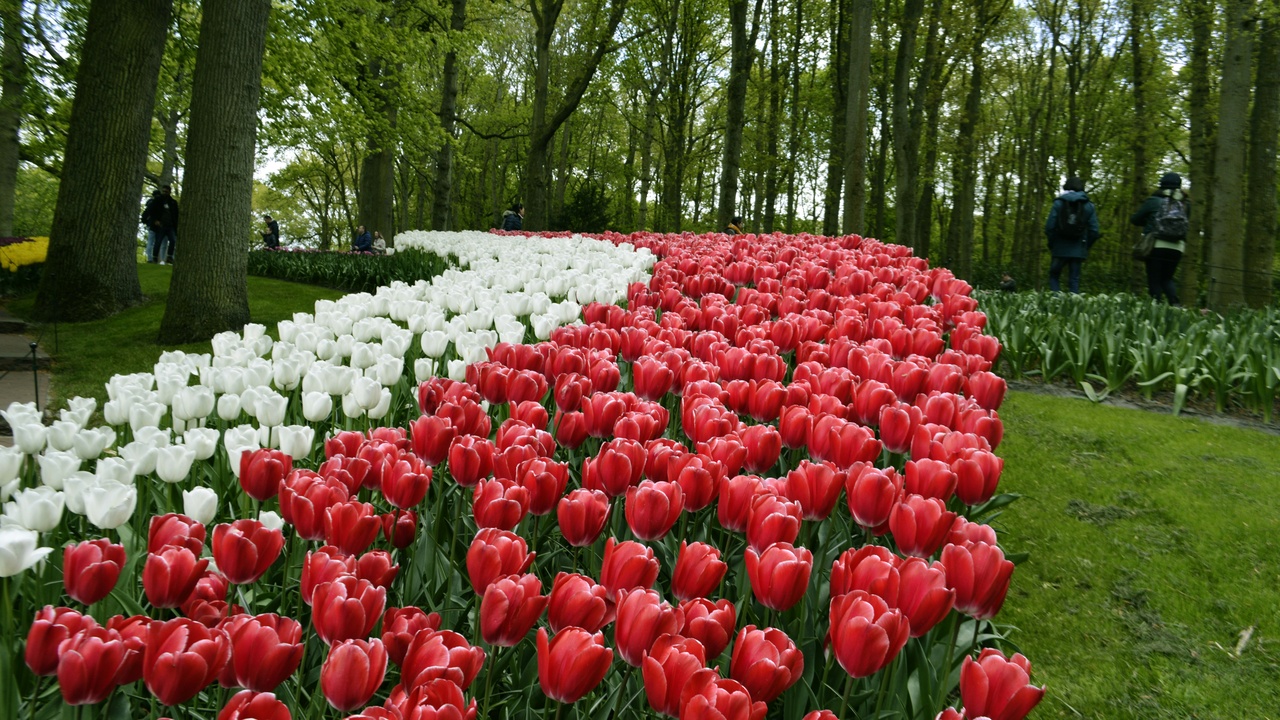
Geography and trade have shaped enduring public markets and craft traditions that remain vital to regional identity and tourism. From spring flower displays to weekly cheese markets, these practices link agricultural cycles with cultural pageantry. They are also economic drivers: tulip season draws international visitors and seasonal labor, while historic cheese markets sustain artisan producers. Together they form a seasonal map visitors can follow to experience living heritage.
9. Tulip Season and Flower Auctions — Keukenhof and the flower trade (March–May)
Tulip season runs roughly March–May and culminates in garden displays at Keukenhof and large flower auctions such as Aalsmeer. Keukenhof traditionally plants millions of bulbs each spring (commonly cited around 7 million bulbs) and opens for a limited weeks-long season that drives tourism and seasonal employment. Auction houses coordinate global exports, and flower logistics—auction clocks, wholesale lots and cold-chain transport—support a major floriculture industry. For travelers, the window from late March to early May is the most reliable time to see mass tulip plantings and bustling auction activity.
10. Cheese Markets and Traditional Crafts — Alkmaar, Gouda, and regional fairs
Traditional cheese markets in places like Alkmaar and Gouda are living heritage events with roots in the Middle Ages—Alkmaar’s market is often linked to activity since 1365—and they combine trade with ceremonial pageantry. Markets follow set schedules where cheeses are weighed, displayed and carried by teams in traditional dress; visitors can watch weighings, see the carrying squads and taste products on-site. These fairs bolster local tourism and preserve artisanal techniques such as hand-pressing and wooden-clog demonstrations, keeping regional skills visible to new generations.
Summary
Across civic festivals, everyday rituals and market traditions, the customs described here show how communal life in the Netherlands maps onto seasons, places and social practice. Sinterklaas, King’s Day and Keukenhof are emblematic instances where dates and public display shape calendars and economies. Equally important are small routines—gezelligheid in homes, cycling as commute culture and the borrel—that sustain neighborhood ties and influence urban design. These practices range from centuries-old market rites to modern social habits, and they matter for visitors and residents because they explain why streets, shops and schedules look the way they do.
Many travelers find that learning a few local expectations—like where to join a vrijmarkt or when oliebollen stalls appear—makes experiences more rewarding. If you want to see the traditions in the netherlands in action, time your trip around seasonal dates and join local events respectfully.
- Traditions anchor community life and seasonal rhythms.
- Centuries-old markets and modern festivals both shape tourism and local economies.
- Small daily rituals—cycling, gezelligheid, borrels—matter as much as headline holidays.