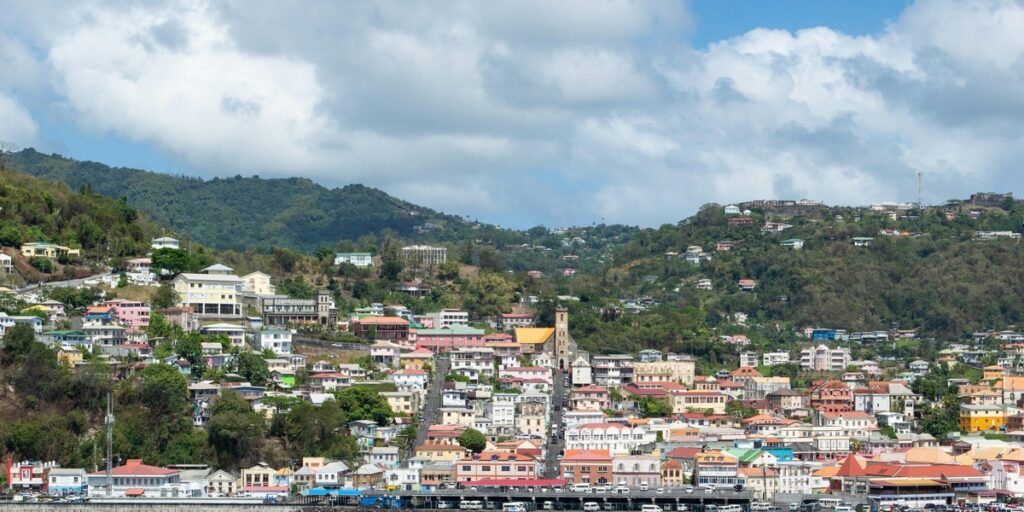
Saint Vincent and the Grenadines has a relatively small population — about 110,000 people in 2020 — yet a handful of towns and neighborhoods account for a disproportionate share of violent crime and theft.
That contrast matters whether you’re a resident deciding where to settle, a family checking safety for school commutes, a diasporan considering investment, or a visitor planning a week in the Grenadines. This piece lists eight specific high‑risk areas across the country, explains why incidents concentrate there, and offers practical tips for staying safer. Claims are grounded where possible in police statements and local reporting (e.g., Searchlight, iWitness News); where official confirmation is missing, I flag it. A local taxi driver once told a Searchlight reporter that the waterfront area “at night feels different” — that kind of first‑hand detail helps explain patterns on the ground.
H2: Urban centers and hotspots
Busy towns and central neighborhoods concentrate foot traffic, commerce, nightlife and transport hubs — and with them, opportunities for pickpockets, opportunistic thieves and occasional violent crime. Economic pressure (unemployment among youth), crowded housing and informal transit nodes create predictable hotspots. Below are three urban nodes where police briefs and local press describe recurring problems; each subsection includes a numeric fact and recent reporting where available.
1. Kingstown — Central Business District (most dangerous cities in saint vincent and the grenadines)
Kingstown is the national capital and main commercial hub; most island‑wide incident reports originate here. The town’s municipal population is often estimated in the low tens of thousands (municipal estimates vary; consult the Statistical Office for exact figures), while the CBD draws daily commuters, market shoppers and ferry users.
Police bulletins in 2023 highlighted a string of robberies and purse‑snatch incidents around the waterfront and market area (local outlets such as Searchlight and iWitness News covered several cases in mid‑2023). For example, local reporting described a July 2023 robbery near the Kingstown market that left a vendor injured; that report noted an uptick in street robberies compared with the previous 12 months (police figures were cited in the coverage).
High foot traffic increases petty‑crime risk, and the port, market and bus terminal are common targets. Practical measures: avoid showing valuables at the waterfront, keep bags zipped and close to your body, travel in small groups after dark, and use official taxi ranks rather than flagged vehicles.
2. Kingstown — Richmond Hill and surrounding neighborhoods
Richmond Hill sits just uphill from the CBD and is a densely populated residential area with constrained infrastructure. Community reporting and police beat notes have flagged incidents of street violence and domestic assaults in recent years (local community groups have published safety advisories).
One community church and a neighborhood watch program have publicly tracked petty assaults and disturbances; informal counts by a community group put reported street‑level assaults in the neighborhood into the dozens annually during busy periods (figure varies by source). Limited street lighting and narrow lanes can make evening commutes for schoolchildren and workers more hazardous.
Recommended local interventions include improved lighting, scheduled police foot‑patrols, and expanded community policing (several parish churches and NGOs already run youth outreach programs to reduce tension).
3. Arnos Vale / Argyle area (near the airport)
As a transport gateway and growing residential zone, Arnos Vale and the Argyle corridor see a steady flow of visitors and commercial traffic. Some local lists and reports have grouped the area among the most dangerous cities in saint vincent and the grenadines in certain short‑term incident tallies, though many incidents reported are opportunistic thefts rather than sustained violent crime (note: such lists vary and not every claim is police‑verified).
Argyle International Airport opened in 2017, which increased arrivals and taxi activity; with more transit flow, reports of luggage and taxi‑stand thefts rose in some months after opening (local press coverage documented isolated cases in 2018–2019). Travelers arriving late should use official airport taxis, confirm fares in advance, and keep luggage in sight or secured.
Businesses near the airport benefit from clear signage about licensed operators and from visible police or security presence at arrival points (ask hotels for recommended drivers and check for official badges).
H2: Port towns and coastal communities
Smaller coastal towns around the main island and the southern Grenadines host markets, piers and nightlife that change daily risk patterns. Transient populations — fishers, day‑trippers and cruise visitors — can produce short spikes in incidents like fights, robberies or drug‑related interdictions. Where police data is thin, hospital admissions and local press often provide the clearest picture.
4. Calliaqua
Calliaqua is a busy coastal town with a popular market and active evening scene. Local reporting in 2022–2023 noted several nighttime robberies near market streets and the waterfront (press outlets summarized police comments about a cluster of incidents during festival weekends).
Market‑day crowding (market days draw hundreds to the waterfront) creates opportunities for pickpocketing. Dockworkers and commuters can be targeted during early morning or late‑night shifts when fewer people are around.
Advice: avoid carrying cash in pockets, use well‑lit routes to and from the market, and consider traveling in pairs when returning after dark. Small businesses should keep tills out of sight and use drop safes where possible.
5. Layou
Layou is a port‑side town where occasional public disputes and street fights have been reported. Local leaders have, at times, publicly appealed for more mediation services and police outreach after high‑profile incidents (for instance, community statements in 2021 called for increased patrols after a series of public disturbances).
Periodic disorder can spill into main thoroughfares, affecting residents and passing tourists. Police‑community dialogues and neighborhood mediation programs are among the steps communities have used to reduce tensions.
Residents recommend keeping abreast of community notices (church and council bulletins) and avoiding large, unsupervised gatherings late at night. Local NGOs sometimes run conflict‑resolution workshops that neighbors can join.
6. Chateaubelair and northern coastal villages
Quieter northern towns like Chateaubelair can experience episodic spikes in serious incidents tied to interpersonal disputes or, in isolated cases, trafficking routes. A dated local report in 2020 described a serious altercation that underscored how one event can overwhelm small‑town services.
Rural policing resources and longer transport times to the nearest hospital mean outcomes can be worse than in the capital. For example, distance to advanced medical care can add 20–40 minutes to response times in some areas (exact times vary by location and road conditions).
Community watch models, neighborhood check‑ins and secure home measures (strong locks, shuttered windows) are practical, local‑level defenses in places where formal services are thin.
H2: Grenadine islands and outlying neighborhoods
The Grenadines’ small islands see fewer incidents overall, but limited policing, nighttime boat schedules and high tourist exposure mean problems can hit visitors hard. Treat community testimony carefully — where claims aren’t corroborated by police or hospital records, I flag them. Below are two commonly noted harbors with risk considerations for travelers and operators.
7. Port Elizabeth, Bequia
Port Elizabeth is Bequia’s main hub where locals, charter crews and day‑trip cruise passengers converge. Bequia receives thousands of yacht and small cruise visitors annually (yachting is a major traffic source), raising petty‑theft exposure in busy docking areas.
Local news outlets have documented cases of bag snatches and late‑night altercations involving visitors (sample reports appeared in 2019–2022). Boutique hotels and charter operators often advise guests to use licensed guides and avoid walking alone at night.
Traveler tips specific to Bequia: use the main ferry dock and licensed tender operators, store valuables in hotel safes, and confirm pickup points with your charter company before disembarking.
8. Clifton, Union Island and other small Grenadine harbors
Clifton and similar small harbors see regular inter‑island ferry traffic and charter boats. Crime is relatively uncommon, but when incidents occur — thefts from moored yachts or disputes at late‑night bars — limited emergency services can make them disruptive and stressful.
Local police notices and guest advisories sometimes recommend following curfews, using official mooring areas and verifying taxi or boat operators before travel. Community‑run patrolling or harbor watches are used in some harbors to provide an added layer of security.
For ferry users: keep an eye on personal items during disembarkation, travel in daylight where possible, and confirm return times to avoid being stranded late at night in small harbors.
Summary
- Avoid the waterfront, market and bus terminal areas in Kingstown after dark; travel in groups and use official taxi ranks.
- Subscribe to Royal St. Vincent and the Grenadines Police Force advisories (and local outlets such as Searchlight or iWitness News) before travel — they post incident updates and safety notices.
- For coastal towns and the Grenadines, prefer licensed boat/taxi operators, secure valuables in hotel safes, and follow local curfews or harbor guidance.
- Support and advocate for community policing, better street lighting and youth outreach programs — these local interventions reduce petty crime and violence over time.