Every year Saudi Arabia records thousands of traffic fatalities and periodic high-casualty events in dense urban areas, underscoring surprising safety risks even in a country often viewed as stable. Residents, pilgrims, workers and travelers all face different hazards depending on place and season, from petty urban crime and road collisions to crowd crushes during Hajj, industrial accidents in petrochemical hubs, and occasional cross-border incidents near the Yemeni frontier. This piece ranks ten cities where those risks are relatively higher and explains why each appears on the list, using a mix of crime data, road-safety figures, historical incidents and geographic exposure. Sources cited include the Saudi General Authority for Statistics (population figures), WHO or Saudi traffic-authority road-safety data, and reputable news reporting for notable events. When discussing the most dangerous cities in saudi arabia the label is relative—context and practical advice are provided so readers can make safer choices rather than feel alarmed.
Cities with High Urban Crime & Traffic Risks
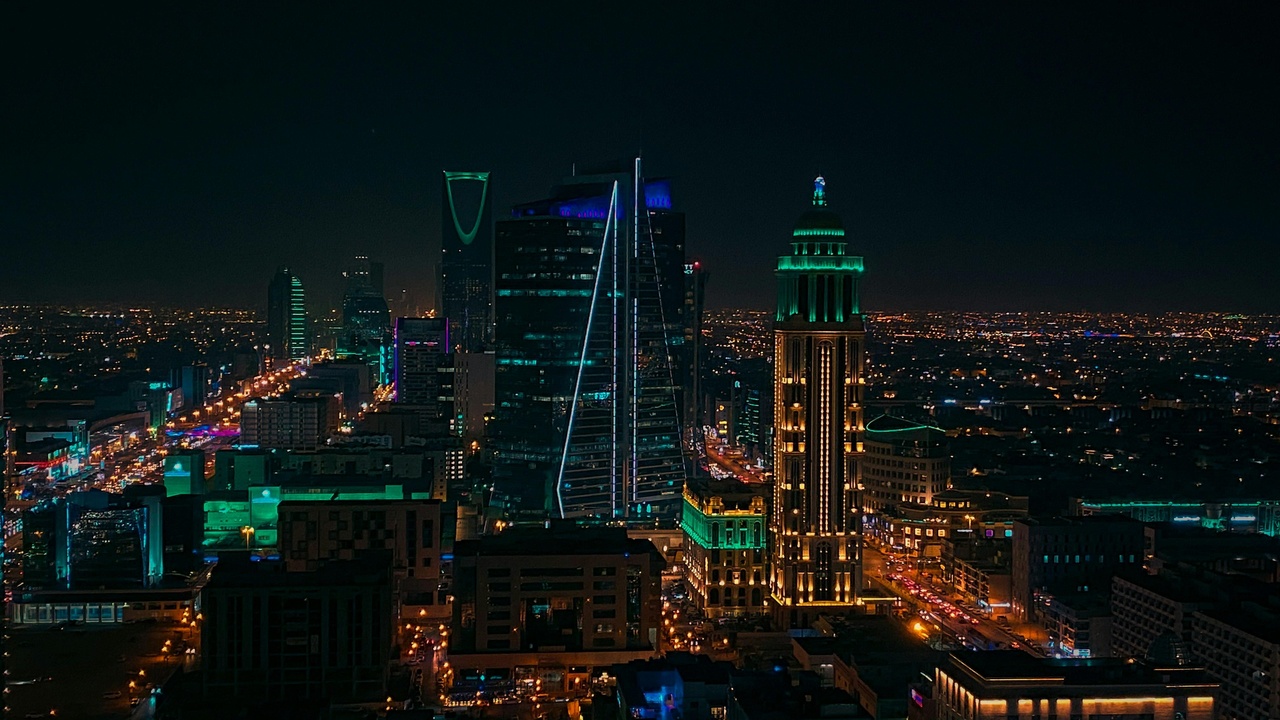
Large urban centers concentrate people, vehicles and economic activity, which increases opportunities for petty theft and makes road safety a national concern: WHO and Saudi traffic-authority reporting place road traffic among the kingdom’s leading causes of injury, with several thousand fatalities annually. Dense neighborhoods, informal settlements and heavy commuter flows magnify those risks in certain districts.
1. Jeddah — Coastal hub with rising urban crime and seasonal flooding risks
Jeddah is on this list because a mix of busy port activity, tourism, crowded markets and episodic flash flooding create safety stress in some districts. The Saudi General Authority for Statistics estimates Jeddah’s population at around 4 million, making it the kingdom’s main Red Sea gateway.
Heavy seasonal rains have produced disruptive flash floods in recent years that inundated low-lying neighborhoods and clogged transport links, interrupting commutes and port operations (local reporting highlighted large-scale disruption during heavy rains in the early 2020s). At street level, crowded souks and waterfront areas attract opportunistic petty theft—pickpocketing and vehicle break-ins are reported regularly by municipal police in busy market zones.
Practical tip: stay aware of neighborhood conditions around Al-Balad and the corniche during storm forecasts, avoid driving through flooded streets, and secure valuables when visiting markets or transit hubs.
2. Riyadh — Capital pressures: traffic fatalities and isolated violent incidents
Riyadh’s size and role as the political and commercial capital concentrate risk factors: sprawling suburbs, heavy commuter traffic, and occasional high-profile incidents. The Saudi General Authority for Statistics places the Riyadh metropolitan population in the neighborhood of 7.5–8 million, which magnifies exposure to road collisions and transit-related injuries.
National road-safety reporting (WHO and Saudi traffic authorities) consistently show that road crashes account for a large share of traumatic injury and fatalities in the kingdom, with thousands of deaths per year nationally. Riyadh’s high-speed ring roads and long daily commutes contribute to multi-vehicle crashes and serious collisions reported in recent years.
Safety suggestion: rely on licensed taxis or ride-hailing services for late-night travel, allow extra time on ring roads, and practice defensive driving—especially on highways where heavy vehicles and high speeds mix.
3. Dammam/Al Khobar — Industrial corridors with road and petty-crime exposure
The Dammam–Al Khobar metro area in the Eastern Province is a major oil, port and industrial corridor; heavy truck traffic, shift-worker flows and port servicing raise the frequency of serious road accidents and localized crime. Population figures for Dammam and nearby Al Khobar vary by source, but the combined metro area supports well over a million residents and large transient workforces (Saudi General Authority for Statistics).
Industrial activity contributes additional safety vectors: port and refinery operations create zones where traffic incidents involve heavy vehicles, and news reporting has highlighted occasional workplace accidents in the region’s industrial facilities. At the municipal level, vehicles left near port and market areas are common targets for opportunistic thefts.
Recommendation: favor daytime travel on industrial routes when possible, lock and hide valuables in vehicles near ports, and follow posted safety rules at industrial sites and refineries.
Pilgrimage & Crowd-Related Hazard Zones
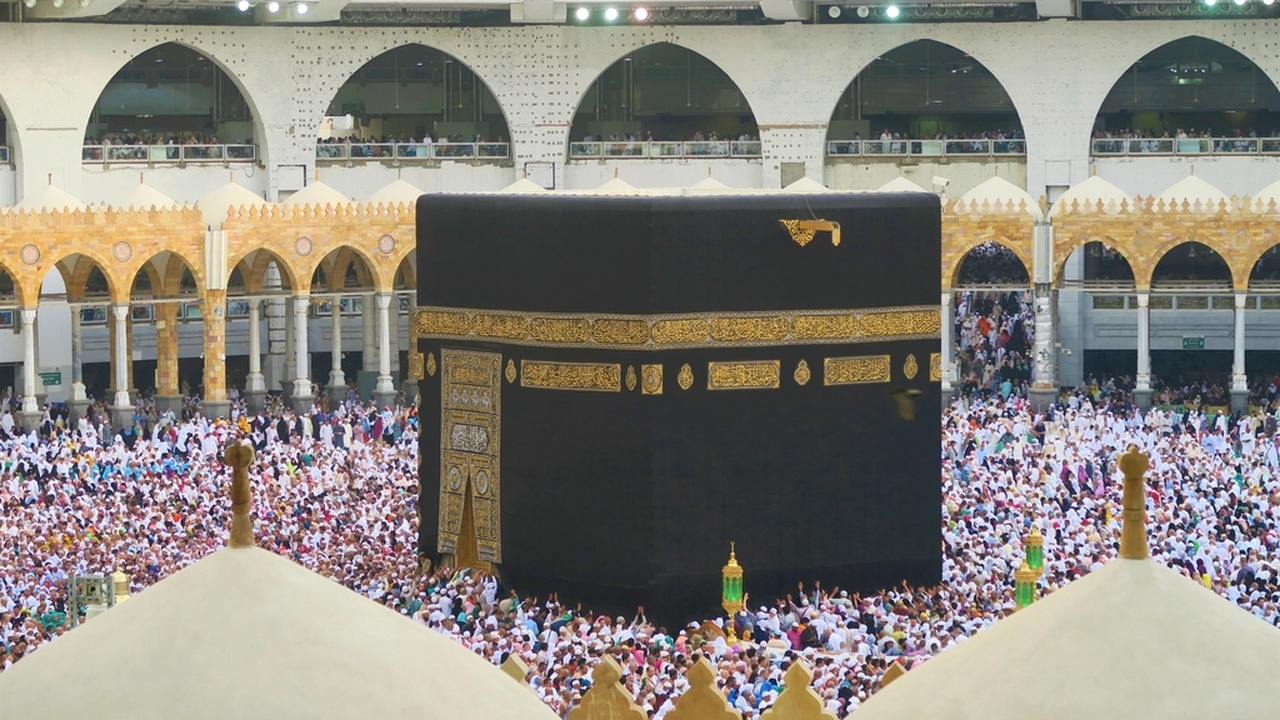
Cities that host Hajj and large Umrah flows face acute, short-term hazards when millions converge: crowd density, heat stress, and strained transport and emergency services can produce deadly incidents that are very different from everyday urban crime. Managing those mass gatherings requires specialized planning and resources.
4. Makkah (Mecca) — Crowd density, heat, and historical stampede risks
Makkah receives millions of pilgrims during Hajj and many more for Umrah across the year; pre-pandemic Hajj seasons drew 2–3 million pilgrims in peak years (Saudi Ministry of Hajj and Umrah reporting). The city’s narrow approaches and ritual sites concentrate people into constrained spaces where heat and movement pose substantial risks.
The 24 September 2015 Mina incident is the best-known example of how crowd dynamics can turn deadly; Saudi official reports recorded 769 fatalities while many international outlets cited higher tolls, a discrepancy that underscores the complexity of mass-casualty accounting. Since then, Saudi authorities have invested heavily in crowd-management infrastructure and transport links to reduce bottlenecks.
Pilgrim advice: travel with an organized group, follow official route signage, stay hydrated in heat, and register with your tour operator or your embassy if available to ensure quick assistance in an emergency.
5. Madinah (Medina) — Pilgrim surges and localized infrastructure strain
Madinah, the second-holiest city, receives very large visitor numbers year-round; officially reported Umrah and Hajj-related visit totals often place Madinah among the top destinations for pilgrims. The Old City’s narrow streets and the concentration of hotels around the Prophet’s Mosque can cause transport congestion and complicate emergency access during peak periods.
The city has expanded rail services and road links in recent years to ease flows, but local reporting notes that surge days still produce crowded sidewalks, long check-ins and occasional heat-related medical calls. Accommodation density near the mosque can also mean limited evacuation options in extreme weather or large-scale incidents.
Tip for visitors: book vetted accommodation with clear evacuation plans, allow extra transit time between sites, and avoid arriving at the mosque complex during the hottest hours when possible.
6. Taif — Mountainous access routes and seasonal travel hazards
Taif serves as a summer retreat and a transit town for some pilgrim and leisure routes; its mountainous location means many approaches use winding roads with steep grades. Population estimates from the Saudi General Authority for Statistics place Taif in the several-hundred-thousand range, with seasonal traffic spikes during holidays.
Mountain roads can close during storms or after landslides, and regional news outlets have reported road closures and multi-vehicle accidents on Taif’s slopes in recent years (local authorities routinely issue weather and road advisories). Those closures can leave travelers stranded and delay emergency responders.
Advice: avoid night driving on narrow mountain routes, check weather and road-condition alerts before travel, and allow extra time when routing through Taif during holiday periods.
Border, Industrial and Regional Conflict Risk Areas
Cities near the Yemen border, petrochemical centers and major ports face different hazards: air-raid warnings, intermittent cross-border shelling, refinery fires and chemical-release incidents are among the acute risks. These are distinct from routine urban crime and require community-level preparedness and employer safety systems.
7. Jazan — Border-area exposure and intermittent cross-border attacks
Jazan province borders Yemen and the city of Jazan has experienced periodic security incidents over the past decade—accounts from 2015 through the early 2020s record drone and missile activity in nearby areas, with Saudi authorities occasionally reporting damage to infrastructure and disruptions to civilian life. Local news and official communiqués document temporary closures of schools and businesses during high-alert periods.
Residents may see increased military and security presence during flare-ups and official travel advisories can restrict movement near border districts. Casualty and damage figures vary by incident and source, so travelers and residents are best served by following Saudi Interior Ministry and local governorate advisories.
Practical step: monitor official security notices, avoid border areas when advisories are active, and register with your workplace or local authorities if you live or work in border districts.
8. Najran — Frontline district with historical spillover from regional conflict
Located near the southern frontier, Najran has historically felt the spillover effects of regional fighting at times in the 2015–2022 period, with reports of cross-border fire affecting nearby rural areas. Population estimates for Najran city and governorate vary; the Saudi General Authority for Statistics provides the most recent official counts for planning and response.
Such incidents can strain local emergency services, interrupt commerce, and prompt temporary evacuation orders for affected areas. Municipal and civil-defense advisories describe contingency plans and shelters for civilians when incidents occur.
Safety note: heed evacuation and shelter-in-place instructions from civil-defense authorities, and keep an emergency kit and communication plan if you live or travel in the region.
9. Yanbu — Petrochemical port risks and industrial-accident potential
Yanbu is a major Red Sea port and petrochemical hub where refinery and chemical-plant incidents pose acute risks to workers and nearby residents. Local industrial complexes employ large workforces and handle large volumes of hydrocarbons, which raises the possibility of fires, leaks or air-quality events; company reports and news outlets have documented occasional plant incidents in the broader Red Sea industrial belt.
During an industrial incident, authorities may order local evacuations or shelter-in-place instructions while emergency teams respond. Port and plant operators maintain emergency-response plans, and national civil-defense guidance directs nearby communities on how to react to releases or fires.
Recommendation: if you work in petrochemical facilities follow employer safety rules and drills, sign up for community alert systems where available, and keep informed of company and municipal advisories during an incident.
10. Al Hofuf (Al-Ahsa) — Industrial agriculture and petrochemical exposure in the Eastern Province
Al Hofuf, the urban center of the Al-Ahsa region, sits within the Eastern Province’s mix of large-scale agriculture, oil-related infrastructure and transport corridors. Population figures for the Al-Ahsa governorate are published by the Saudi General Authority for Statistics and show a significant regional population that supports both agricultural and industrial activity.
Heavy truck movements, fertilizer storage and nearby petrochemical facilities can combine to raise local hazard profiles, including traffic risks and occasional environmental or air-quality advisories reported by municipal authorities. Local news has occasionally focused on industrial-safety advisories tied to nearby facilities.
Actionable tip: monitor municipal and employer alerts about air quality or chemical hazards, follow workplace safety procedures, and exercise caution around heavy-vehicle routes that serve processing plants and farms.
Summary
These ten urban areas show how “danger” in Saudi Arabia is context-dependent: some risks are perennial (roads, crowded markets), others episodic (mass gatherings, cross-border incidents, industrial accidents). Understanding local drivers of harm helps residents and visitors take practical steps to reduce personal exposure.
- Different hazards require different responses: avoid peak crowd zones during Hajj, practice defensive driving in big cities, and follow employer safety plans near industrial sites.
- Stay informed: consult the Saudi General Authority for Statistics for local population and planning data, WHO or Saudi traffic-authority reports for road-safety context, and municipal or Interior Ministry advisories for active incidents.
- Practical precautions: prefer licensed transport after dark, register with your tour group or embassy during pilgrimages, heed weather and security alerts, and secure valuables in crowded market areas.
- For border and industrial risks, sign up for community alert systems, follow civil-defense guidance during emergencies, and keep an evacuation or shelter plan ready.
Before travel or relocation, check official advisories (Saudi ministries, WHO road-safety pages, and embassy notices), plan itineraries to avoid known hazards, and adopt simple safety habits that markedly reduce risk in the kingdom’s urban safety hotspots and beyond.