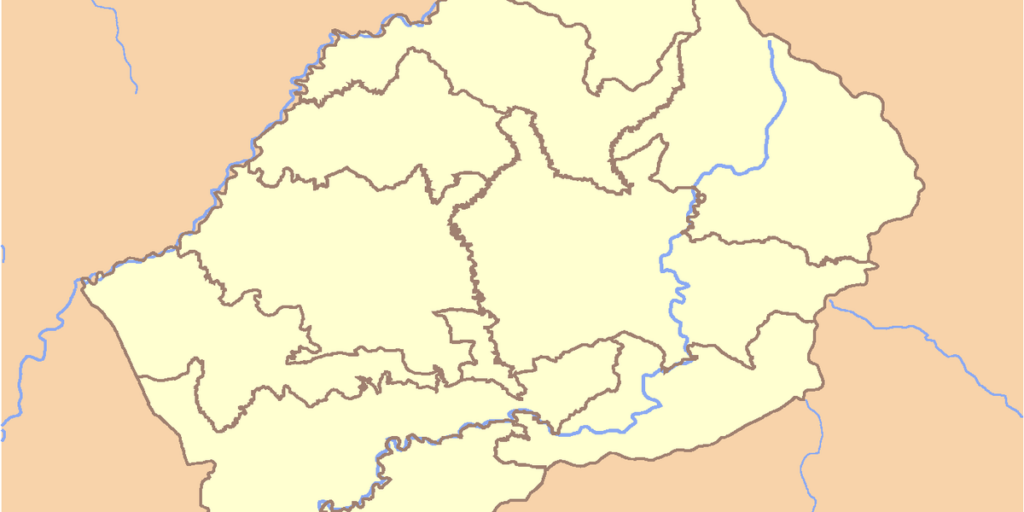
In 2022 Lesotho reported a sharp uptick in reported urban thefts and assaults in several towns—trends that contradict the common perception of the country as uniformly quiet and rural. Lesotho is a small, landlocked kingdom of roughly 2 million people, and its population is steadily urbanizing as services, trade and cross‑border work draw people into towns (see Lesotho Bureau of Statistics).
An urban-focused safety discussion matters: residents, cross‑border traders, aid workers and visitors all move through the same markets, taxi ranks and transport corridors where incidents cluster. This piece ranks seven towns and cities by relative safety risks, explains local drivers such as economic pressure and policing gaps, and offers practical precautions for daily life and travel.
H2: Urban crime patterns and hotspots
When asked which are the most dangerous cities in Lesotho, police and local journalists point to clear spatial patterns: risk concentrates along transport corridors, at busy market centres and in fast‑growing peri‑urban neighbourhoods. These are places where people, cash and goods come together—creating targets and opportunities for offenders.
Common incident types include petty theft and pickpocketing in markets, armed robbery around banks and nightlife areas, taxi‑rank and minibus clashes, and domestic incidents that are amplified by alcohol or economic stress. Between 2019 and 2022 police reporting and media coverage flagged higher counts of urban theft and assault in several district towns (see Lesotho Mounted Police Service annual reports and local press for exact figures).
Seasonal and economic drivers matter: youth unemployment, casual “cash‑in‑hand” work, and spikes in cross‑border trade can push people toward opportunistic crime. Data quality varies across districts, so it’s best to consult police annual reports, the UNODC and the Lesotho Bureau of Statistics when citing specific rates.
1. Maseru — capital with the largest share of urban crime
Maseru, as the capital and largest urban area, consistently records the highest number of reported incidents in Lesotho; the city proper is home to roughly 330,000 people and concentrates banks, formal markets, nightspots and transport hubs. That density creates targets for a range of crimes from pickpocketing in crowded markets to armed robbery near commercial districts.
Police hotspot listings (see Lesotho Mounted Police Service annual report) typically point to the central business district, Roma Road and the main bus/taxi ranks as higher‑risk zones. Vehicle break‑ins and opportunistic theft from parked cars are routine concerns in busy shopping areas.
Practical steps: avoid walking alone after dark in poorly lit streets, use licensed taxis or ride‑hail services where available, keep valuables concealed, and park in guarded lots. Residents often use visible security measures—grilles, bars and community watches—to make a difference.
2. Leribe (Hlotse) — border-adjacent pressures and smuggling-related incidents
Hlotse, the main town in Leribe district, sits close to the South African border and sees elevated risk linked to active cross‑border commerce. High volumes of people and goods create enforcement challenges and occasional smuggling‑related activity that complicates policing priorities.
The transport routes and informal trading areas around the border concentrate vehicle break‑ins and opportunistic thefts, and authorities sometimes report seizures and enforcement actions tied to illicit trade. Local reporting is the best source for incident details; check border‑control statements and district police updates for specifics.
Visitors and traders should secure cargo, avoid leaving valuables visible in vehicles when crossing, and be mindful of crowded border markets. District population and crossing statistics from the Lesotho Bureau of Statistics offer helpful context when assessing local pressure points.
3. Teyateyaneng — peri-urban growth and rising petty crime
Teyateyaneng (T.E.Y.) has expanded quickly in recent years, with housing and informal commerce outpacing infrastructure and policing capacity. That mismatch tends to raise petty‑crime rates around markets, commuter routes and dense residential blocks.
Local police commentary and community reporting often highlight youth‑related offenses, motorbike theft and small‑scale robberies near bus stops. Market vendors and schoolchildren are among the groups most affected by pickpocketing and snatch‑theft.
Practical measures include secure bicycle/motorbike parking, joining or forming neighbourhood watch groups, and encouraging better street lighting through municipal channels. Community‑led prevention can reduce incidents noticeably.
H2: Mid-sized towns with concentrated risks
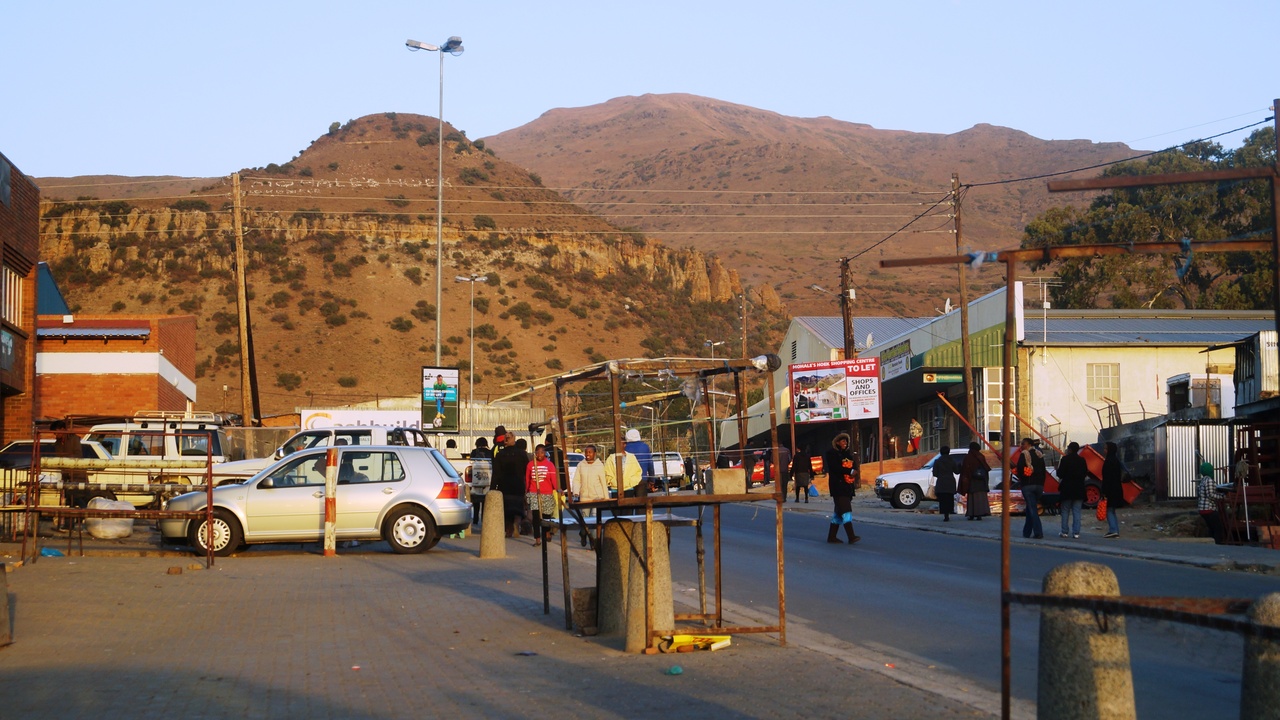
Some mid‑sized district towns show higher incident rates relative to population because a single economic shock or a transit route can affect a large share of residents. Infrastructure gaps—poor street lighting, limited patrols and few secured public spaces—turn minor opportunities into recurring problems.
Smaller populations can therefore experience high per‑capita incident levels even when absolute numbers are modest. Analysts often compare incidents per 10,000 residents across districts to spot these patterns; district police statistics and NGO safety assessments are the best sources for those comparisons.
Mafeteng and Mohale’s Hoek typify the category: both are important local service centres where economic stress or transit flows produce outsized impacts on security and daily life.
4. Mafeteng — economic stress and property crimes
Mafeteng serves as a district hub where local economic pressure—job losses or shrinking informal trade—has correlated with rises in property crime. Small businesses and homeowners report increased burglaries and break‑ins during tougher economic seasons.
District unemployment and income figures from the Lesotho Bureau of Statistics help explain local trends; when household cash is tight, thefts against shops and residences often climb. Market stalls and unlit streets are common incident locations cited in local reporting.
Local responses include installing basic security (locks, bars), forming trader associations, and lobbying for better street lighting. Those low‑cost measures are among the most effective short‑term deterrents.
5. Mohale’s Hoek — transit routes and opportunistic crime
Mohale’s Hoek sits on important internal routes, and transport activity there creates predictable vulnerabilities: theft from parked vehicles, robberies of passengers at isolated stops and opportunistic attacks near truck or bus terminals. Truck‑stop and roadside markets concentrate both goods and potential offenders.
Transport and goods‑movement patterns (noted in district police advisories) explain why drivers and long‑distance passengers are frequent targets. Securing cargo, avoiding isolated night stops and coordinating with transport unions reduce risk for commercial operators.
If you drive long distances through the district, plan stops at well‑lit, guarded service points and travel with documented schedules when possible; those simple practices cut exposure substantially.
H2: Southern districts and small towns with localized dangers
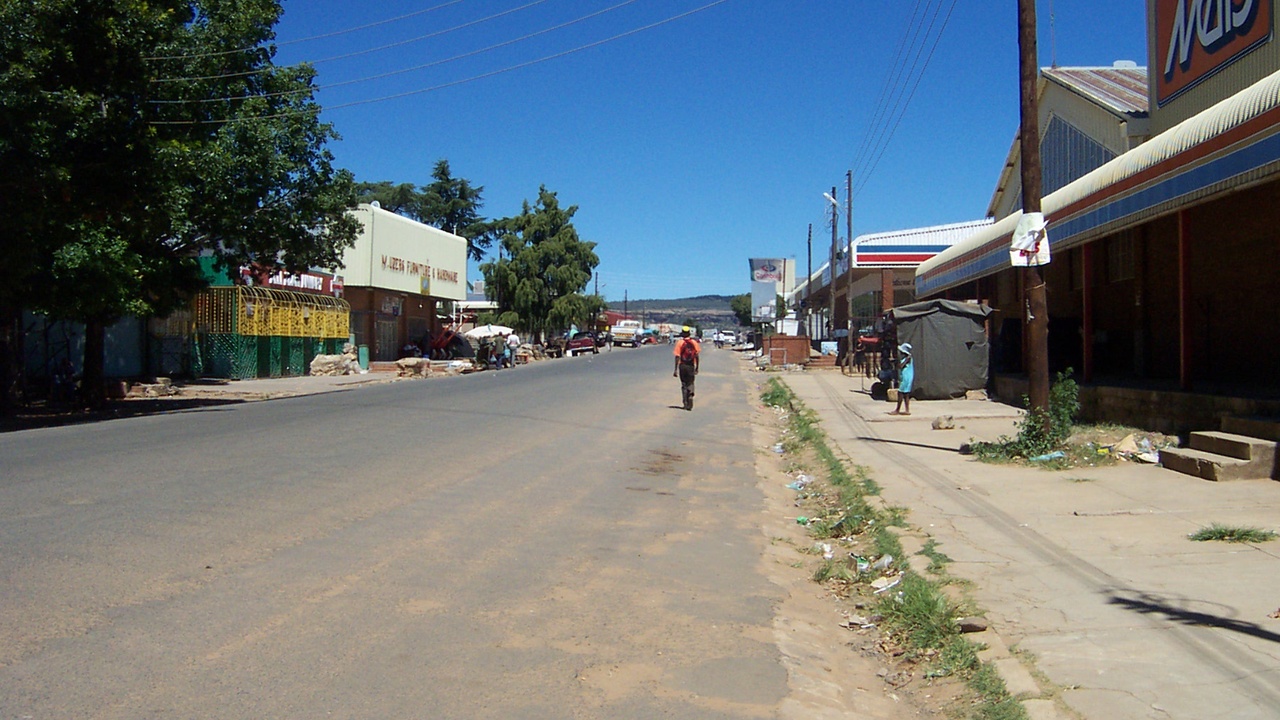
A small number of southern towns register safety concerns tied to remoteness, limited policing capacity and seasonal hardships. Absolute incident counts may be low, but per‑capita risk or the practical impact of a single incident can be high because emergency response times are longer and services are sparse.
Common rural drivers include alcohol‑related violence, domestic disputes and livestock theft. Agricultural cycles and seasonal migration also alter local threat levels, so timing matters for both residents and NGOs planning interventions.
Quthing and Qacha’s Nek are two towns that typify these dynamics; district population figures and police summaries provide useful context when assessing local vulnerability and response capacity.
6. Quthing — remote access and delayed response times
Quthing’s remoteness means police and emergency services can take longer to arrive, increasing the consequences of thefts, disputes or health emergencies. That distance to key response centres is a practical risk multiplier for residents and visitors alike.
Where available, district reports note distances and terrain as factors in delayed response; travelers should plan accordingly by carrying emergency contacts, basic first‑aid kits and a charged phone with local SIM access. Communities often rely on informal mutual‑aid networks for rapid support.
Typical incidents include livestock raids and interpersonal disputes that escalate when help is slow. If you’re travelling through Quthing, avoid isolated night travel and make check‑in plans with hosts or colleagues.
7. Qacha’s Nek — seasonal pressures and social tensions
Qacha’s Nek experiences seasonal spikes in pressure—post‑harvest movements, drought effects and temporary labour flows—that can change crime patterns month to month. These seasonal dynamics can produce short windows of higher opportunistic theft and social tension.
District economic indicators and NGO reports often highlight these cycles; for instance, migration tied to seasonal work can swell local markets and strain services, creating more targets and fewer resources to address incidents. Local police note periodic surges rather than a steady high rate.
For residents and organizations the practical implication is to time community‑safety initiatives and awareness campaigns around known high‑risk months, and for travellers to avoid isolated stops during peak movement periods.
Summary
- Urban hotspots concentrate risk around transport corridors, markets and nightlife; economic stress and youth unemployment often amplify incidents.
- Absolute counts (city totals) and per‑capita risk tell different stories: small towns can feel more dangerous because services are thin and response times long.
- Practical precautions reduce exposure: use registered taxis, keep valuables out of sight, secure vehicles and cargo, travel with a plan and support neighborhood watches.
- Consult official sources—Lesotho Mounted Police Service reports, the Lesotho Bureau of Statistics and local reporting—before travel, and consider local seasonal dynamics when planning visits to specific towns.
- Check official advisories and local reporting about the most dangerous cities in Lesotho before travel, and support community safety programs that strengthen lighting, policing and informal neighbourhood response.