Oman’s overall crime and violence rates remain low by global standards, yet official reports show that traffic collisions, workplace incidents, and seasonal floods concentrate harm in specific towns and corridors each year (see Royal Oman Police and the National Centre for Statistics and Information for regional breakdowns).
This guide identifies eight cities where residents, workers, or visitors encounter higher-than-average safety risks and explains why those hazards occur. For each place you’ll find the primary dangers, the kinds of data sources that track them, and practical steps to reduce exposure—useful whether you’re travelling, working in a project zone, or planning routes across the country.
Read on for focused, actionable advice for urban and industrial zones, remote highways, and coastal or border towns where seasonality and geography change the safety equation.
Urban & Industrial Hazards
Dense population centers, major ports and free zones, and fast-moving construction drives create concentrated risk profiles: workplace accidents, construction injuries, and high-frequency urban collisions. Many incidents are non-criminal—think falls, vehicle strikes, or cargo-handling accidents—so authoritative sources like the NCSI, the Royal Oman Police, the Ministry of Labour, and port authorities are the best places to check trends and incident reports.
Below are three cities where industrial activity and urban density raise the stakes, with concrete safety steps for residents, workers, and visitors.
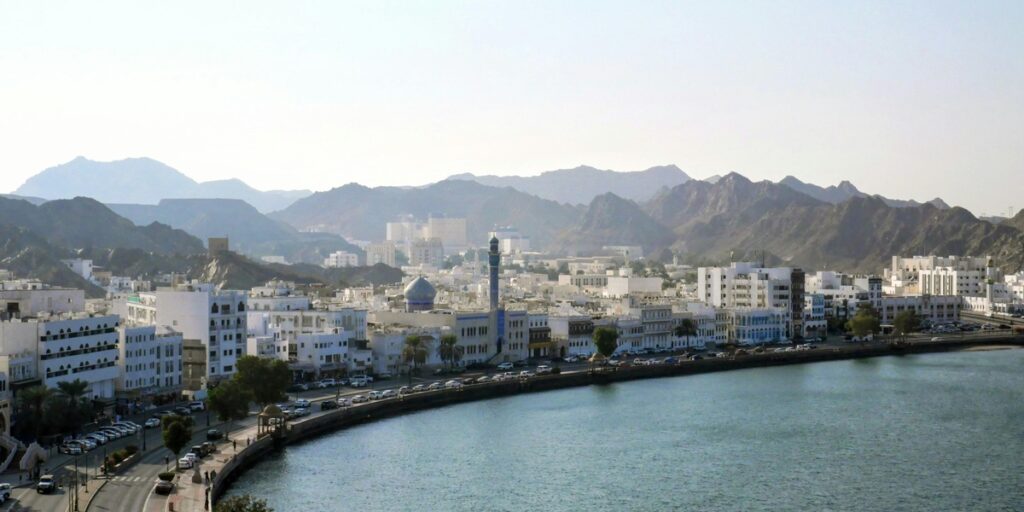
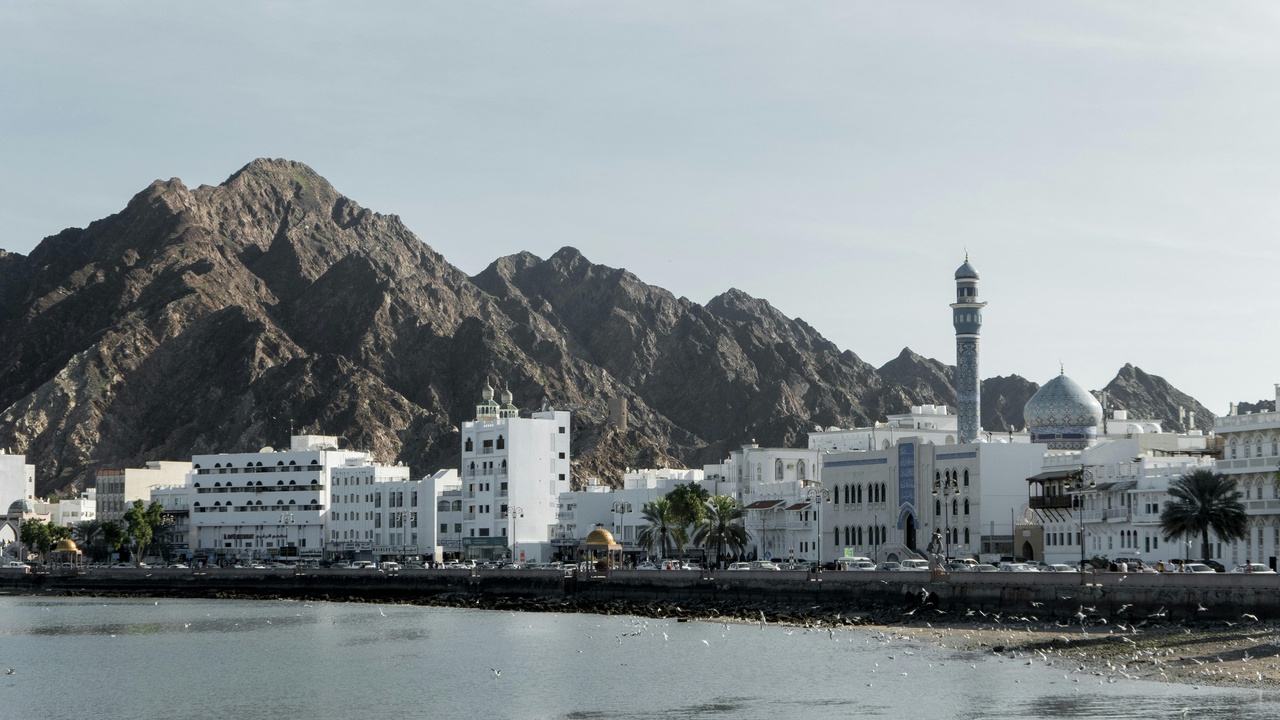
1. Muscat — Urban traffic and construction hazards
As the capital, Muscat concentrates commuters, commercial transport, and tourists—so vehicle density and construction near commercial districts produce frequent collisions and pedestrian risks.
Royal Oman Police traffic campaigns regularly target city corridors (for example, Sultan Qaboos Street) because rear-end, intersection T-bone, and pedestrian collisions are among the common incident types reported by city patrols.
Practical tips: avoid peak-hour corridors when possible, use mapped alternate routes, keep distance to reduce rear-end risk, wear helmets on motorcycles, and give construction fencing and temporary worksites a wide berth.
2. Sohar — Port traffic and industrial safety risks
Sohar’s Free Zone and port operations mean heavy trucks, container movements, and industrial plants intersect with local roads and neighbourhoods.
Port of Sohar throughput and Ministry of Labour workplace reports identify cargo-handling incidents, vehicle-pedestrian forklift accidents, and occupational injuries as recurring safety concerns in and around the free zone.
Practical tips: if you work in or travel near the port, follow PPE requirements, observe posted port speed limits, participate in employer safety training, and avoid walking along heavy-vehicle routes after dark.
3. Duqm — Rapid development and worker-safety concerns
Duqm’s rapid industrial and port expansion has brought large construction projects and a transient workforce, creating hotspots tied to site safety, temporary housing, and unfinished access roads.
Development reports from Duqm authorities and labour-safety audits note common issues such as falls from height, unguarded openings, and vehicle rollovers on unpaved project roads, which can strain local emergency services.
Practical tips: insist on site induction and documentation before entering projects, use official transport rather than informal rides to work sites, and ensure employers provide standard PPE and emergency procedures.
Road Safety and Remote Route Risks
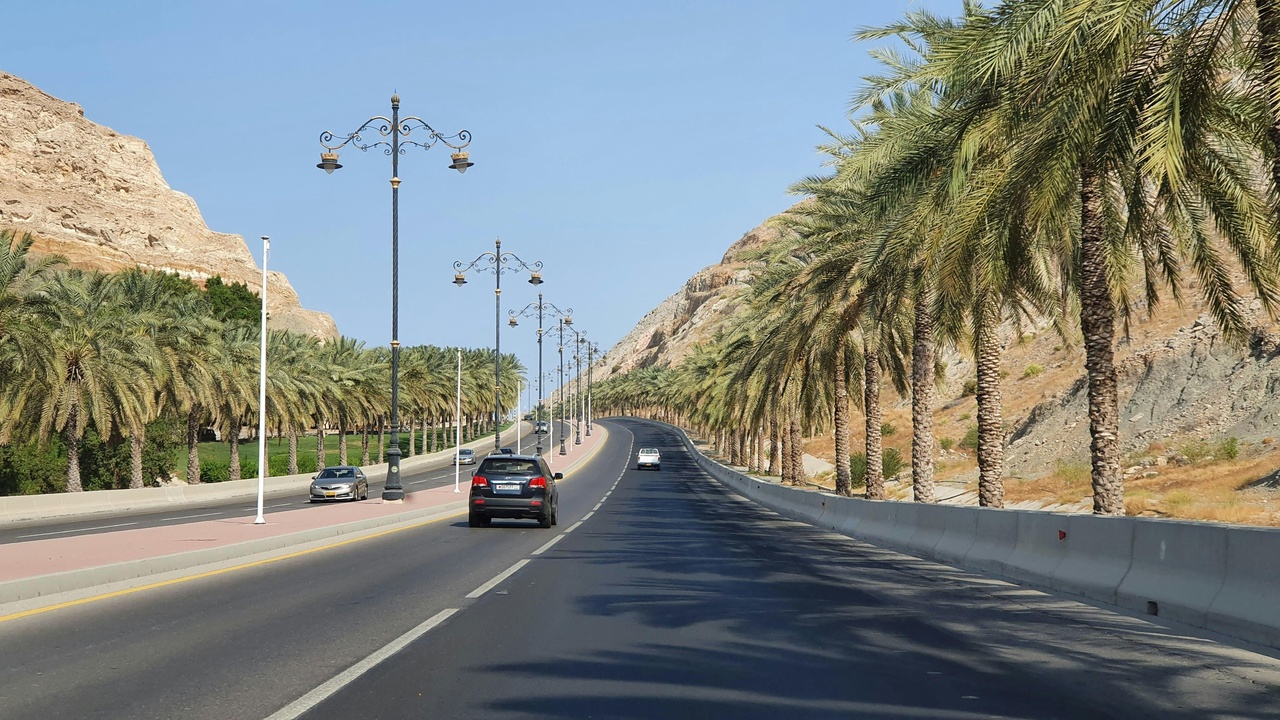
Long rural stretches, mountain passes, and desert highways change the severity profile of crashes: high speeds, limited lighting, animals on the road, sand drifts, and delayed rescue all raise fatality risk. The World Health Organization and national agencies highlight that a relatively small number of corridors account for a large share of road fatalities, so planning and preparedness matter.
The next three entries focus on inland routes where geometry, weather, and travel patterns create outsized danger for drivers and passengers.
4. Nizwa — Mountain roads and tourist-related accidents
Nizwa’s approaches include winding, narrow two-lane roads that attract sightseers headed for Jebel Akhdar and other scenic highlands, concentrating accidents on curves and steep gradients.
Regional ROP data and travel-advisory sources record run-off-road and head-on collisions on popular routes, often involving rental cars or buses unfamiliar with local braking requirements on descents.
Practical tips: check brakes before steep climbs, avoid night driving where shoulders are limited, observe posted speed limits, and allow slower traffic to pass on blind curves.
5. Ibri — Desert highways and car rollover incidents
Ibri lies on long desert transit routes where high-speed travel, sand on the carriageway, and sudden weather events like dust storms contribute to rollovers and multi-vehicle crashes.
Royal Oman Police summaries commonly list speed and driver fatigue among causal factors on these long-haul stretches, while local authorities sometimes close roads during severe sandstorms to prevent chain collisions.
Practical tips: carry an emergency kit (water, first-aid, blankets, phone charger), rest often to avoid fatigue, prefer 4×4 vehicles on soft-surface detours, and postpone travel during dust- or sandstorm warnings from the Oman Meteorology Authority (Oman Met).
6. Ibra — Rural roads, livestock, and limited lighting
Ibra’s rural network includes unlit stretches where livestock—especially camels—may cross without warning, increasing the chance of severe night collisions.
Municipal reports and ROP incident logs document animal-related crashes and note that poor signage and insufficient lighting are common contributing factors in these districts.
Practical tips: avoid night travel on unlit rural roads, drive at reduced speeds at dawn and dusk, wear high-visibility clothing if you walk near highways, and support community efforts to improve signage and fencing where possible.
Coastal, Flooding, and Border Hazards
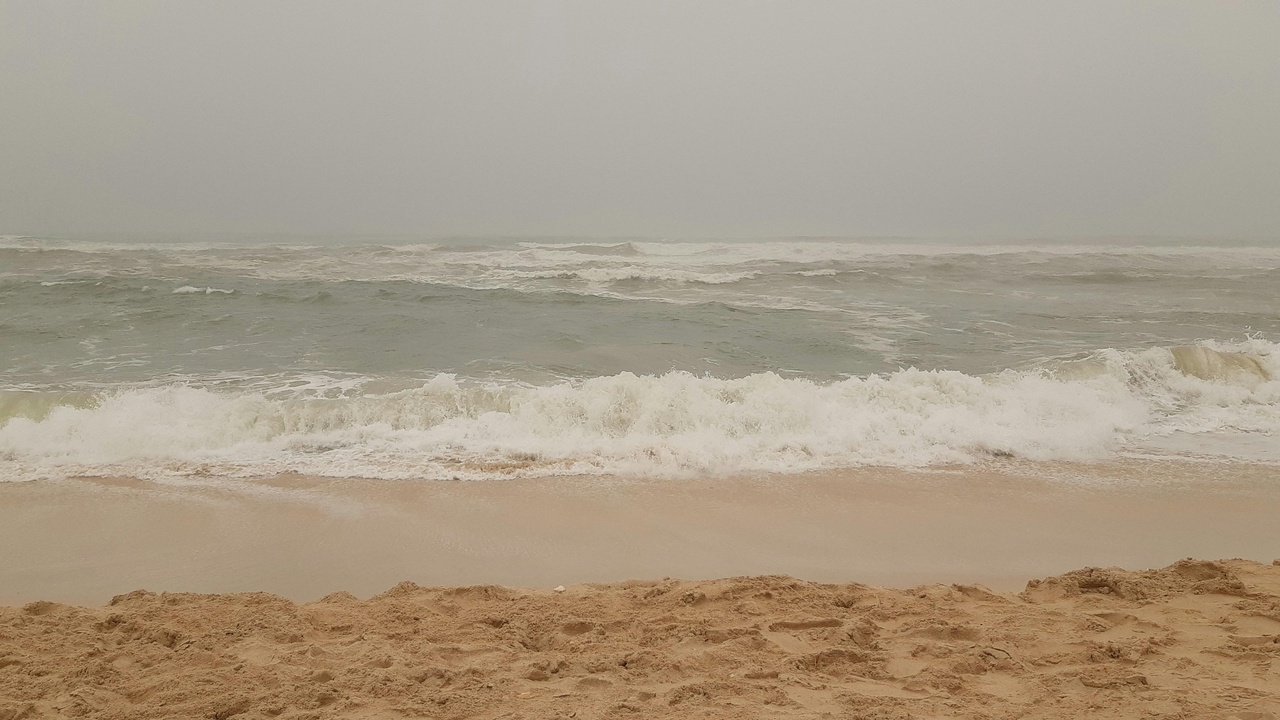
Coastal storms, seasonal monsoon impacts, flash floods, and cross-border dynamics near frontier towns create hazards that are both predictable and intense. Seasonality matters: authorities and rescue services prepare differently for Khareef in Dhofar than for dry-season desert risks.
Use Oman Meteorology warnings and local disaster reports to time coastal visits and fishing trips, and heed border-security advisories in frontier communities.
7. Salalah — Monsoon-season floods and coastal hazards
Salalah’s Khareef season draws large numbers of visitors to the Dhofar coast but also brings heavy rain, flash floods in wadis, slippery roads, and stronger coastal surf that increase drowning and vehicle-flood risks.
Oman Meteorology Authority rainfall records and local news reports document episodic flash floods during Khareef, and local emergency services typically increase patrols and closure notices during the season.
Practical tips: check weather alerts before heading into wadis, avoid off-road driving on steep wadis during rain, do not park on low-lying riverbeds, and follow posted warnings about unsafe swimming or rockfall-prone cliffs.
8. Al Buraimi — Border proximity and smuggling-related incidents
Al Buraimi’s border location next to the UAE introduces distinct security dynamics: informal crossings, smuggling routes, and occasional confrontations linked to cross-border crime and irregular migration.
Ministry of Interior and Royal Oman Police statements about border-security operations note arrests and checkpoints in border districts; these operations affect both local movement and the safety of informal travellers.
Practical tips: always use official border gates, keep travel documents readily available, avoid unofficial crossings, and follow ROP advisories regarding checkpoint procedures and area closures.
Summary
- Oman is generally safe, but specific cities and corridors have higher, data-backed risks: urban traffic and construction (Muscat, Sohar, Duqm), remote-route crashes (Nizwa, Ibri, Ibra), and seasonal/coastal or border hazards (Salalah, Al Buraimi).
- Major sources for real-time guidance include the Royal Oman Police, NCSI, and the Oman Meteorology Authority; consult them before travel or site visits.
- Simple, high-impact precautions reduce risk: obey local speed limits, use PPE and site inductions in industrial zones, avoid night travel on unlit rural roads, carry emergency kits for desert routes, and respect wadi and beach closures during Khareef.
- If you work or travel in cities with elevated risks, share situational alerts with family or employers and register with your organization’s safety contacts so emergency response can be faster.