A few Philippine cities have experienced spikes in violent incidents that put their homicide or serious-crime rates well above national averages — some after high‑profile sieges or mass‑casualty events. The Marawi siege (May–October 2017) and the Zamboanga siege (September 2013) remain benchmarks for how quickly urban safety can collapse; Marawi alone displaced around 350,000 people during and after the fighting.
This article ranks and explains twelve urban centers commonly named among the most dangerous cities in the Philippines, grouping them by the primary drivers of danger: Metro Manila violent‑crime hotspots, port and organized‑crime hubs, Mindanao insurgency and siege cities, and southern centers affected by clan feuds and targeted killings. Each entry includes concise context, available statistics or dates from sources such as the Philippine Statistics Authority (PSA) and public reports, an illustrative incident, and a practical takeaway for residents, travelers, investors, or policymakers seeking clearer situational awareness.
Cities with high violent-crime rates in Metro Manila
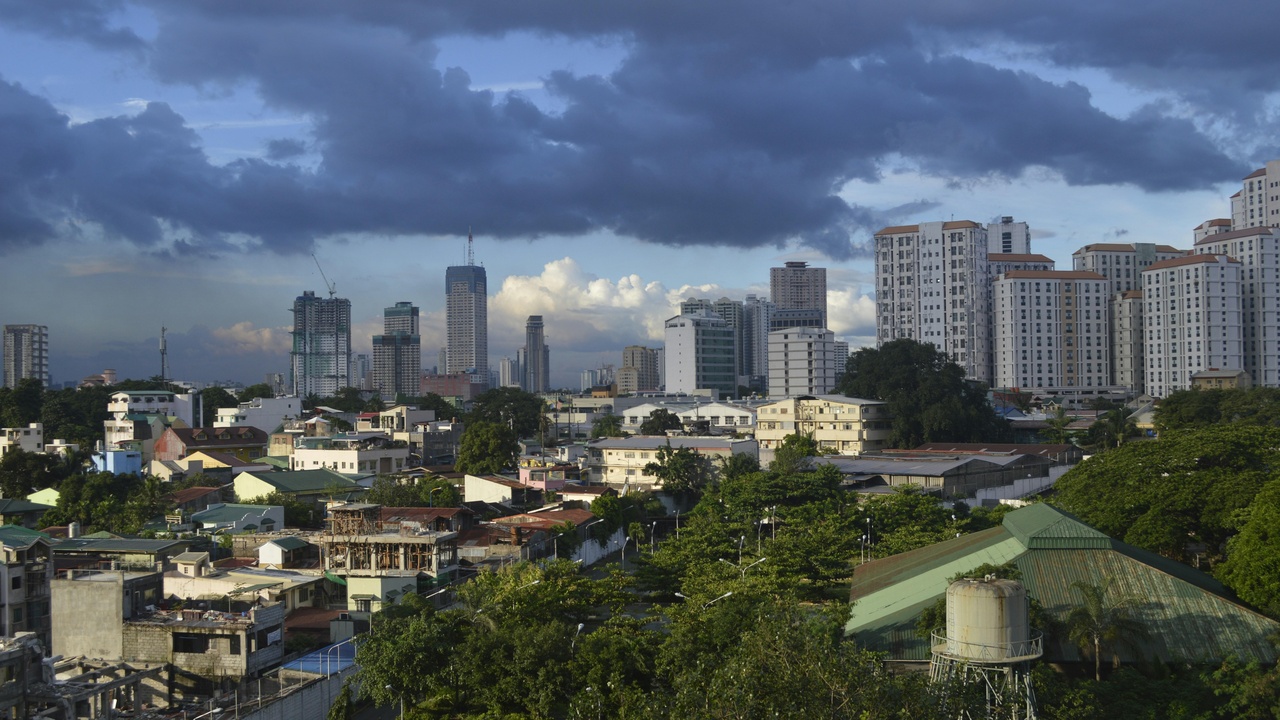
Metro Manila’s densely populated districts concentrate opportunities for theft, robbery, and violent confrontation. Poverty, informal settlements, and variable local policing combine with heavy commuter flows to create recurring hotspots. City‑level PNP and PSA reports regularly show wide variance across the metropolis, and transit corridors, markets, and late‑night entertainment areas are common incident locations.
Common cross‑cutting factors: high foot traffic raises opportunistic crime; drug‑related incidents and uneven community policing create neighborhood differences; and tourists or commuters are most exposed at transit hubs during evening hours.
1. Manila — Central business pockets and high-stakes street crime
Manila ranks here because dense markets, concentrated nightlife, and major transport hubs produce both petty and violent crime. Areas such as Tondo and Quiapo routinely appear in local reporting for higher incident counts of theft, robbery, and occasional aggravated assaults.
PNP city summaries (annual releases) show Manila among the higher‑reported localities for street robberies and thefts in recent years, reflecting its dense daytime and nighttime population.
Illustrative example: police operations in Tondo in 2023 targeted drug‑linked groups after multiple robberies were reported near public markets, demonstrating how enforcement follows incident clusters.
Safety takeaway: keep valuables concealed on crowded streets and use registered ride services at night; avoid isolated alleys around major markets after dark.
2. Caloocan — Frequent reports of violent incidents in dense residential zones
Caloocan’s large population and mix of residential and industrial neighborhoods produce recurring reports of violent crime. Limited street lighting and narrow lanes in older barangays raise risks for evening muggings and opportunistic raids.
Recent local press and PNP briefings have highlighted concentrated anti‑crime campaigns and periodic raids; those campaigns sometimes lower incident counts short term but displacement into neighboring barangays is a recurring problem.
Concrete instance: a mayor‑led crackdown reported in mid‑2022 focused on hot‑spot barangays and led to multiple drug‑related arrests and confiscations, aimed at reducing violent episodes tied to illicit markets.
Safety takeaway: favor well‑lit routes home, register emergency numbers with your barangay, and consider simple home‑security measures such as timed lighting and reinforced door locks.
3. Quezon City — Large population, mixed suburbia and nightlife
Quezon City is the country’s most populous city (PSA 2020 census: 2,960,048 residents), and size correlates with a wide spectrum of crime from petty theft to serious violence. Student districts, malls, and transport nodes create varied risk profiles across barangays.
City crime reports show clusters of robberies and assaults near major transit stations and university corridors; public‑space incidents often spike during shift changes and late evenings.
Example: spikes in robberies reported near an LRT transfer point prompted an intensified PNP/quezon city police patrol operation in 2021 and community safety briefings for students.
Safety takeaway: when visiting nightlife or student areas, travel in groups, keep backpacks closed and in front, and use brightly lit taxi stands or app‑based pickup points.
Port hubs and urban centers with organized-crime activity
Major ports concentrate both legitimate commerce and illicit flows. Organized‑crime groups exploit transient populations, tourist nights, and ferry terminals for smuggling, pickpocket networks, and fenced goods. Enforcement operations and court cases show periodic dismantling of rings, though displacement of actors to other neighborhoods is common.
Local authorities cite seasonal spikes — for example, festival periods — when both tourists and opportunistic offenders converge on a city.
4. Cebu City — Port activity, nightlife, and occasional violent incidents
Cebu City is a Visayas hub with heavy ferry and port traffic, a strong tourism draw, and a lively nightlife district. Those dynamics can correlate with organized theft, illicit drug markets, and late‑night violence near ferry terminals and entertainment strips.
Law‑enforcement campaigns, including PNP Cebu anti‑crime drives during major events like the Sinulog festival (held every January), have targeted pickpocket rings and illegal vendors; authorities sometimes report higher incident counts during festival weekends.
Concrete example: a coordinated PNP operation in January 2023 arrested individuals alleged to belong to a ring operating around ferry terminals and crowded festival sites.
Safety takeaway: secure luggage on ferries, avoid carrying large sums when attending festivals, and stick to licensed tour operators and hotel‑recommended routes at night.
5. Pasay — Transit hubs and entertainment districts draw opportunistic crime
Pasay’s airports, bus terminals, and entertainment precincts concentrate transient targets. Muggings and opportunistic thefts near transport nodes like bus depots and entertainment malls are the most reported incidents, occasionally escalating into violent confrontations.
Police initiatives around major venues such as the Mall of Asia area and airport approaches have aimed to improve lighting and CCTV coverage after public complaints about evening security.
Example: publicized patrol increases and temporary checkpoints near a major terminal in late 2022 followed several reported robberies on night buses.
Safety takeaway: when using intercity buses or airport shuttles, keep important documents on your person, sit in lit areas, and avoid showing expensive electronics on crowded walkways.
6. Parañaque — Nightlife clusters and gated-community contrasts
Parañaque combines affluent gated subdivisions with busy nightlife corridors and casino resorts. The contrast creates micro‑geographies of risk: gated areas often report low street crime while entertainment strips can see assaults or robberies tied to late‑night activity.
Local police statistics and barangay reports show the majority of complaints come from property crimes and nightlife‑related conflicts rather than sustained insurgent or organized‑crime campaigns.
Concrete example: a nightclub‑area crackdown in 2021 resulted in several arrests for robbery and vice‑related offenses near entertainment clusters and casino shuttle stops.
Safety takeaway: residents in mixed neighborhoods should use community watch systems, while visitors should leave valuables in hotel safes and avoid walking alone from late‑night venues.
Mindanao cities affected by insurgency and siege events
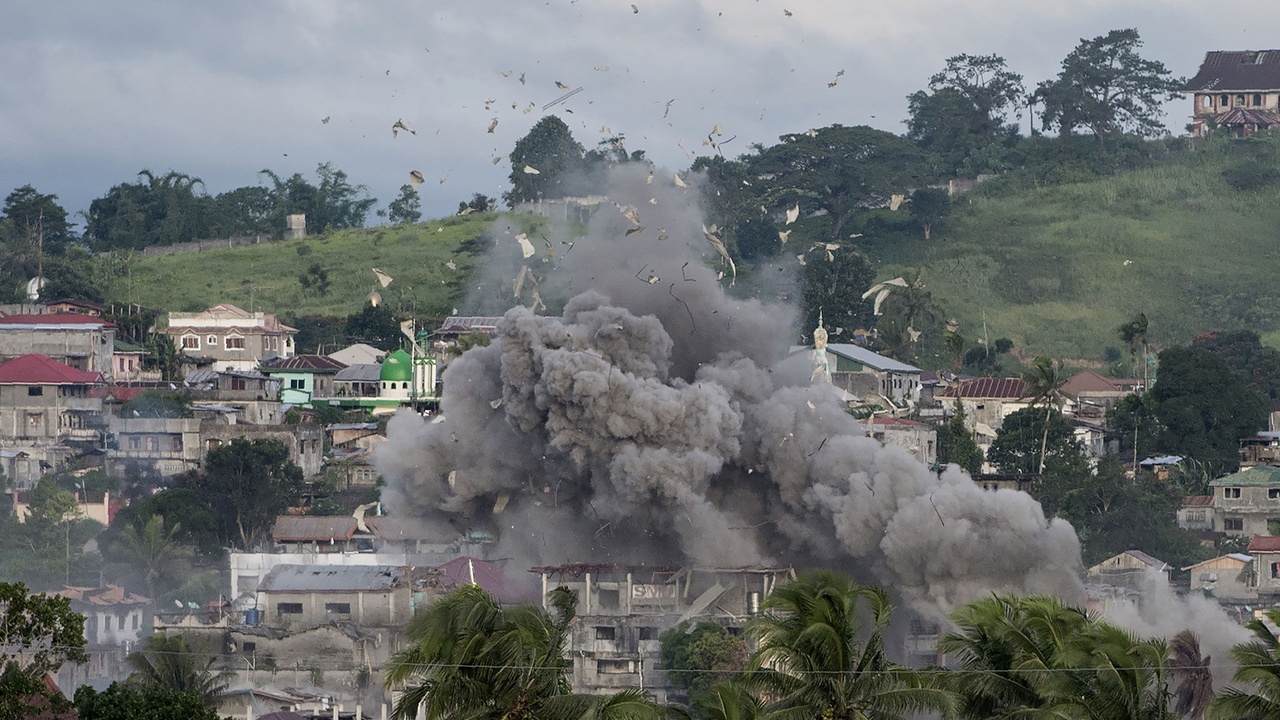
Mindanao has endured insurgency, terrorist attacks, and urban sieges that produce concentrated spikes of extreme violence. Sieges leave lasting humanitarian and infrastructural impacts, altering population patterns and local security postures for years. Reconstruction, de‑radicalization programs, and national security operations shape risk trajectories over time.
These cities illustrate how episodic conflict events — rather than steady street crime — can define a locality’s reputation for danger.
7. Marawi — Siege and aftermath
Marawi experienced an extended urban battle between state forces and insurgents from May to October 2017, leaving the city extensively damaged. Official and UN figures estimated tens to hundreds killed in combat and around 350,000 people displaced at peak emergency response.
In the aftermath, security checkpoints, restricted‑access zones, and phased reconstruction efforts have shaped return patterns. Reconstruction milestones — such as the opening of select resettlement sites in 2021–2023 — indicate progress but many residents still face housing and livelihood challenges.
Practical guidance: aid workers and visitors should coordinate with provincial authorities and national agencies, expect checkpoints and travel restrictions, and verify clearance procedures before entering reconstruction zones.
8. Zamboanga City — Historic siege and ongoing localized incidents
Zamboanga’s 2013 siege (September 2013) displaced roughly 119,000 residents and left neighborhoods damaged. The episode reshaped local security planning and port operations for years, and port‑city dynamics continue to influence risk, especially for ferry routes to conflict‑affected islands.
Post‑siege, authorities have carried out reconciliation and policing operations with variable success; localized clan clashes and armed incidents continue to surface in news reports, affecting commerce and inter‑island travel.
Safety takeaway: travelers and suppliers should monitor maritime advisories for the Sulu Sea and coordinate with shipping lines and local authorities before crossing to outlying islands.
9. Cagayan de Oro — Urban violence and occasional bombings
Cagayan de Oro has suffered episodic targeted attacks, including past bombing incidents that affected markets and public spaces. Such events leave a long‑term cautionary legacy, prompting heightened patrols around night markets and transport nodes.
Authorities often respond with temporary security clamps and increased CCTV and checkpoint deployments after such incidents to restore public confidence in commercial districts.
Safety takeaway: avoid crowded, poorly supervised areas after sunset; follow local advisories and heed police requests to avoid certain streets during heightened alert periods.
Southern urban centers with clan feuds, targeted killings, and sudden violence

In southern and some Visayan cities, lethal outbreaks often stem from clan disputes, targeted assassinations linked to local politics, and sudden gang violence. Drivers include land and resource rivalries, illicit local economies, and rivalry among political networks. Community responses, barangay peace accords, and local policing determine how risk is managed on the ground.
10. General Santos — Port city with episodic clan violence
General Santos is a major fishing and port hub in the south; episodic violence tied to clan disputes and criminal groups has affected markets and waterfront communities. Incidents can interrupt fish trade and market access, harming livelihoods.
Local media and police reports document intermittent arrests and operations aimed at disrupting violent groups, with occasional high‑profile cases in recent years that drew regional attention.
Safety takeaway: market vendors and transport workers should register with local watch groups, report threats to authorities early, and take basic cash‑management precautions at peak trading times.
11. Bacolod — Rapid urban growth with occasional targeted crimes
Bacolod’s fast urbanization and economic growth have sometimes outpaced security infrastructure. Targeted attacks and property crimes occasionally surface, including incidents reported during busy public events.
Large public events such as the MassKara Festival (held annually in October) require layered security; police often issue advisories and boost patrols during those periods to mitigate theft and crowd‑related incidents.
Safety takeaway: festivalgoers should use official entry points, keep valuables secure, and follow official crowd‑control instructions to reduce exposure to opportunistic crime.
12. Davao City — Complex safety profile with historic vigilance issues
Davao’s safety profile mixes comparatively low street‑crime statistics in many districts with a history of controversial, tough‑on‑crime measures and reported extrajudicial incidents that have drawn national attention. That history shapes perceptions among migrants, investors, and tourists.
Recent PNP statistics show fluctuating homicide and serious‑crime rates by barangay; national and international reporting has documented past vigilante‑style enforcement that led to policy scrutiny and reforms in the 2010s and early 2020s.
Safety takeaway: newcomers and business visitors should register with local business chambers, rely on reputable transport and accommodation providers, and monitor official advisories instead of rumors.
Summary
Key takeaways from this review of dangerous urban centers in the Philippines:
- Different drivers explain local risk: Metro Manila hotspots are often linked to density and informal economies, port cities to organized networks and transient targets, and Mindanao cities to insurgency and past sieges.
- Historic sieges — notably Marawi (May–Oct 2017) and Zamboanga (Sept 2013) — produced long‑term displacement and infrastructure damage that continue to shape safety and reconstruction priorities.
- Local policing strategies, barangay initiatives, and targeted enforcement campaigns change incident patterns but can also displace criminal activity geographically; community programs matter.
- Practical actions: avoid poorly lit areas at night, use trusted transport and accommodation, register with local authorities or employers when traveling for work, and consult up‑to‑date PNP or PSA releases for the latest city crime figures.