Namibia’s national crime reports have recorded spikes in urban violent crime and road fatalities in recent years—figures that catch the attention of residents and visitors alike. The Namibian Police Force 2022 annual report and subsequent district releases show clear concentrations of robberies, assaults and crash fatalities around major towns, which matters for everyday safety, travel planning and how authorities allocate resources.
City-level analysis helps residents, tourists and policymakers target prevention: local policing, community-watch programs and road-safety campaigns work best when tailored to hot spots. This piece profiles eight towns commonly cited for higher rates of violent crime, property crime, or transport-related danger, and it draws on the Namibian Police Force annual report (2022), UNODC context where relevant, and local news reporting.
Below are profiles of eight places—from capitals and ports to border hubs and remote transport towns—followed by practical safety tips and source pointers for staying informed about the most dangerous cities in namibia.
Urban centers with higher reported violent crime
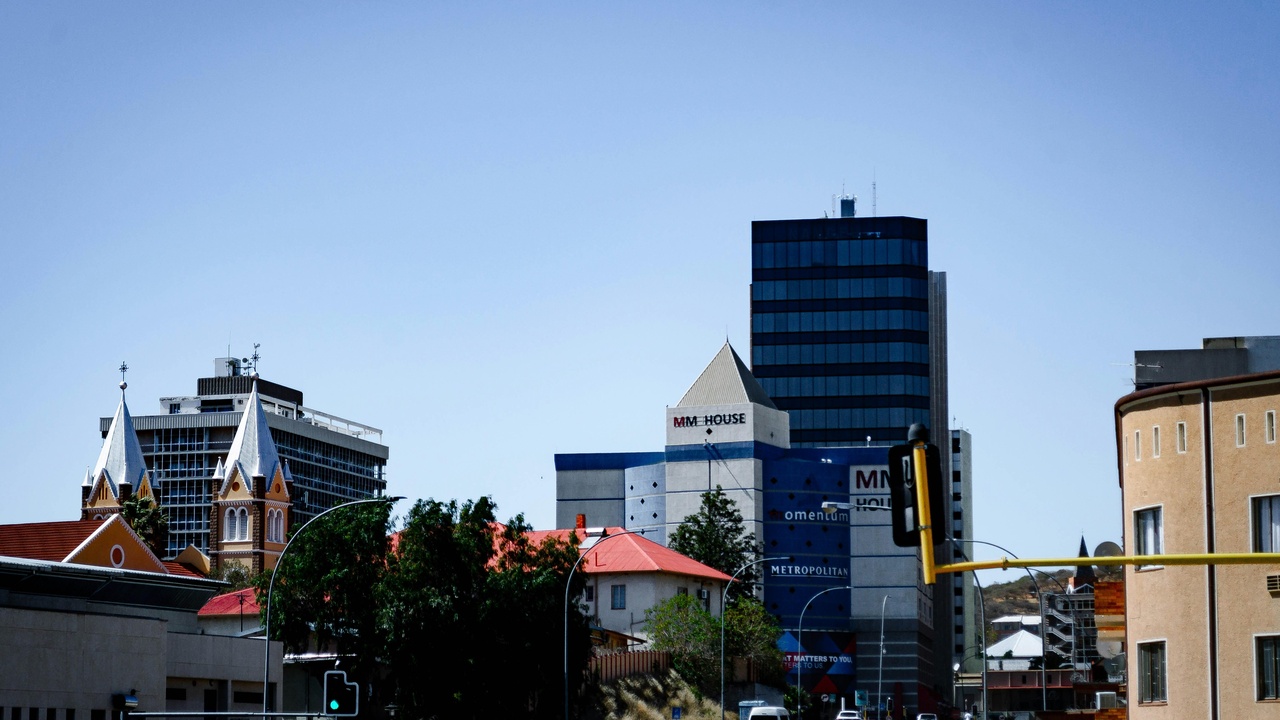
Larger urban centres concentrate people, services and nightlife, and they often show higher totals of violent and property crime in national statistics. Informal settlements, crowded transport nodes and late-night entertainment districts create more opportunities for robbery, assault and vehicle-related theft. The Namibian Police Force 2022 report highlights that metropolitan districts reported higher counts of serious offences than many rural districts, and police divisions around major towns regularly record above-average rates of reported robbery and assault compared with national per-capita figures.
Police resourcing can lag behind population growth in capitals, which leaves gaps in patrol coverage in outlying suburbs and informal settlements. Nighttime activity around taxi ranks, bars and bus terminals further concentrates risk, especially for pedestrians and solo travellers.
1. Windhoek — Namibia’s capital and crime concentration
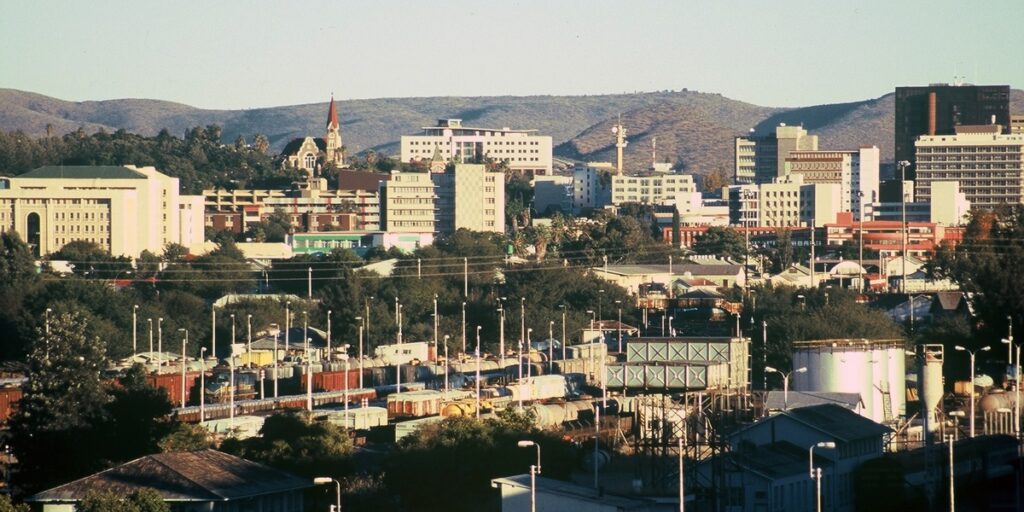
Windhoek, as the capital and largest city, often reports the highest totals of violent and property crime in Namibia. The greater Windhoek area has a population in the low hundreds of thousands, which concentrates both targets and offenders and drives higher absolute crime totals in the Namibian Police Force 2022 annual data.
Crimes tend to cluster in the central business district, southern suburbs and surrounding informal settlements, with many robberies and assaults occurring at night or near transport hubs. Local news outlets have reported several high-profile street robberies and occasional armed hold-ups in recent years (Police press releases, 2022–2023).
Practical advice: avoid walking alone after dark in poorly lit areas, keep phones and wallets concealed, park in secured areas and use licensed taxi services for late trips.
2. Walvis Bay — Port activity and traffic-linked crime
Walvis Bay’s port and logistics activity draws a transient workforce and long-distance truck traffic, which raises property-crime risk in port precincts and along trucking routes. The port handles the bulk of Namibia’s container throughput, and that concentration of goods and people creates opportunities for opportunistic theft and smuggling-related offences.
Police reports and local coverage have documented thefts from trucks and cargo yards as well as robberies targeting drivers on the outskirts of the town (Namibian Police Force district statements, 2022). Community policing initiatives around the harbour have tried to curb those trends.
Safety tips for truckers and travellers: secure cargo, avoid stopping in remote lay-bys at night, share your route with a colleague and use formal rest stops where possible.
3. Oshakati — Regional hub with social and economic pressures
Oshakati serves as a northern administrative and commercial centre, concentrating market activity, services and commuting populations. Police district data have shown periodic rises in reported assaults and domestic-violence cases, reflecting local socioeconomic pressure and a large youth population in need of employment.
Market areas and taxi ranks are common sites for pickpocketing and street-level theft; local radio and newspapers have detailed policing operations aimed at reducing petty crime during market days (local reporting, 2022–2023).
Advice for shoppers and market visitors: keep small carry items secure, avoid displaying cash, travel in daylight where possible and use trusted transport for evening returns.
Border and northern towns: cross-border pressures and informal trade
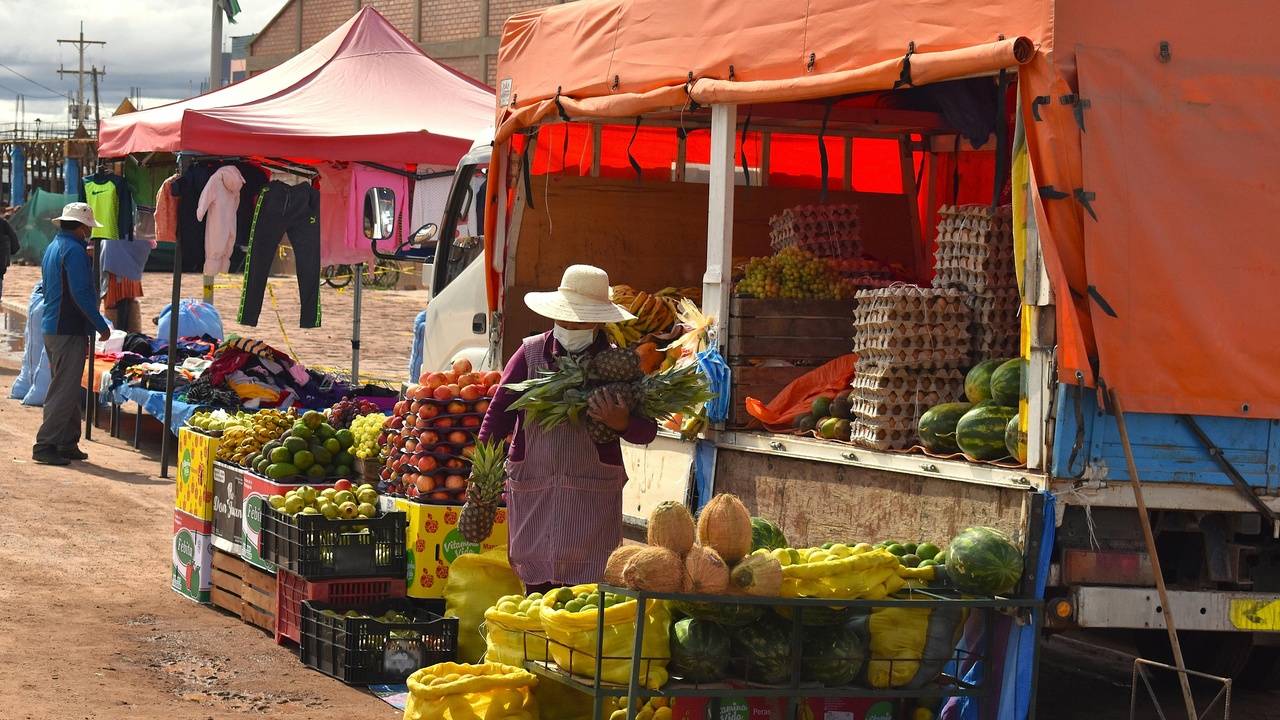
Towns near international borders handle high volumes of informal trade, frequent crossings and seasonal market surges, which can increase smuggling, cross-border theft and sometimes violent confrontations. Regional UNODC and Namibian Police Force statements have noted spikes in smuggling-related arrests in border districts during peak trading months, and police capacity is often stretched in riverine and remote border terrain.
These locations tend to see seasonal shifts in crime tied to festivals, harvests and trading fairs, and local stakeholders frequently request additional resourcing during peak periods.
4. Rundu — River border town with smuggling and theft concerns
Rundu sits on the Kavango River and functions as a gateway for cross-border trade with Angola. Informal river crossings and busy markets create opportunities for smuggling and petty theft, and police operations targeting illicit trade have been reported periodically (Namibian Police Force district reports, 2022).
Market precincts and river landing points are where most petty thefts occur; occasional confrontations arise when smuggling operations are intercepted by authorities. Traders and travellers should document goods, lock vehicles and avoid unlit river crossings after dark.
5. Katima Mulilo — Gateway to Zambia and localized violent incidents
Katima Mulilo is a small but busy hub on the Zambezi corridor, linking Namibia with Zambia. Transit flows and ferry/bridge crossings increase encounters between travellers and opportunistic criminals, and district police updates have recorded upticks in robberies targeting lone motorists and small-business theft during busy cross-border periods (Police statements, 2022–2023).
Local enforcement often runs seasonal patrols near crossings and markets; travellers are advised to keep travel documents and valuables secure, use official border points and avoid isolated stops along the riverbank.
6. Ondangwa — Transport hub where petty crime and assaults occur
Ondangwa’s role as a transport and commercial centre concentrates commuters, taxi ranks and informal markets, which can make it a focal point for petty robberies and occasional assaults. Local reporting has highlighted incidents at busy taxi ranks and along market corridors, prompting community policing responses (local news reports, 2022).
Commuters should remain vigilant at busy stops, avoid isolated waits after dark and use registered taxis or shared transport services when possible. Community-watch groups often coordinate with local police to reduce nighttime incidents.
Coastal and southern transport towns: road danger and isolated risks
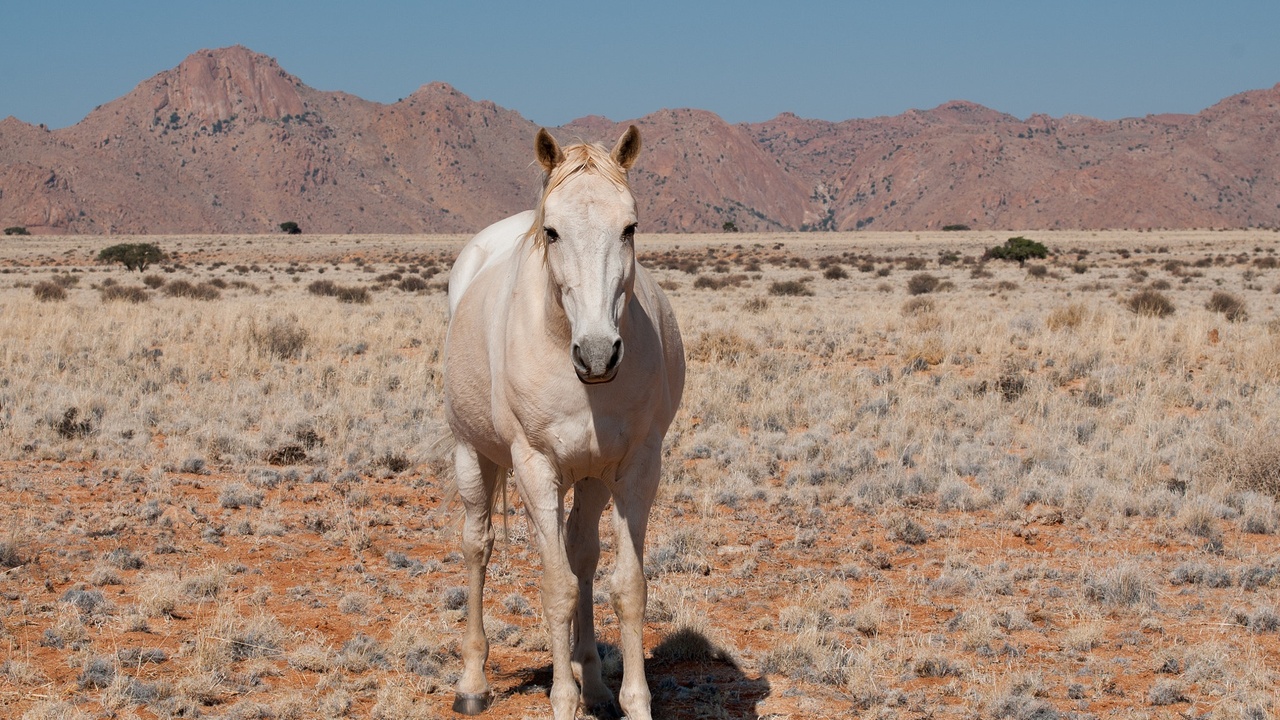
Long-distance highways, seasonal tourism and mining operations create specific safety challenges in coastal and southern towns: higher road-fatality rates on remote stretches, opportunistic robberies where vehicles break down, and crime patterns that shift with mining or tourism seasons. Namibian Roads Authority and police crash data (referenced in police and road-safety bulletins, 2022) point to sustained concerns about fatalities on trunk routes.
Isolation also increases vulnerability after an incident, because emergency response times can be longer and local stations may be small.
7. Keetmanshoop — Transport corridors and highway robbery risks
Keetmanshoop sits on major southern routes and functions as a staging point for long-haul traffic. Highway crashes and opportunistic robberies near rest stops have been recurring concerns in police advisories, and stranded motorists can be especially vulnerable in remote sections of the B1 and connecting roads.
Long-distance drivers should maintain phones and chargers, plan travel during daylight hours, travel in convoys where possible and register trip plans with contacts or local authorities if passing through isolated stretches.
8. Lüderitz — Coastal isolation, seasonal crime spikes, and thefts
Lüderitz is a scenic coastal town with seasonal visitor peaks that can lead to temporary rises in petty theft and burglaries of holiday properties. The town’s remoteness means police resources are limited compared with larger centres, and local police statements have previously warned residents to secure holiday accommodations during festival and peak-tourism periods.
Visitors should use reputable accommodation providers, secure valuables when away from rental properties and report suspicious behaviour to local police promptly.
Summary
Across Namibia, danger clusters around urbanization, transport corridors, border trade and isolated towns with limited emergency response. Using up-to-date police statistics and local intelligence is the most reliable way to track trends and target prevention.
- Common drivers: concentrated populations and informal settlements in cities, transient port and trucking populations, cross-border market flows, and remote highways all raise different types of risk.
- Data matters: consult the Namibian Police Force annual report and local district releases for the latest crime and crash figures before travel or policy decisions.
- Practical actions: keep valuables out of sight, avoid isolated stops at night, use licensed transport, share trip plans, and engage with community-policing groups where available.
- Stay informed: check current travel advisories, follow local news and register concerns with police if visiting high-traffic border or transport hubs.