10 Reasons to Visit Kuwait
Kuwait’s seafaring past shaped a prosperous pearl-diving economy in the 18th and 19th centuries, leaving a cultural legacy that’s still visible in museums, souqs, and island ruins.
Kuwait combines a deep maritime heritage, striking modern architecture, accessible nature escapes, and warm Gulf hospitality—ten compelling reasons to add the country to your travel list. If you think of Kuwait only as an oil producer, the coastal towns, restored forts, and lively markets tell a different story tied to trade and craftsmanship.
Read on for cultural sites, contemporary cityscapes, island day trips, desert outings, plus where to eat and how visitors are welcomed. Next up: the living heritage you’ll find throughout the country.
Culture & Heritage
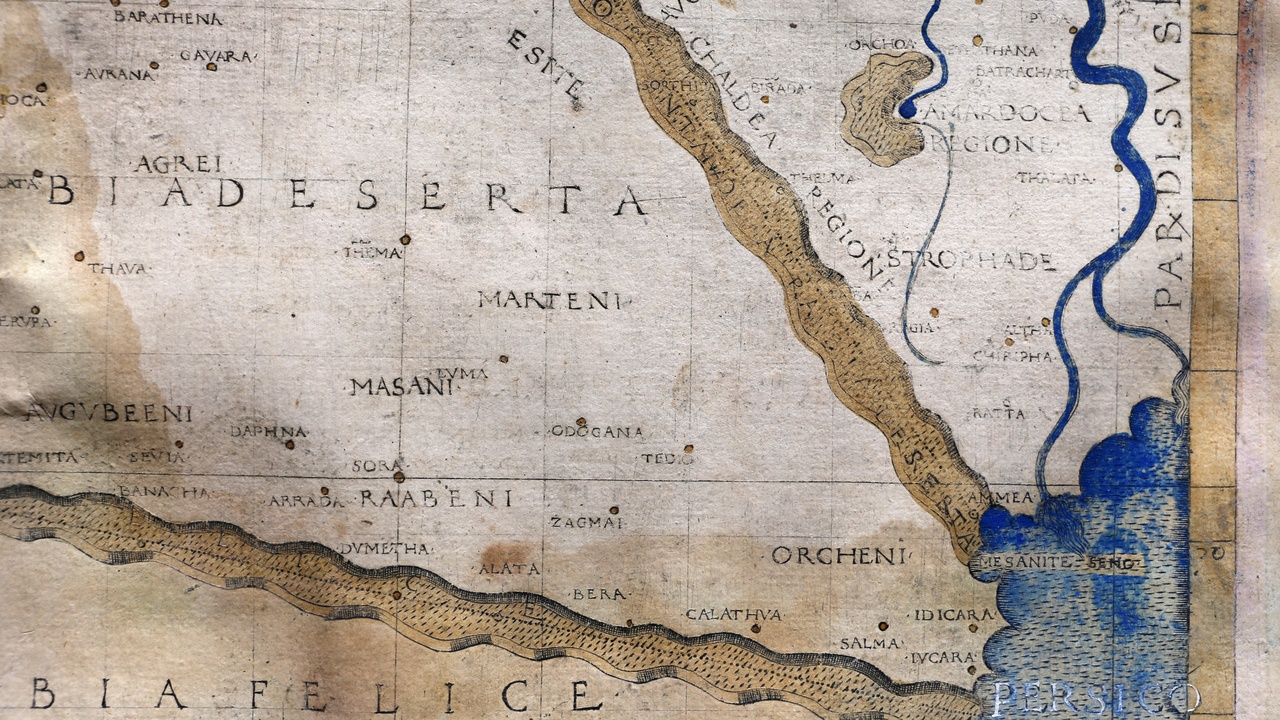
Kuwait’s identity was forged on the water: pearl-diving, boatbuilding and maritime trade shaped local life and left a rich material culture for visitors to explore.
1. Discover Kuwait’s Maritime and Pearl-diving Heritage
Kuwait’s coastal location produced a thriving pearl-diving and trading culture during the 18th–19th centuries, with whole communities organized around dhow fleets and the sea.
Failaka Island preserves archaeological layers that include Hellenistic (Greek-era) remains from around the 3rd century BC through Islamic-period settlements, making it one of the most intriguing island sites in the Gulf.
The Kuwait National Museum houses maritime artifacts and displays that explain boatbuilding, pearl-diving tools and traditional navigation methods; the museum complex dates from the late 20th century and remains the primary place to see these collections.
Practical tip: Failaka is reachable by a short ferry or private boat trip from Kuwait City—allow a half-day for the crossing and ruins, and confirm seasonal schedules with ferry operators before you go.
2. Visit Historic Souqs and Traditional Crafts
Souq life in Kuwait is a full sensory experience: spices, perfumes, handwoven textiles and the sound of bargaining all come together in narrow alleys and shaded stalls.
Souq Al-Mubarakiya is a prime example, offering traditional coffee vendors, silver shops and small eateries tucked among several hundred stalls that have served locals for generations.
Sadu weaving, a Bedouin textile tradition preserved at Sadu House, remains a living craft; visitors can often see demonstrations and buy pieces that directly support local artisans.
Best times to visit souqs are morning and late afternoon; bring small bills for bargaining, and look for dates, perfumes and silverwork as authentic souvenirs that help sustain traditional workshops.
3. Explore World-class Museums and Islamic Architecture
Kuwait invested in cultural institutions to preserve its collections and showcase regional art and history.
The Tareq Rajab Museum, with one of the Gulf’s notable private collections of Islamic art, includes manuscripts, ceramics and metalwork that span centuries.
Visitors can also see the Grand Mosque and other sites that display Islamic architectural features; modest dress is expected for mosque visits and many museums offer guided tours at set times.
Tip: check opening hours before you go—many museums and mosques have set visiting windows and guided options that make a visit more informative.
Modern Cityscape & Architecture
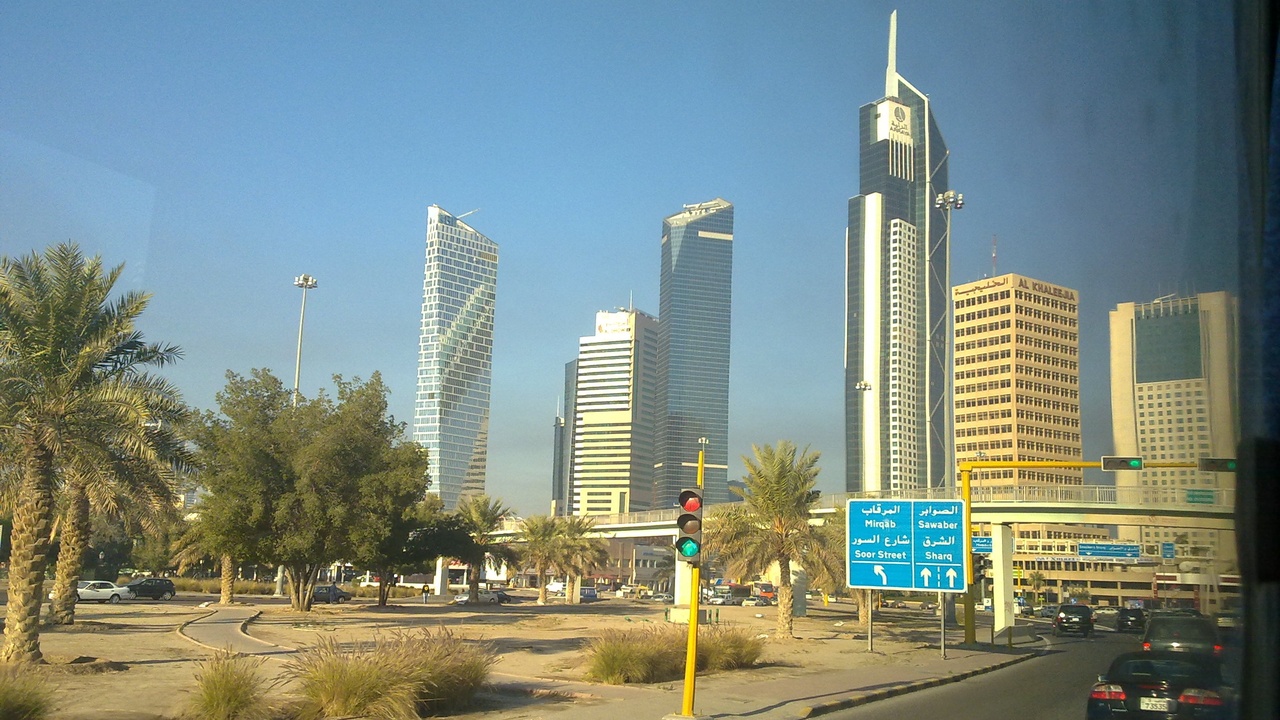
Kuwait’s skyline juxtaposes historic districts with glass-and-steel towers, offering dramatic photography subjects and comfortable indoor spaces during hot months.
4. See the Kuwait Towers and Iconic Skyline
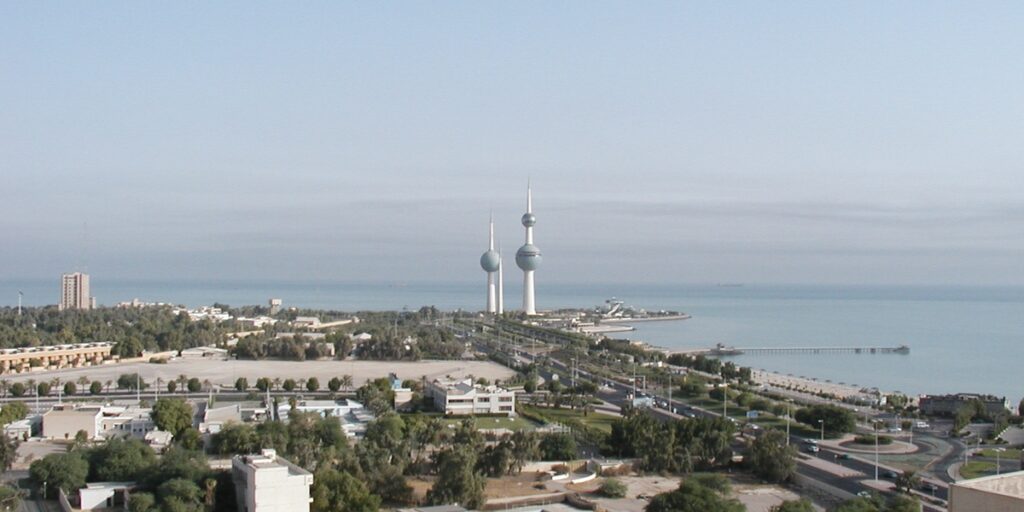
The Kuwait Towers are the city’s visual symbol: three towers topped with spheres, the tallest reaching about 187 m and opened in 1979, visible from many waterfront vantage points.
Visitors can use the observation platform and café for panoramic views, and the towers’ evening illumination makes them a great sunset-to-night photo stop.
For the best photos, aim for golden hour and combine a tower visit with a walk along the Corniche when traffic is lighter.
5. Shop and Dine at The Avenues and Waterfront Areas
The Avenues is one of the region’s largest malls and a reliable, weather-proof option for shopping, dining and family entertainment across distinct themed districts.
Its waterfront promenade and international dining scene make evening strolls pleasant, while indoor entertainment areas are handy during Kuwait’s summer months.
Tip: visit weekday mornings for quieter shopping, and reserve weekend evenings for the liveliest dining and people-watching along the waterfront.
Nature, Islands & Outdoor Escapes
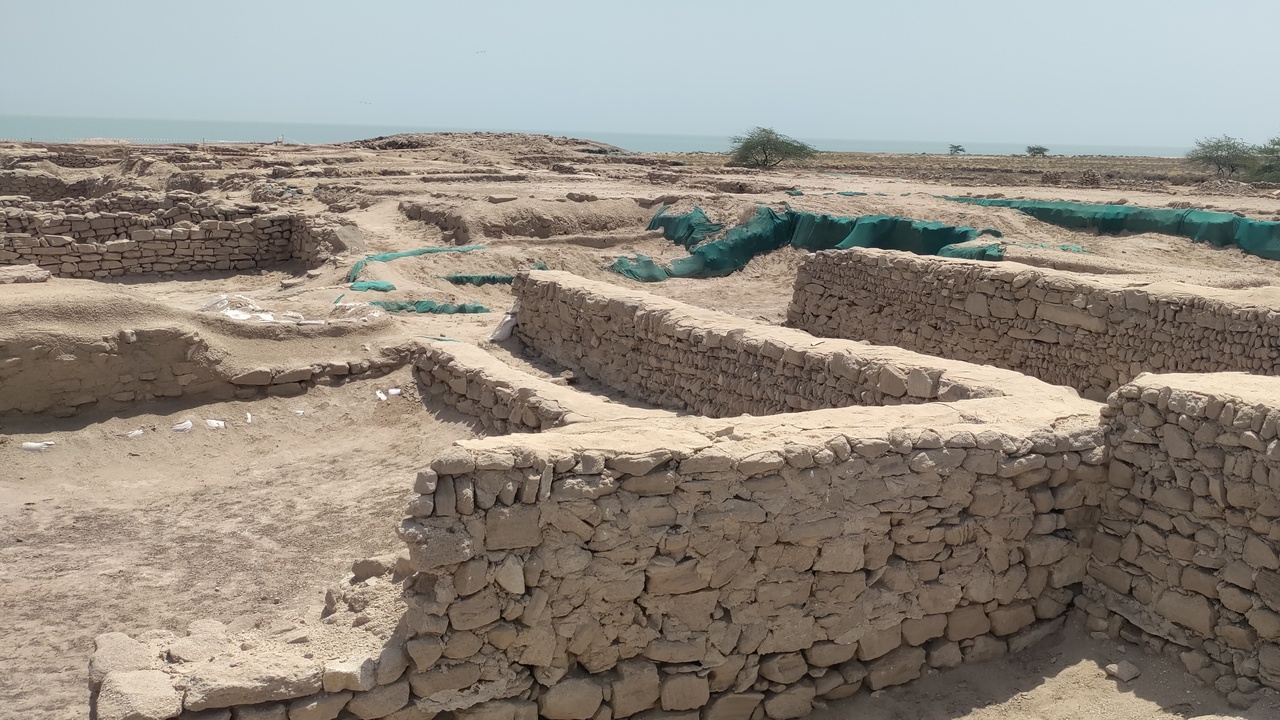
Kuwait’s islands, green pockets and desert landscapes offer surprising outdoor options that are all reachable as day trips from Kuwait City.
6. Escape to Failaka and Bubiyan Islands for Coastal Nature and Archaeology
Short boat trips connect the mainland to islands where archaeological layers reveal Greek-era settlements on Failaka and natural marshes and birdlife on Bubiyan.
Failaka’s Hellenistic remains, combined with later Islamic-era structures, make for an archaeological itinerary that blends history with seaside scenery.
Bubiyan Island is noted for coastal marshes and migratory birds; birdwatchers should consult local counts and conservation groups for peak seasons and guided outings.
Logistics: ferries and private charters run seasonally—expect roughly 30–60 minutes of travel depending on your departure point, and always confirm operators’ schedules in advance.
7. Desert Adventures: Dune Driving, Camping, and Wildlife
Desert activities include guided dune driving, overnight camping and stargazing, with options for short 4–6 hour excursions or 1–2 night camps for a fuller experience.
Local operators provide safety briefings and equipment; choose a reputable guide, avoid the peak summer months and pack water, sun protection and a basic first-aid kit.
Combine a sunset dune drive with a Bedouin-style gathering to enjoy local hospitality and photography opportunities as the light softens across the sands.
Food, Hospitality & Practical Benefits
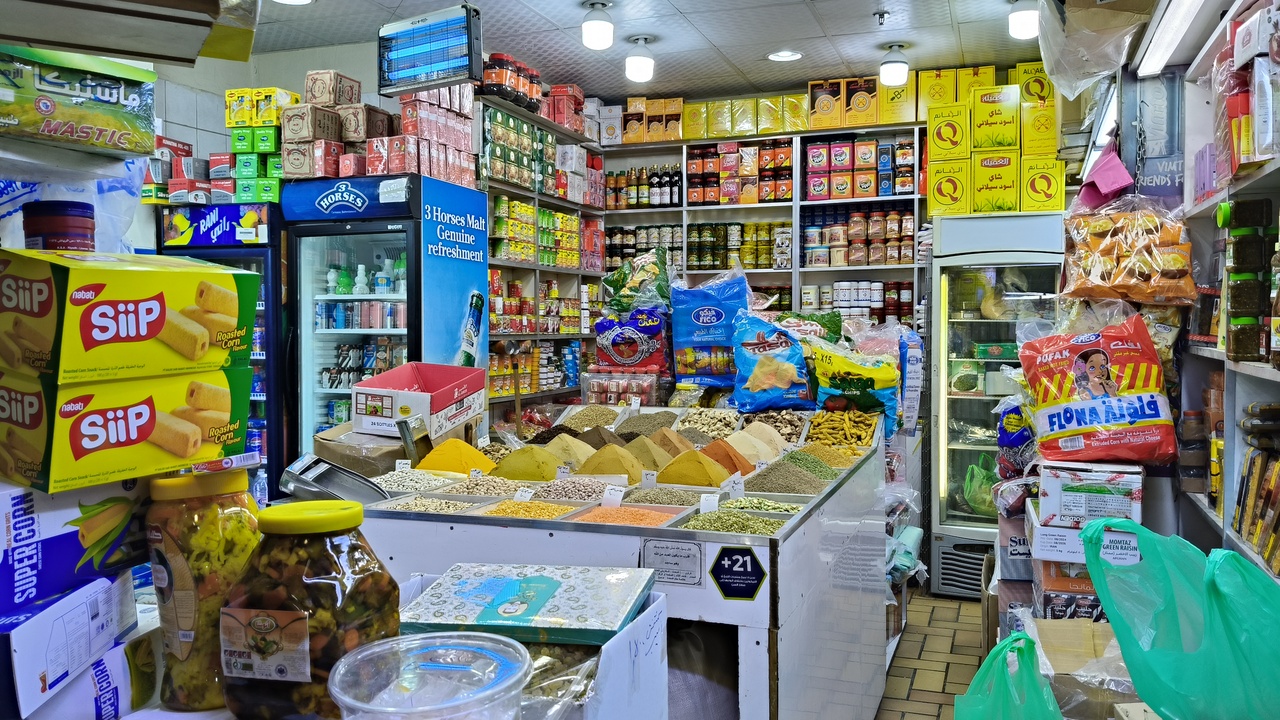
Kuwaiti cuisine, friendly service and a range of visitor options make travel here straightforward and enjoyable, whether you prefer street food or fine dining.
8. Taste Authentic Kuwaiti Cuisine and Gulf Flavors
Signature dishes include machboos—spiced rice with meat or fish—alongside fresh Gulf seafood and desserts centered on dates and coffee.
Neighborhoods near souqs and the waterfront host family-run seafood restaurants and casual cafés, while The Avenues and hotel districts provide upscale dining options.
Try communal coffee and date service when invited, and look for well-known local eateries recommended by residents for the most authentic flavors.
9. Experience Warm Hospitality and Easy, Safe Travel for Tourists
Kuwaiti hospitality is genuine and visible in small gestures—from invitation to share a meal to practical help when navigating a souq or museum.
Visitor services are well developed with dozens of international hotels and guesthouses in central neighborhoods; many travelers find Kuwait City convenient as a base for day trips.
Check visa rules before travel—Kuwait has expanded visitor options in recent years—and respect local customs for dress and public behavior to ensure warm interactions.
10. Attend Festivals, Cultural Events, and Year-round Entertainment
Kuwait’s calendar features seasonal events that give a strong sense of local culture, from Hala February festivities to National Day on February 25, when public celebrations fill the streets.
Expect parades, concerts and pop-up markets during major festivals, and recurring programming at parks and museums that offers museum nights, exhibitions and family activities.
Plan trips around festival dates if you want to experience public celebrations, and book accommodations early for popular events.
Summary
- Deep maritime heritage and island archaeology give Kuwait unexpected historical depth.
- Striking modern contrasts—from the 187 m Kuwait Towers to large malls—make for memorable cityscapes.
- Accessible nature: island day trips to Failaka and birding on Bubiyan, plus desert camping and dune drives.
- Rich food culture, warm hospitality and seasonal festivals (National Day is February 25) provide great reasons to visit Kuwait.