On February 17, 2008, Kosovo declared independence and unveiled the Newborn monument in Prishtina — a bold moment that put one of Europe’s smallest countries on international maps. For a place roughly the size of a small U.S. state and home to about 1.8 million people, the variety you can pack into a short trip is surprising.
If you’re collecting reasons to visit kosovo, consider that medieval monasteries, high alpine ridgelines, lively café scenes and very affordable local prices all sit within easy reach of one another. This article groups ten compelling motivations into culture and history, natural beauty and outdoor adventure, food and urban life, and practical accessibility.
Read on for concrete spots, seasons to plan around, and travel tips that make a Kosovo itinerary feel both doable and rewarding.
Culture & History
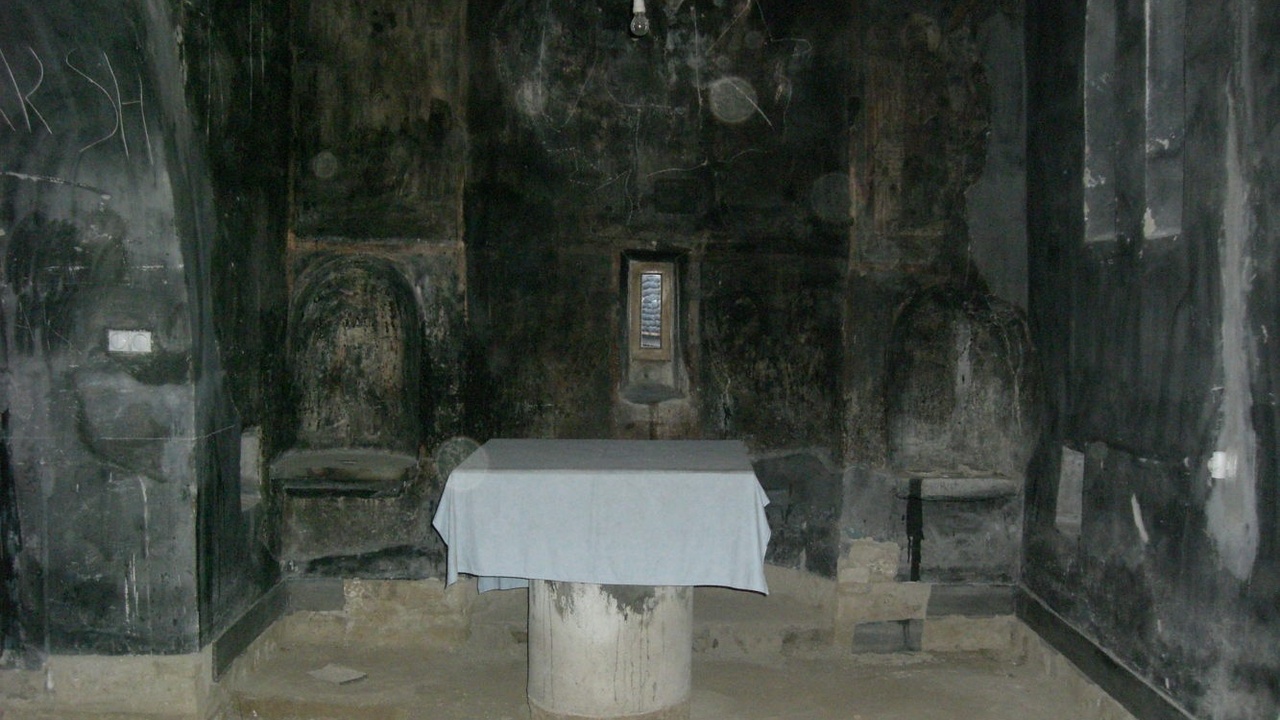
Kosovo wears several histories at once. In towns like Prizren and Peć you’ll find medieval Orthodox monasteries, Ottoman mosques and 19th-century civic movements living on in museums and public memory. Streets and courtyards carry the patina of stone and mortar, while annual festivals and bustling bazaars keep traditional crafts and music alive. These layers make short city walks into compact history lessons, with sensory details at every turn: frescoed church interiors, the cool shade of mosque courtyards, and the smell of baking burek from corner bakeries.
1. Rich medieval monuments and UNESCO sites
Kosovo preserves several major medieval Serbian Orthodox sites that together form the “Medieval Monuments in Kosovo” on the UNESCO World Heritage List (inscribed 2004). The grouping highlights Visoki Dečani, Gračanica and the Patriarchate of Peć as outstanding examples of medieval ecclesiastical architecture.
Visitors can view the remarkable frescoes at Visoki Dečani or attend services at Gračanica, which lies a short drive from Prishtina. These sites draw pilgrims, historians and architecture fans alike and are often visited with an English-speaking guide who explains iconography, construction phases and preservation work.
2. Prizren’s Ottoman-era charm and cultural festivals
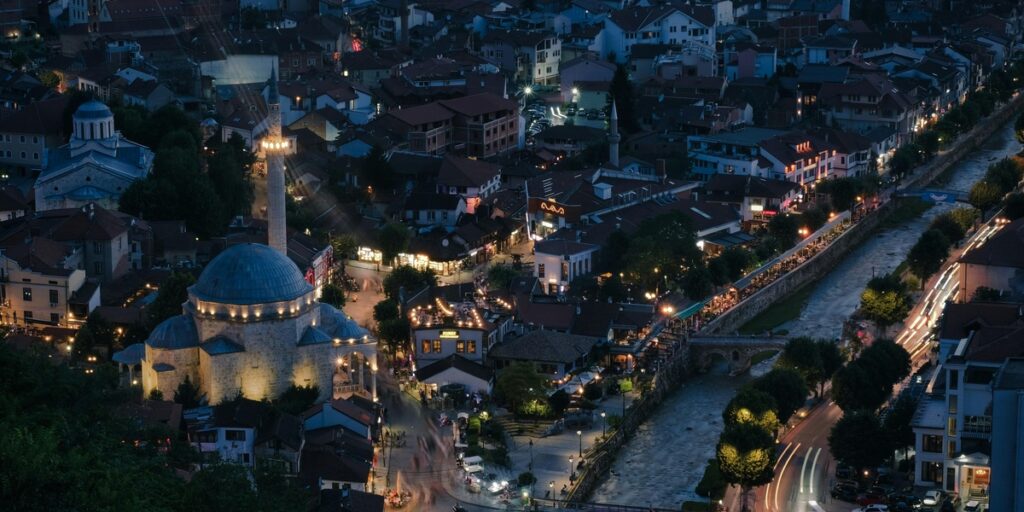
Prizren is widely regarded as Kosovo’s cultural jewel. Narrow cobbled streets wind past Ottoman-era houses, the 15th-century stone bridge crosses the Bistrica river, and the Sinan Pasha Mosque anchors a compact old town that’s easy to explore on foot.
The city bursts with life during Dokufest (founded in 2002), an international documentary and short film festival that draws filmmakers and cinephiles each August. Outside festival season, riverside cafés, artisan shops and small galleries make Prizren a relaxed place to linger and soak up local flavor.
3. Living traditions, crafts and the League of Prizren legacy
Traditional crafts and folk arts are still part of everyday life: woven textiles, embroidered costumes and folk music appear at festivals and markets. The League of Prizren (1878) is a touchstone of modern Albanian political history and is interpreted in local museums and commemorations around the city of Prizren.
Markets in Gjakova and Prizren — notably Gjakova’s Old Bazaar — host artisans and workshops where visitors can watch craftsmen at work and buy authentic souvenirs like handwoven belts or wooden utensils.
Natural Beauty & Outdoor Adventure
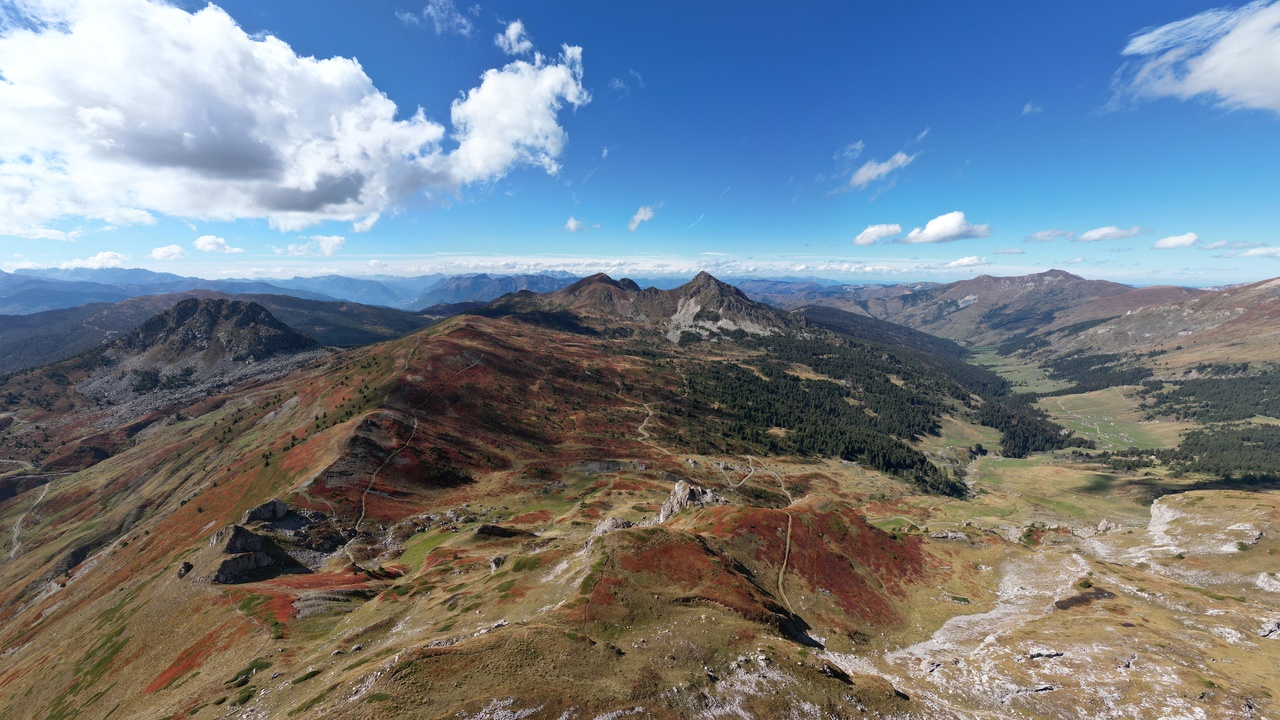
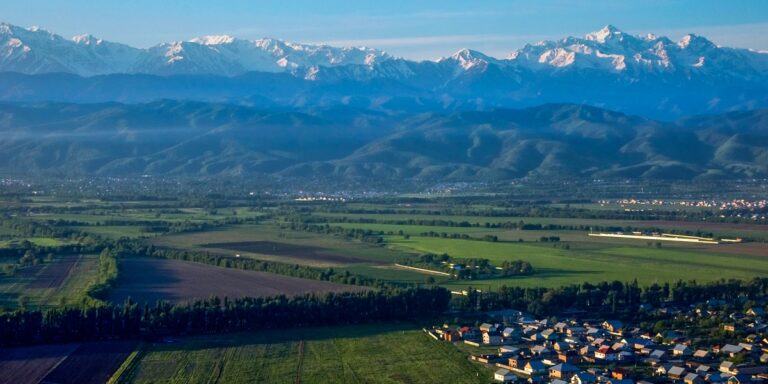
For a country you can cross in a few hours, Kosovo packs dramatic landscapes: the jagged Accursed Mountains, deep gorges, cascading waterfalls and karst caves. Because the country is compact, most natural highlights are day trips from cities like Prishtina, Prizren or Peć. That makes it easy to combine cultural visits with active outdoor days without long transfers.
4. Hiking in the Accursed Mountains (Bjeshkët e Nemuna)
The Accursed Mountains (Bjeshkët e Nemuna) offer some of the best hiking in the western Balkans. Gjeravica (Đeravica) reaches about 2,656 meters and provides high-alpine ridgelines, glacial cirques and sweeping views across borders.
Trails range from accessible day hikes in Rugova Valley to multi-day ridge routes for experienced hikers. Late spring through early autumn (May–September) is the prime season for ridgeline trekking. Local guides and small trekking companies run guided treks and can arrange overnight stays in mountain huts or simple guesthouses. Tip: bring sturdy boots and layers; weather in the highlands changes quickly.
5. Winter sports at Brezovica and nearby slopes
Kosovo’s Brezovica ski area in the Sharr Mountains has steadily improved lift and slope infrastructure and is a growing choice for affordable skiing and snowboarding. Runs suit beginners and intermediate skiers, and rental shops and instructors are available on site.
The typical season runs roughly December through March. Weekend trips from Prishtina are common, and overall prices for lift tickets, rentals and lessons tend to be lower than similar resorts in neighboring countries, making Brezovica a budget-friendly winter option.
6. Rivers, waterfalls and caves for day trips
Several striking karst features are ideal for easy day trips. The Mirusha waterfalls form a chain of pools and cascades where locals swim in summer, and nearby picnic areas make for relaxed outings. The Gadime Marble Cave is a show cave with dramatic sculpted marble formations and guided tours that explain its geology.
Both Mirusha and Gadime are reachable from Prizren or Peć within a couple of hours, so you can pair them with cultural visits. Bring swimwear for summer visits and a light jacket for cave tours — the air inside stays cool and echoing.
Food, Coffee Culture & Urban Life
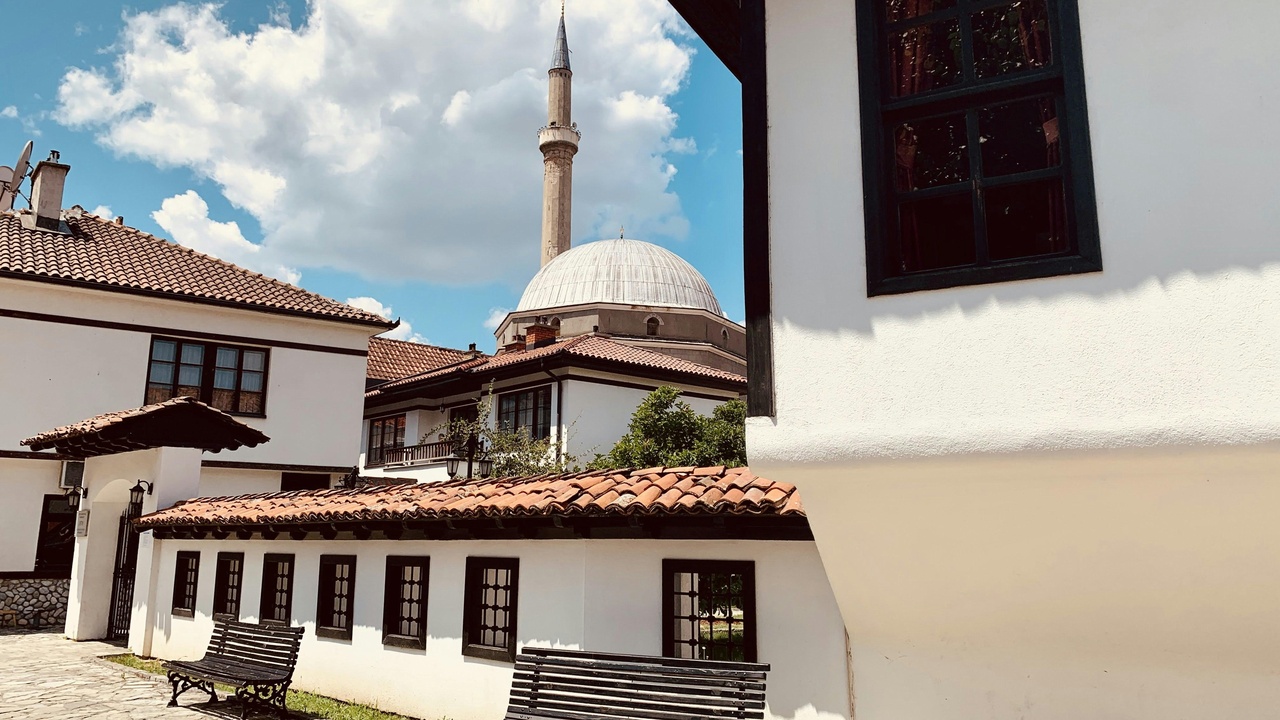
Kosovo’s urban centers serve hearty Balkan cuisine, a lively café culture and nightlife driven by students and young professionals. Cities like Prishtina and Prizren are compact and easy to navigate, with meals and social outings that won’t break the bank.
7. Fresh, affordable Balkan cuisine (burek, flija, grilled meats)
Food in Kosovo is straightforward, filling and affordable. Must-try items include burek (savory stuffed pastry), flija (layered pancake baked on a griddle), qofte (grilled meatballs) and generous mixed grill platters. Many casual meals and bakery snacks commonly cost under €10.
Family-run eateries in Prizren and neighborhood bakeries in Prishtina often serve the best, most authentic versions. Portions are generous, and dishes are meant to be shared. Sampling street burek for a cheap breakfast and joining a family-style dinner at a small town guesthouse are both memorable ways to experience local life.
8. Lively cafés, nightlife and student energy in Prishtina
Prishtina’s youthful energy is obvious in its cafés and nightlife. The University of Prishtina (est. 1970) contributes to a steady student population that keeps cultural life vibrant, from daytime espresso bars to late-night cafés with live music.
Mother Teresa Square and nearby streets host many popular cafés and rooftop bars. Evenings offer acoustic nights, DJ sets and intimate venues showcasing regional acts. For live music, aim for weekends and reserve a table if you’re heading to the trendier spots.
Accessibility, Affordability & Warm Hospitality
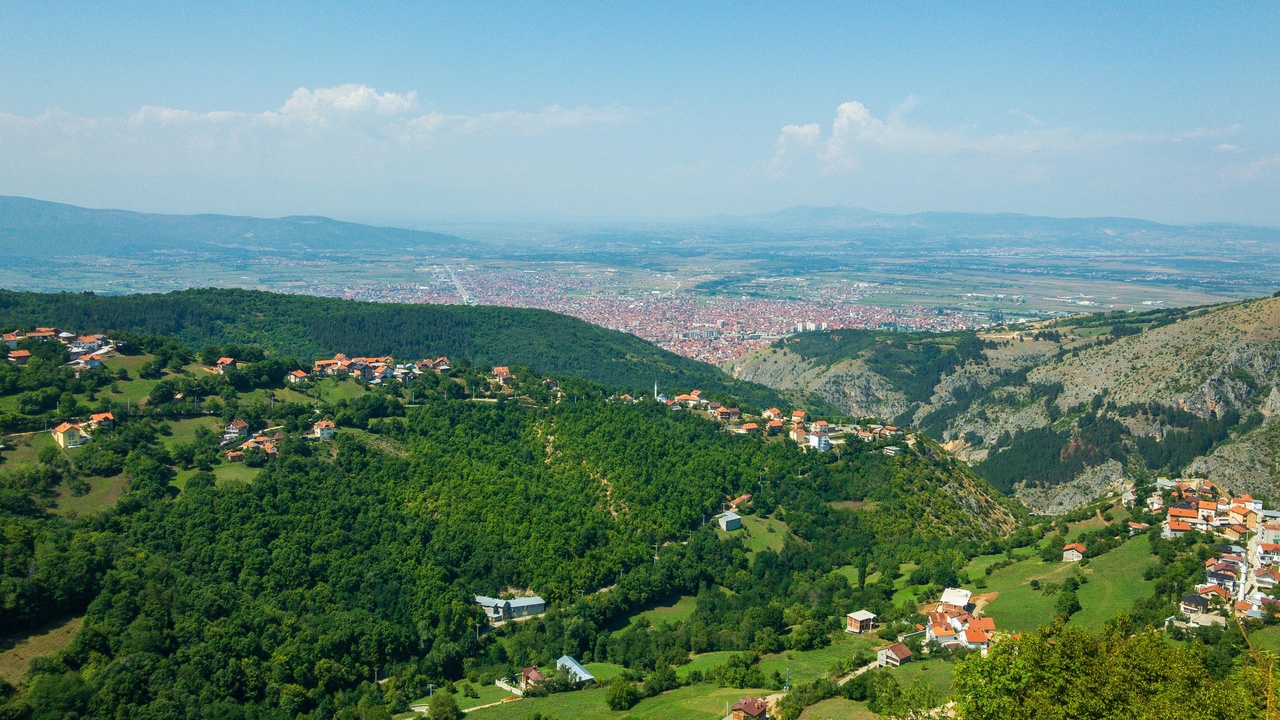
Practicalities make Kosovo easy to slot into a Balkans itinerary. The country’s compact area and low costs mean short transfers, low daily budgets and many opportunities for homestays or guesthouse experiences. Infrastructure is improving, and visitor services are increasingly professional without losing local warmth.
9. Easy, compact travel and affordable prices
Kosovo covers roughly 10,887 km², so distances between major sights are short. A drive from Prishtina to Prizren is about 86 km and typically takes roughly 1.5–2 hours, depending on traffic. That compactness makes multi-destination trips simple and efficient.
The euro is used throughout, which simplifies budgeting. Public buses, city transport and taxis are inexpensive, and a modest daily budget for sightseeing, meals and local transport will go considerably further than in many Western European capitals.
10. Warm hospitality, homestays and a youthful population
Visitors frequently report friendly interactions and affordable family-run guesthouses in villages and towns. Kosovo has one of Europe’s youngest populations, with a median age around 29, and that youthful energy shows in small hospitality businesses and enthusiastic local guides.
Staying in a mountain guesthouse or booking a cultural walk with a local guide gives direct insight into daily life and personal stories. A quick tip: observe modest dress when visiting places of worship and accept invitations to share simple meals — hospitality is genuine and often offered to travelers.
Summary
- Kosovo’s UNESCO-listed medieval monuments and living historical sites offer rich cultural rewards.
- High peaks like Gjeravica (≈2,656 m), Rugova hikes and Mirusha waterfalls make outdoor adventure easily accessible.
- Food, cafés and nightlife are authentic and affordable — many casual meals cost under €10.
- Compact size (about 10,887 km²), short drive times and low costs simplify multi-stop trips and day excursions.
- Warm local hospitality, homestays and a youthful population make travel here welcoming; aim for May–September for hiking and December–March for skiing.