In 1948 Costa Rica made a bold choice: it abolished its army and redirected resources into schools, health, and conservation. That decision still shapes the country you visit today—classrooms and national parks rather than barracks—and it’s a big reason travelers find Costa Rica so appealing.
Picking a single destination can feel overwhelming. Many travelers want big nature, easy logistics, and options that are kind to the planet. Costa Rica answers those needs in a compact package with rainforest, volcanoes, beaches, and a strong focus on sustainability.
If you’re weighing reasons to visit Costa Rica, this list will help: ten well-chosen pulls grouped into natural wonders, adventure, culture and wellness, and sustainability plus practical perks. About a quarter of the country is set aside in parks and reserves, so conservation isn’t just talk—it shows up at trailheads and shorelines.
Natural Wonders & Biodiversity
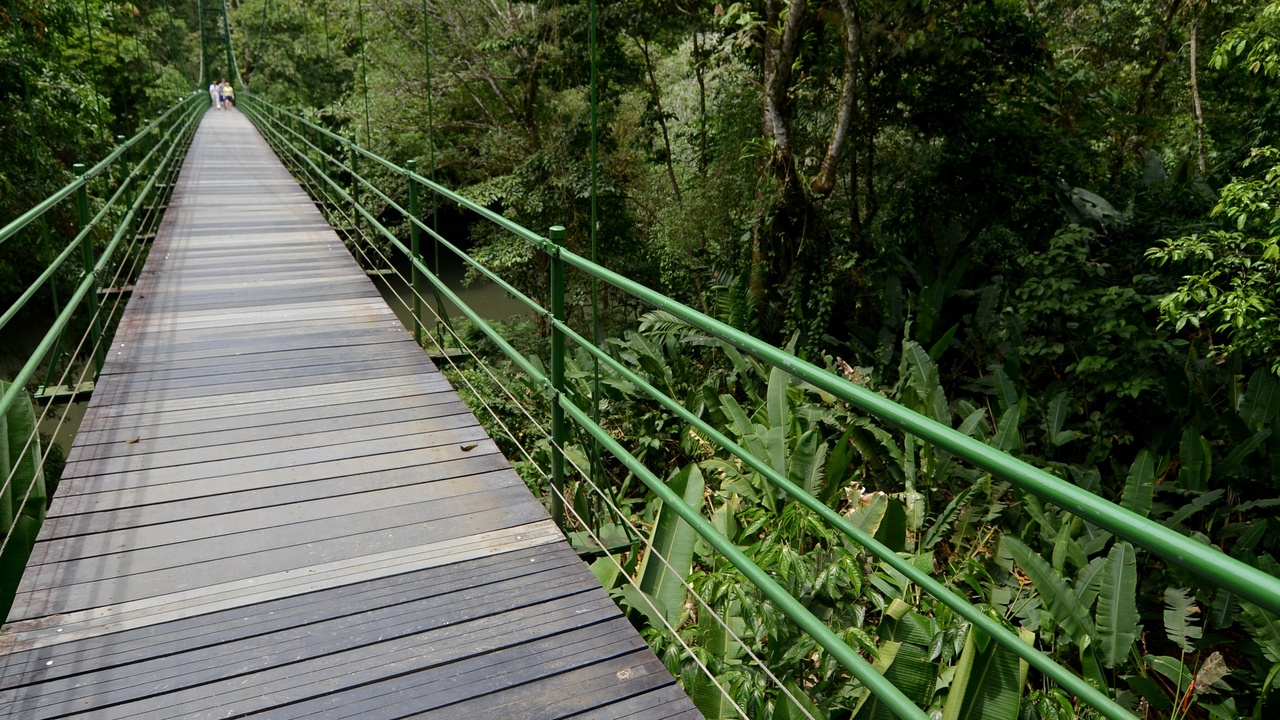
For its size, Costa Rica packs an extraordinary range of habitats: Pacific and Caribbean coasts, lowland rainforest, cloud forest, dry forest, wetlands and mangroves. That concentration produces high species density and means you can see a lot on a relatively short trip.
Protected areas are extensive—roughly 25% of the land is in national parks and reserves—so wildlife has room to persist and visitors get reliable viewing opportunities at accessible parks and reserves.
1. Lush rainforests and unmatched biodiversity
Costa Rica is famous for hosting about 5% of the world’s species within a country you can cross in a day. That density means seeing sloths, howler monkeys, toucans, and colorful frogs doesn’t require weeks of trekking.
Monteverde Cloud Forest Reserve rewards early-morning quetzal searches and mossy trails. Corcovado National Park on the Osa Peninsula offers primary rainforest and chances to spot tapirs and scarlet macaws. Around La Fortuna, guided night walks reveal frogs and insects close to lodge trails.
2. Dramatic volcanoes and hot springs
Volcanoes provide both scenery and geothermal relaxation. Arenal’s near-perfect cone (about 1,670 meters) dominates La Fortuna and nearby thermal springs like Tabacón make a day of hiking and soaking effortless.
Poás Volcano has an easily reached crater viewpoint for a quick day trip from the Central Valley, while Irazú offers high-altitude panoramas near Cartago. Many visitors pair a short hike with a hot-springs evening for perfect balance.
3. Beaches for every mood — Pacific surf to Caribbean calm
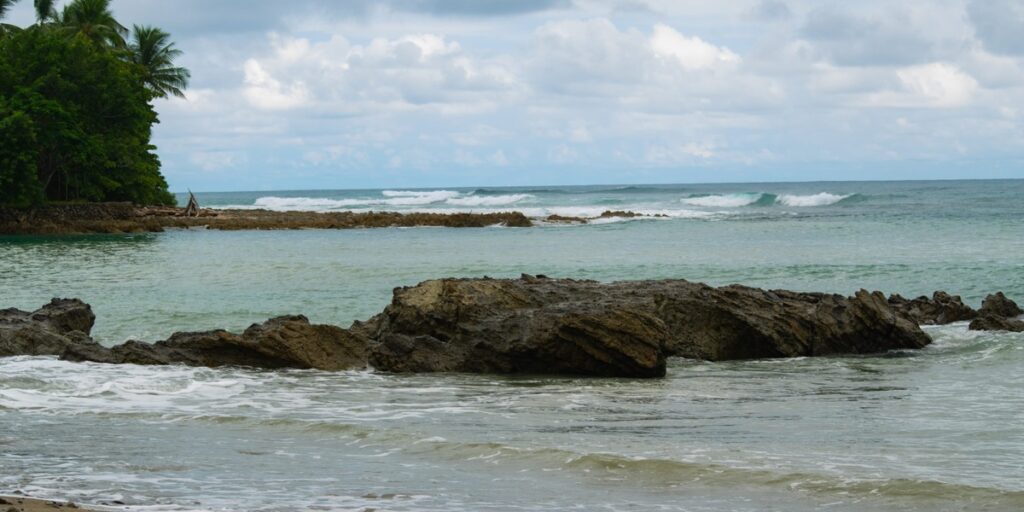
Costa Rica’s two coasts deliver distinct beach experiences. The Pacific side has world-class surf breaks; the Caribbean offers laid-back towns and coral gardens.
Surf at Tamarindo or Nosara for consistent, user-friendly waves; expert surfers head to Pavones for its famously long left. Cahuita National Park on the Caribbean coast protects snorkeling sites and shallow coral gardens, and Pacific whale-watching seasons bring humpbacks into coastal waters at predictable times.
Adventure & Outdoor Activities

Compact distances and varied terrain make Costa Rica an adventure-travel mecca. Outfitters are plentiful and often hold safety certifications, so you can fit high-adrenaline experiences into short stays without sacrificing peace of mind.
Popular activities range from gentle beginner options to expert-level routes, and operators are usually clear about difficulty, age, and weight limits—ask about certifications and rescue procedures before booking.
4. Zip-lining and canopy tours through the treetops
Canopy tours let you experience the forest from above in two to four hours. They’re a great way to see the structure of cloud forests and rainforests while getting an adrenaline hit.
Monteverde’s zipline operators—like Sky Adventures—pair zips with hanging bridges, and Arenal offers both canopy runs and long suspension-bridge walks. Choose outfits that display clear safety protocols and age/weight guidelines; many tours are family-friendly.
5. White-water rafting and river adventures
The Pacuare River has an international reputation for rafting, with sections ranging from Class II to IV depending on season and water levels. Scenic canyon walls and rainforest scenery make the rapids feel like part of the attraction.
Families can take half-day or day trips on gentler rivers like the Sarapiquí, while experienced paddlers book multi-day, lodge-based expeditions on the Pacuare. Always check seasonal water conditions and follow guides’ safety briefings.
6. Surfing, snorkeling, and coastal sports
Surf schools and rental shops are common in beach towns, so beginners can get lessons and board time quickly. Pacific swells favor different seasons than the Caribbean, so timing matters.
Tamarindo and Nosara are reliable for learners and intermediates; Pavones rewards advanced surfers. On the Caribbean side, Cahuita offers clear snorkeling over coral gardens. Check tide schedules for the best conditions and book lessons during off-peak mornings.
Culture, Food & Wellness
Costa Rica isn’t only wild places and thrill rides; it’s also approachable food, friendly towns, and wellness culture. Meals, coffee, and local rhythms complement active days in the field.
The Nicoya Peninsula’s Blue Zone status has drawn attention from travelers curious about lifestyle and longevity, and many visitors combine cultural experiences with spa and yoga breaks.
7. Delicious local food and coffee culture
Food in Costa Rica is straightforward and fresh. Gallo pinto is an everyday breakfast of rice and beans; a casado pairs rice, beans, plantains, salad and a protein for an easy, satisfying lunch.
Coffee estate tours—Doka Estate and Britt are two popular options near the Central Valley—run mornings that fit into day-trip plans. For authentic, budget-friendly meals, stop at a soda (local family-run eatery) and try house specials.
8. Wellness, hot springs, and the Nicoya Blue Zone
The Nicoya Peninsula is recognized as one of the world’s Blue Zones, an area with a notable concentration of long-lived residents. That recognition draws visitors interested in lifestyle and diet patterns tied to longevity.
Wellness offerings are easy to pair with active itineraries: hot springs like Tabacón or EcoTermales soothe sore muscles after hikes, and Nosara and Nicoya host established yoga retreats. Recovery and relaxation aren’t extras here—they’re part of many trip plans.
Sustainability, Ease of Travel & Practical Perks
Costa Rica has built a reputation for environmental leadership alongside tourism convenience. That combination makes it a reliable choice for travelers who care about impact and practicality.
Renewable electricity has powered the grid at nearly 100% in several recent years, and the country maintains national decarbonization goals. Many lodges and tour operators carry the national Certification for Sustainable Tourism (CST).
9. Strong sustainability credentials and eco-travel options
Costa Rica frequently runs on nearly all-renewable electricity and has a public-facing decarbonization plan, so sustainability is woven into policy as well as practice. Conservation projects are active and visible.
Area de Conservación Guanacaste shows how reforestation and species monitoring can restore landscapes, and CST-certified eco-lodges around Arenal and Monteverde offer low-impact stays. Travelers can support conservation through responsible tours and park fees.
10. Easy to reach and travel around — practical perks for short trips
Two international airports—Juan Santamaría (SJO) near San José and Daniel Oduber (LIR) in Liberia—make flexible routing easy. Short in-country drive times let you combine cloud forest, volcano, and beach in a single week.
Sample drives: San José to Manuel Antonio is about three hours; San José to Arenal roughly three to three-and-a-half hours. For tight schedules, domestic flights shorten transfers, while drives reveal scenery and let you stop for cafes or viewpoints.
Summary
- Exceptional biodiversity and compact national parks let you see sloths, quetzals, and scarlet macaws without a long expedition.
- Volcanoes, beaches, and a wide range of adventure sports make it easy to combine activity and relaxation in a short trip.
- Food, coffee tours, hot springs, and the Nicoya Blue Zone add cultural and wellness layers to any itinerary.
- Strong renewable-energy credentials and CST-certified eco-lodges mean you can travel responsibly, while two airports and short drive times keep logistics simple.
- Pick one reason to visit Costa Rica first—wildlife, volcanoes, surf, coffee, or wellness—and build a short trip around that starting point (Monteverde, Arenal, Manuel Antonio, Cahuita, or Nicoya each offer distinct experiences).