On July 6, 1885, when European explorers first mapped parts of the interior, Tanzania’s landscapes and cultures began to capture global attention—yet the country’s most famous spectacles, from the wildebeest migration to Kilimanjaro, still feel like fresh discoveries.
Today the country matters to modern travelers for its mix of dramatic wildlife, high mountains, and island coasts, plus living traditions and growing travel infrastructure (population ~62 million, 2023 est.). Tanzania offers a striking mix of wildlife spectacles, towering mountains, island beaches, and living culture—12 distinct reasons that make it one of Africa’s most compelling travel destinations. This piece lays out those 12 compelling reasons to visit Tanzania in four broad themes: natural wonders, adventure, culture & islands, and practical travel benefits.
Natural Wonders & Wildlife
1. Witness the Great Wildebeest Migration
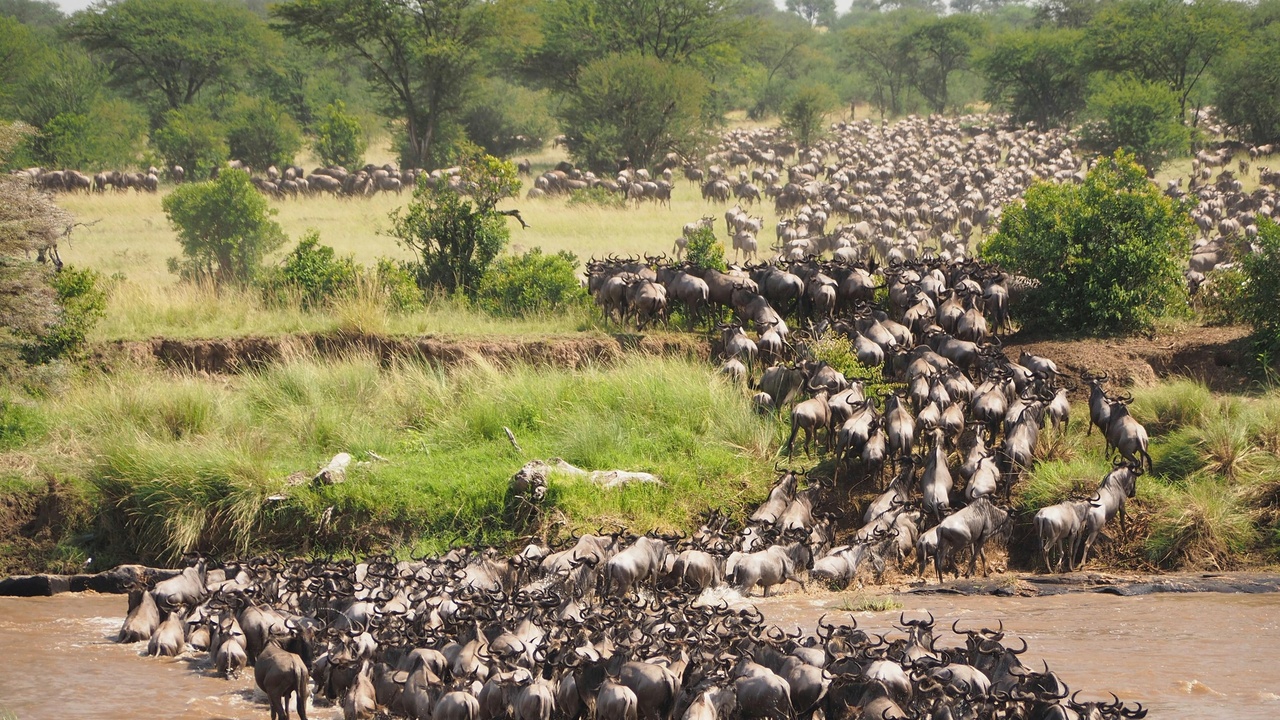
Seeing the Great Wildebeest Migration is a must—about 1.5 million wildebeest, plus hundreds of thousands of zebras and gazelles, circle the Serengeti ecosystem each year in a pulse of life and danger.
Peak river crossings tend to cluster in June–July and again in October–November, when herds confront crocodile-lined rivers such as the Mara. Most operators time safaris to match those windows, staging drives from northern and central Serengeti corridors.
Best viewing comes from vehicle-based game drives that keep safe distances while allowing dramatic photography. Consider staying near the Mara River or in Maswa Game Reserve for direct access to crossings and the kinds of vantage points that make the spectacle unforgettable.
2. See the Ngorongoro Crater’s density of wildlife
The Ngorongoro Crater is a singular, enclosed ecosystem with unusually high concentrations of wildlife, making it ideal for shorter game-viewing visits.
Inscribed as a UNESCO World Heritage Site in 1979, the crater formed when a giant volcano collapsed roughly 2–3 million years ago. The rim provides sweeping viewpoints and the floor hosts black rhino, lion, elephant, buffalo and large herds of grazing herbivores.
Day trips from Arusha are common: arrive at the rim for sunrise views, then descend for a guided game drive. Note park fees and crater access times when planning, and book a guide who can maximize sightings within the crater’s restricted driving windows.
3. Explore diverse national parks beyond the Serengeti
Tanzania’s protected areas run the gamut—savanna, woodlands, freshwater lakes and coastal reserves—more than a dozen major national parks and reserves offer distinct experiences.
Tarangire is known for large elephant herds and iconic baobabs, Lake Manyara surprises visitors with vast flocks of flamingos and occasional tree-climbing lions, and Nyerere National Park (formerly Selous) offers remote boat safaris on the Rufiji River.
Plan visits seasonally: Tarangire shines in the dry months when wildlife concentrates around water, Manyara is colorful during wet-season flamingo blooms, and Nyerere suits travelers after a quieter, off-grid river experience with a range of accommodation from campsites to luxury lodges.
Mountains, Hiking & Adventure
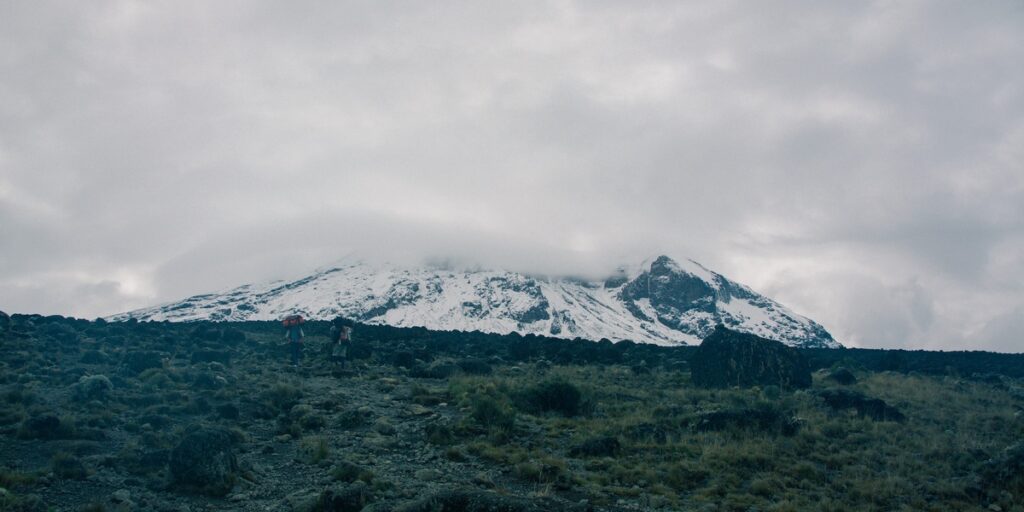
4. Climb Mount Kilimanjaro — Africa’s rooftop
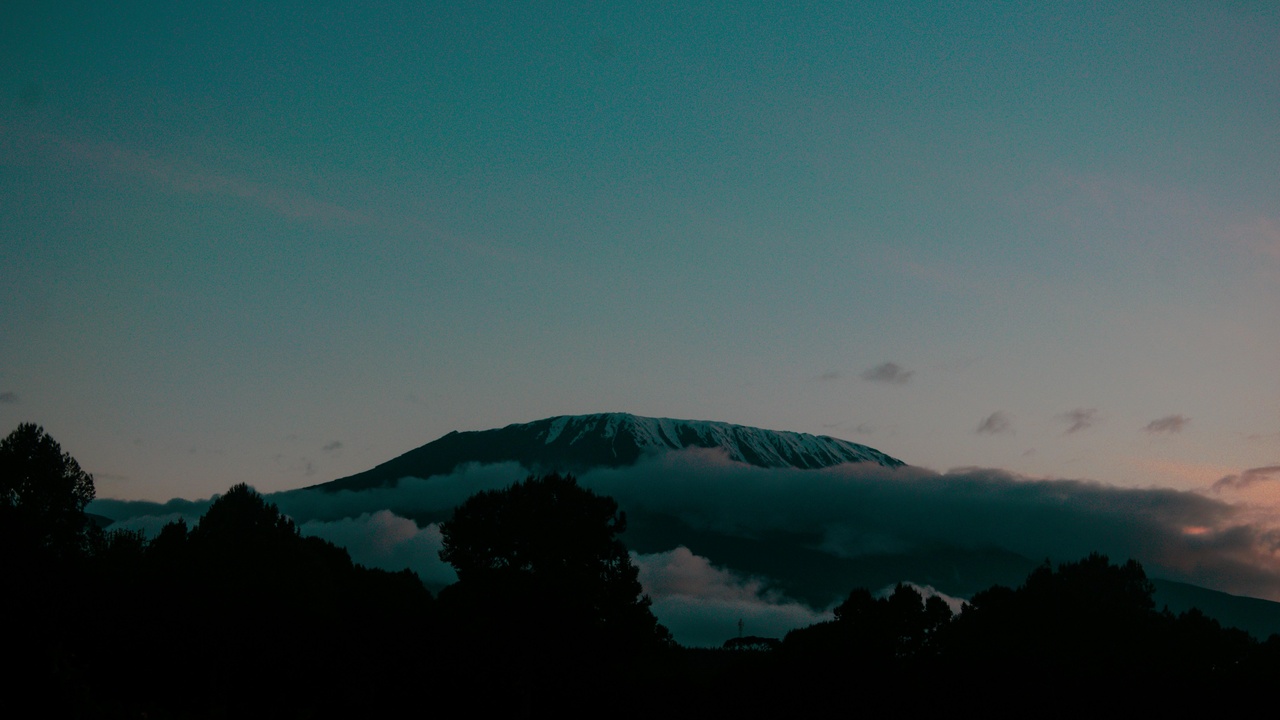
Mount Kilimanjaro stands at 5,895 m (19,341 ft) and draws trekkers of varying ambitions to its glacier-capped summit.
Popular routes include Marangu (5–6 days), Machame (6–8 days) and Lemosho (generally 7–9 days); route choice affects acclimatization and summit success. Shorter itineraries raise the altitude-gain rate and lower success odds.
Licensed guides and park permits are mandatory. Train for long days with heavy packs, allow extra rest days for acclimatization when possible, and expect a range of pricing depending on group size and comfort level. Reputable operators pair experienced guides with porter teams to manage logistics and safety.
5. Trek Mount Meru and try multi-day wilderness hikes
Mount Meru, at about 4,562 m, is a popular acclimatization climb and a rewarding alternative to Kilimanjaro for those wanting shorter, dramatic mountain days.
Typical Meru itineraries run 2–4 days and include forested slopes, wildlife glimpses and sunrise summit options that frame Kili across the plains. Guides often recommend Meru as a warm-up before a Kilimanjaro attempt.
Expect basic mountain huts or tented camps, and bring layered clothing for steep temperature swings. Meru’s isolated trails make professional guiding essential for route-finding and safety.
6. Hike the Usambara and Udzungwa ranges for off-the-beaten-path trails
The Usambara and Udzungwa ranges offer quieter, biologically rich trekking that contrasts with the busier Kilimanjaro routes.
Udzungwa Mountains National Park is a recognized biodiversity hotspot with endemic primates and plants, while the Usambaras feature scenic ridge walks and community-run guesthouses. Multi-day 2–3 day hikes are common and combine waterfalls, forest trails and village visits.
Hire local guides, consider village homestays for cultural exchange, and travel in the dry months (June–October) for clearer trails and views. These ranges reward travelers seeking peaceful trekking and close encounters with local life.
Coast, Islands & Cultural Heritage
7. Walk through Stone Town’s layered history
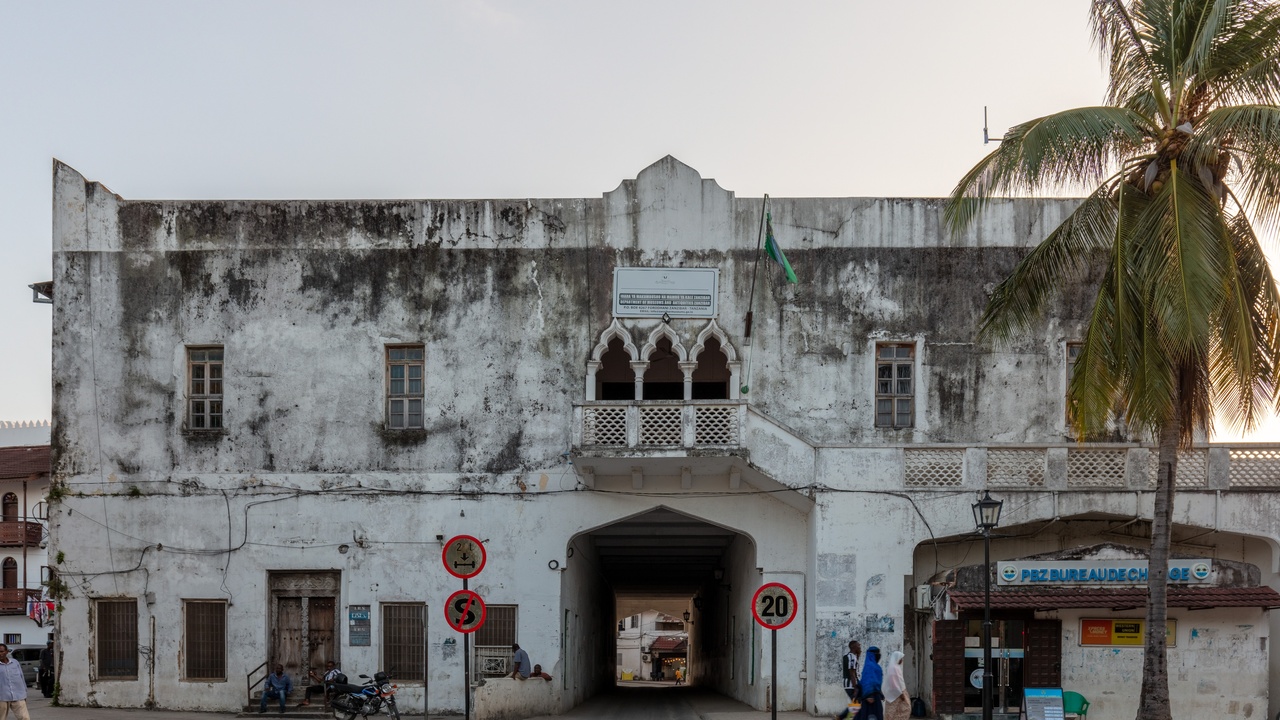
Stone Town is a living museum of Swahili, Arab, Persian, Indian and European influences, its alleys encoding centuries of trade and daily life.
UNESCO inscribed Stone Town in 2000 for its architecture and cultural significance. Guided 2–3 hour walking tours point out landmarks like the House of Wonders, the old slave market site and elaborately carved doorways while local guides share family histories and trade stories.
Book a morning tour to beat the heat and linger at cafés to listen to the narration. Local historians and community guides add depth that you won’t get wandering alone.
8. Relax on Zanzibar’s beaches and explore coral reefs
Zanzibar’s beaches are classic white-sand escapes with accessible snorkeling and diving around reef systems like Mnemba Atoll and Pemba.
Best months for calm seas and good visibility are June–October and December–February. Nungwi offers lively beach life and nightlife, while Matemwe and the east coast lean quieter and suit honeymooners or divers seeking solitude.
Activities include guided snorkel trips to Mnemba, night dives, and dhow sunset cruises. Accommodation ranges from guesthouses and boutique lodges to high-end resorts, so match location to the vibe you want.
9. Taste Swahili cuisine and join spice tours
Coastal trade shaped a distinctive Swahili cuisine that blends Arab, Indian and African flavors; Zanzibar’s spice farms are part history lesson, part tasting tour.
Take a spice tour to sample cloves, cinnamon and nutmeg at working plantations, then join a market-to-table cooking class. Try local dishes such as pilau, urojo (Zanzibar mix) and grilled fish with coconut.
Market visits and hands-on cooking sessions connect food to place in a way that makes the island’s history tangible and delicious.
People, Culture & Practical Travel Benefits
10. Experience warm hospitality and Swahili culture
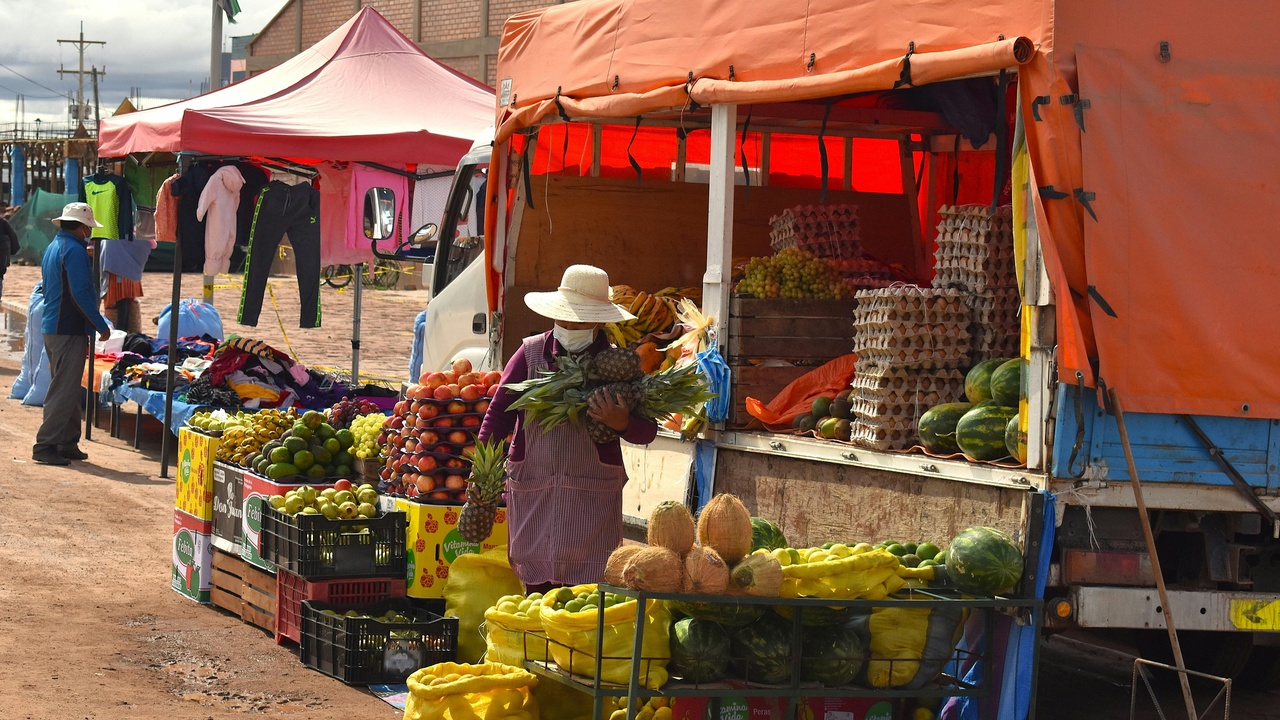
Swahili culture informs daily life across Tanzania, and hospitality is a consistent highlight for visitors.
The country is ethnically and linguistically diverse—around 120+ ethnic groups and languages—yet Swahili serves as the common tongue and English is widely used in tourist areas. Learning simple phrases like “Jambo” (hello) and “Asante” (thank you) goes a long way.
Community-run tourism projects and homestays offer authentic exchanges: eat with families, join fishing trips, or help with a village craft workshop. Those experiences turn travel into meaningful cultural contact.
11. Join cultural festivals and seasonal events
Festivals bring music, dance and crafts into the open—and timing a trip for a festival can amplify cultural immersion.
Sauti za Busara, Zanzibar’s popular music festival, typically takes place in February and draws regional and international acts. Local market days, craft fairs and coastal celebrations recur throughout the year; book early for festival dates since accommodations fill quickly.
Check festival schedules when planning travel and combine event attendance with nearby cultural tours to make the most of your visit.
12. Practical travel: accessibility, value, and trip planning
Tanzania is increasingly straightforward to visit thanks to international flights into Kilimanjaro (JRO) and Dar es Salaam (DAR) and a growing domestic flight network.
Typical trip lengths run 7–14 days for a combined safari-and-beach itinerary. Many travelers opt for a 10-day plan: four days on a northern safari (Serengeti/Ngorongoro), three days exploring Kilimanjaro day hikes or the Usambaras, and three days in Zanzibar.
Visas vary by nationality but e-visa or visa-on-arrival options exist for many visitors; domestic carriers connect parks while road transfers remain common between certain sites. Budget ranges span camping and budget lodges up to luxury tented camps—pick the level that matches your comfort and wildlife priorities.
Summary
- See the Great Wildebeest Migration: roughly 1.5 million animals with peak river crossings in June–July and October–November.
- Climb Kilimanjaro (5,895 m) or choose Mount Meru and the Usambara/Udzungwa ranges for quieter trekking and quicker acclimatization.
- Pair northern safaris (Serengeti, Ngorongoro) with Zanzibar’s Stone Town (UNESCO 2000) and world-class beaches and reefs.
- Tanzania delivers authentic cultural experiences—Swahili hospitality across 120+ ethnic groups, spice tours, festivals such as Sauti za Busara—and practical travel options from JRO and DAR.
- These are compelling reasons to visit Tanzania, whether you want wildlife spectacles, high-altitude challenge, island relaxation, or cultural immersion—start planning a trip or book a local guide to lock in dates and peak-season experiences.