No widely documented sites meet the strict definition of “Ruins in Djibouti.”
The phrase “ruins in Djibouti” asks for visible, well-documented, stone-built archaeological or historic remains. Few places in Djibouti meet that strict test. Built heritage is often recent, made of perishable materials, or not yet recorded by formal archaeology. As a result, an authoritative list of classical “ruins” in Djibouti does not exist.
Understand why this search returns no clear matches. Djibouti’s people have long lived a mobile, pastoral life and used wood, mud, and light masonry that do not survive as stone ruins. The landscape sits in an active rift and a harsh coastal climate. Volcanic ground, strong erosion, salt corrosion, and tectonic shifts erase or bury remains. Also, archaeological study in Djibouti has been limited compared with nearby Ethiopia, so many sites are poorly documented or only known from brief surveys.
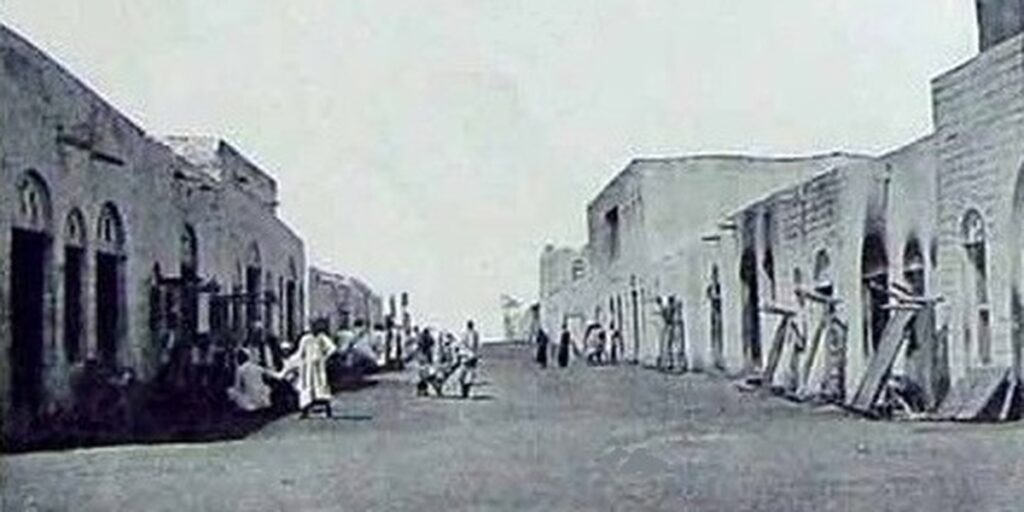
Explore close alternatives instead. Look for colonial-era remains in Obock and Djibouti–Tadjoura towns and for historic coral-masonry mosques and old quarters in Tadjoura. Check for scattered prehistoric finds and surface stone tools in the Afar Rift rather than intact stone ruins. Consider broader searches: “historic sites in Djibouti,” “archaeological surveys of the Horn of Africa,” or heritage listings from Djibouti’s government and UNESCO for the best leads.