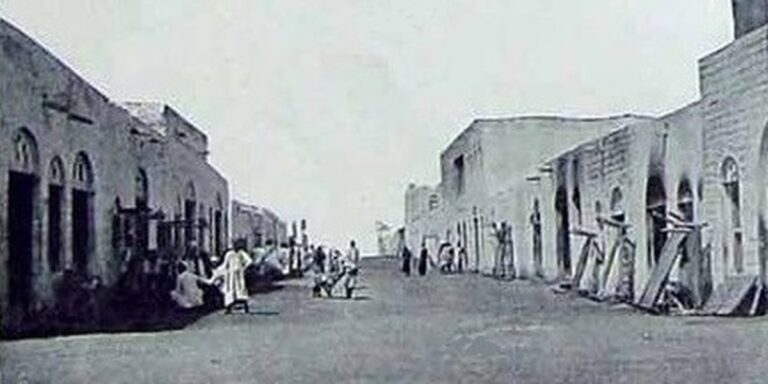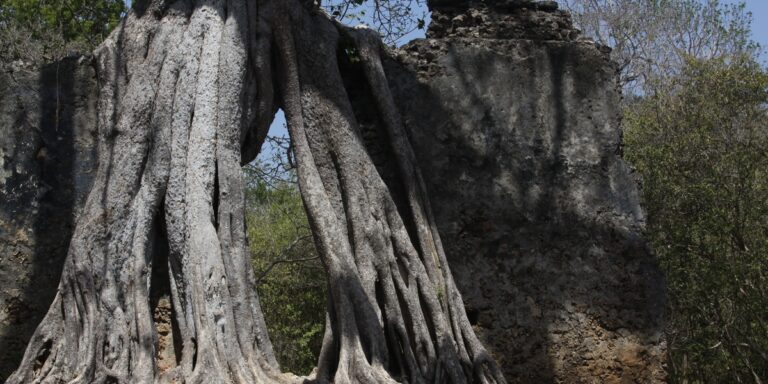
The Maldives is usually pictured as blue lagoons and coral atolls, but many islands also preserve traces of earlier inhabitants: mounds, foundation stones and shipwreck-related remains that hint at long-standing human activity across the archipelago. These sites offer a practical window into regional trade, settlement shifts and local craftsmanship.
There are 5 Ruins in Maldives, ranging from Fuvahmulah Havitta to Kuruhinna Tharaagandu. For each site the data is organized as Location,Era (approx),Origin / Type so you can compare age and origin at a glance — you’ll find below.
How accessible are these ruins to visitors?
Access varies a lot by island: some sites are reachable by scheduled domestic flights or public ferries plus short land transfers, while others need private boats or guided arrangements. Check local transport options, seasonal schedules and any entry rules before you go.
What should I keep in mind when visiting a ruin in the Maldives?
Treat ruins as sensitive heritage—avoid climbing or removing material, follow local guidance, and seek permissions if required. Bring sun and insect protection, respect private or sacred spaces, and plan visits around tides and weather for the safest approach.
Ruins in Maldives
| Name | Location | Era (approx) | Origin / Type |
|---|---|---|---|
| Isdhoo Stupa | Isdhoo, Laamu Atoll | 8th–12th century CE | Buddhist stupa/havitta |
| Gan Stupa | Gan, Addu Atoll | 8th–12th century CE | Buddhist stupa/havitta |
| Kuruhinna Tharaagandu | Kuruhinna, Vaavu Atoll | 10th–12th century CE | Buddhist monastery complex |
| Fuvahmulah Havitta | Fuvahmulah Island, Gnaviyani Atoll | 8th–12th century CE | Buddhist stupa/havitta |
| Kudahuvadhoo Havitta | Kudahuvadhoo, Dhaalu Atoll | 9th–12th century CE | Buddhist stupa/havitta |
Images and Descriptions

Isdhoo Stupa
Large pre-Islamic stupa mound on Isdhoo, Laamu Atoll. Significant late–Buddhist remains with carved coral stones and collapsed structural features; many artifacts moved to Malé’s National Museum. Island is inhabited and reachable by ferry; site is visible but largely unexcavated and overgrown.
Gan Stupa
Impressive Buddhist mound on Gan, Addu Atoll, one of the Maldives’ largest havitta sites. Stone foundations and fragments survive; some carvings removed to museums. Easily visited from Gan airport and inhabited island, though preservation is poor and interpretation panels are limited.
Kuruhinna Tharaagandu
Excavated monastery complex on Kuruhinna Island, Vaavu Atoll, with foundation walls, coral-stone platforms and ritual features dating to the Buddhist era. Artifacts from the site are in Malé; the uninhabited island is a popular day-trip for visitors interested in visible archaeological ruins.
Fuvahmulah Havitta
Inland mound and scattered stone remains on Fuvahmulah Island, Gnaviyani Atoll, representing Buddhist-period occupation. Fragments and coral slabs attest to pre-Islamic religion; limited excavation and overgrowth mean remains are subtle. Visit via local transport; respect local property and protection rules.
Kudahuvadhoo Havitta
Large stupa mound on Kudahuvadhoo, Dhaalu Atoll, noted historically for fine coral-carved panels and lintels found nearby. Many decorative stones were taken to the National Museum; the island is inhabited and the mound can be viewed locally though it’s not a formal archaeological park.