Peru’s landscape is a patchwork of high Andes, coastal deserts and cloud forests, and that variety is reflected in its archaeological record. From household shrines to sprawling urban centers, the country’s ruins tell stories of many peoples across millennia and invite exploration on foot, by boat and by road.
There are 29 Ruins in Peru, ranging from Amaru Muru (Gate of the Gods) — excluded as myth, to Túcume (Pyramids of Túcume). I organize each entry by Region,Coordinates (lat,long),Period/Culture so you can quickly compare location and chronology, and you’ll find below.
Which ruins in Peru are easiest for a first-time visitor to reach and explore?
Look for sites with visitor services and good transport links: places near major cities (for example, Huaca Pucllana and Pachacamac near Lima) or those with regular buses and guided tours. Popular sites like Machu Picchu require advance tickets and train arrangements, while coastal or lowland sites may be seasonal; check access times, entry limits and basic facilities before you go.
How reliable are the coordinates and cultural attributions in this list?
Coordinates and attributions come from published surveys, regional records and official heritage bodies, but precision can vary by source and GPS method. Use the listed coordinates as a navigation starting point and consult local guides, park offices or recent publications for the most current site boundaries and interpretive updates.
Ruins in Peru
| Name | Region | Coordinates (lat,long) | Period/Culture |
|---|---|---|---|
| Machu Picchu | Cusco | -13.16,-72.54 | Inca |
| Choquequirao | Cusco | -13.46,-72.90 | Inca |
| Ollantaytambo | Cusco | -13.26,-72.27 | Inca |
| Pisac | Cusco | -13.41,-71.86 | Inca |
| Sacsayhuamán | Cusco | -13.51,-71.97 | Inca |
| Qoricancha | Cusco | -13.52,-71.98 | Inca |
| Tipón | Cusco | -13.53,-71.85 | Inca |
| Moray | Cusco | -13.33,-72.16 | Inca |
| Qenqo | Cusco | -13.52,-71.97 | Inca |
| Tambomachay | Cusco | -13.50,-71.95 | Inca |
| Chavín de Huántar | Ancash | -9.58,-77.23 | Chavín |
| Kuelap | Amazonas | -6.47,-77.87 | Chachapoya |
| Chan Chan | La Libertad | -8.11,-79.03 | Chimú |
| Huaca del Sol y de la Luna | La Libertad | -8.12,-79.05 | Moche |
| Sipán (Huaca Rajada) | Lambayeque | -6.77,-79.78 | Moche |
| Túcume (Pyramids of Túcume) | Lambayeque | -6.58,-79.48 | Lambayeque |
| Caral | Lima | -10.89,-77.53 | Norte Chico/Caral |
| Sillustani | Puno | -15.83,-70.07 | Colla/Pucará |
| Pachacamac | Lima | -12.52,-76.87 | Ichma/Inca |
| Huaca Pucllana | Lima | -12.06,-77.03 | Lima culture |
| Nazca Lines | Ica | -14.83,-74.94 | Nazca |
| Chankillo | Ancash | -9.12,-78.26 | Prehistoric coastal |
| El Brujo (Huaca Cao Viejo) | La Libertad | -7.12,-79.13 | Moche |
| Huaca Huallamarca | Lima | -12.05,-77.03 | Lima culture |
| Puka Pukara | Cusco | -13.49,-71.96 | Inca |
| Marcahuamachuco | La Libertad | -7.11,-78.10 | Pre-Inca |
| Tambopata archaeological sites (e.g., Pukio) | Madre de Dios | -12.88,-69.25 | Amazonian pre-Columbian |
| Qhapaq Ñan segments (Inca Road) | Multiple | -13.52,-71.97 | Inca |
| Amaru Muru (Gate of the Gods) — excluded as myth | — | — | — |
Images and Descriptions
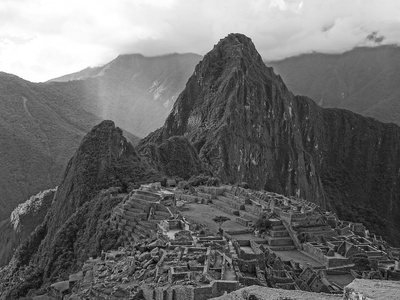
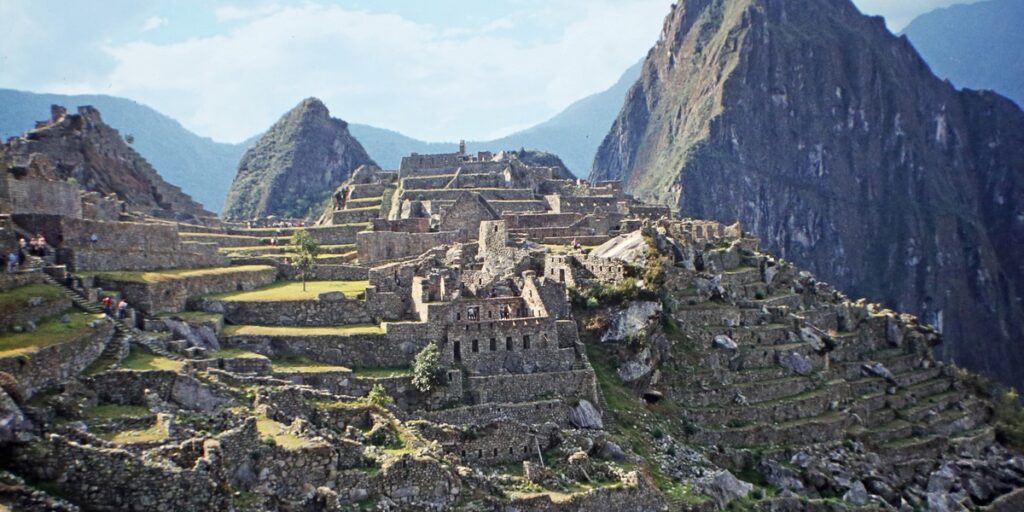
Machu Picchu
Iconic 15th-century Inca citadel perched on a mountain ridge near Aguas Calientes. Famous for terraces, temples, and panoramic views; entry requires timed tickets and either the train from Cusco or multi-day hikes along the Inca Trail for a memorable visit.
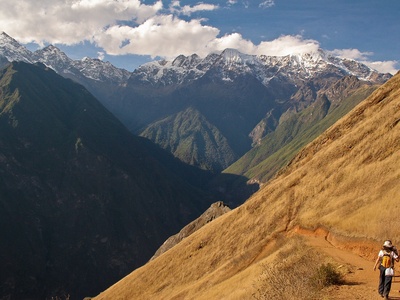
Choquequirao
Remote Inca complex of terraces, plazas, and carved stonework overlooking the Apurímac valley. Less visited than Machu Picchu, access is multi-day trek or mule; ideal for hikers seeking solitude and dramatic archaeology off the beaten path.
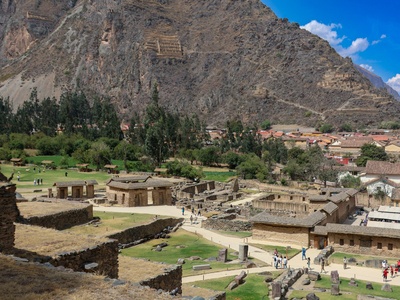
Ollantaytambo
Living Inca town with massive fortress terraces and finely cut stonework at the valley entrance. Often a staging point for Machu Picchu, visitors can explore narrow streets, hilltop ruins, and active archaeological restoration areas.
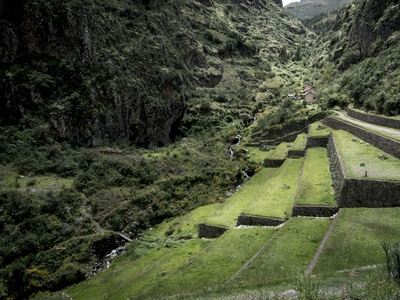
Pisac
Hilltop complex of terraces, tombs, and ceremonial structures above Pisac town and its colorful market. Notable for agricultural terraces and views of the Sacred Valley; combine with the Sunday market and nearby colonial attractions.
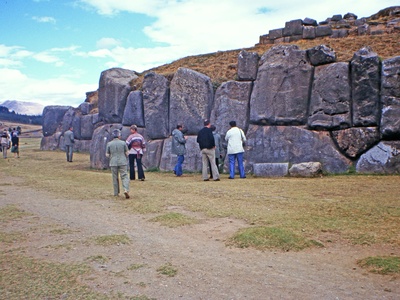
Sacsayhuamán
Massive dry-stone fortification above Cusco city built with tens-ton stones precisely fitted together. Popular for panoramic city views and Inti Raymi celebrations; easy half-day visit from Cusco with short uphill walks.

Qoricancha
Once the principal Temple of the Sun in Cusco, later incorporated into the Santo Domingo church. Stone walls show Inca masonry beneath colonial structures; central and easy to visit in Cusco’s historic core.
Tipón
Known for sophisticated irrigation canals, terraces, and ceremonial plazas demonstrating Inca hydraulic engineering. Close to Cusco and less crowded; pleasant walks and impressive surviving waterworks make it a favorite day trip.
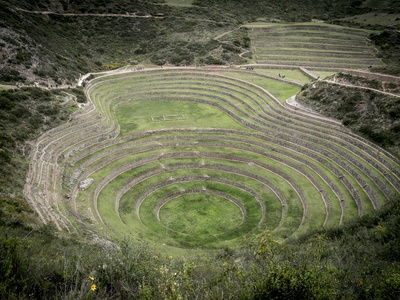
Moray
Unusual concentric agricultural terraces forming deep circular depressions—thought to be an experimental farming lab. Near Maras salt mines; quick visits combine archaeology with striking landscape photography opportunities.
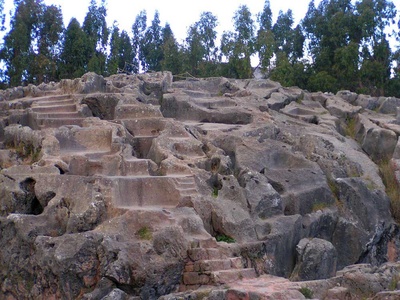
Qenqo
Rock-cut ceremonial center near Cusco with carved amphitheaters, channels, and possible sacrificial altars. Compact site easily paired with Sacsayhuamán and Qoricancha during a Cusco half-day itinerary.
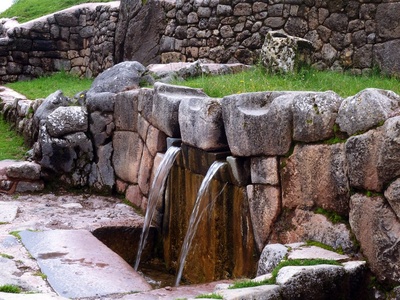
Tambomachay
Water sanctuary of finely dressed stone channels, baths, and springs once associated with ritual bathing for Inca elites. Short visit near Cusco, often included with the city’s surrounding archaeological circuit.
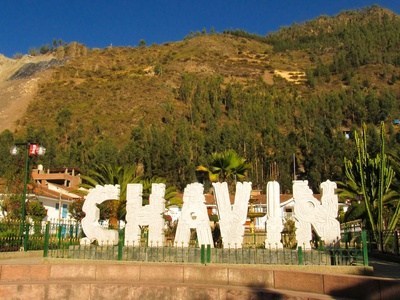
Chavín de Huántar
Major ceremonial center set high in the northern highlands with intricate stone carvings and underground galleries. A UNESCO site offering museums, guided tours, and insight into early Andean religion and art.
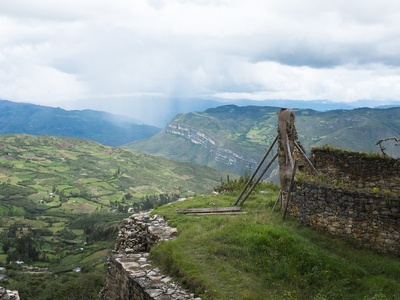
Kuelap
Enormous walled hilltop citadel with circular stone houses built by the Chachapoya people. Access via cable car and road from Chachapoyas; impressive stone architecture and sweeping cloud-forest views reward the journey.
Chan Chan
Largest pre-Columbian adobe city in the Americas, near Trujillo, featuring ceremonial plazas and intricate friezes. Guided tours explain Chimú urban planning and conservation challenges; best visited with museum stops in Trujillo.
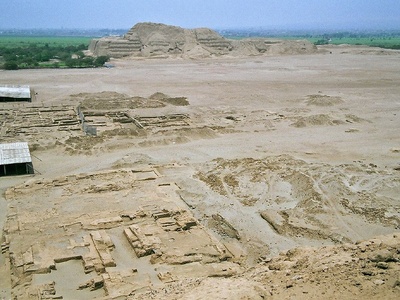
Huaca del Sol y de la Luna
Twin Moche mounds: Huaca del Sol (larger, mostly destroyed) and Huaca de la Luna (painted murals preserved). The museum and site near Trujillo showcase elite Moche art and ritual practices.
Sipán (Huaca Rajada)
Royal Moche tomb complex where spectacular gold and funerary finds reshaped Andean archaeology. The site museum (Royal Tombs of Sipán) presents artifacts and context; guided visits recommended.
Túcume (Pyramids of Túcume)
Large archaeological park of adobe pyramids and ceremonial platforms spread across a desert ridge. Museum and interpretive trails explain Lambayeque culture; accessible from Chiclayo for day trips.
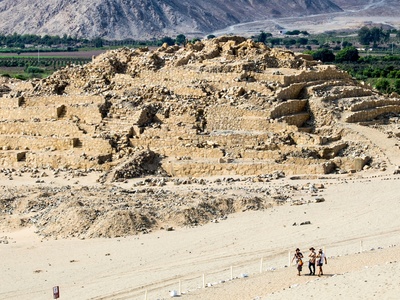
Caral
Oldest known urban center in the Americas (c. 3,000–1,800 BCE) with plazas, mounds, and amphitheaters in the Supe Valley. Well-interpreted site with visitor center; easy half-day from Lima or Paracas overnight.
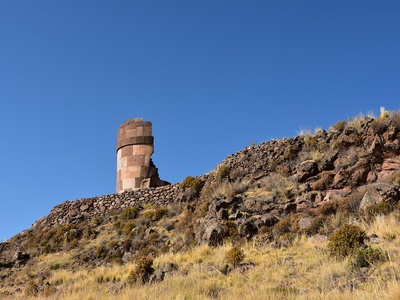
Sillustani
Pre-Inca funerary towers (chullpas) on a peninsula above Lake Umayo near Puno. Dramatic lakeside setting and views of the Altiplano; short visit often combined with Lake Titicaca excursions.
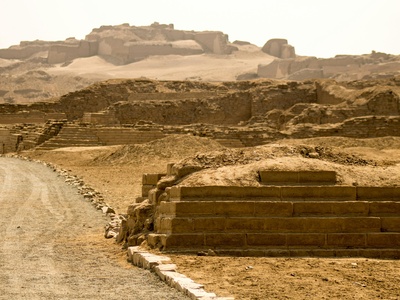
Pachacamac
Coastal pilgrimage complex south of Lima with temples, plazas, and painted adobe mounds spanning centuries. Archaeological museum and guided tours explain its long ceremonial role for coastal cultures.
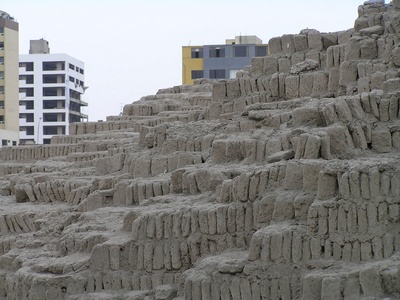
Huaca Pucllana
Adobe ceremonial pyramid in central Miraflores preserved within the modern city. Night visits and on-site museum provide insights into coastal prehistory; easily combined with Lima’s dining and coastal walks.
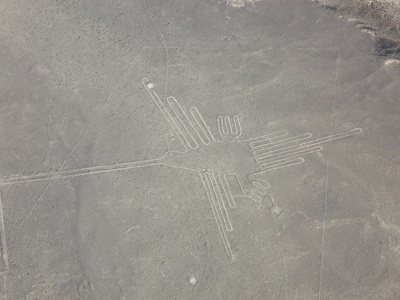
Nazca Lines
Vast geoglyphs etched into the desert plains depicting animals, plants, and geometric lines. Best viewed by small tourist flights or observation towers; fragile site with strict preservation rules.
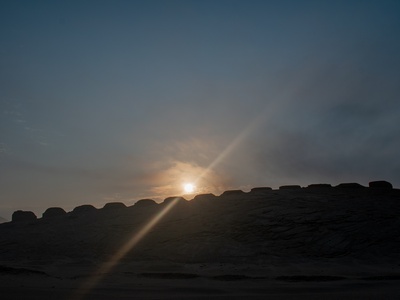
Chankillo
Fortified hill with the famous Thirteen Towers solar observatory line; evidence of astronomical and ceremonial planning on the coast. Remote but accessible from coastal towns; guides illuminate its calendrical function.
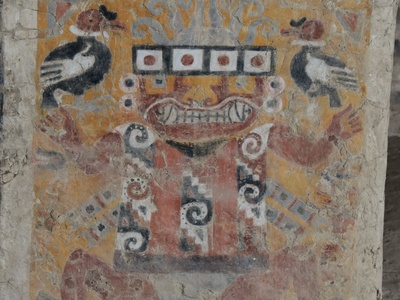
El Brujo (Huaca Cao Viejo)
Moche temple complex featuring well-preserved mural panels and a female mummy exhibit (Lady of Cao). Excellent museum and interpretive trails near Trujillo highlighting Moche society and ritual.
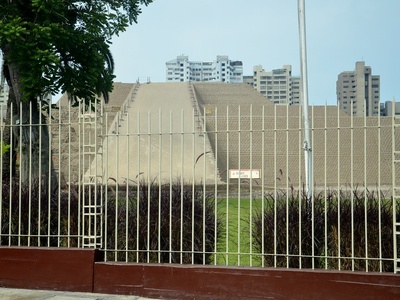
Huaca Huallamarca
Pre-Hispanic adobe pyramid in Lima’s San Isidro district with on-site museum. Compact, central, and informative for visitors wanting quick archaeological context within the modern city.
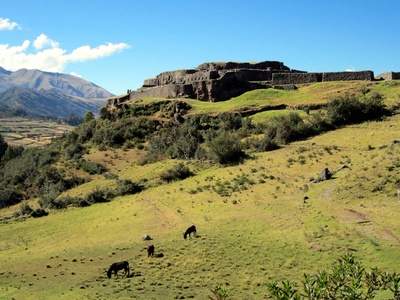
Puka Pukara
Stone military outpost or checkpoint above Cusco with rugged terraces and views over the valley. Short stop on many Cusco circuits, requiring a brief uphill walk; interesting example of Inca defensive architecture.
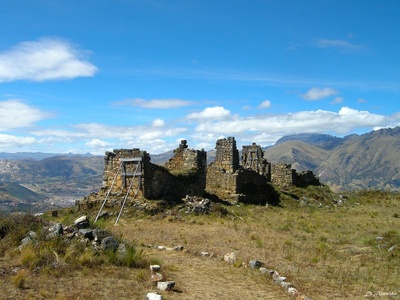
Marcahuamachuco
Large pre-Inca ceremonial and administrative center on a hilltop plateau with stone enclosures and plazas. Remote and evocative, it offers insight into highland pre-Inca polities; best reached from Huamachuco.
Tambopata archaeological sites (e.g., Pukio)
Scattered earthworks and mounds indicating complex pre-Columbian Amazonian occupations near Madre de Dios. Research sites require guides and are of growing interest for rainforest archaeology.
Qhapaq Ñan segments (Inca Road)
Remnants of the extensive Inca road network cross multiple regions with stone causeways, stairways, and tambos. Visit preserved segments near Cusco and Ancash; great for hiking and understanding imperial logistics.
Amaru Muru (Gate of the Gods) — excluded as myth
EXCLUDED