Norway’s coastline, islands and inland valleys are threaded with traces of past lives — longhouses, medieval abbeys, fortified farms and abandoned fishing hamlets. These ruins tell stories of trade, faith and everyday survival across rugged terrain, and they sit in settings from exposed skerries to sheltered fjord-side fields.
There are 90 Ruins in Norway, ranging from Agatunet to Ås Abbey Ruins. For each entry you’ll find below Region,Coordinates (lat,long),Era / period so you can sort sites by place or historical context; the list makes it easy to spot clusters, travel routes and time periods you’ll find below.
How were the ages and histories of these ruins determined?
Dates and historical context come from a mix of archaeological reports, carbon dating where available, historical documents and national heritage registers; when exact dating isn’t possible the list notes the likely era or phase based on construction style, finds and archival references.
Are these ruins open to the public and are there any access rules?
Many sites are accessible from public paths but some lie on private land or in protected zones; always check local signage, contact municipal tourism offices or the Directorate for Cultural Heritage for restrictions, and follow safety and preservation guidelines when visiting.
Ruins in Norway
| Name | Region | Coordinates (lat,long) | Era / period |
|---|---|---|---|
| Hamar Cathedral Ruins | Hamar, Innlandet | 60.7951,11.0375 | Medieval |
| Hovedøya Monastery Ruins | Oslo | 59.9008,10.7303 | Medieval |
| Nes Church Ruins | Nes, Akershus | 60.1557,11.4552 | Medieval |
| Selje Monastery Ruins | Selje, Vestland | 62.0468,5.2917 | Medieval |
| Steinvikholm Castle | Stjørdal, Trøndelag | 63.5414,10.8123 | 16th c. |
| Tunsberghus Fortress Ruins | Tønsberg, Vestfold | 59.2705,10.4042 | Medieval |
| Lyse Monastery Ruins | Bjørnafjorden, Vestland | 60.2223,5.4389 | Medieval |
| St. Hallvard’s Cathedral Ruins | Gamlebyen, Oslo | 59.9048,10.7679 | Medieval |
| Tautra Monastery Ruins | Frosta, Trøndelag | 63.5828,10.6186 | Medieval |
| Sverresborg Castle Ruins, Trondheim | Trondheim, Trøndelag | 63.4211,10.3541 | Medieval |
| Istrehågan Burial Field | Larvik, Vestfold | 59.0158,10.1039 | Iron Age |
| Maridalen Church Ruins | Maridalen, Oslo | 59.9881,10.7933 | Medieval |
| Munkeby Monastery Ruins | Levanger, Trøndelag | 63.7313,11.3533 | Medieval |
| Gildeskål Old Church Ruins | Gildeskål, Nordland | 67.0341,13.8643 | Medieval |
| St. Olav’s Church Ruins, Bamble | Bamble, Telemark | 59.0069,9.6593 | Medieval |
| Stoplesteinan | Eigersund, Rogaland | 58.4128,6.0145 | Iron Age |
| Mjøskastellet | Ringsaker, Innlandet | 60.8872,10.7093 | Medieval |
| Sverresborg Castle Ruins, Bergen | Bergen, Vestland | 60.3994,5.3160 | Medieval |
| Nonneseter Abbey Ruins | Bergen, Vestland | 60.3892,5.3331 | Medieval |
| Olavskirken Ruins | Sarpsborg, Østfold | 59.2785,11.1190 | Medieval |
| Rein Monastery Ruins | Indre Fosen, Trøndelag | 63.5684,9.9678 | Medieval |
| St. Clement’s Church Ruins | Trondheim, Trøndelag | 63.4350,10.4005 | Viking Age |
| Visnes Copper Mines | Karmøy, Rogaland | 59.3567,5.2223 | 19th c. |
| Audunborg | Ålhus, Vestland | 61.5039,6.2307 | Medieval |
| St. Peter’s Church Ruins | Tønsberg, Vestfold | 59.2662,10.4079 | Medieval |
| Valdisholm Fortress Ruins | Indre Østfold | 59.5768,11.2335 | Medieval |
| Kristin’s Church on Håkon’s Hill | Tønsberg, Vestfold | 59.2668,10.4093 | Medieval |
| St. Mary’s Church Ruins, Oslo | Oslo | 59.9038,10.7388 | Medieval |
| Rødven Stave Church site | Rauma, Møre og Romsdal | 62.6366,7.5218 | Medieval |
| Grøderøysa Burial Cairn | Randaberg, Rogaland | 59.0118,5.5925 | Bronze Age |
| Børaunen Hillfort | Randaberg, Rogaland | 59.0069,5.5562 | Iron Age |
| Røyken Old Church Ruins | Asker, Akershus | 59.7397,10.3846 | Medieval |
| Helgøya Church Ruins | Ringsaker, Innlandet | 60.7584,10.9575 | Medieval |
| Halsnøy Abbey Ruins | Kvinnherad, Vestland | 59.8008,5.6983 | Medieval |
| Kaupang | Larvik, Vestfold | 59.0305,10.1062 | Viking Age |
| Raknehaugen | Ullensaker, Akershus | 60.1068,11.1643 | Iron Age |
| Olav’s Chapel Ruins, Steinsland | Modalen, Vestland | 60.8354,5.8078 | Medieval |
| Foss Church Ruins | Sigdal, Viken | 60.0463,9.6339 | Medieval |
| Giske Church Site | Giske, Møre og Romsdal | 62.4925,6.0594 | Medieval |
| Hestneshula Cave | Flakstad, Nordland | 68.0467,13.1664 | Stone Age |
| Olavskilden, Hamar | Hamar, Innlandet | 60.7938,11.0360 | Medieval |
| Sørbø Church Ruins | Stavanger, Rogaland | 59.0125,5.7876 | Medieval |
| Kvie Church Ruins | Suldal, Rogaland | 59.4795,6.2307 | Medieval |
| Holla Church Ruins | Nome, Telemark | 59.2941,9.2894 | Medieval |
| Skånevik Church Site Ruins | Etne, Vestland | 59.7369,5.9281 | Medieval |
| Archbishop’s Palace Ruins | Trondheim, Trøndelag | 63.4262,10.3956 | Medieval |
| Værne Monastery Ruins | Rygge, Østfold | 59.3491,10.7042 | Medieval |
| St. Alban’s Church Ruins | Selje, Vestland | 62.0466,5.2913 | Medieval |
| St. Sunniva Church Ruins | Selje, Vestland | 62.0461,5.2908 | Medieval |
| Katarinakirken Ruins | Tønsberg, Vestfold | 59.2687,10.4074 | Medieval |
| Olavsklosteret Ruins, Tønsberg | Tønsberg, Vestfold | 59.2660,10.4070 | Medieval |
| Gunnarsborg | Bamble, Telemark | 58.9701,9.6534 | Viking Age |
| Tanum Church Ruins | Bærum, Akershus | 59.8978,10.5186 | Medieval |
| Oddernes Church Stone Ruins | Kristiansand, Agder | 58.1598,8.0163 | Viking Age |
| Agatunet | Ullensvang, Vestland | 60.3341,6.5492 | Medieval |
| St. Georg’s Hospital Ruins | Bergen, Vestland | 60.3908,5.3308 | 15th c. |
| Ås Abbey Ruins | Bømlo, Vestland | 59.7891,5.2078 | Medieval |
| Motsogn Church Ruins | Luster, Vestland | 61.3486,7.2435 | Medieval |
| Finneloftet Foundations | Voss, Vestland | 60.6294,6.4150 | Medieval |
| Tridentila Bronze Age Site | Stavanger, Rogaland | 58.9379,5.7171 | Bronze Age |
| Avaldsnes Royal Manor | Karmøy, Rogaland | 59.3541,5.2905 | Medieval |
| Høgnakken Hillfort | Ålesund, Møre og Romsdal | 62.4608,6.2309 | Iron Age |
| Gjesvold Church Ruins | Nome, Telemark | 59.2458,9.2201 | Medieval |
| Vattenberget Hillfort | Fredrikstad, Østfold | 59.2081,10.9575 | Iron Age |
| Kjøpsvik Churchyard Ruins | Narvik, Nordland | 68.0931,16.3683 | 17th c. |
| Veøya Church Ruins | Molde, Møre og Romsdal | 62.6256,7.4228 | Medieval |
| Skjelver Farm Ruins | Nordre Follo, Akershus | 59.7562,10.8653 | Iron Age |
| Kvernes Tingsted | Averøy, Møre og Romsdal | 63.0076,7.6974 | Viking Age |
| Elgeseter Priory Ruins | Trondheim, Trøndelag | 63.4216,10.3919 | Medieval |
| Steigarberg Chapel Ruins | Bømlo, Vestland | 59.8837,5.2678 | Medieval |
| Utsira Church Ruins | Utsira, Rogaland | 59.3081,4.8876 | 18th c. |
| Løvøya Chapel Ruins | Horten, Vestfold | 59.4447,10.4578 | Medieval |
| Borre Church Ruins | Horten, Vestfold | 59.3828,10.4680 | Medieval |
| Søndre Berg Farm Ruins | Ringsaker, Innlandet | 60.8920,10.7410 | Iron Age |
| Old Aker Church Site | Oslo | 59.9238,10.7483 | Medieval |
| Borgund Stave Church Site | Lærdal, Vestland | 61.0470,7.8120 | Medieval |
| Rocamadour-Lilløya | Inderøy, Trøndelag | 63.8741,11.2721 | Medieval |
| Fluberget Rock Carving Site | Stavanger, Rogaland | 58.9501,5.6599 | Bronze Age |
| Ytraberget Hillfort | Sola, Rogaland | 58.9272,5.6025 | Viking Age |
| Rogaland Arboretum Church Ruin | Sandnes, Rogaland | 58.8370,5.7797 | Medieval |
| Byneset Church Foundations | Trondheim, Trøndelag | 63.3888,10.2037 | Medieval |
| Herrebro Steinkretser | Fredrikstad, Østfold | 59.2483,11.0433 | Iron Age |
| Tingvoll Stone Settings | Steigen, Nordland | 67.9042,15.0118 | Viking Age |
| Vang Burial Monuments | Vang, Innlandet | 61.1272,8.5714 | Viking Age |
| Odda Smelting Plant | Odda, Vestland | 60.0712,6.5491 | 20th c. |
| Gravhaugene på Gunnarstorp | Sarpsborg, Østfold | 59.3134,11.0503 | Bronze Age |
| Rødsås Hillfort | Holmestrand, Vestfold | 59.5312,10.2319 | Iron Age |
| Steinbekkborgen | Rennebu, Trøndelag | 62.8091,9.8654 | Iron Age |
| Festningen på Jeløya | Moss, Østfold | 59.4449,10.6094 | Iron Age |
| Slottet på Limsjøen | Skien, Telemark | 59.2223,9.5841 | Medieval |
Images and Descriptions
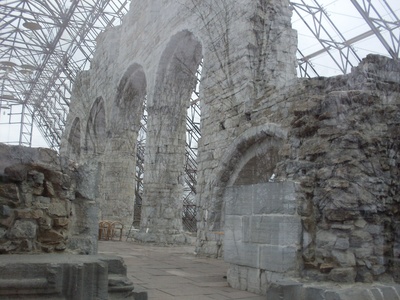
Hamar Cathedral Ruins
Stunning medieval cathedral ruins protected by a magnificent glass structure, the “Hamardomen.” It’s a unique site where history meets modern architecture, part of the Anno Museum and requires an entry ticket for full access.
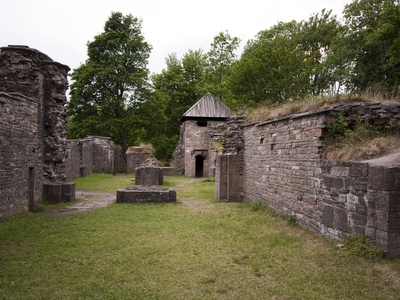
Hovedøya Monastery Ruins
The stone remains of a Cistercian monastery from 1147 on Hovedøya island. A short ferry ride from downtown Oslo, the ruins are freely accessible for a peaceful walk through history amidst nature, best visited in summer.
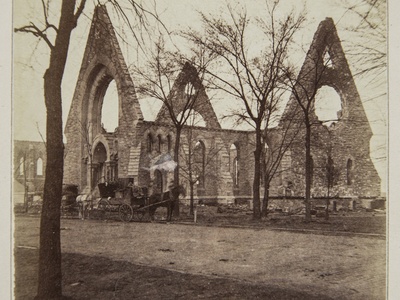
Nes Church Ruins
Dramatically located where the Glomma and Vorma rivers meet, these medieval church ruins are a popular spot for photography and concerts. The site is open to the public and offers a powerful glimpse into its fire-ravaged past.
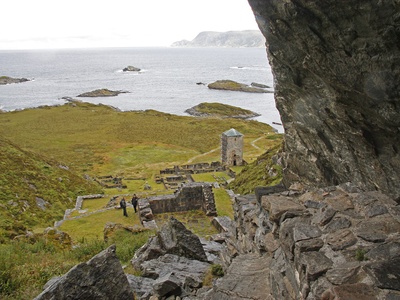
Selje Monastery Ruins
Perched on the island of Selja, these are the ruins of a Benedictine monastery and pilgrimage site dedicated to St. Sunniva. The site is accessible by boat tour from Selje, offering incredible views and a deep sense of history.
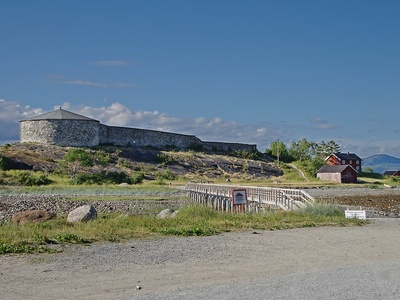
Steinvikholm Castle
Once the fortress of Norway’s last Catholic archbishop, this island castle is now a formidable ruin. It hosts an annual midnight opera. Check opening times for interior access during summer, though the exterior is always visible.
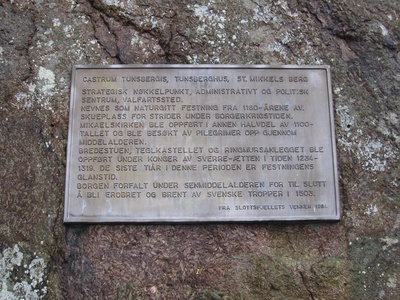
Tunsberghus Fortress Ruins
Located on Slottsfjellet (Castle Hill) in Norway’s oldest city, these are the ruins of a massive medieval fortress. The iconic stone tower is a 19th-century addition, but the extensive grounds with original walls are free to explore.
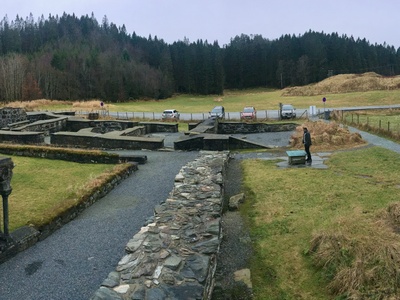
Lyse Monastery Ruins
Founded in 1146, this was Norway’s first Cistercian monastery. The well-preserved stone walls and archways stand peacefully by the Lysefjord. The site is freely accessible and has informative signs detailing its history.
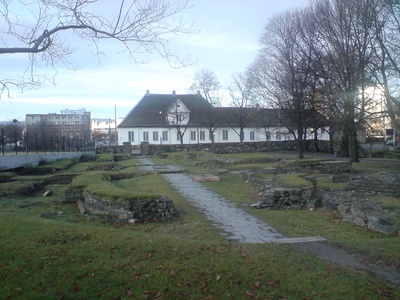
St. Hallvard’s Cathedral Ruins
These are the foundational ruins of Oslo’s first cathedral, dedicated to the city’s patron saint. Located in Minneparken (Memorial Park), the outlines of the grand church are laid bare and are freely accessible to the public year-round.
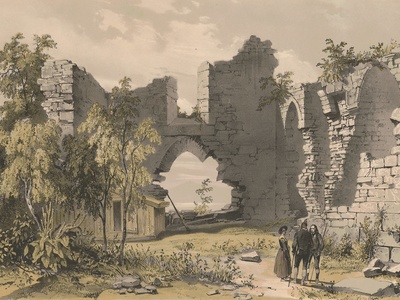
Tautra Monastery Ruins
The scenic seaside ruins of a Cistercian monastery founded in 1207 on the island of Tautra. A modern convent has been built nearby, but the original ruins are open for visitors to walk through and enjoy the tranquil atmosphere.
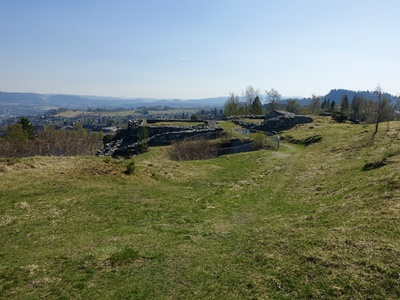
Sverresborg Castle Ruins, Trondheim
The ruins of King Sverre Sigurdsson’s 12th-century stone and wood fortress, perched on a strategic hill. Now part of the Sverresborg Trøndelag Folk Museum, the ruins offer panoramic views of the city. Museum admission is required.

Istrehågan Burial Field
Often called Norway’s “Stonehenge,” this site features ancient stone ships and burial mounds from the Roman Iron Age. It’s a fascinating, freely accessible archaeological park perfect for a walk, just a short drive from Larvik.
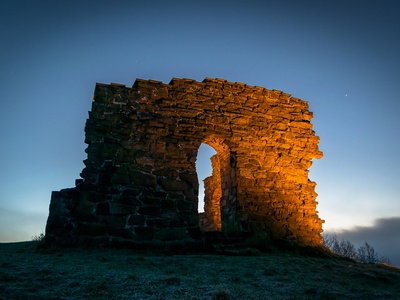
Maridalen Church Ruins
The romantic stone ruins of St. Margaret’s Church, nestled by Maridalsvannet lake just outside Oslo. A popular destination for hikers and cyclists, the ruin is always open and hosts occasional concerts and services in summer.
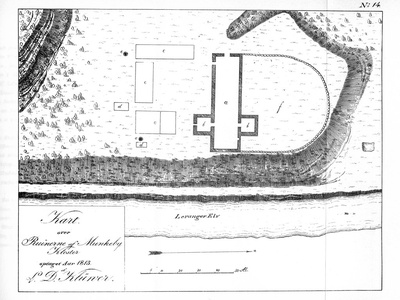
Munkeby Monastery Ruins
These are the quiet and lesser-known ruins of a Cistercian monastery from the 12th century, located inland from the Trondheimsfjord. The site is freely accessible and offers a very peaceful and authentic historical experience.
Gildeskål Old Church Ruins
The stone walls of a medieval church that served the northern coast for centuries before being replaced. The ruin stands next to the new church and is a poignant landmark, freely accessible to visitors in the churchyard.
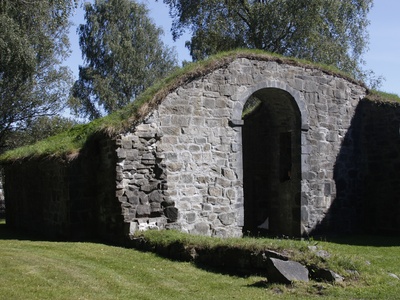
St. Olav’s Church Ruins, Bamble
The ruins of a substantial medieval stone church, possibly a pilgrimage church, located in a beautiful cultural landscape. The site is well-maintained with information signs and is always open for visitors to explore freely.
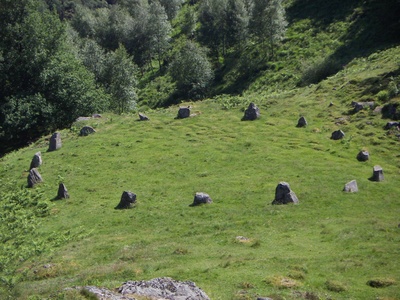
Stoplesteinan
A mysterious stone circle consisting of 16 raised stones, dating back over 1,500 years. Its purpose is unknown, but it was likely a sacred site or burial monument. A short hike leads to this atmospheric, freely accessible location.
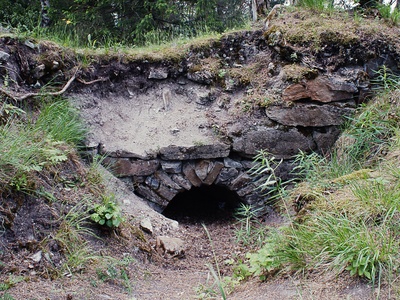
Mjøskastellet
The ruins of a medieval bishop’s defensive tower and fort on the island of Steinsholmen in Lake Mjøsa. Accessible by a causeway, the ruin is a picturesque spot for a walk, though the interior may be closed.
Sverresborg Castle Ruins, Bergen
Not to be confused with the one in Trondheim, these are the ruins of another of King Sverre’s fortresses, located within the Bergenhus Fortress grounds. The remaining walls are integrated into later fortifications and are free to visit.
Nonneseter Abbey Ruins
The remaining stone tower and chapel arch of a 12th-century Benedictine nunnery. Tucked away near the train station, these small but significant ruins are a freely accessible piece of Bergen’s medieval past.
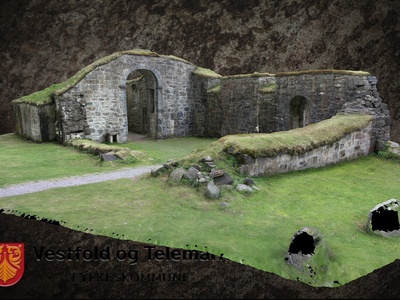
Olavskirken Ruins
The ruins of St. Olav’s Church, founded by King Olav the Holy in 1016, marking the origin of the city of Sarpsborg. The remaining stone walls stand in a park and are freely accessible to the public.
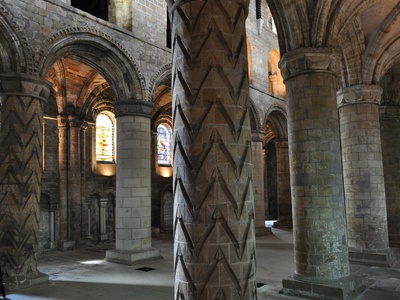
Rein Monastery Ruins
The atmospheric ruins of a noble convent for women, founded around 1230. Located on a private manor, the ruins have limited public access, so it’s essential to check visiting times, often available during summer events.
St. Clement’s Church Ruins
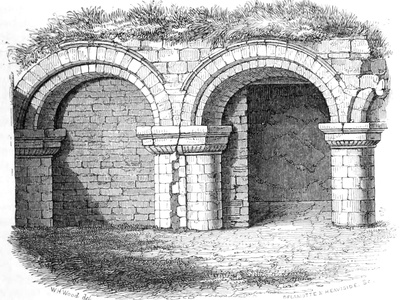
The stone foundations of the church where St. Olav was first enshrined after the Battle of Stiklestad. This is a hugely significant historical site, now located indoors and can be viewed through a window or on guided tours.
Visnes Copper Mines
The site of a massive 19th-century copper works, which supplied copper for the Statue of Liberty. Explore the ruined smelting house, administration building, and wander the park with its historical remnants. Freely accessible.
Audunborg
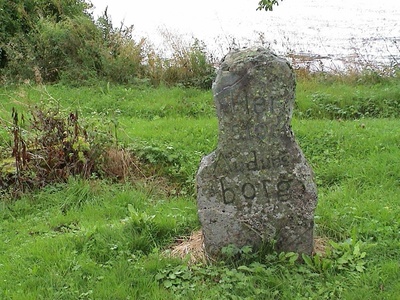
The ruins of a stone castle built around 1300 by Baron Audun Hugleiksson, one of the few private medieval castles in Norway. The foundations are visible in a field, offering a glimpse into the age of knights. Freely accessible.
St. Peter’s Church Ruins
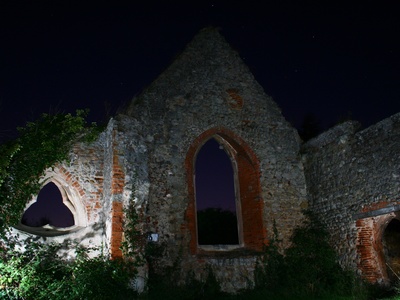
The foundations and remaining wall sections of a medieval church in the heart of Tønsberg. The ruin is located in a small park and provides a tangible link to the city’s rich medieval religious life. Always accessible.
Valdisholm Fortress Ruins
The low-lying ruins of a medieval fortress on an island in the Glomma river. Built by King Håkon Håkonsson around 1225, it’s a peaceful and historic spot, best visited by boat or canoe, though visible from the shore.
Kristin’s Church on Håkon’s Hill
The discovered foundations of a 12th-century church, believed to be the setting for a scene in Sigrid Undset’s novel “Kransen.” The outlines are marked on the ground in a public park, close to St. Peter’s ruins.
St. Mary’s Church Ruins, Oslo
The prominent ruins of the Royal Chapel in medieval Oslo, known for its beautiful brick Gothic architecture. Located in the Middelalderparken (Medieval Park), the site is freely accessible and overlooks the fjord.
Rødven Stave Church site
While the 17th-century church stands, right beside it are the low stone wall foundations of its medieval predecessor. It offers a unique chance to see the footprint of an earlier church. Access via the main churchyard.
Grøderøysa Burial Cairn
A large and well-preserved Bronze Age burial cairn with a central chamber, located near the coast. While a grave monument, its collapsed stone structure gives it a ruin-like appearance. Accessible via a short walk from the road.
Børaunen Hillfort
The extensive stone wall ruins of one of Norway’s most impressive prehistoric hillforts. It occupies a coastal cliff with dramatic sea views. The area is a public recreational space, perfect for a historic hike.
Røyken Old Church Ruins
The stone ruins of a Romanesque church from around 1200. Abandoned in the 19th century, its walls now stand without a roof, creating a tranquil and picturesque historic site that is always open to the public.
Helgøya Church Ruins
The foundations and partial walls of the medieval church on the island of Helgøya in Lake Mjøsa. Now part of the Hovinsholm manor gardens, it’s a beautiful, quiet spot. Check for public access hours for the manor grounds.
Halsnøy Abbey Ruins
The substantial ruins of an Augustinian monastery founded in 1163. The site is part of the Sunnhordland Museum, and visitors can freely wander the impressive stone walls and imagine monastic life.
Kaupang
While not a ruin of standing walls, this is the archaeological site of the Viking town of Kaupang. Visible remains include burial mounds and marked-out house plots, giving a true sense of the ancient settlement. Freely accessible park.
Raknehaugen
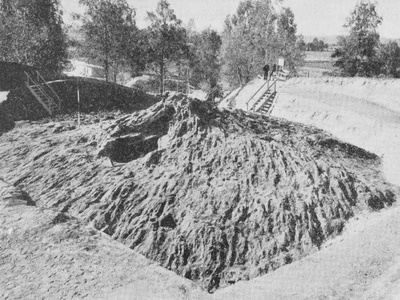
Northern Europe’s largest burial mound, a monumental work of engineering from the Migration Period. While a mound, its sheer scale and complex internal timber structure, now collapsed, make it a significant ruined monument. Freely accessible.
Olav’s Chapel Ruins, Steinsland
The low stone walls of a small medieval chapel hidden in the mountainous landscape of Modalen. This remote and atmospheric ruin requires a hike to reach, offering a reward for adventurous history lovers.
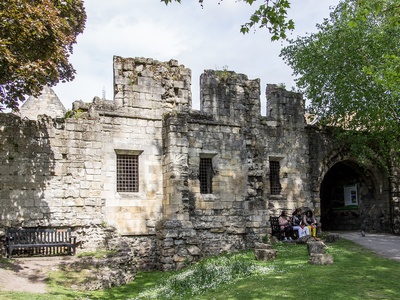
Foss Church Ruins
The picturesque ruins of a medieval stone church standing by the Simoa river. The gables and parts of the walls remain, creating a romantic and historically rich site that is always open to the public.
Giske Church Site
The existing Giske Church is a 12th-century marble chapel, but the surrounding grounds contain ruined elements of the powerful Giske family’s larger estate, including walls and outbuildings. The area is a public churchyard.
Hestneshula Cave
A coastal cave with visible remnants of a stone wall built by Stone Age inhabitants around 4,500 years ago to provide shelter. This ruin represents one of Norway’s oldest structures. Requires a coastal walk to access.
Olavskilden, Hamar
The ruins of a small stone chapel built over St. Olav’s Spring, near the main cathedral ruins. This was a destination for medieval pilgrims seeking healing. The foundations are visible as part of the wider Anno Museum site.
Sørbø Church Ruins
The low, turf-covered stone walls are all that remain of a medieval church on the island of Rennesøy. This tranquil site offers a quiet moment of reflection on a now-vanished community. Freely accessible in a farmer’s field.
Kvie Church Ruins
The low, moss-covered foundation walls of a small medieval church, located in a clearing in the forest. Reaching this forgotten site requires a short hike, offering a serene and off-the-beaten-path experience.
Holla Church Ruins
The impressive and slightly eerie ruins of a large medieval stone church, abandoned after a new church was built. The high walls and window openings are still intact, making it a dramatic sight. Freely accessible.
Skånevik Church Site Ruins
The visible foundations of a medieval church located in the churchyard of the current Skånevik Church. It provides a clear footprint of the original building that served the community for centuries. Freely accessible.
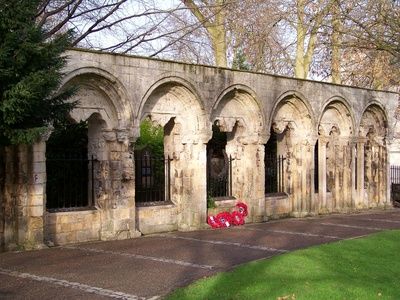
Archbishop’s Palace Ruins
While much of the palace is a restored museum, the grounds contain exposed ruins of earlier structures, including the mint. These excavated areas offer a look at the site’s deep history. Requires museum admission.
Værne Monastery Ruins
The ruins of a monastery of the Knights Hospitaller, now incorporated into the Værne Kloster farm. The main ruin is a large stone cellar. Access is on private land, so viewing is often from a distance or on special open days.
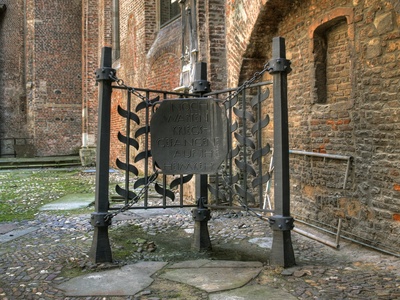
St. Alban’s Church Ruins
Part of the larger Selje Monastery complex on the island, these are the ruins of a small church dedicated to St. Alban, nestled among the main monastery buildings. Accessible via the same boat tour from Selje.
St. Sunniva Church Ruins
The ruins of the cave church where St. Sunniva, Norway’s first saint, was said to have died. This is the heart of the Selje pilgrimage site on the island and is the most dramatic part of the monastery tour.
Katarinakirken Ruins
The newly excavated ruins of a medieval hospital church run by the Franciscan order. The foundations are now preserved and displayed under a modern protective roof in a public park, telling a story of medieval charity.
Olavsklosteret Ruins, Tønsberg
The extensive ruins of a Premonstratensian monastery located right in the city center. Now part of the Slottsfjell Museum’s grounds, the library building ruin is particularly impressive. Museum admission required for full access.
Gunnarsborg
The remains of a coastal hillfort, likely from the Viking Age, with visible stone walls built for defense. Located on a headland, it offers a great hike with historical significance and excellent views of the sea.
Tanum Church Ruins
While the current Tanum Church is medieval, excavations in the 1970s revealed the foundations of an even earlier wooden church underneath it. These foundations are now marked and visible outside the current church walls.
Oddernes Church Stone Ruins
Beneath the floor of the medieval Oddernes Church lie the discovered foundations of a wooden stave church from around 1040. While not always visible, they are a documented ruin of immense historical importance.
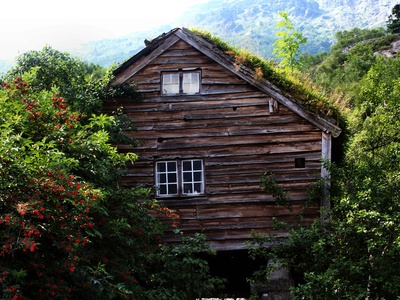
Agatunet
Agatunet is a preserved historic farm cluster, but it contains the foundations of a medieval courthouse (Lagmannsstova) from around 1220. This specific ruin is a key part of the site’s rich history. Museum admission required.
St. Georg’s Hospital Ruins
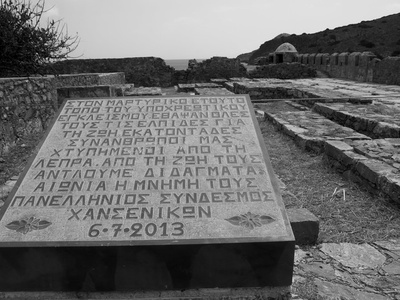
St. Jørgen’s Hospital was a famous leprosy hospital, now a museum. The grounds contain the ruins of St. George’s Church, which served the hospital’s patients for centuries. The foundations are visible in the courtyard.
Ås Abbey Ruins
The low, mossy foundation walls of a medieval guest house or chapel, possibly linked to the Cistercians at Lyse. This remote and lesser-known ruin sits in a field, offering a very peaceful, personal connection to the past.
Motsogn Church Ruins
The barely-visible stone foundations of a medieval church high on a mountainside, a testament to a community that once lived in this now-remote area. Reaching it requires a demanding hike but rewards with solitude and history.
Finneloftet Foundations
Finneloftet is Norway’s oldest wooden secular building, but next to it are the stone foundations of an earlier, larger hall or feasting house from the High Middle Ages. It’s part of the Voss Folk Museum complex.
Tridentila Bronze Age Site
Visible stone foundations of several longhouses from the Bronze Age, located at the Iron Age Farm museum. These excavated ruins show what life was like 3,000 years ago. Requires museum admission to see.
Avaldsnes Royal Manor
At the historic site of Avaldsnes, original stone ruins of King Håkon Håkonsson’s 13th-century royal complex are visible. They are located right next to the medieval St. Olav’s Church. The site is freely accessible.
Høgnakken Hillfort
The extensive and well-defined stone walls of a large migration-period hillfort, offering panoramic views over Ålesund. The ruins are easily accessible via a popular hiking trail, combining nature with ancient history.
Gjesvold Church Ruins
The overgrown and forgotten stone foundations of a small medieval church in a secluded forest location. This is a true hidden gem for those willing to seek it out, offering a deep sense of discovery.
Vattenberget Hillfort
The ruins of a coastal hillfort with stone walls strategically placed along a cliff edge. Located within the city of Fredrikstad, it’s an easily accessible site that highlights the area’s ancient defensive importance.
Kjøpsvik Churchyard Ruins
Within the old Kjøpsvik cemetery are the low stone foundations of a church built in the 1600s. It’s a simple but poignant reminder of an earlier congregation in this northern community. Freely accessible.
Veøya Church Ruins
The ruins of the medieval trading town of Veøya include the still-standing St. Peter’s Church and the excavated foundations of several other buildings. The island is a nature reserve and accessible by boat or summer tours.
Skjelver Farm Ruins
Excavated stone foundations of several longhouses from the Roman Iron Age. The outlines are permanently marked in the ground in a public heritage park, making it easy to visualize the ancient farmstead.
Kvernes Tingsted
The site of an ancient assembly (ting) with visible burial mounds and the faint outline of a boathouse ruin (naust). While subtle, it’s a significant cultural landscape near the Kvernes Stave Church. Freely accessible.
Elgeseter Priory Ruins
The ruins of an Augustinian priory, now located in the cellar of a modern apartment building. Access is limited, but this is a unique example of urban development preserving a medieval ruin. Check for rare public viewings.
Steigarberg Chapel Ruins
The foundation walls of a medieval chapel that served sailors along the coast. The ruin is located on a hilltop with a commanding view of the shipping lane it once watched over. Accessible via a short hike.
Utsira Church Ruins
Near the current Utsira church are the stone foundations of its 18th-century predecessor. This small ruin on Norway’s westernmost inhabited island tells a story of community resilience and faith against the elements.
Løvøya Chapel Ruins
The romantic stone ruins of a small medieval chapel dedicated to St. Olav, located on the island of Løvøya. The site is beautifully maintained and is a popular destination for boaters, cyclists, and walkers.
Borre Church Ruins
While Borre is famous for its Viking burial mounds, the nearby ruins of the medieval stone church are also significant. The foundations are located in the churchyard of the current Borre Church. Freely accessible.
Søndre Berg Farm Ruins
Excavated foundations of Iron Age longhouses, permanently marked in a field. This site gives a clear impression of a prehistoric farmstead and is located in a rich historical landscape near Lake Mjøsa.
Old Aker Church Site
The current Old Aker Church is Oslo’s oldest building, but excavations have revealed ruins of an even earlier church and a silver mine entrance from the Viking Age within the churchyard. A site with layers of history.
Borgund Stave Church Site
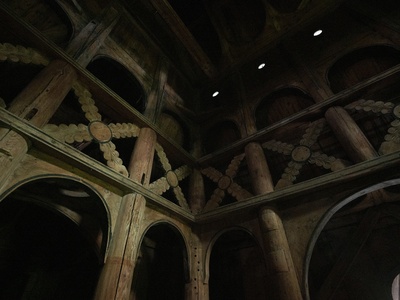
Adjacent to the world-famous Borgund Stave Church, archaeologists have found the ruins (postholes and sills) of an even earlier wooden church. These are marked on the ground, showing the site’s long Christian history.
Rocamadour-Lilløya
The barely visible ruins of a medieval chapel, possibly dedicated to the Virgin Mary of Rocamadour. This obscure site on a small peninsula offers a quest for dedicated ruin-hunters in a beautiful setting.
Fluberget Rock Carving Site
While rock carvings are not ruins, this site also features the ruins of burial cairns from the same period. It combines ancient art with ancient structures, all freely accessible in a public park.
Ytraberget Hillfort
The ruins of a stone rampart on a small peninsula, famously the site where Harald Fairhair fought his final battle to unite Norway. A monument now stands here, but the original defensive walls are still visible.
Rogaland Arboretum Church Ruin
Hidden within the Rogaland Arboretum are the low stone foundations of a small medieval farm chapel. A walk through the beautiful park can lead to this secret piece of local history.
Byneset Church Foundations
The existing Byneset stone church is medieval, but beside it are the marked foundations of a wooden church that preceded it, showing the evolution of church-building techniques. Located in the public churchyard.
Herrebro Steinkretser
A field containing several stone circles and burial monuments from the Iron Age. These structures, while funerary, are visible ruins of a prehistoric ceremonial landscape. Freely accessible.
Tingvoll Stone Settings
One of Norway’s largest collections of stone settings from the late Iron Age and Viking Age. Includes several ship settings and circles, forming a significant ruined ceremonial and burial site. Freely accessible.
Vang Burial Monuments
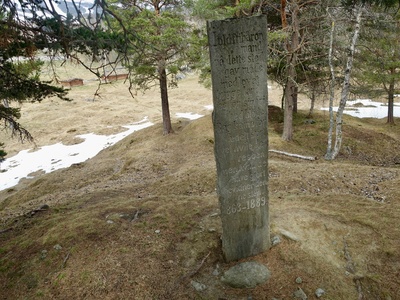
At the site of the Vang Stave Church (now in Poland), several Viking-era burial mounds and a famous runestone remain. These monuments constitute the visible remains of a pre-Christian power center.
Odda Smelting Plant
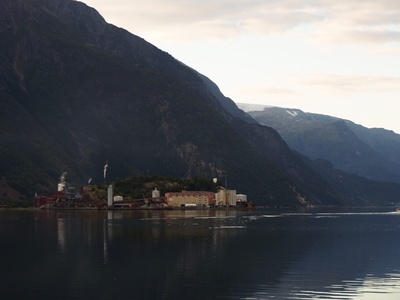
The massive, cathedral-like ruins of the carbide factory at the heart of the Odda industrial heritage site. This impressive early 20th-century industrial ruin is a key part of the UNESCO-nominated landscape.
Gravhaugene på Gunnarstorp
A collection of monumental Bronze Age burial cairns, some of which are partially collapsed, revealing their internal stone structure. These impressive mounds are prominent ruins in the cultural landscape.
Rødsås Hillfort
A large and well-preserved hillfort from the Migration Period with impressive outer and inner stone walls. The ruin is located in a forest and requires a hike, offering a great nature and history combination.
Steinbekkborgen
The ruins of a remote and mysterious walled structure from the Iron Age, located deep in the mountains. Its purpose is unknown, making a visit to these lonely walls a truly atmospheric experience for hikers.
Festningen på Jeløya
The stone wall ruins of a large prehistoric hillfort located on the scenic island of Jeløya. The fort offers fantastic views over the Oslofjord and is a popular hiking destination.
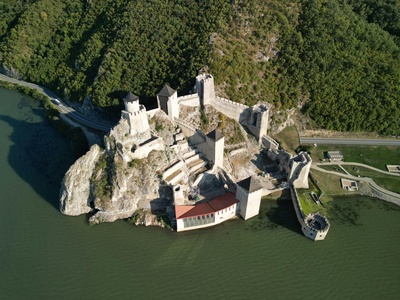
Slottet på Limsjøen
The scant ruins of a small medieval tower or castle on an island in Limsjøen lake. Likely a private fortification, its isolation makes it an intriguing destination for canoeists or those viewing from shore.